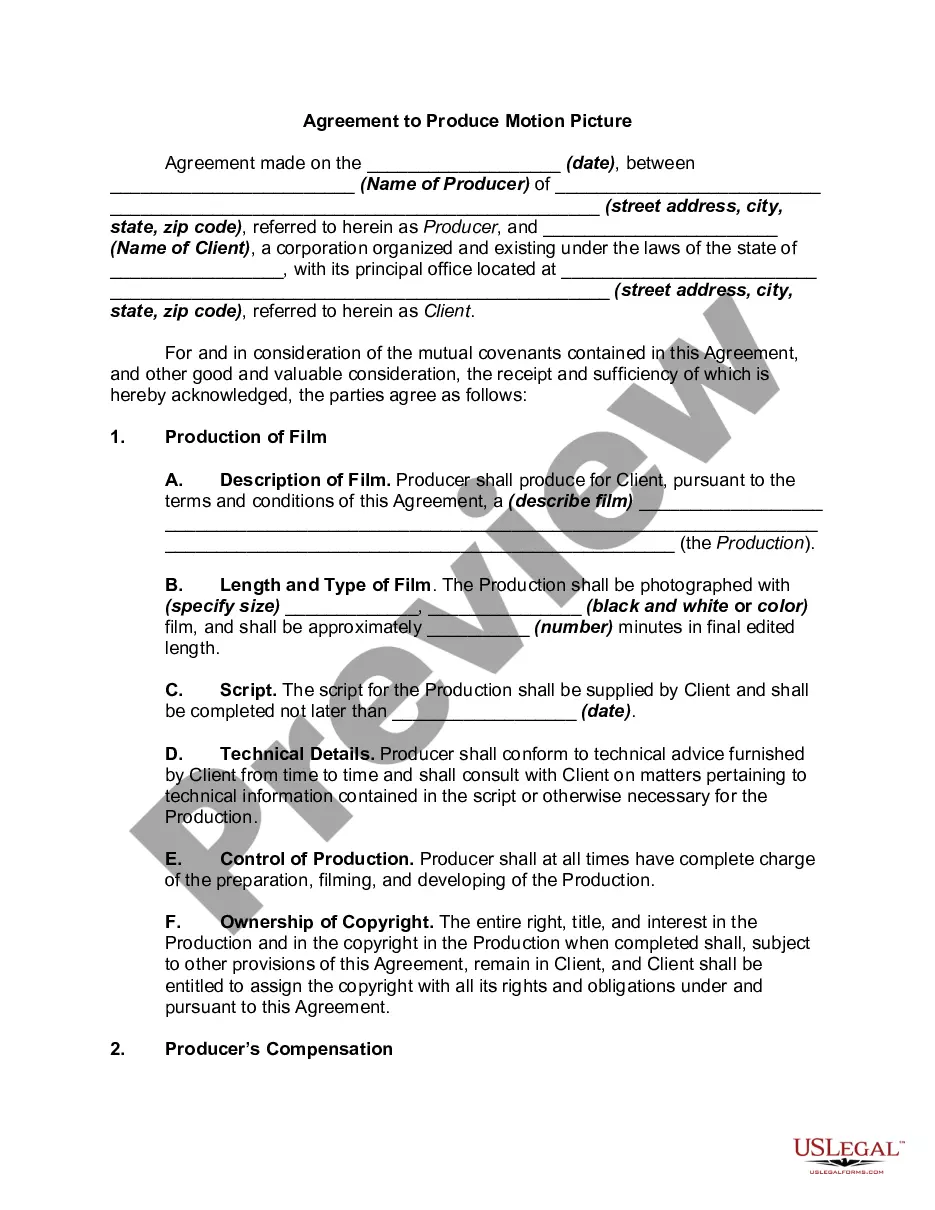
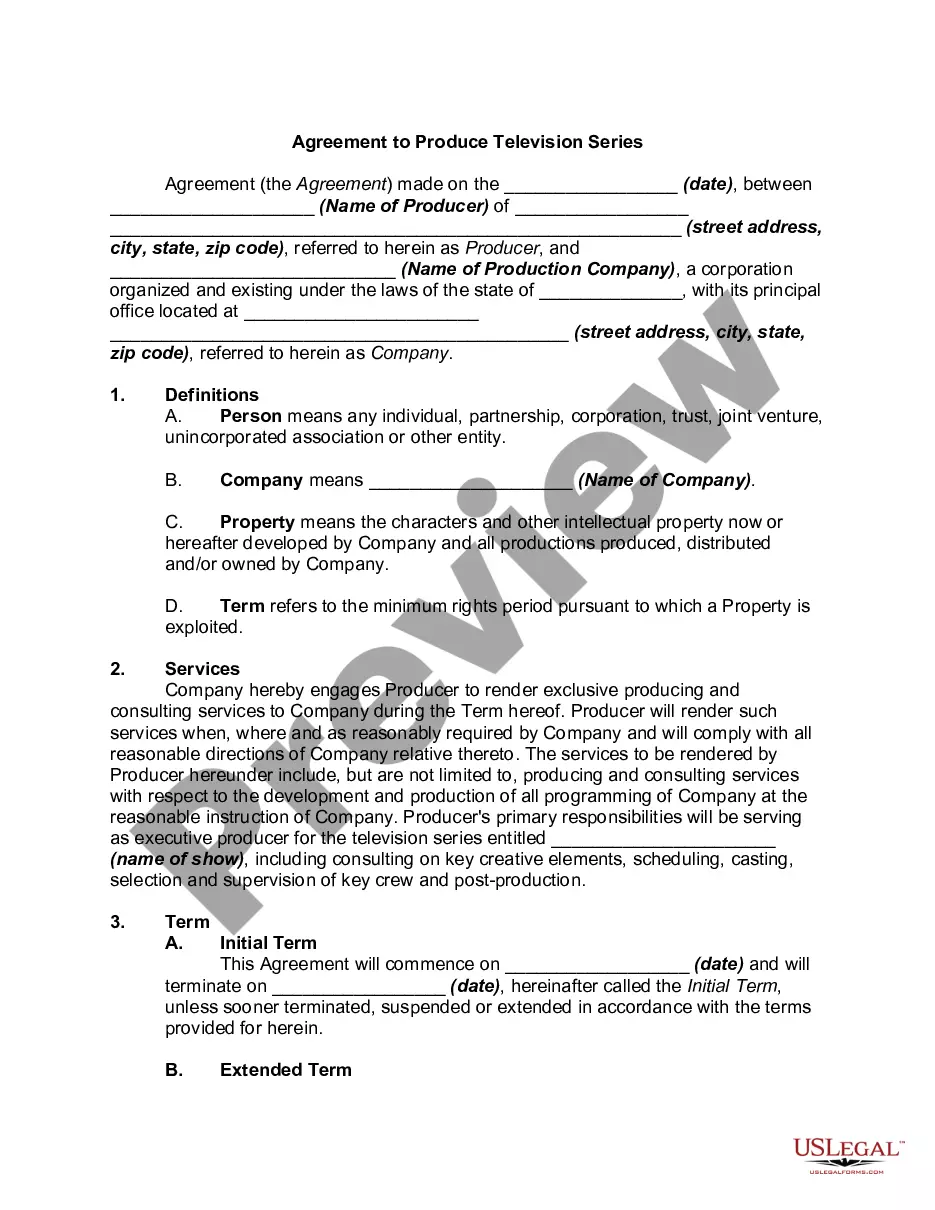
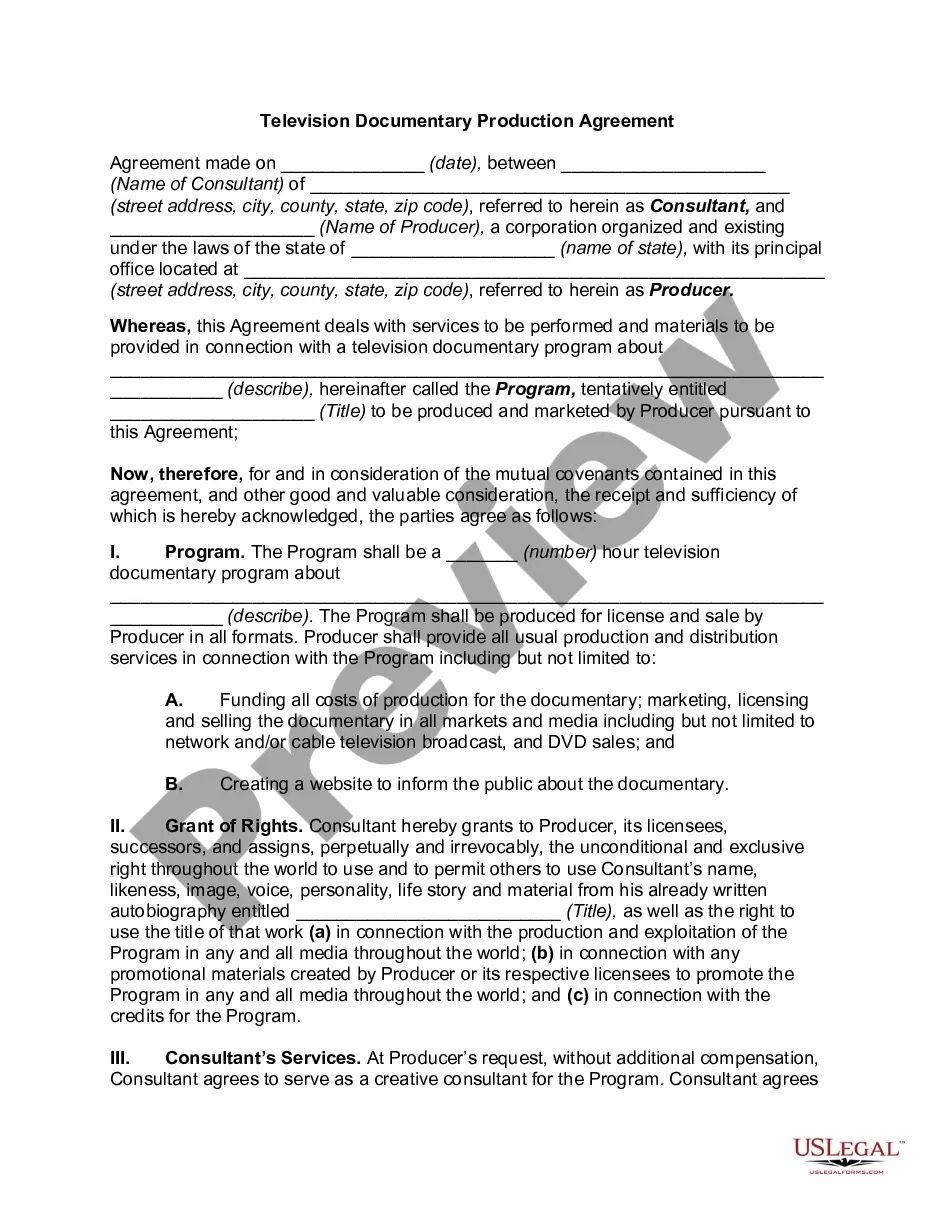
Movie Agreement Format In Utah
Description

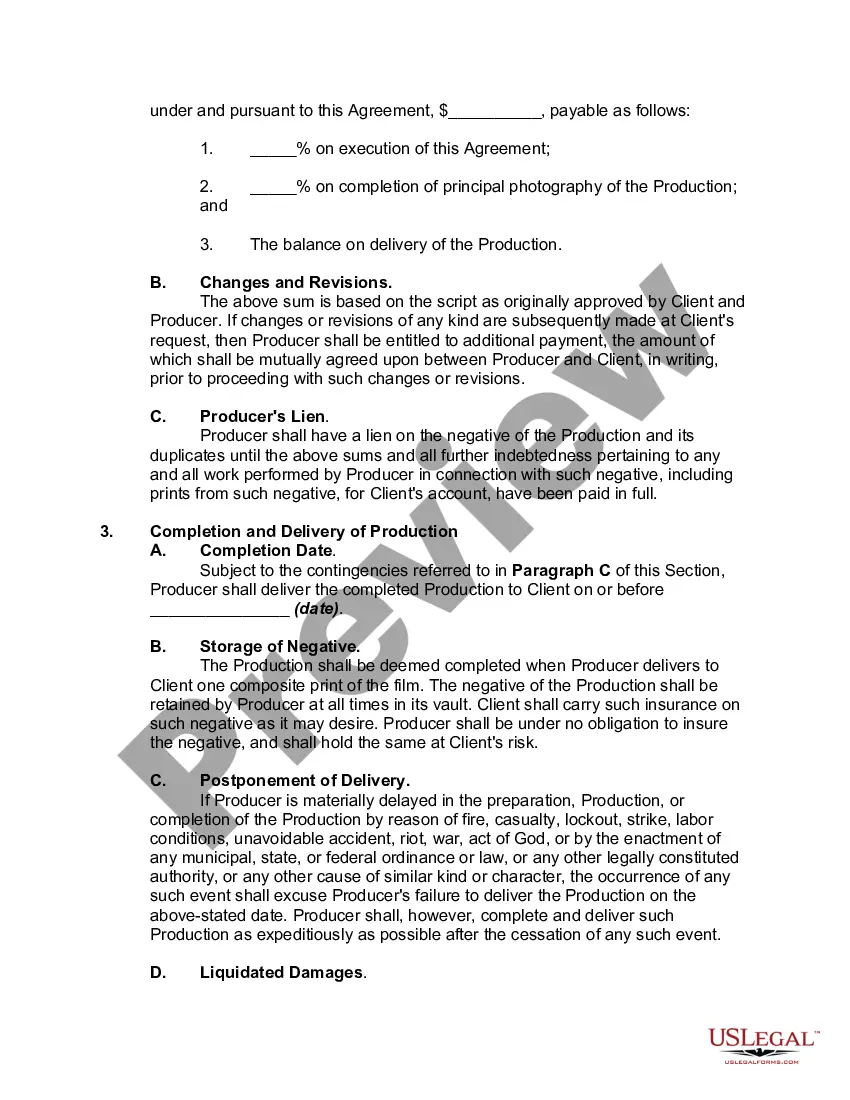
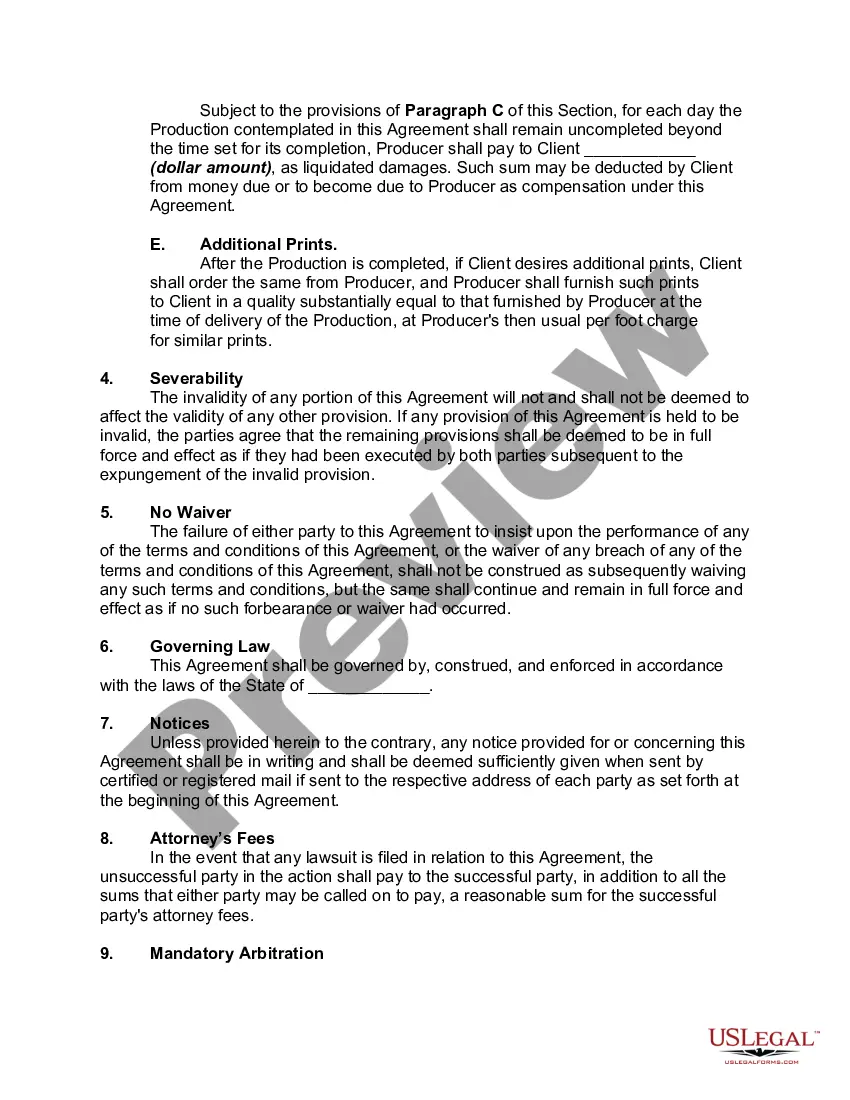
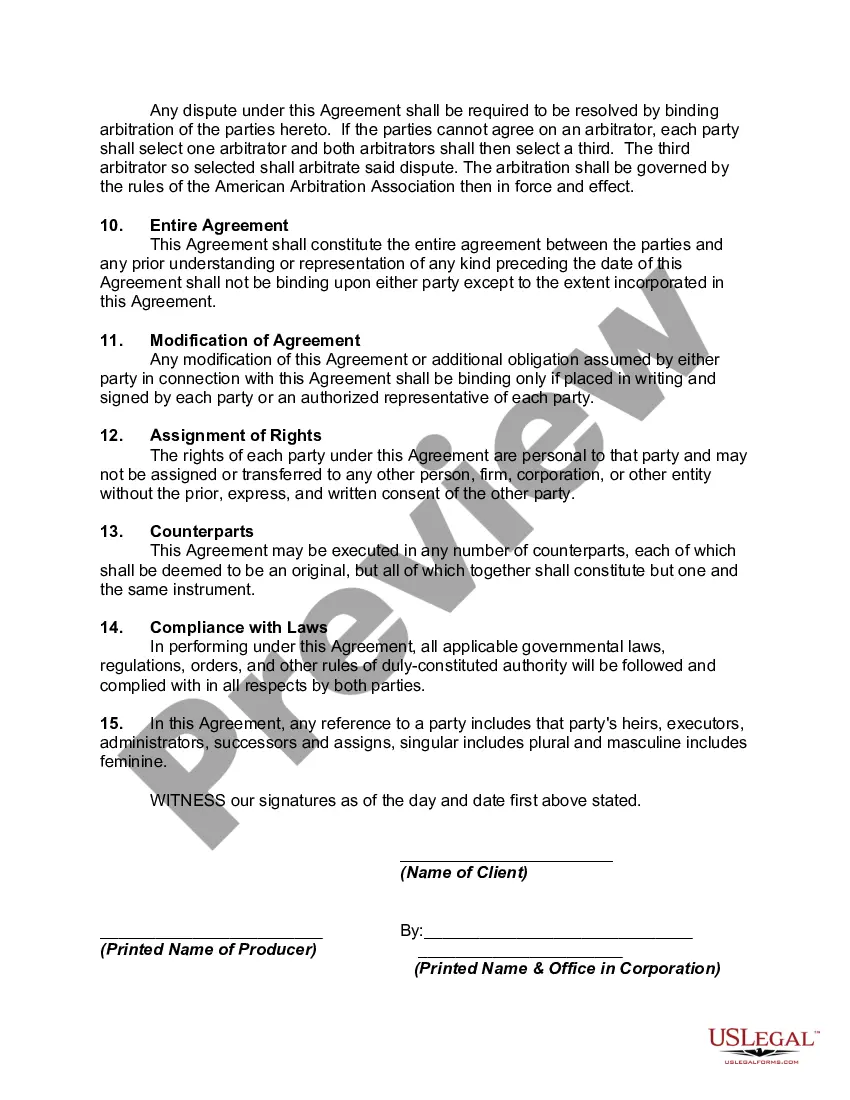
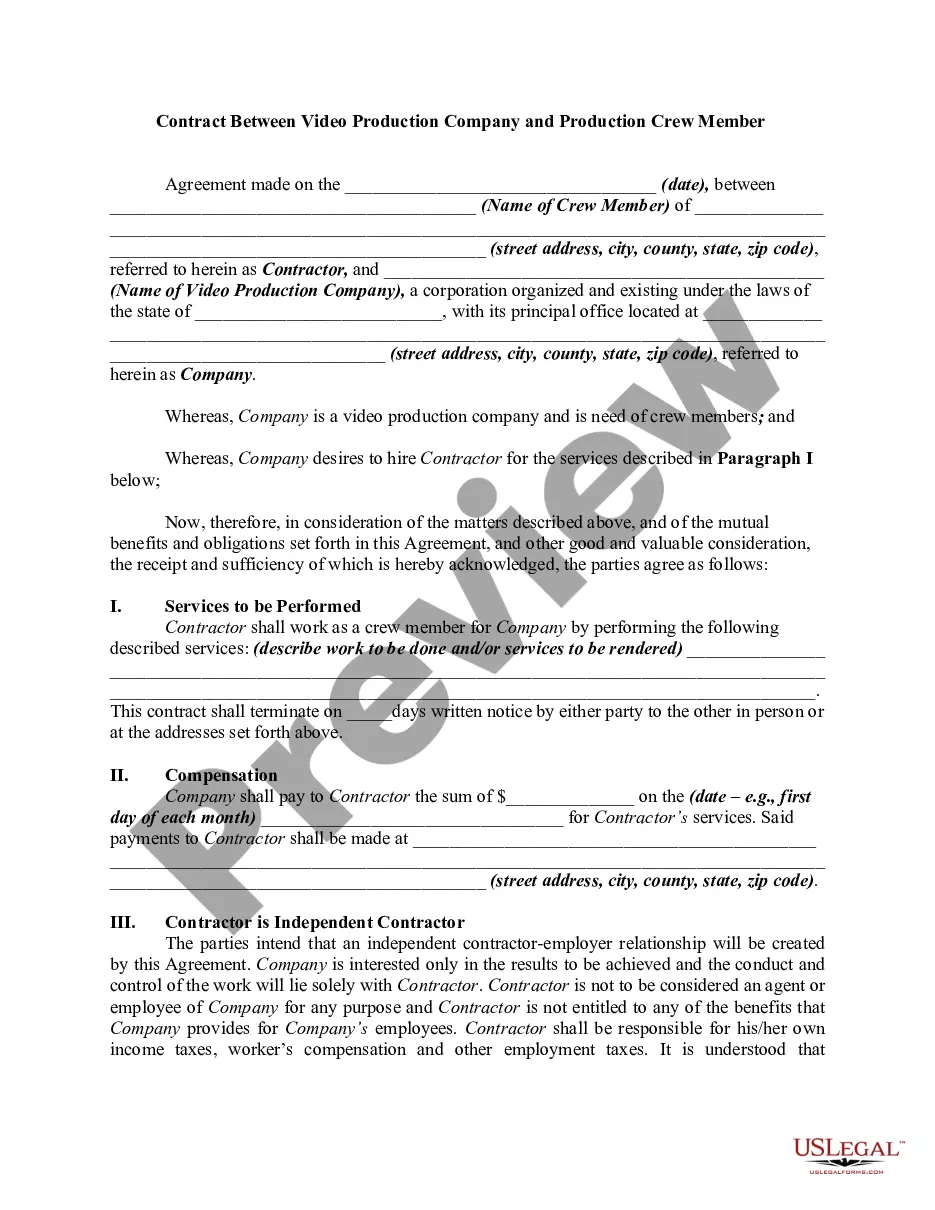
Get your form ready online
Our built-in tools help you complete, sign, share, and store your documents in one place.
Make edits, fill in missing information, and update formatting in US Legal Forms—just like you would in MS Word.
Download a copy, print it, send it by email, or mail it via USPS—whatever works best for your next step.
Sign and collect signatures with our SignNow integration. Send to multiple recipients, set reminders, and more. Go Premium to unlock E-Sign.
If this form requires notarization, complete it online through a secure video call—no need to meet a notary in person or wait for an appointment.
We protect your documents and personal data by following strict security and privacy standards.

Make edits, fill in missing information, and update formatting in US Legal Forms—just like you would in MS Word.

Download a copy, print it, send it by email, or mail it via USPS—whatever works best for your next step.

Sign and collect signatures with our SignNow integration. Send to multiple recipients, set reminders, and more. Go Premium to unlock E-Sign.

If this form requires notarization, complete it online through a secure video call—no need to meet a notary in person or wait for an appointment.

We protect your documents and personal data by following strict security and privacy standards.
Looking for another form?








Form popularity
FAQ
An actor contract is more than just an agreement; it's a legally binding document that protects all parties involved and outlines the expectations, responsibilities, and rights.
Sample Movie Production Agreement Description of Project. . Production Specifications. The Project will be produced in color on , using both studio and location recording techniques. Budget. Script. Date of Delivery. Ownership of Rights in Project. Credits. Right to Enter Project in Competitions.
10 Methods to Finance your Film Tax Incentives. Pre Sales. Negative Pickup Deal. Gap Financing. Fiscal Sponsorship. Film Grants. Private Investors. Product Placement.
Contracts in film production secure the rights and obligations of all parties involved, from actors and directors to producers and screenwriters. They cover aspects like compensation, working conditions, and intellectual property rights.
A licensing agreement allows one party (the licensee) to use and/or earn revenue from the property of the owner (the licensor). Licensing agreements generate revenues, called royalties, earned by a company for allowing its copyrighted or patented material to be used by another company.
Within it, both parties can detail their stipulations for when filming occurs, but also afterward. While a location agreement is first and foremost an authorization to step foot on a property and capture video footage or photographs of it, it also acts as a form of protection for both parties.
