Manufacturing Agreement Format In Travis
Description

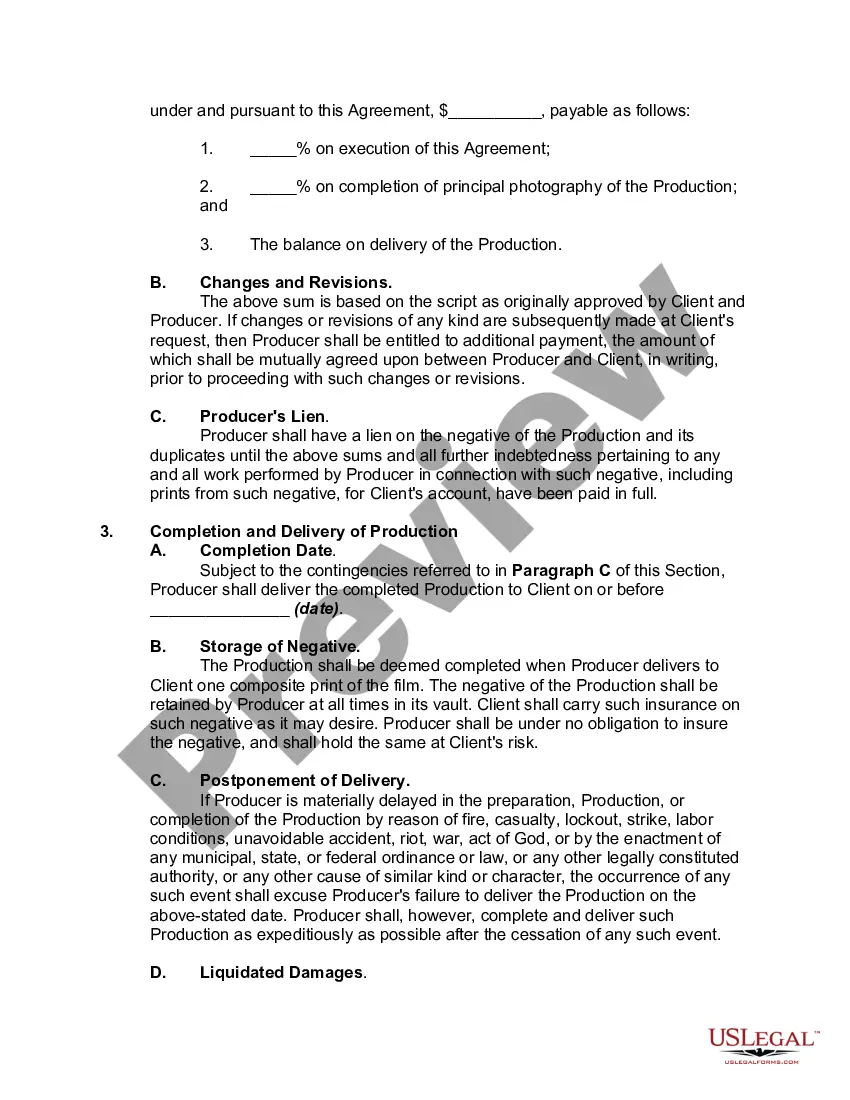
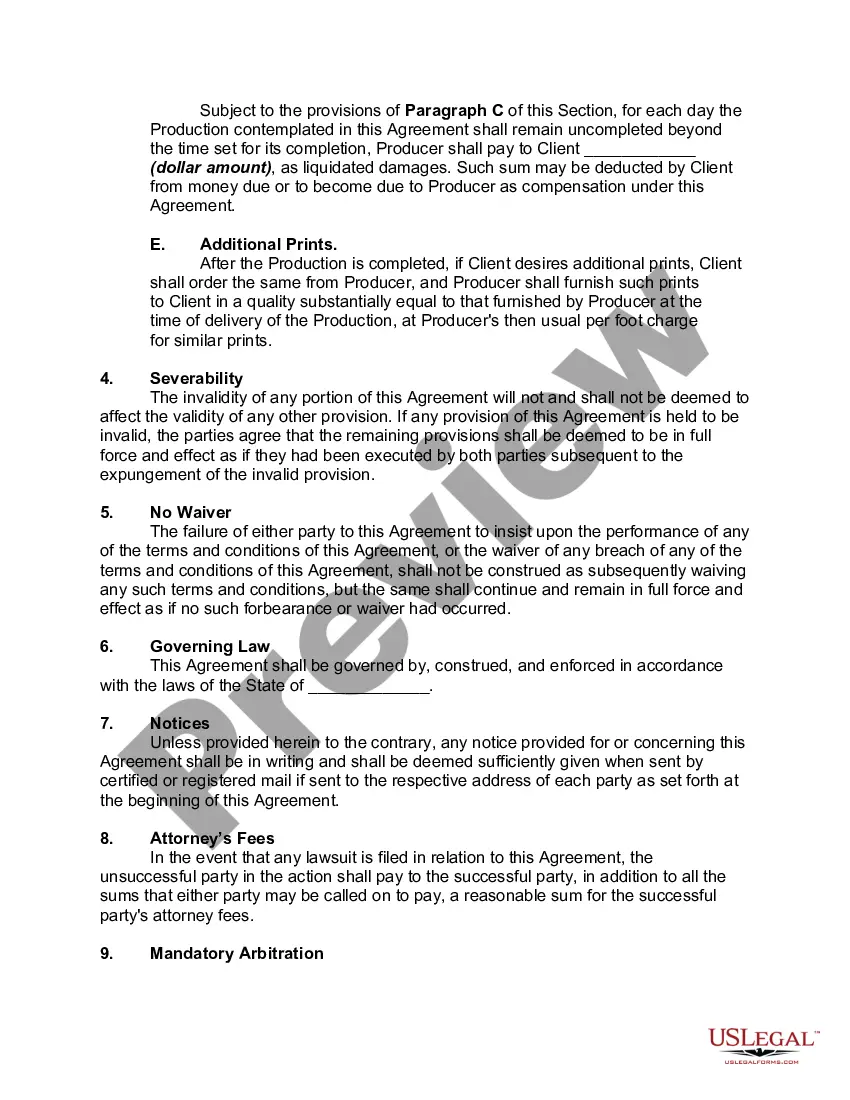
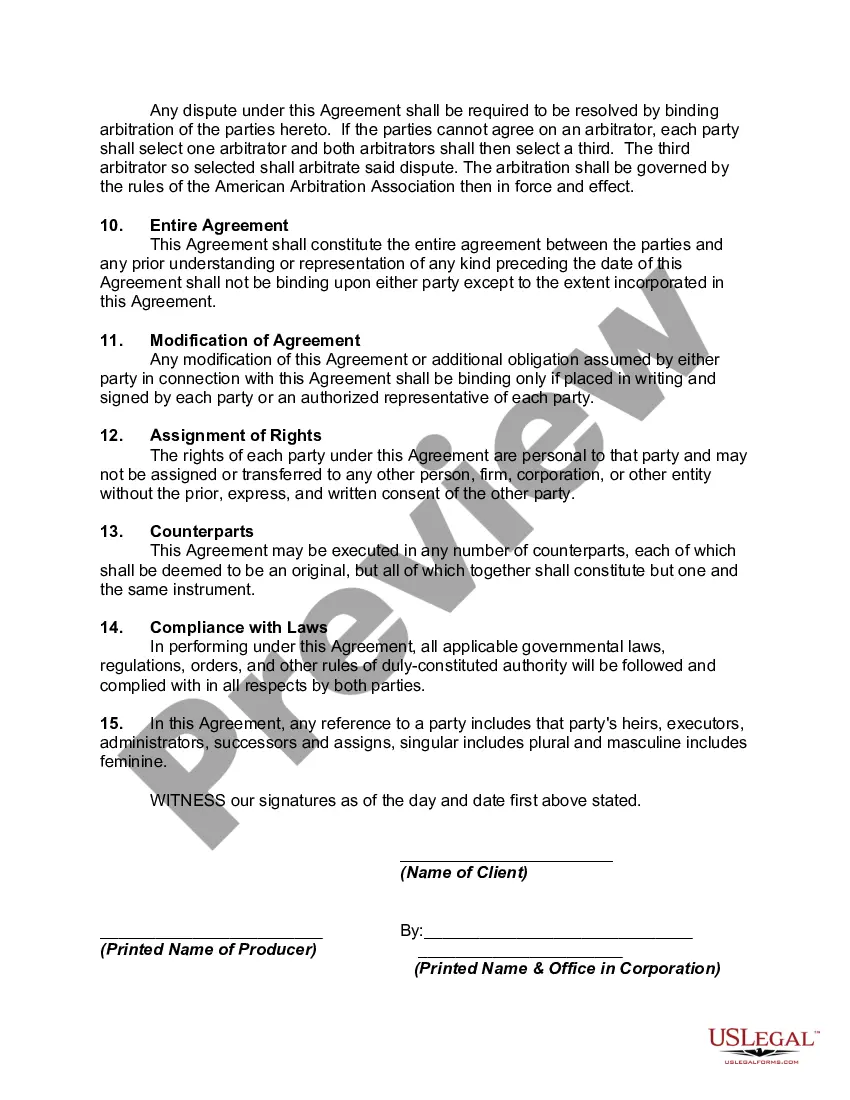
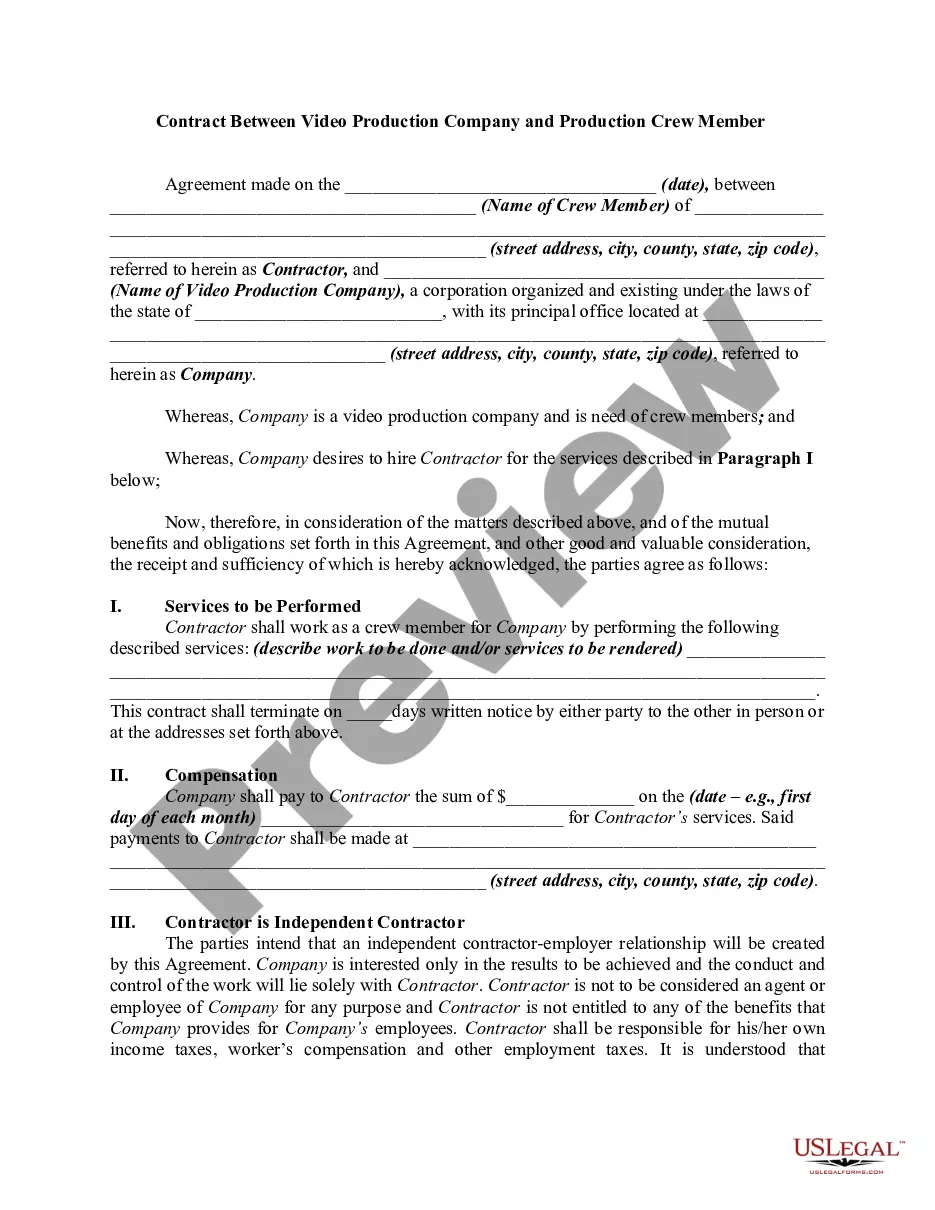
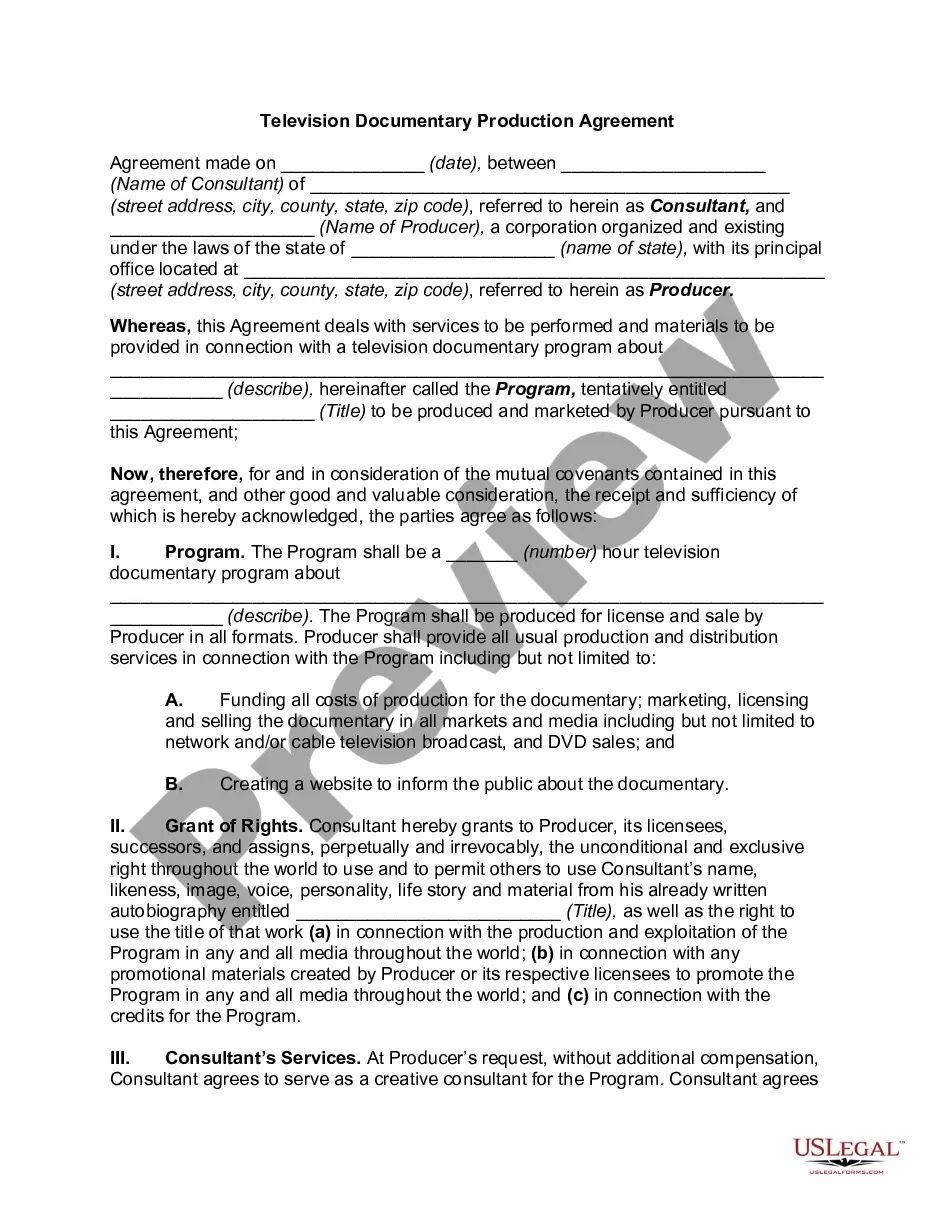
Get your form ready online
Our built-in tools help you complete, sign, share, and store your documents in one place.
Make edits, fill in missing information, and update formatting in US Legal Forms—just like you would in MS Word.
Download a copy, print it, send it by email, or mail it via USPS—whatever works best for your next step.
Sign and collect signatures with our SignNow integration. Send to multiple recipients, set reminders, and more. Go Premium to unlock E-Sign.
If this form requires notarization, complete it online through a secure video call—no need to meet a notary in person or wait for an appointment.
We protect your documents and personal data by following strict security and privacy standards.

Make edits, fill in missing information, and update formatting in US Legal Forms—just like you would in MS Word.

Download a copy, print it, send it by email, or mail it via USPS—whatever works best for your next step.

Sign and collect signatures with our SignNow integration. Send to multiple recipients, set reminders, and more. Go Premium to unlock E-Sign.

If this form requires notarization, complete it online through a secure video call—no need to meet a notary in person or wait for an appointment.

We protect your documents and personal data by following strict security and privacy standards.
Looking for another form?

Form popularity
FAQ
Write the contract in six steps Start with a contract template. Open with the basic information. Describe in detail what you have agreed to. Include a description of how the contract will be ended. Write into the contract which laws apply and how disputes will be resolved. Include space for signatures.
Acceptance of an offer: After one party makes an offer, it's up to the other party to accept it. If someone offers you $600 to walk their dogs, for example, you enter into a contractual agreement the moment you accept their offer in exchange for your services.
Write the contract in six steps Start with a contract template. Open with the basic information. Describe in detail what you have agreed to. Include a description of how the contract will be ended. Write into the contract which laws apply and how disputes will be resolved. Include space for signatures.
Use concrete words rather than industry jargon to keep the intent clear. A properly formatted contract will typically have copy that is left-aligned and single-spaced. If the contract is long or has multiple sections, a table of contents should be included to make it easier to review.
Your manufacturing contract should include: intellectual property (since the contract manufacturer(s) will be producing your proprietary creation). an assessment of manufacturing costs. clearly-written obligations of both parties. liabilities. product quality standards (if a quality control clause is included).
Contract manufacturing (co-manufacturing) is a common contractual arrangement between a brand owner and a manufacturer that produces food on behalf of the brand owner (sometimes called a co-man or contract manufacturer). This is commonly referred to as a co-man agreement.
Contract manufacturing typically falls into three categories: component manufacturing, which involves producing individual parts; sub-assembly manufacturing, which focuses on creating semi-finished components; and complete product manufacturing, where the manufacturer produces a fully finished product ready for the ...
A typical exclusivity clause that is designed to benefit a brand owner will require the contract manufacturer to limit its production and sale of the same or similar products for some period of time. An exclusivity clause for a brand owner may last for the duration of the contract manufacturing agreement.
A contract has three distinct stages: preparation, perfection, and consummation. Preparation or negotiation begins when the prospective contracting parties manifest their interest in the contract and ends at the moment of their agreement.