Sample Contract Agreement For Laundry Services In Ohio
Description

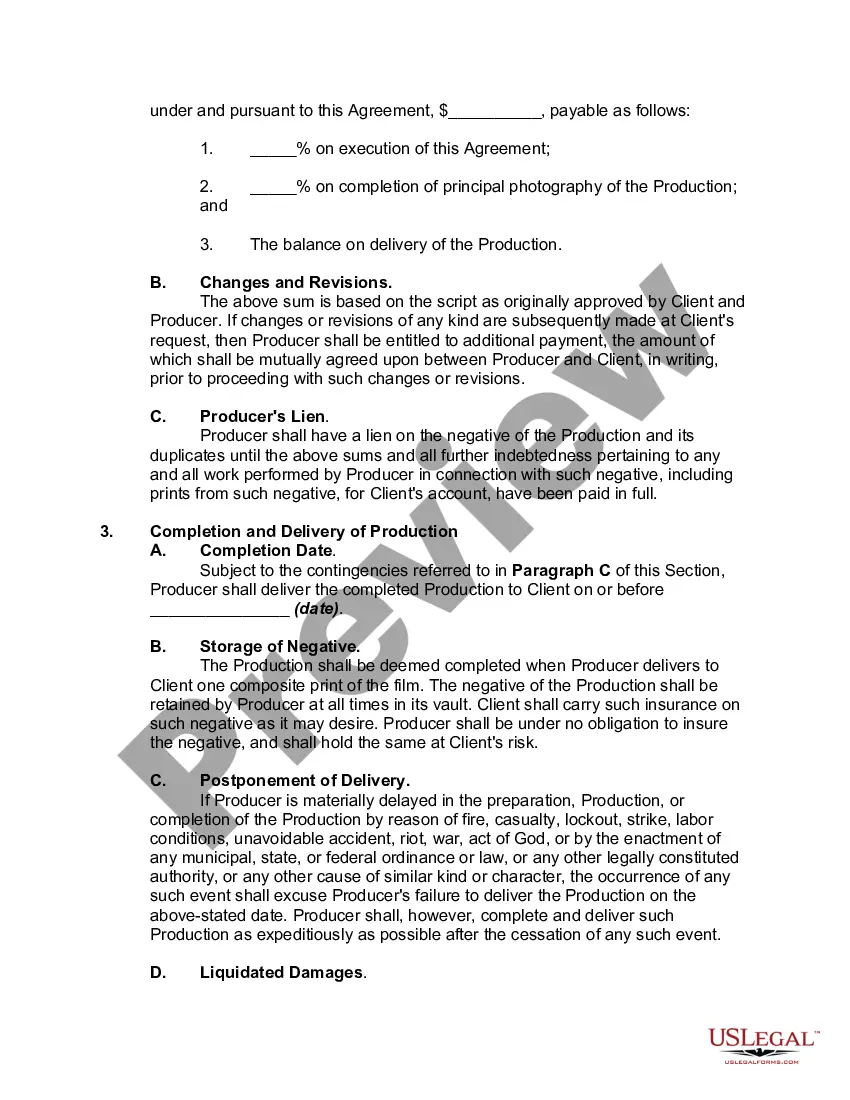
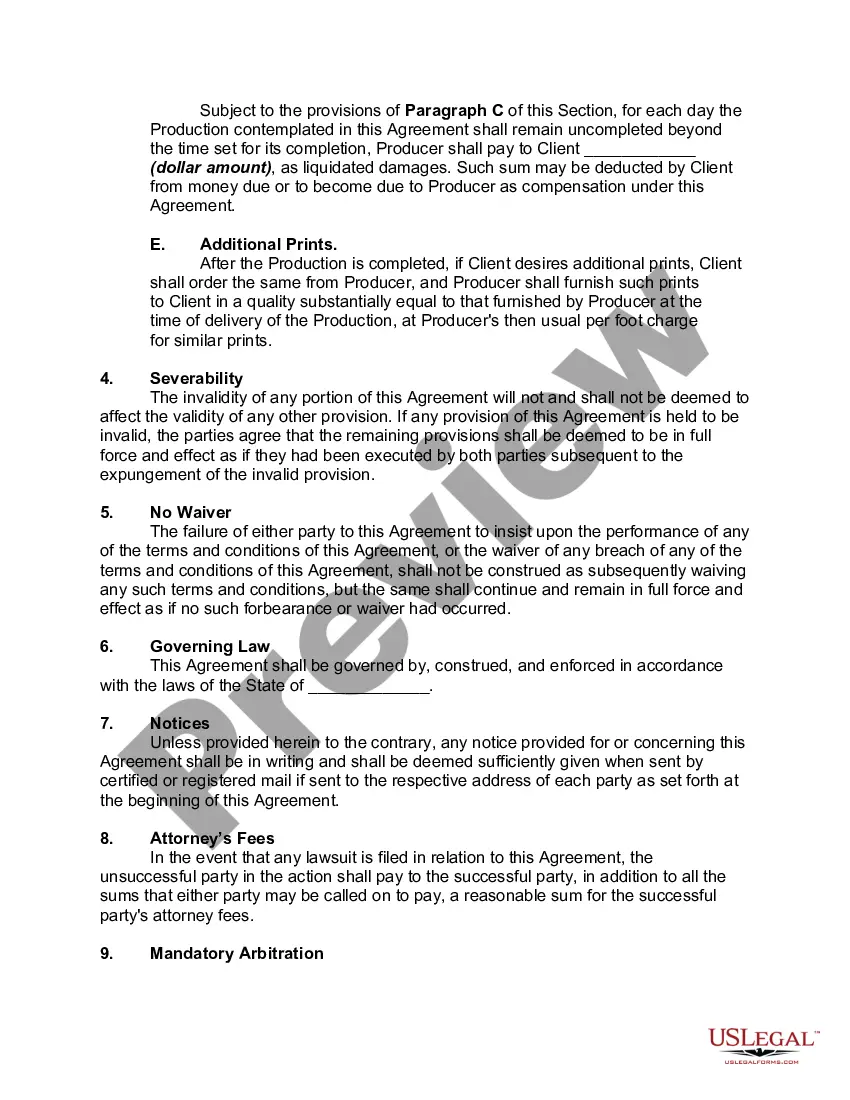
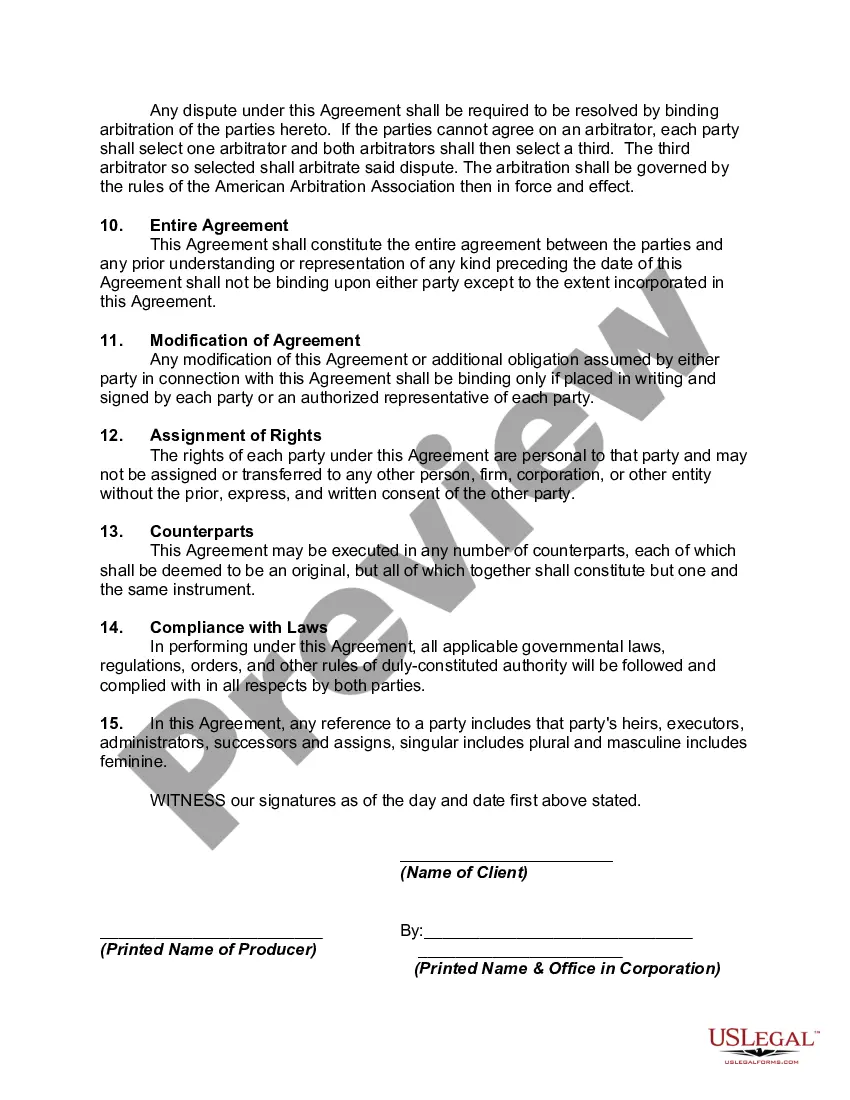
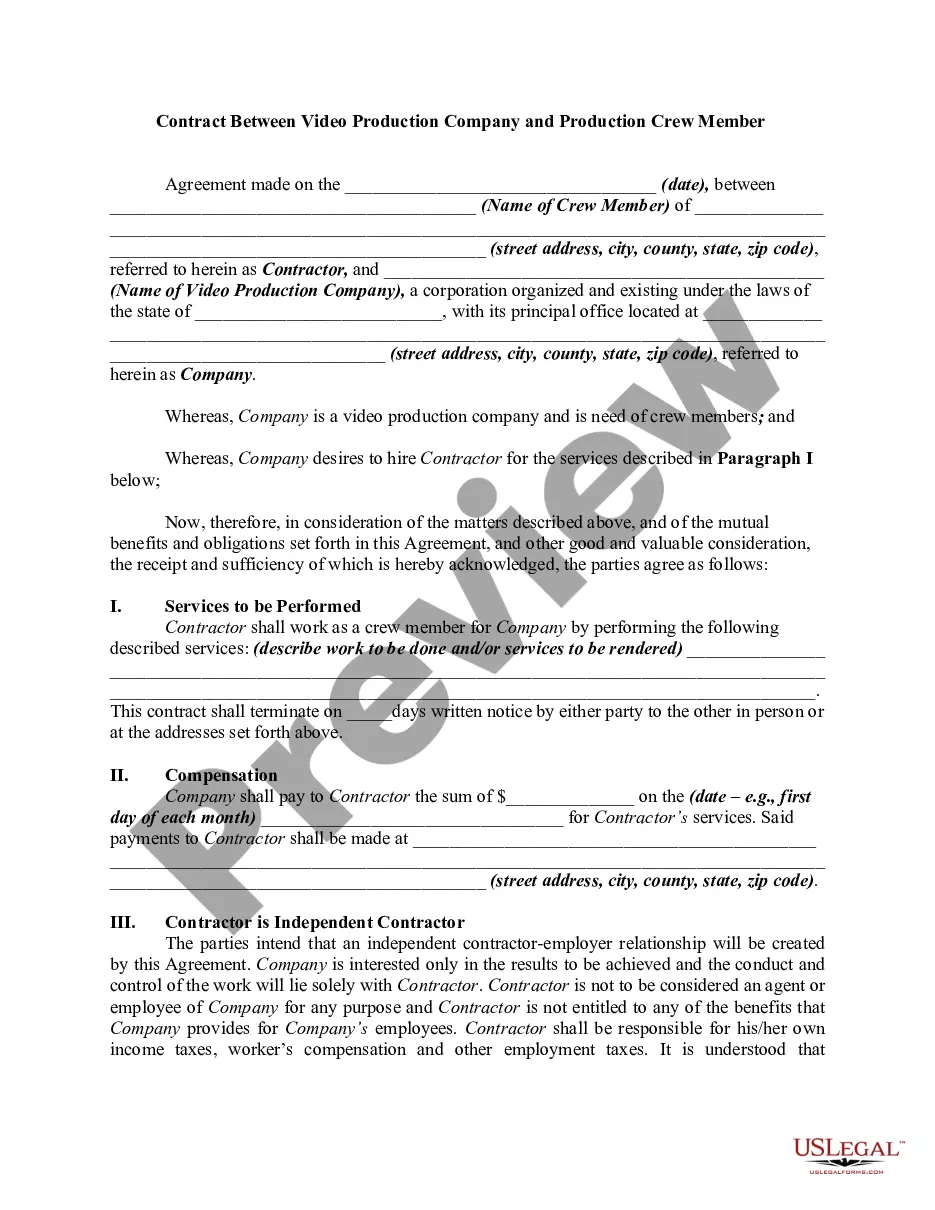
Get your form ready online
Our built-in tools help you complete, sign, share, and store your documents in one place.
Make edits, fill in missing information, and update formatting in US Legal Forms—just like you would in MS Word.
Download a copy, print it, send it by email, or mail it via USPS—whatever works best for your next step.
Sign and collect signatures with our SignNow integration. Send to multiple recipients, set reminders, and more. Go Premium to unlock E-Sign.
If this form requires notarization, complete it online through a secure video call—no need to meet a notary in person or wait for an appointment.
We protect your documents and personal data by following strict security and privacy standards.

Make edits, fill in missing information, and update formatting in US Legal Forms—just like you would in MS Word.

Download a copy, print it, send it by email, or mail it via USPS—whatever works best for your next step.

Sign and collect signatures with our SignNow integration. Send to multiple recipients, set reminders, and more. Go Premium to unlock E-Sign.

If this form requires notarization, complete it online through a secure video call—no need to meet a notary in person or wait for an appointment.

We protect your documents and personal data by following strict security and privacy standards.
Looking for another form?








Form popularity
FAQ
A weekly laundry service costs $35 to $45 per week or $60 to $100 per month for one person. A laundry subscription costs $200 to $400 per month for an average household. These prices include delivery. Annual subscriptions can give discounts of 30% to 35% per load.
How do I write a Service Agreement? State how long the services are needed. Include the state where the work is taking place. Provide the contractor's and client's information. Describe the service being provided. Outline the compensation. State the agreement's terms. Include any additional clauses.
“Contact laundry” - is outsourced out to another company on contract. They usually collect at specified times from the hotel/guesthouse, or even as needed. The laundry is taken off site and then returned washed/dried/folded and/ironed.
How to draft a contract between two parties: A step-by-step checklist Know your parties. Agree on the terms. Set clear boundaries. Spell out the consequences. Specify how you will resolve disputes. Cover confidentiality. Check the legality of the contract. Open it up to negotiation.
Write the contract in six steps Start with a contract template. Open with the basic information. Describe in detail what you have agreed to. Include a description of how the contract will be ended. Write into the contract which laws apply and how disputes will be resolved. Include space for signatures.
There are four common types of laundry services and each varies in style, giving you more freedom to choose the best fit. Self-Service. Full-Service. Pick-Up and Delivery. Dry Cleaning.
The Different Types of Laundry Businesses Launderettes. Launderettes are shops with a range of coin or contactless laundry equipment, which anyone can use to wash and dry their clothes. Dry cleaners. Fully staffed fluff and fold laundries. Commercial laundries. What equipment do all these businesses use?
There are four main methods of washing clothes: friction, light pressure, suction, and washing machines. Friction involves rubbing clothes by hand or brush to remove dirt. Light pressure is for delicate fabrics which are washed gently by hand. Suction uses a machine that dips and agitates clothes in soap water.