Contract Manufacturing Agreement Format In Middlesex
Description

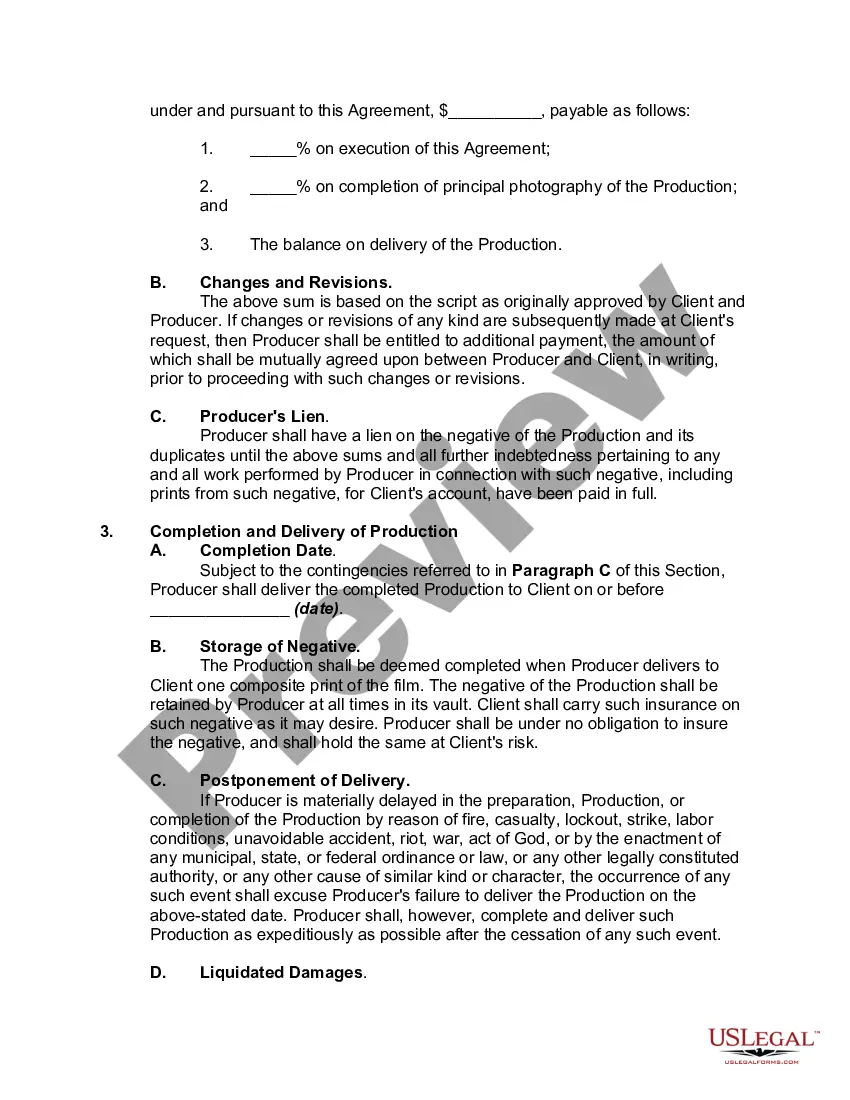
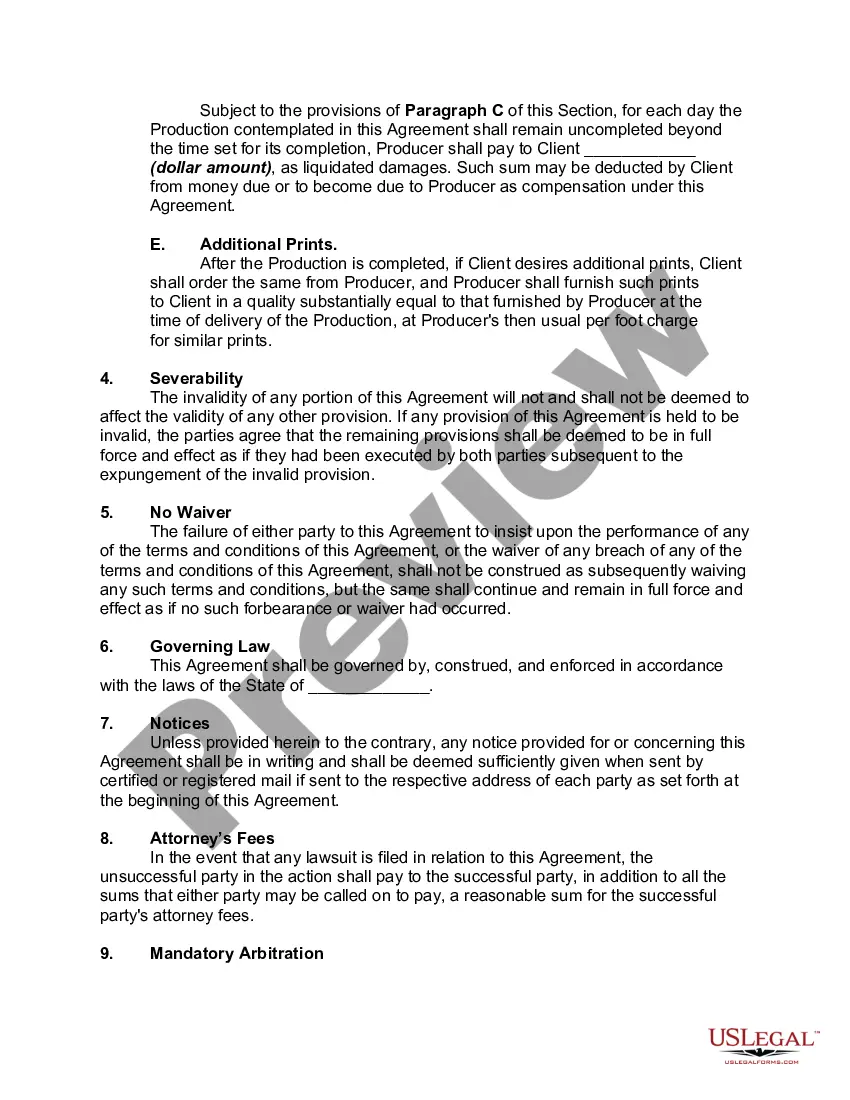
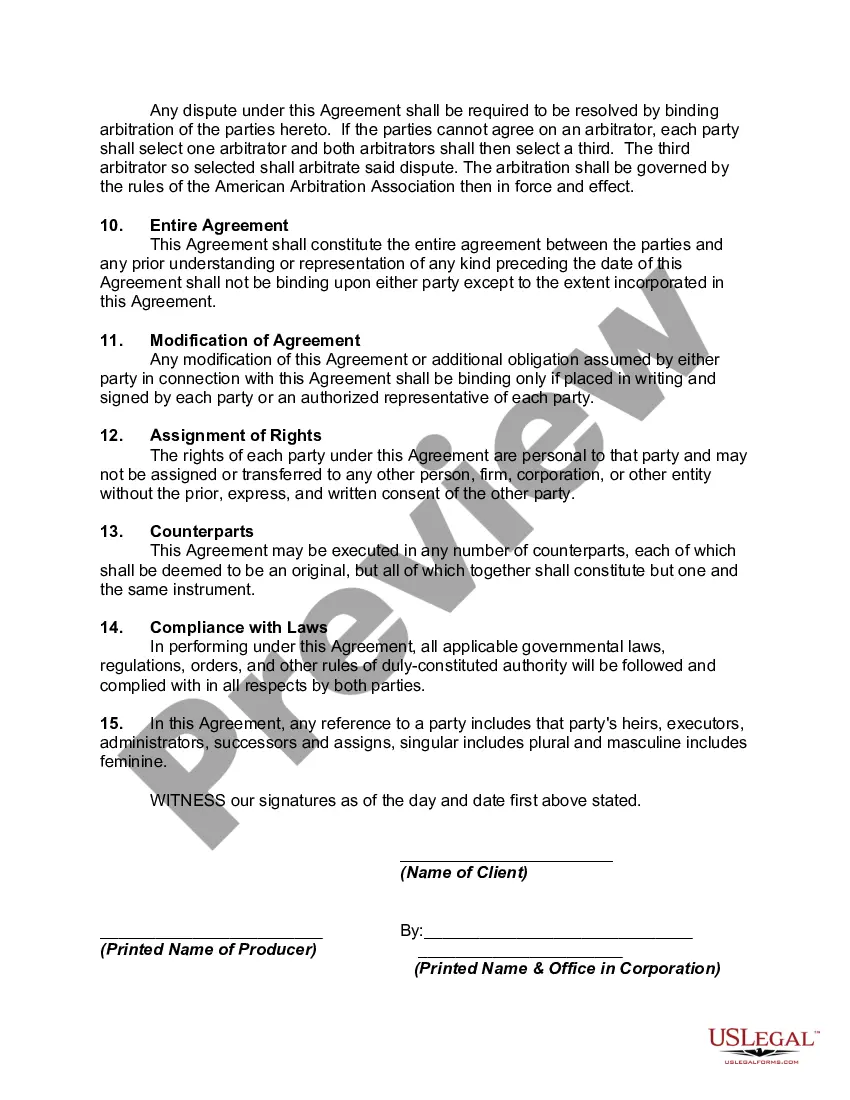
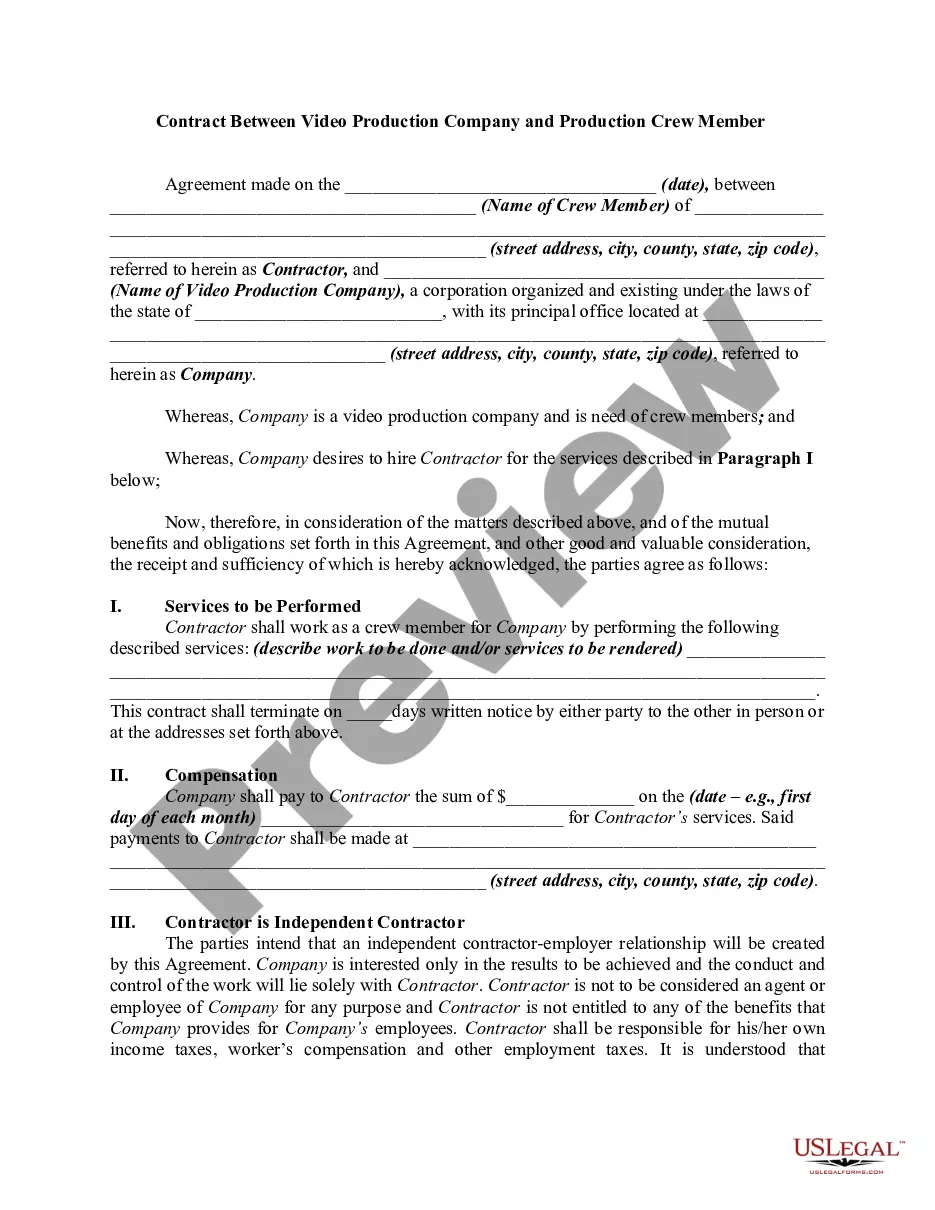
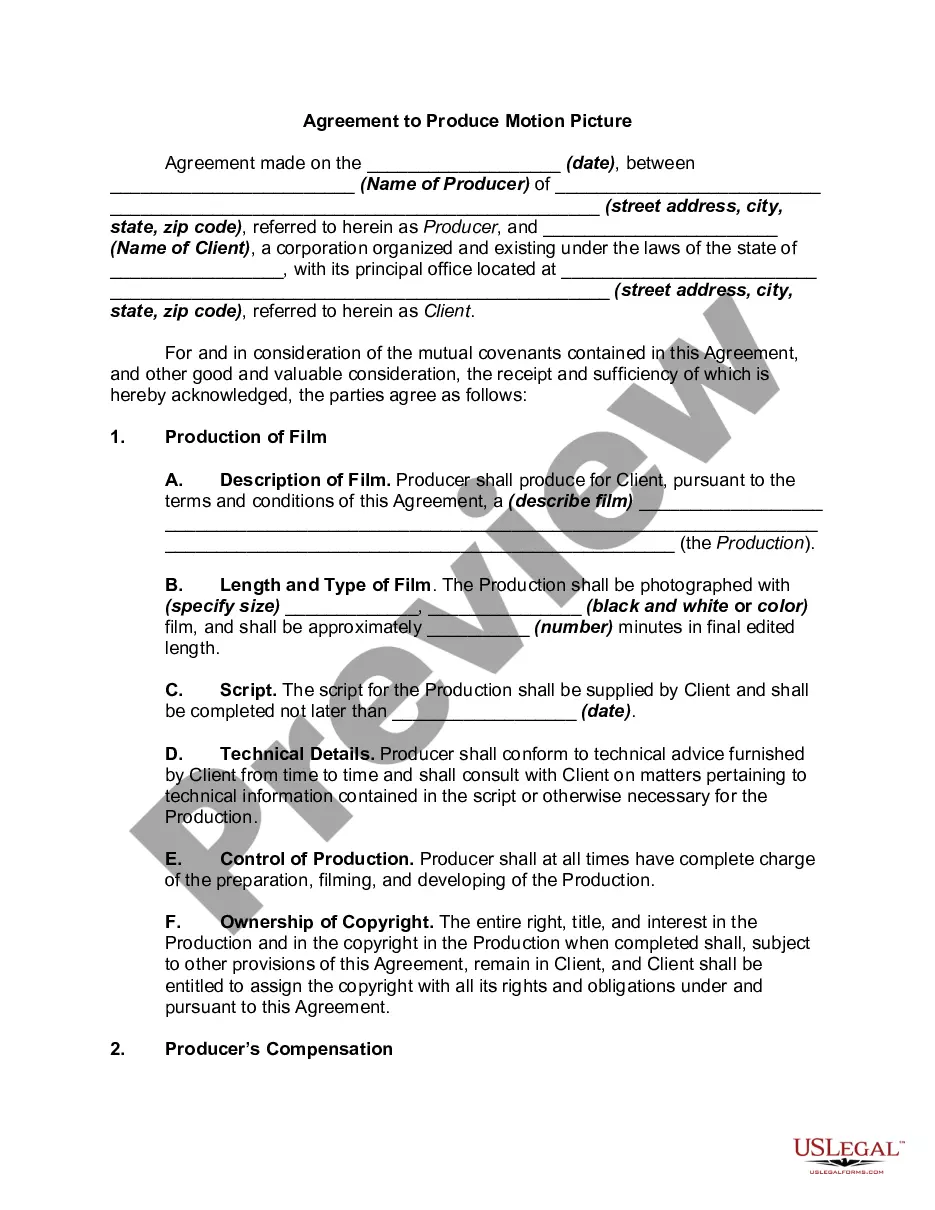
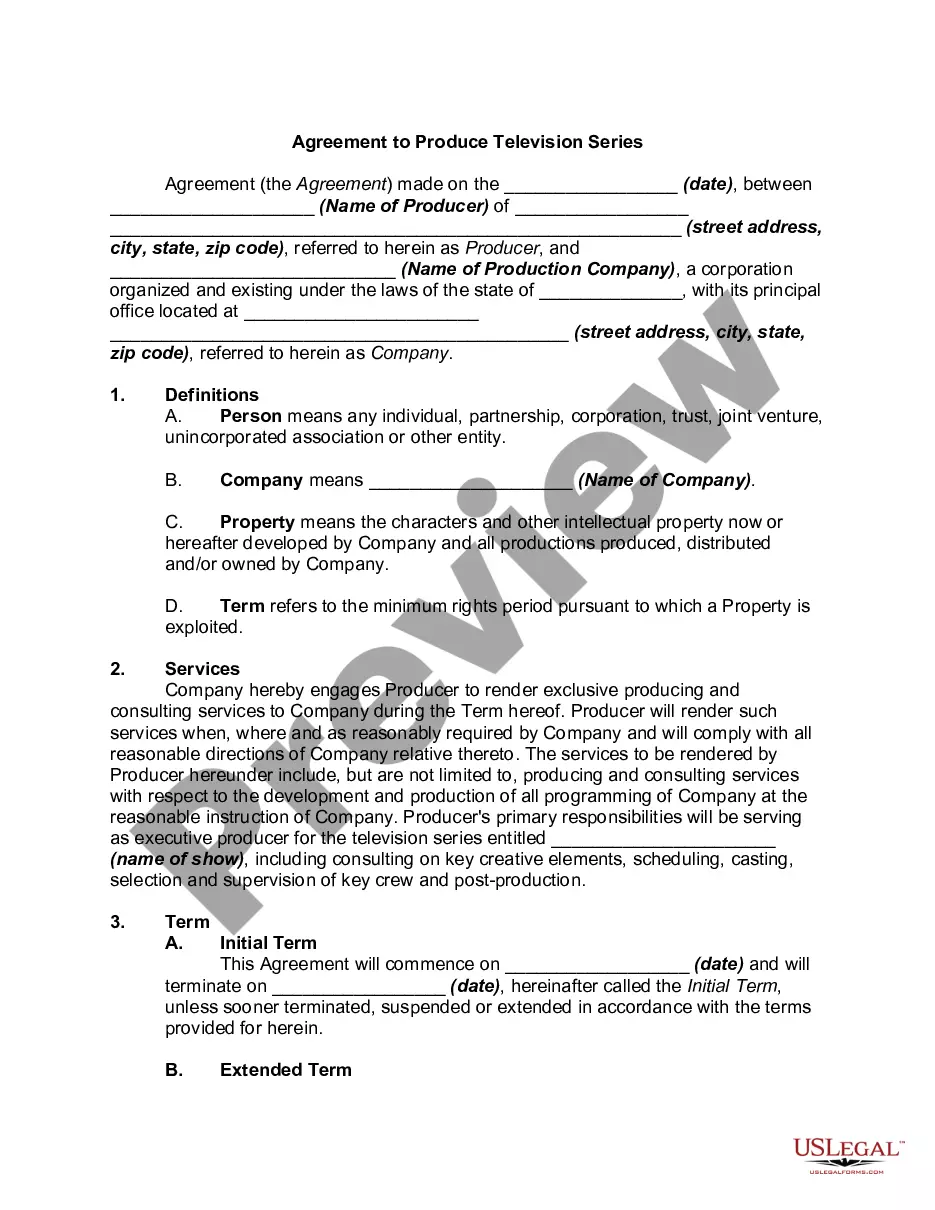
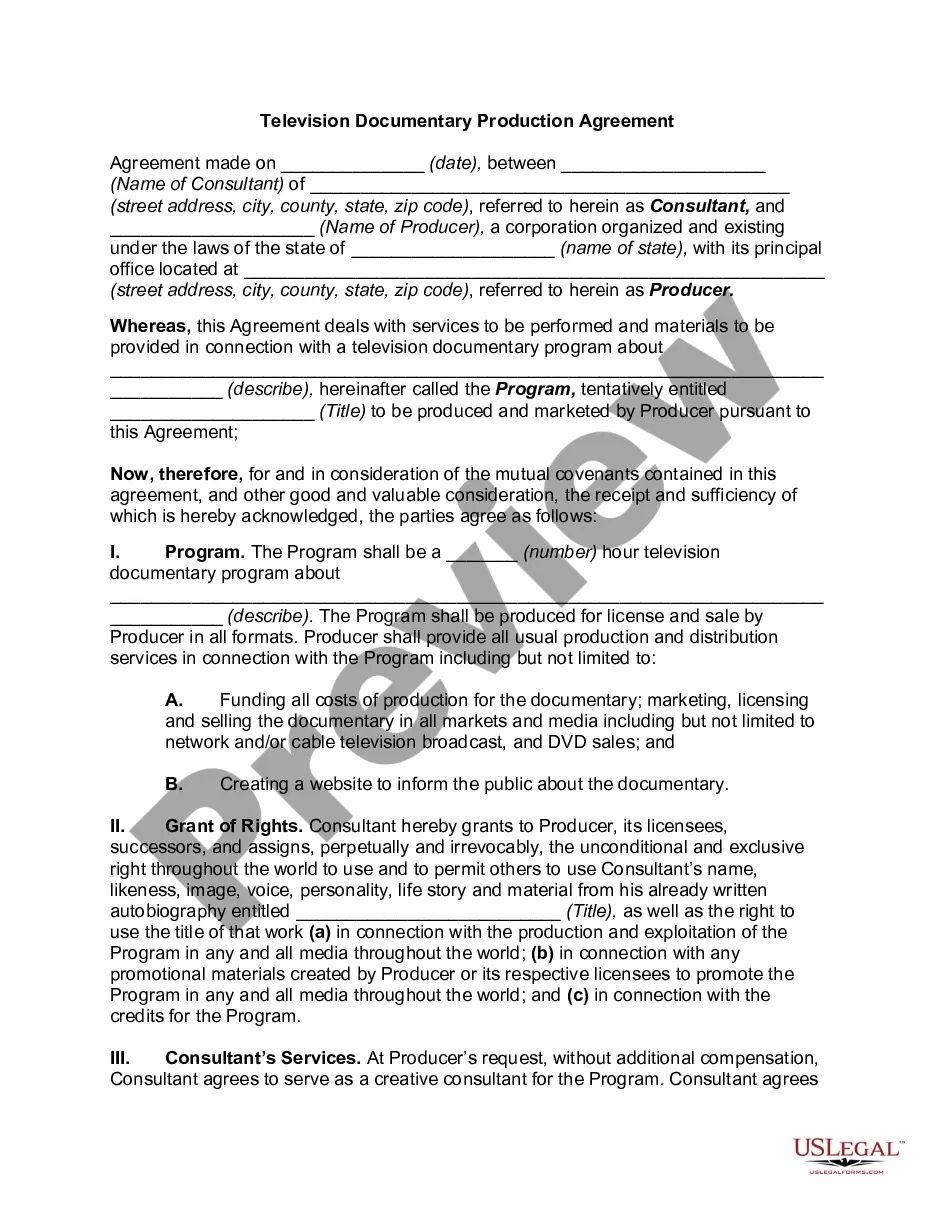
Get your form ready online
Our built-in tools help you complete, sign, share, and store your documents in one place.
Make edits, fill in missing information, and update formatting in US Legal Forms—just like you would in MS Word.
Download a copy, print it, send it by email, or mail it via USPS—whatever works best for your next step.
Sign and collect signatures with our SignNow integration. Send to multiple recipients, set reminders, and more. Go Premium to unlock E-Sign.
If this form requires notarization, complete it online through a secure video call—no need to meet a notary in person or wait for an appointment.
We protect your documents and personal data by following strict security and privacy standards.

Make edits, fill in missing information, and update formatting in US Legal Forms—just like you would in MS Word.

Download a copy, print it, send it by email, or mail it via USPS—whatever works best for your next step.

Sign and collect signatures with our SignNow integration. Send to multiple recipients, set reminders, and more. Go Premium to unlock E-Sign.

If this form requires notarization, complete it online through a secure video call—no need to meet a notary in person or wait for an appointment.

We protect your documents and personal data by following strict security and privacy standards.
Looking for another form?






Form popularity
FAQ
It's a business agreement where one company pays another to provide the necessary components to assemble finished goods, or even manufacture the product in its entirety. Contact manufacturers are third-party providers, and most only work as subcontractors or sell their products to other businesses.
Contract manufacturing allows businesses to outsource production to third-party manufacturers, helping them reduce costs, improve efficiency and focus on core competencies.
If you're asking whether you need a lawyer to draft a contract, legally, the answer is no. Anyone can draft a contract on their own and as long as the elements above are included and both parties are legally competent and consent to the agreement, it is generally lawful.
How to write a contract agreement in 7 steps. Determine the type of contract required. Confirm the necessary parties. Choose someone to draft the contract. Write the contract with the proper formatting. Review the written contract with a lawyer. Send the contract agreement for review or revisions.
Manufacturing contracts are the backbone of any successful partnership between businesses and manufacturers. These legally binding agreements define the scope of work, establish clear expectations, and mitigate risks associated with production.
While contract manufacturing offers many benefits, there are also some risks associated with it. One of the most significant risks is the risk of intellectual property theft. By outsourcing production to a third-party manufacturer, the company is essentially handing over control of its intellectual property.
Write the contract in six steps Start with a contract template. Open with the basic information. Describe in detail what you have agreed to. Describe how the contract will end. Say which laws apply and how disputes will be resolved. Include space for signatures.
To write a simple contract, title it clearly, identify all parties and specify terms (services or payments). Include an offer, acceptance, consideration, and intent. Add a signature and date for enforceability. Written contracts reduce disputes and offer better legal security than verbal ones.
Your manufacturing contract should include: intellectual property (since the contract manufacturer(s) will be producing your proprietary creation). an assessment of manufacturing costs. clearly-written obligations of both parties. liabilities. product quality standards (if a quality control clause is included).
