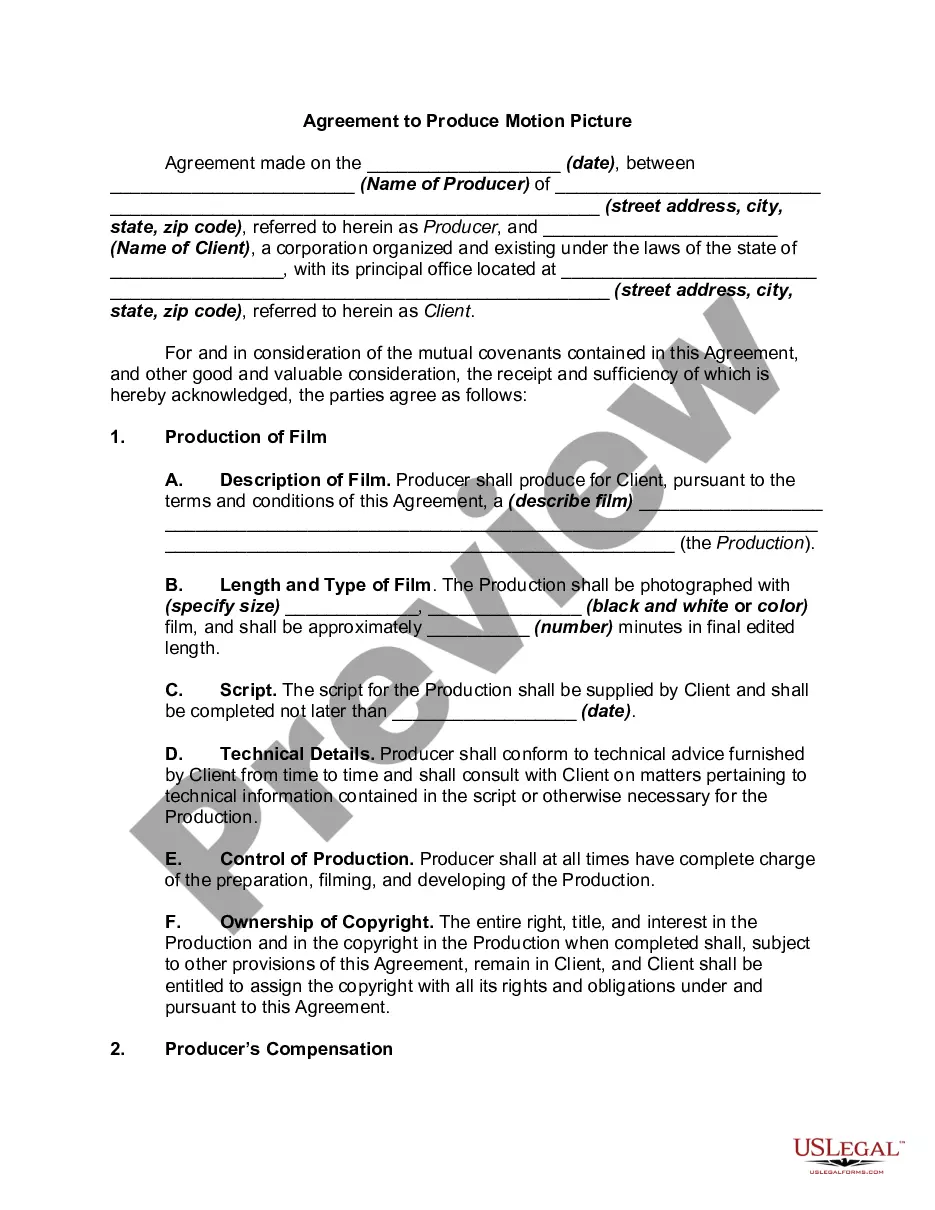
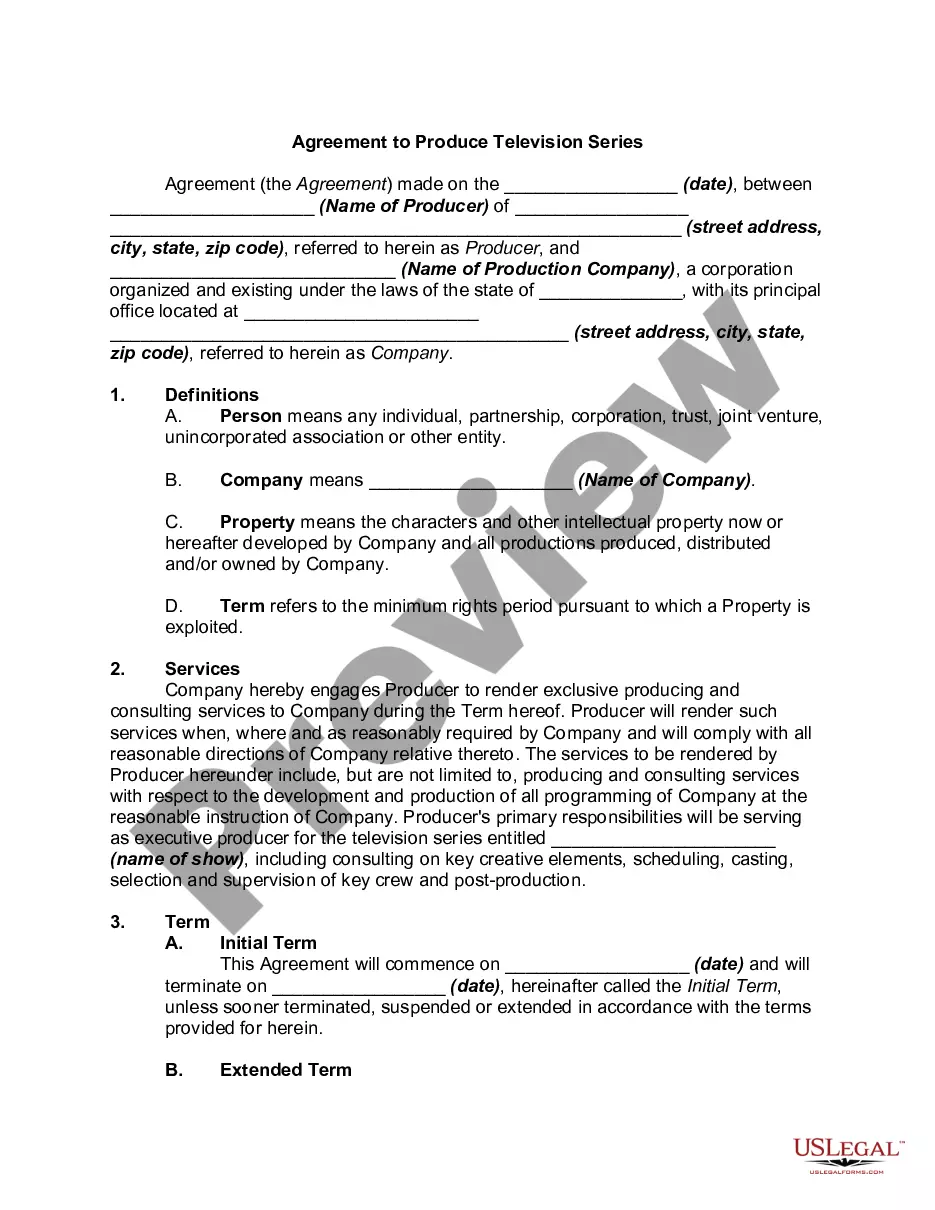
Contract For Film Music In Fulton
Description

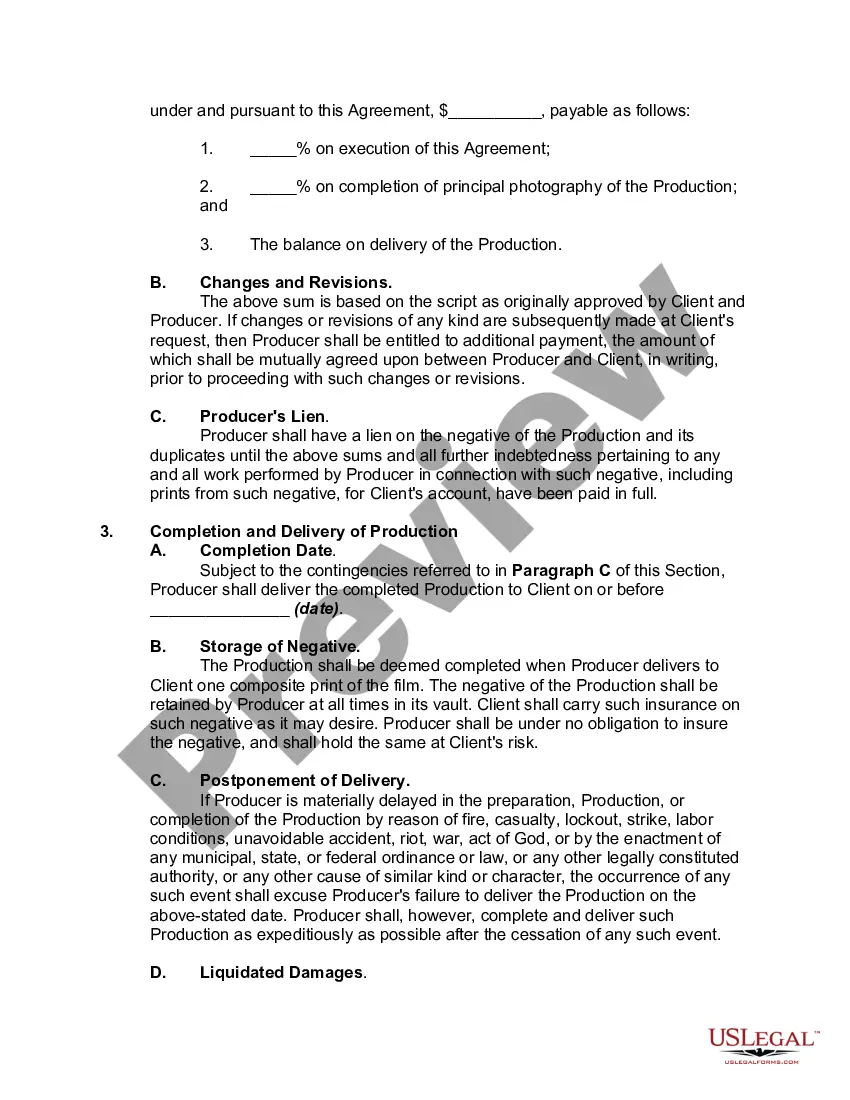
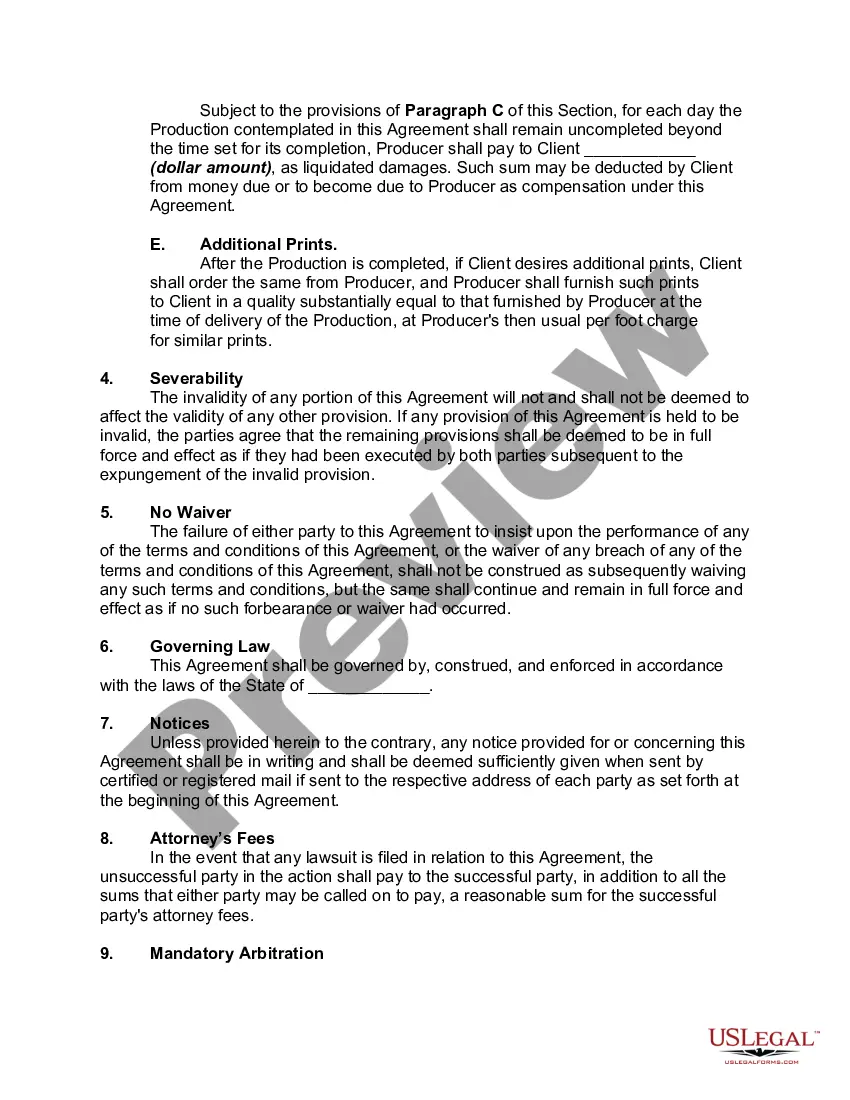
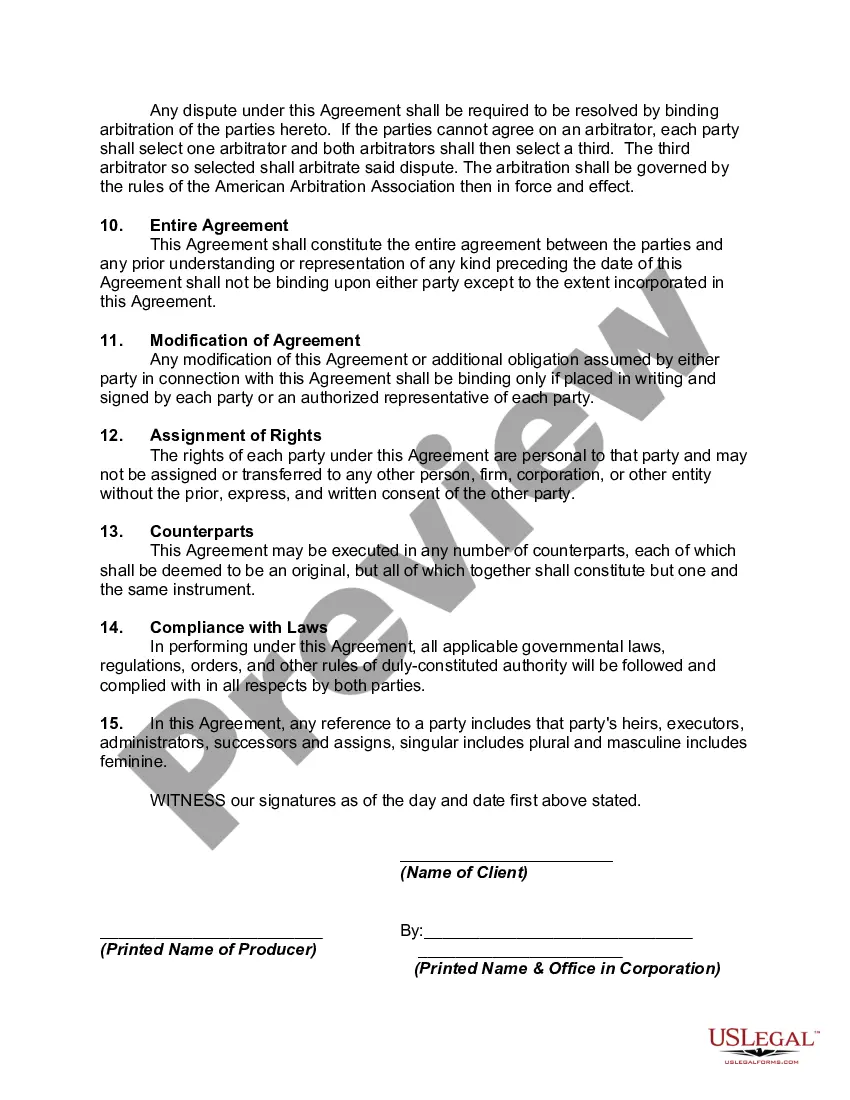
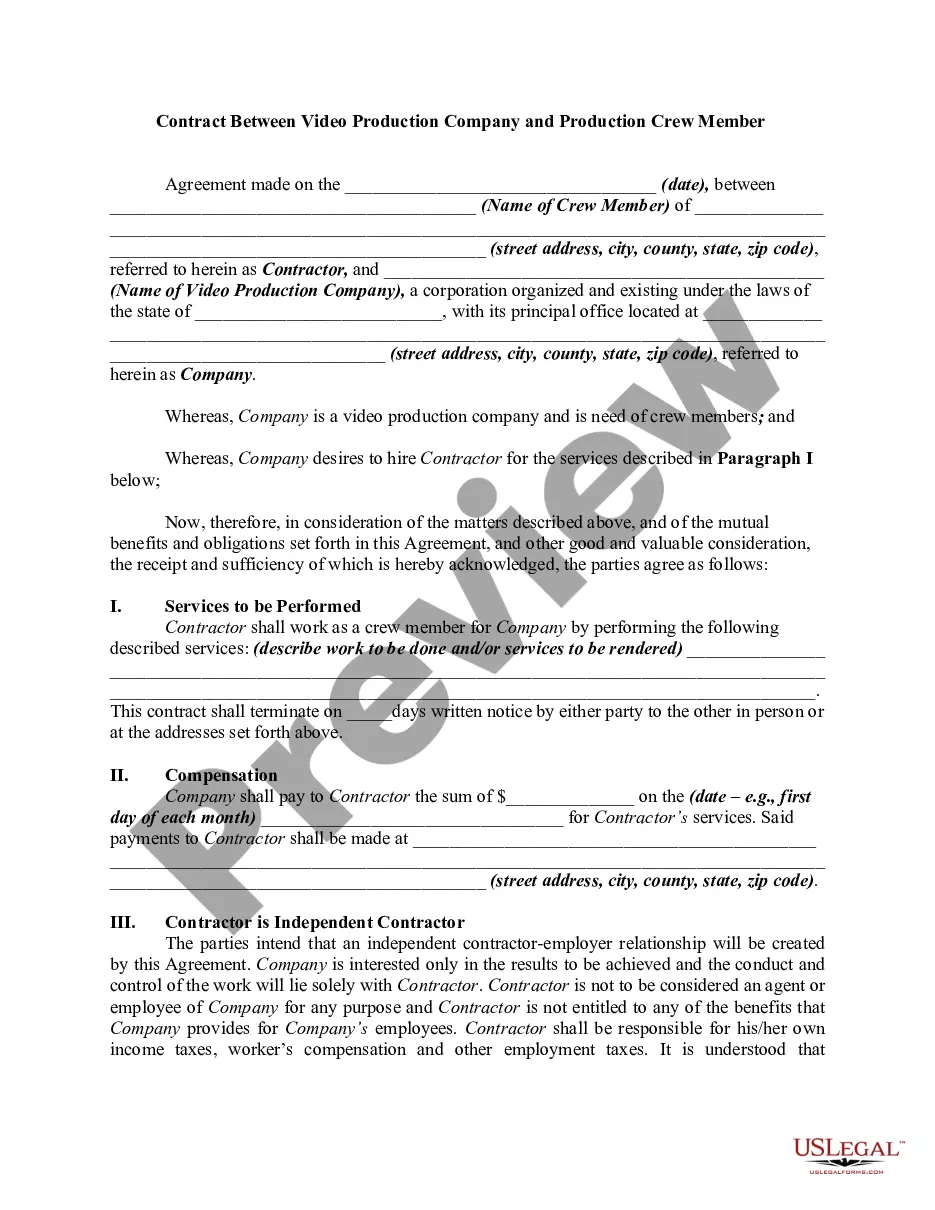
Get your form ready online
Our built-in tools help you complete, sign, share, and store your documents in one place.
Make edits, fill in missing information, and update formatting in US Legal Forms—just like you would in MS Word.
Download a copy, print it, send it by email, or mail it via USPS—whatever works best for your next step.
Sign and collect signatures with our SignNow integration. Send to multiple recipients, set reminders, and more. Go Premium to unlock E-Sign.
If this form requires notarization, complete it online through a secure video call—no need to meet a notary in person or wait for an appointment.
We protect your documents and personal data by following strict security and privacy standards.

Make edits, fill in missing information, and update formatting in US Legal Forms—just like you would in MS Word.

Download a copy, print it, send it by email, or mail it via USPS—whatever works best for your next step.

Sign and collect signatures with our SignNow integration. Send to multiple recipients, set reminders, and more. Go Premium to unlock E-Sign.

If this form requires notarization, complete it online through a secure video call—no need to meet a notary in person or wait for an appointment.

We protect your documents and personal data by following strict security and privacy standards.
Looking for another form?




Form popularity
FAQ
A music release form is an agreement that permits a filmmaker or a media house to use an artist's music for a film or other production. This online form can serve as a legal basis for both parties, underlining their rights and obligations.
Signed Artists. In the modern music industry, it's getting easier to release your music and build a music career without the backing of a record label. There are more independent artists than ever before breaking into the mainstream without the support of a label.
The most important thing to know is that there are two rights to every song. There is the person who wrote the song (who holds the publisher rights, aka “sync” rights) and the person who recorded it (who holds the “master” rights). To use this piece of music you need permission from both entities.
Formal Education: Consider enrolling in a music composition program, film scoring course, or music production degree at a university or conservatory. Online Courses: Platforms like Coursera, Berklee Online, or MasterClass offer courses in film scoring and music production.
Out of all of the types of music contracts, co-publishing (co-pub) agreements are the most frequently used. Under this agreement, the music publishing company and the artist are partners, and both parties co-own the copyrights to the music. Terms can vary widely, but a 50/50 split is common.
Direct Sales: Create your own website or use platforms like Bandcamp to sell your music directly to filmmakers. Sync Licensing: Reach out to filmmakers and content creators directly or use platforms that connect musicians with filmmakers. Demos: Create a demo reel showcasing your best work.
