Film Contract Template For Freelancers In Franklin
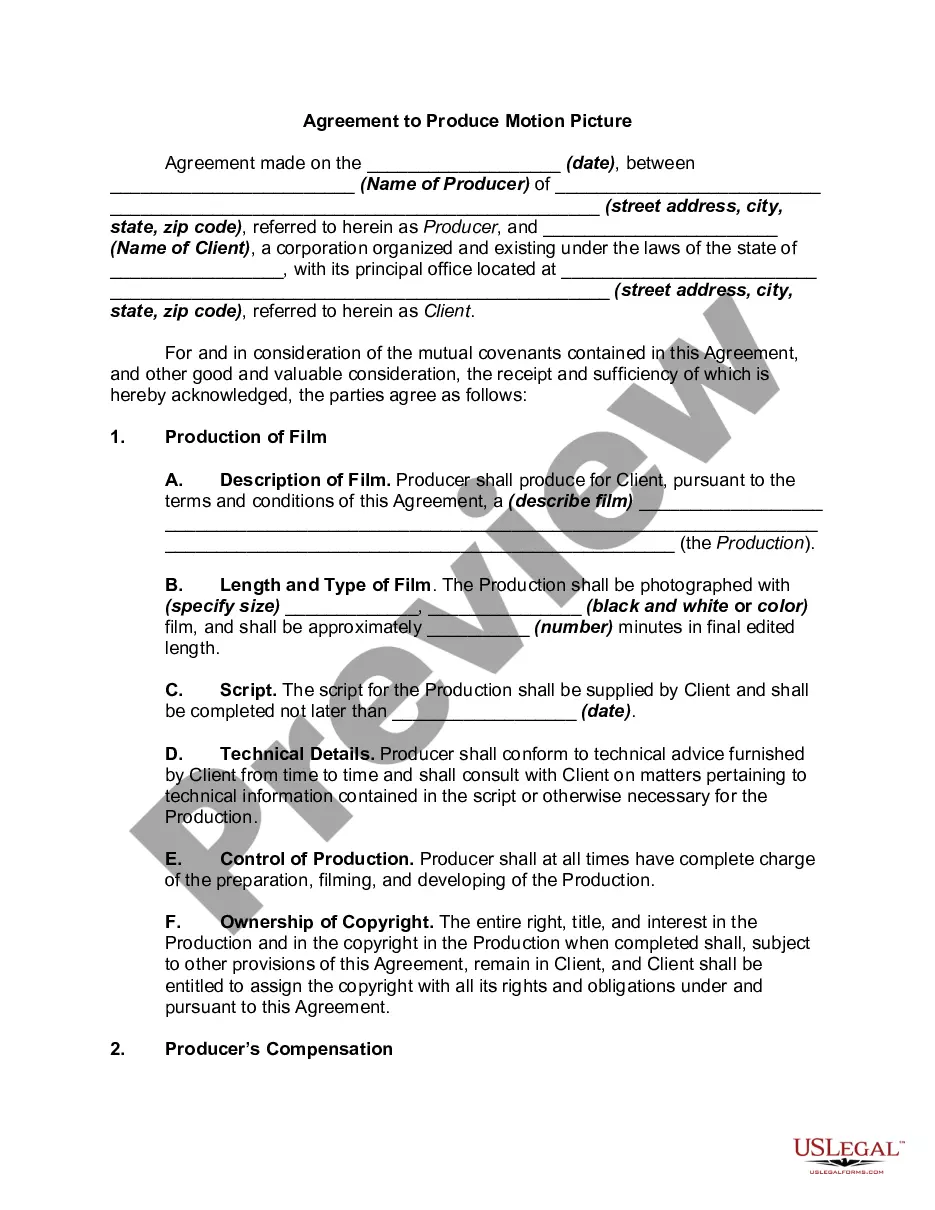
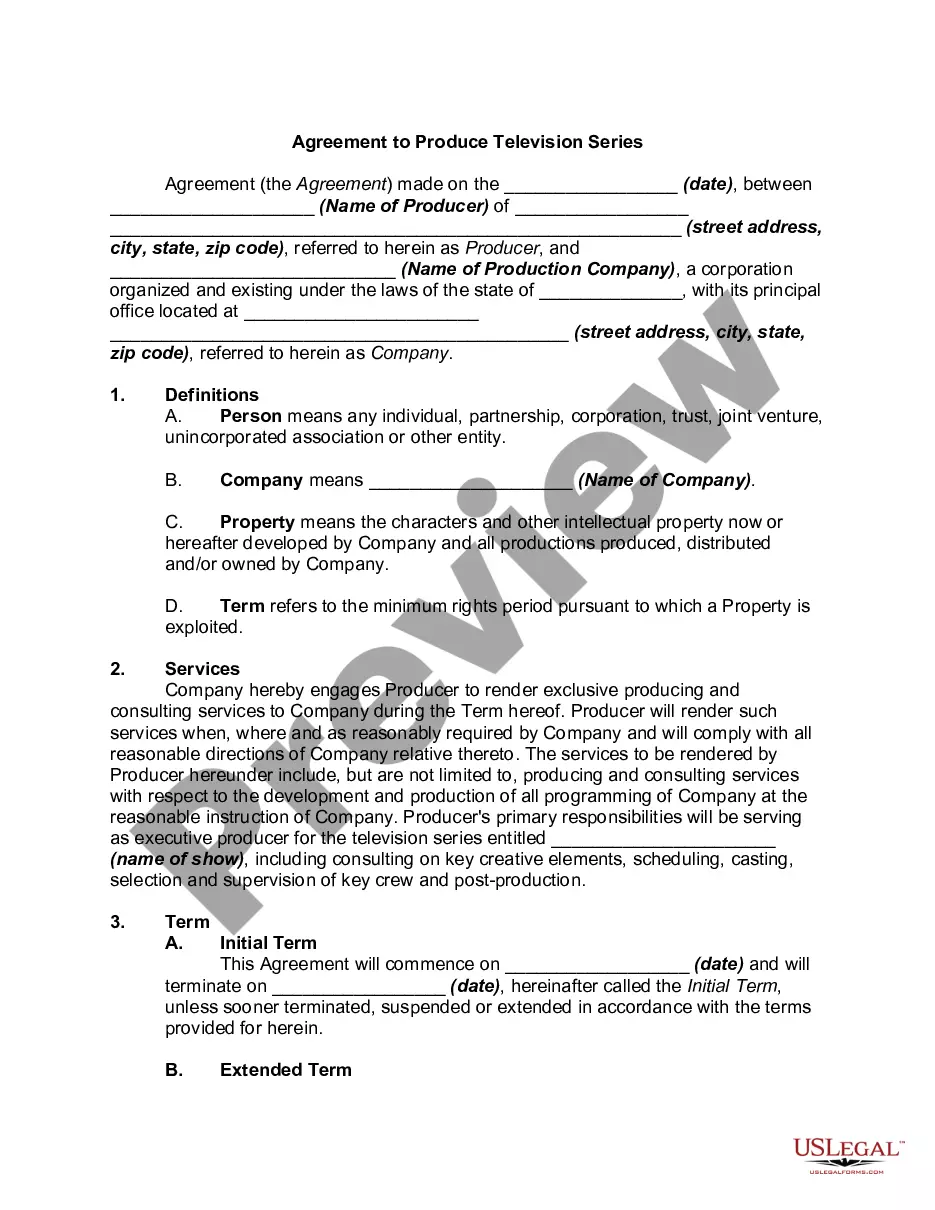
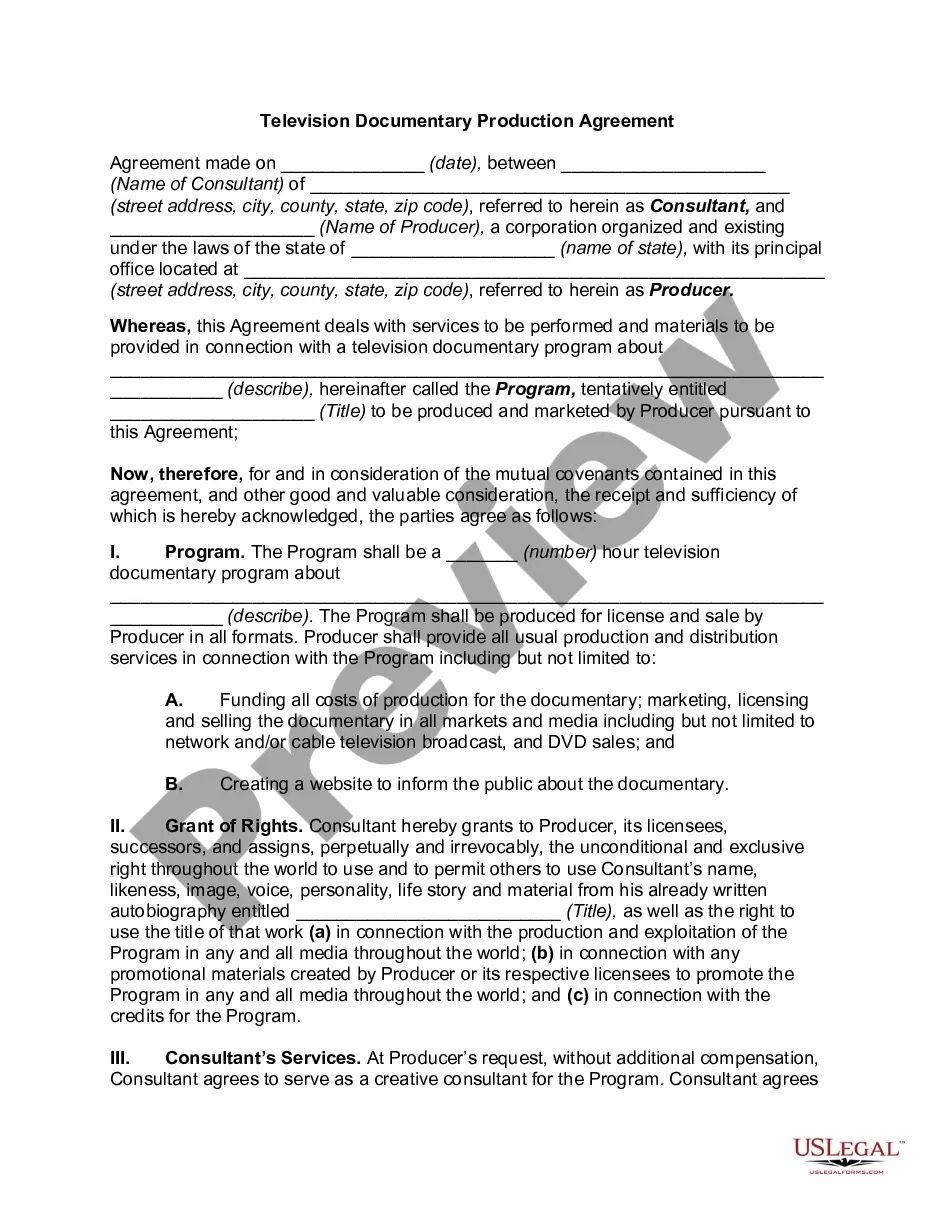
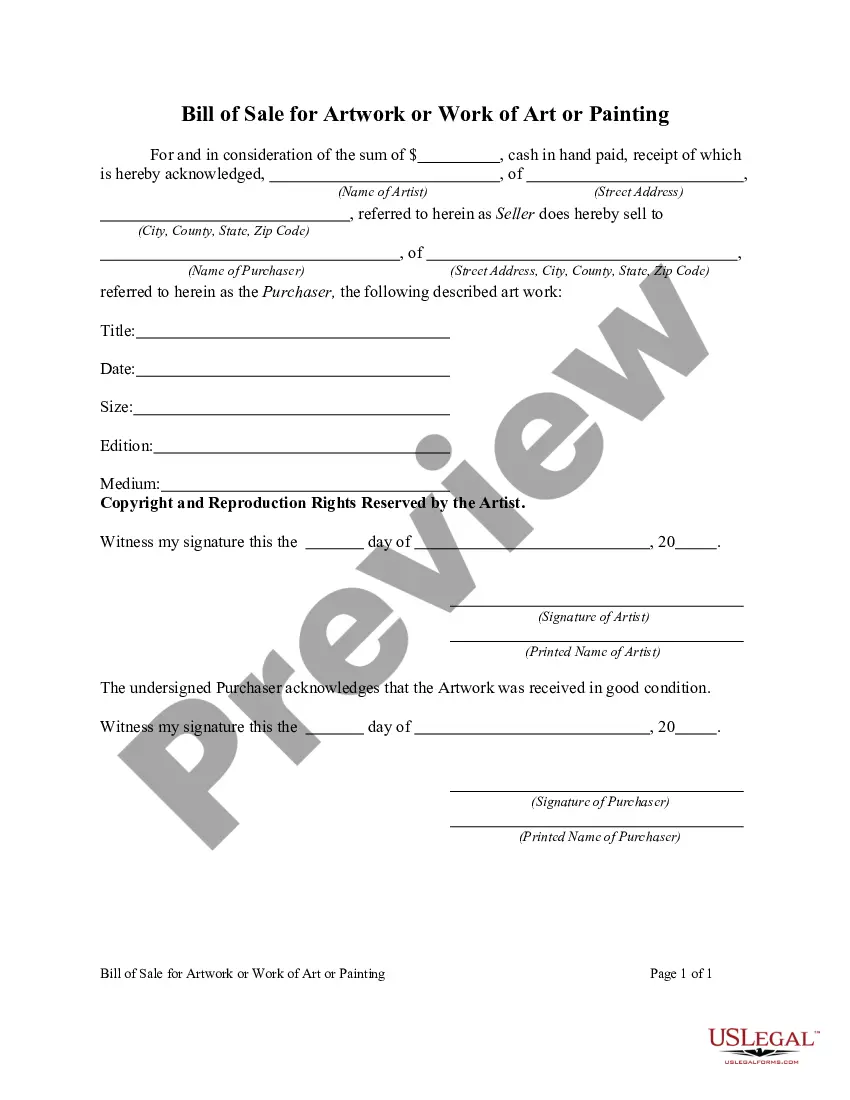
Description

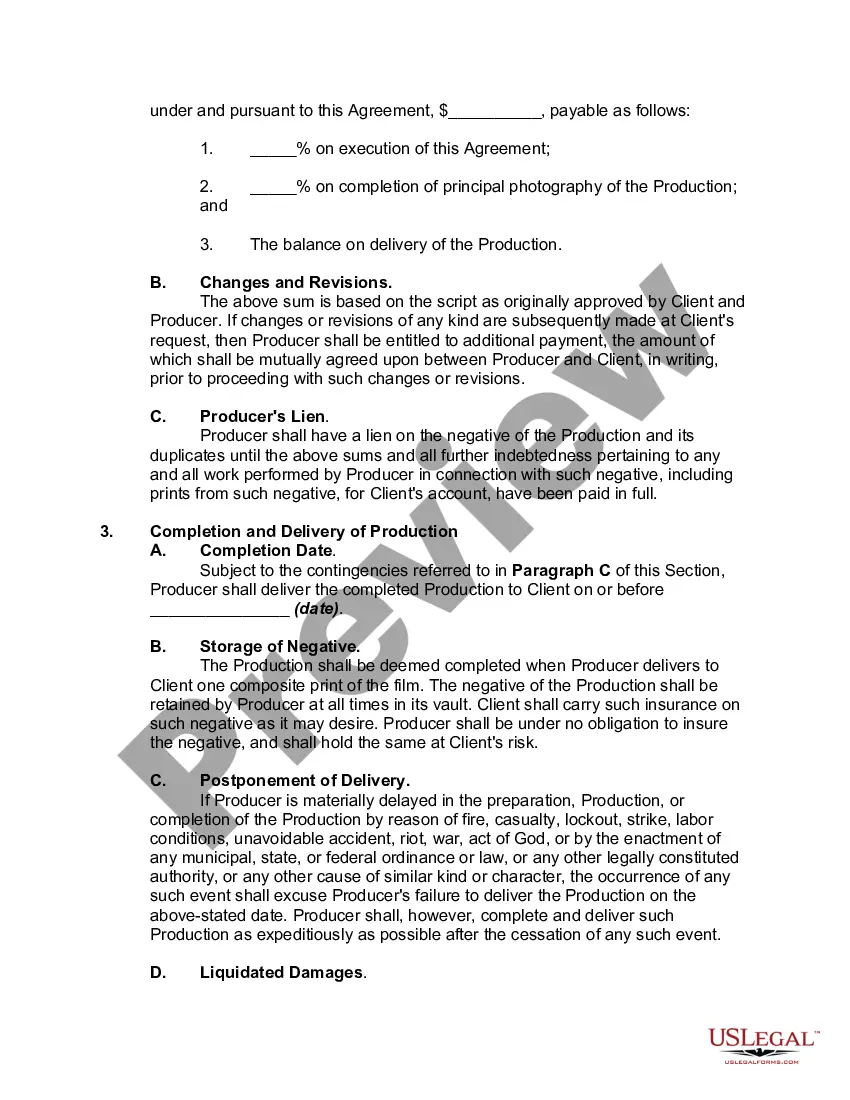
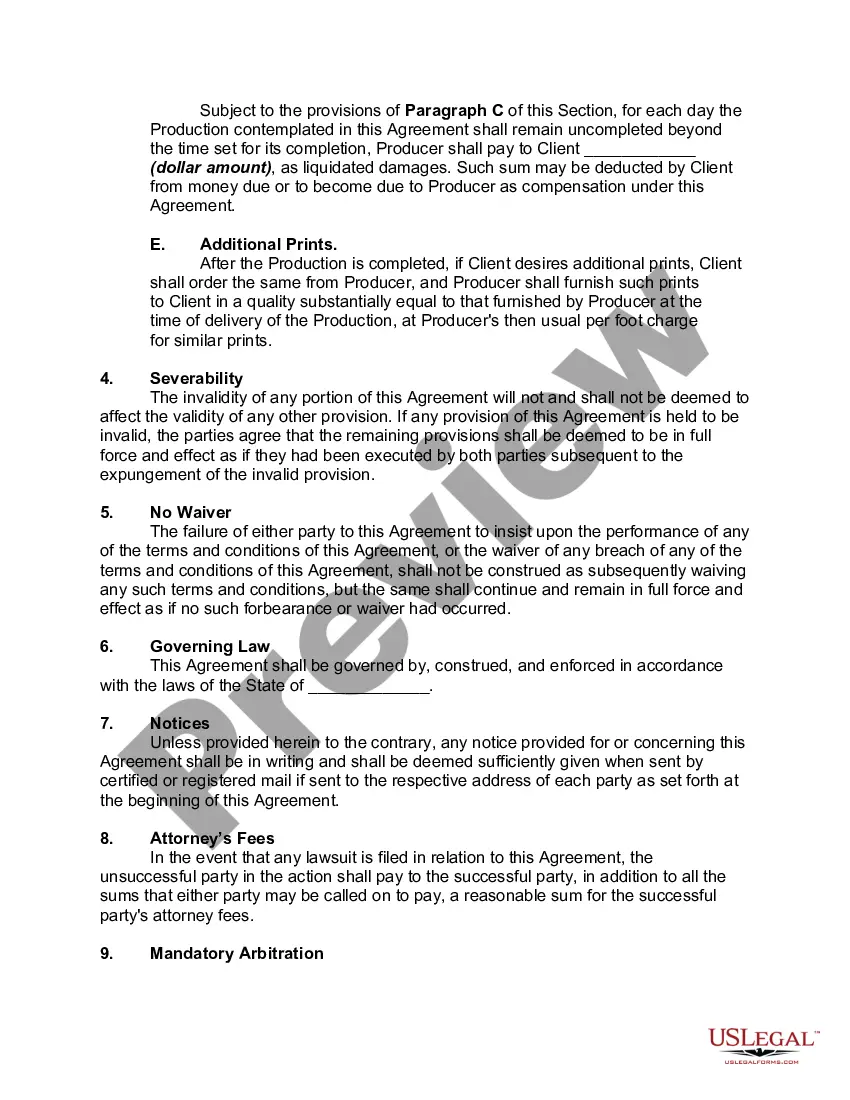
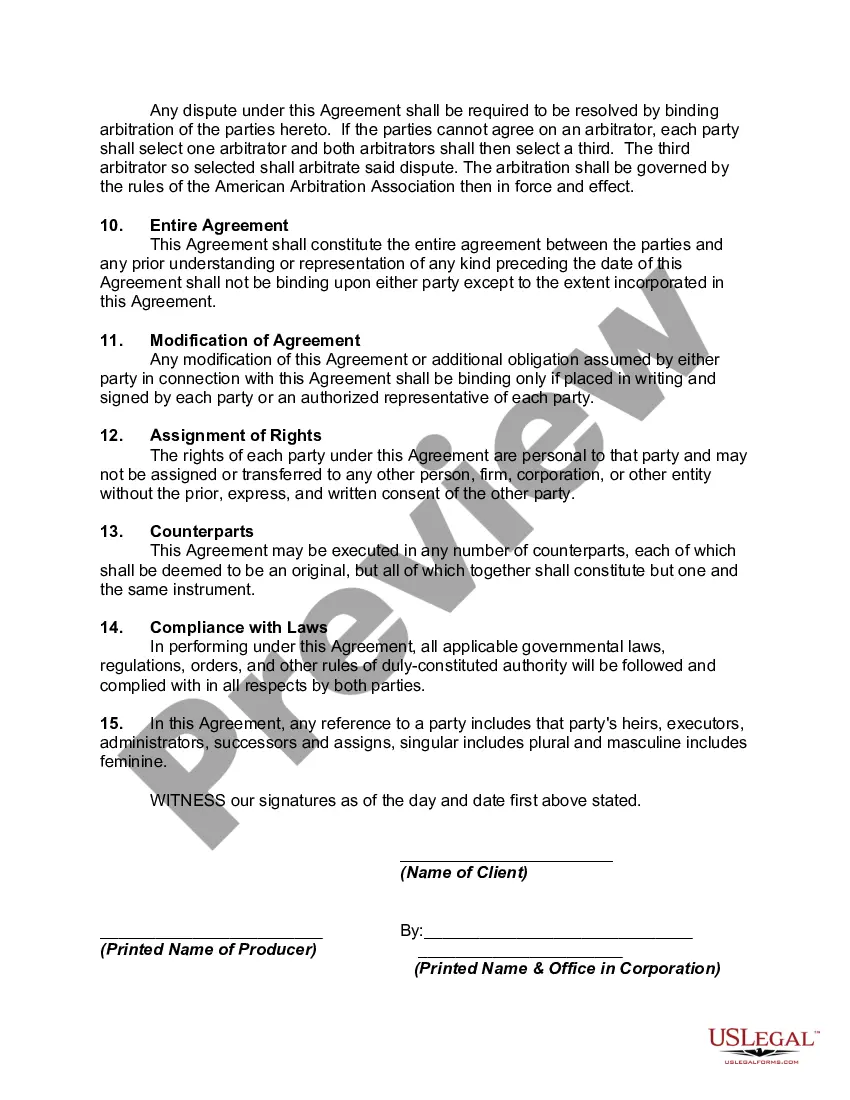
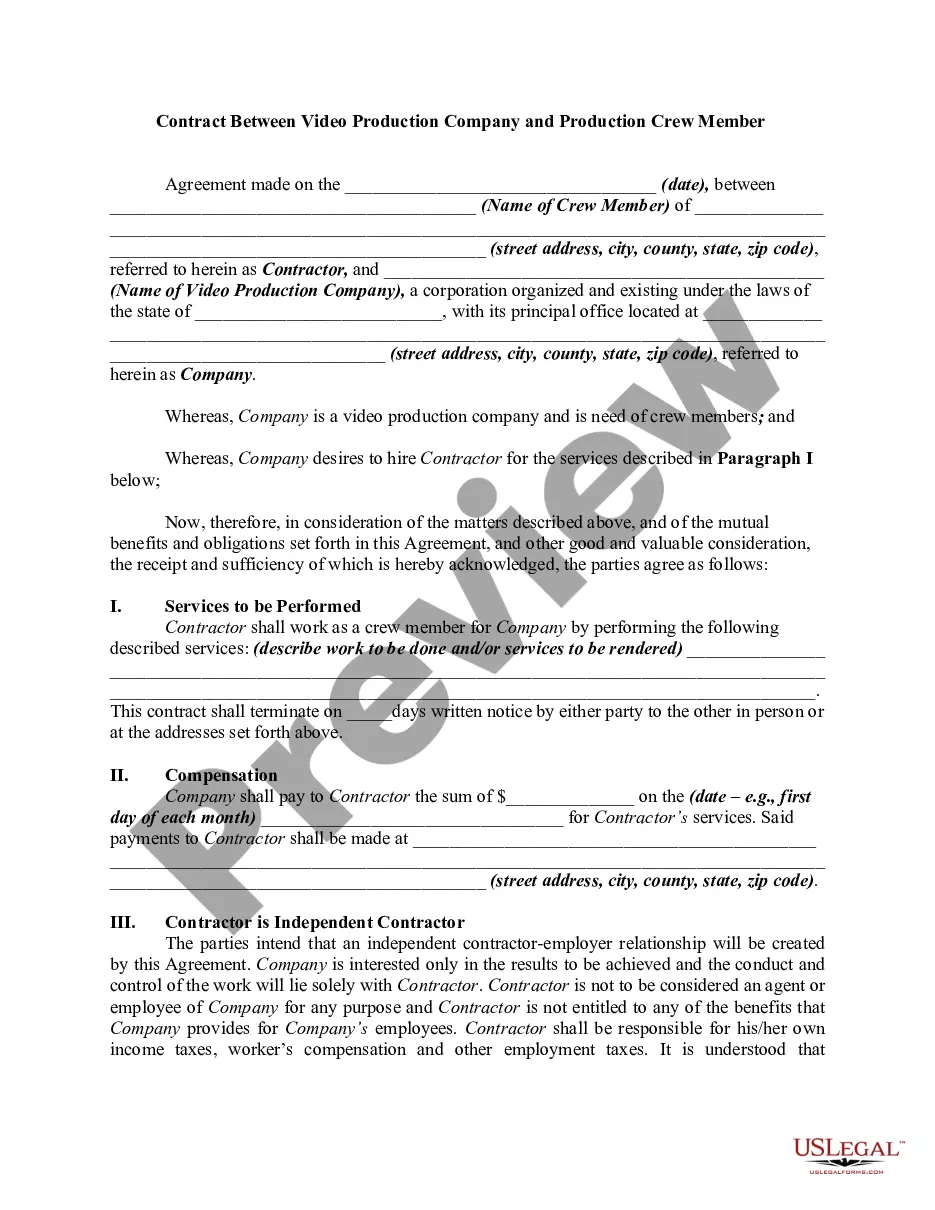
Get your form ready online
Our built-in tools help you complete, sign, share, and store your documents in one place.
Make edits, fill in missing information, and update formatting in US Legal Forms—just like you would in MS Word.
Download a copy, print it, send it by email, or mail it via USPS—whatever works best for your next step.
Sign and collect signatures with our SignNow integration. Send to multiple recipients, set reminders, and more. Go Premium to unlock E-Sign.
If this form requires notarization, complete it online through a secure video call—no need to meet a notary in person or wait for an appointment.
We protect your documents and personal data by following strict security and privacy standards.

Make edits, fill in missing information, and update formatting in US Legal Forms—just like you would in MS Word.

Download a copy, print it, send it by email, or mail it via USPS—whatever works best for your next step.

Sign and collect signatures with our SignNow integration. Send to multiple recipients, set reminders, and more. Go Premium to unlock E-Sign.

If this form requires notarization, complete it online through a secure video call—no need to meet a notary in person or wait for an appointment.

We protect your documents and personal data by following strict security and privacy standards.
Looking for another form?


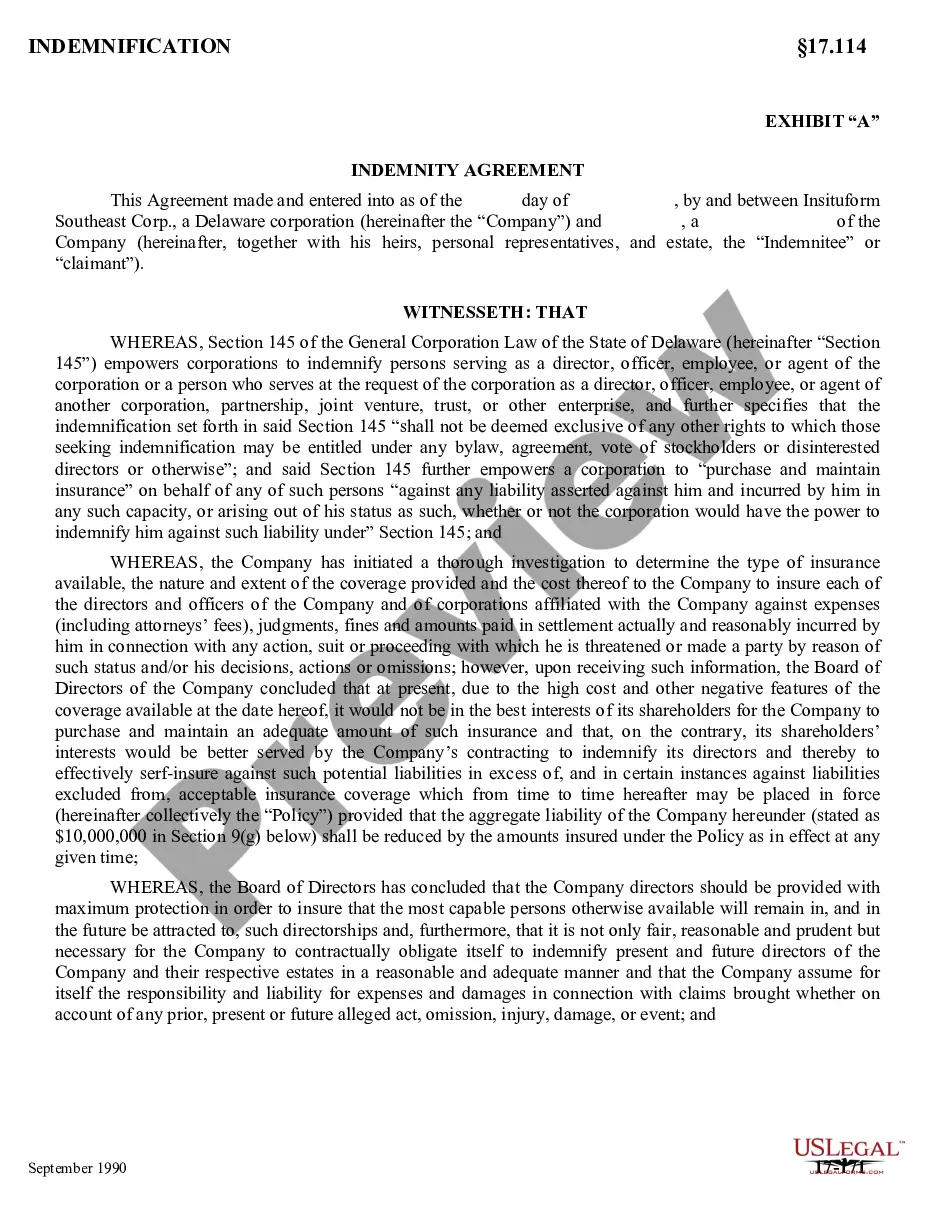


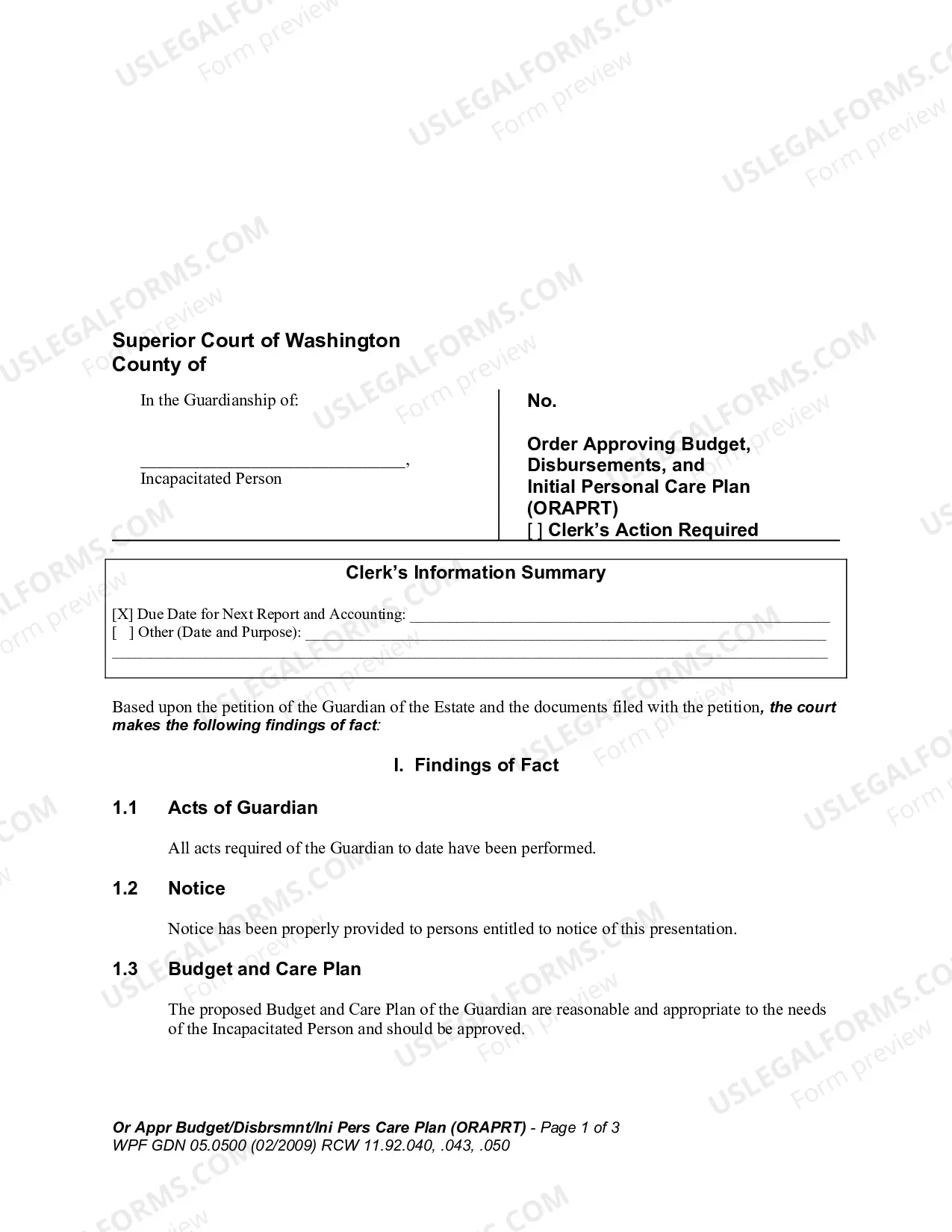
Form popularity
FAQ
Using a freelance writing contract protects you from scope creep because the contract clearly defines what work you will do for the client.
In order to have a legal contract, both parties must agree to it. This is most commonly and easily demonstrated by having both parties sign the contract. So, make sure that both you and the client sign the document before starting your next project.
Freelancers usually decide whether they'll operate with or without a freelance contract. Some trust a written email or verbal agreement before doing the work. Others receive documents from a client and review the details before signing. Many people work for themselves instead of a company these days.
But just because a client sends you a contract doesn't mean you have to sign it. Freelancers can create their own contracts, and there are several reasons that you might want to consider creating your own.
Templates allow you to save and reuse repeatable information for every contract or form, and simply put a “placeholder” for the recipient.
There are three basic types of freelance contracts that you can consider: the buyout, work for hire and rights managed. When you're creating intellectual property, copyright is involved. Copyright and usage rights must be transferred in writing. So you need a contract of some sort in order to transfer any rights.
In addition to the standard work contract, you may also want the freelancers you hire to sign additional legal documents, such as: Non-disclosure agreement: Also known as a confidentiality agreement, this is a legally binding contract that establishes a confidential relationship between your company and the freelancer.
What should be included in a freelance contract? The names of the two parties — The names and contact details of the two parties agreeing the contract. Scope of the project — Establish clear guidelines around the scope of the project, so that both parties have agreed on a set ending point for the project.
1) Scope of work Establishing a project scope within the contract is crucial to setting the work expectations during the project. Effective freelance contracts list what you're going to do for the client and when. The more detailed and specific you can be in listing the activities covered in the contract, the better.
What should be included in a freelance contract? The names of the two parties — The names and contact details of the two parties agreeing the contract. Scope of the project — Establish clear guidelines around the scope of the project, so that both parties have agreed on a set ending point for the project.
