Movie Agreement Contract With Security Agency In Clark
Description

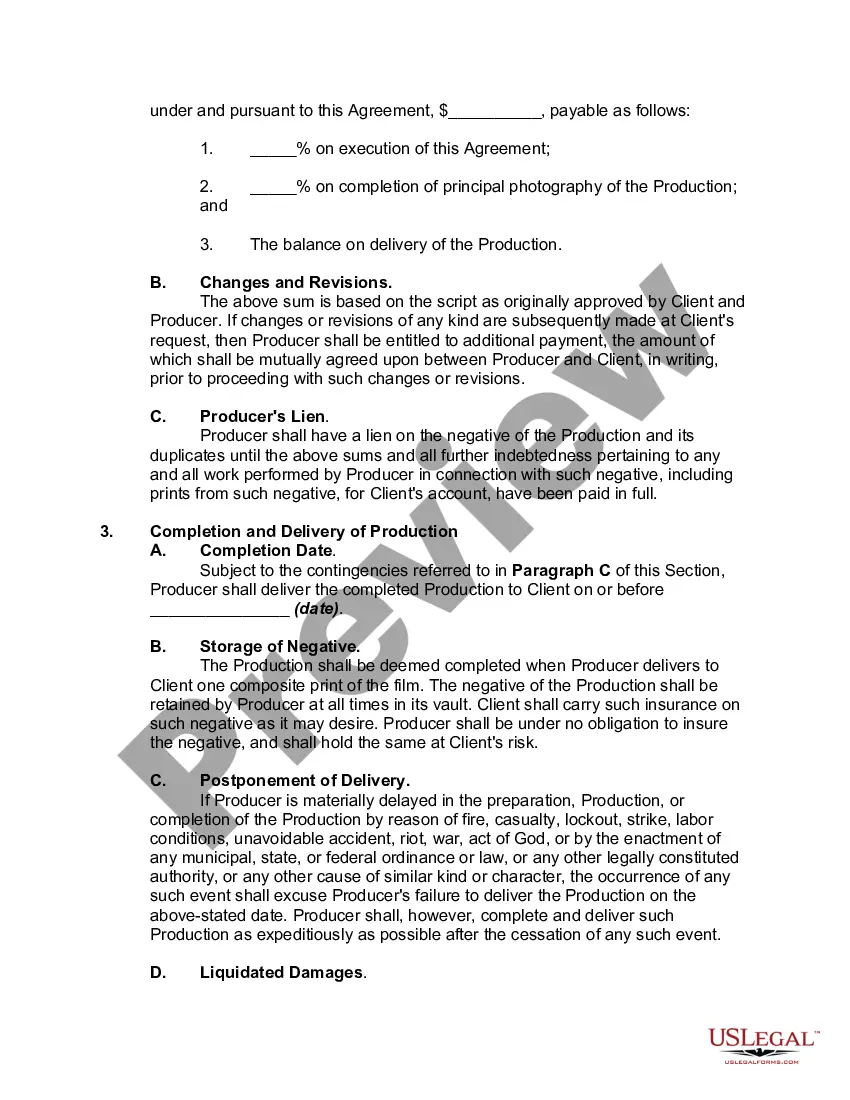
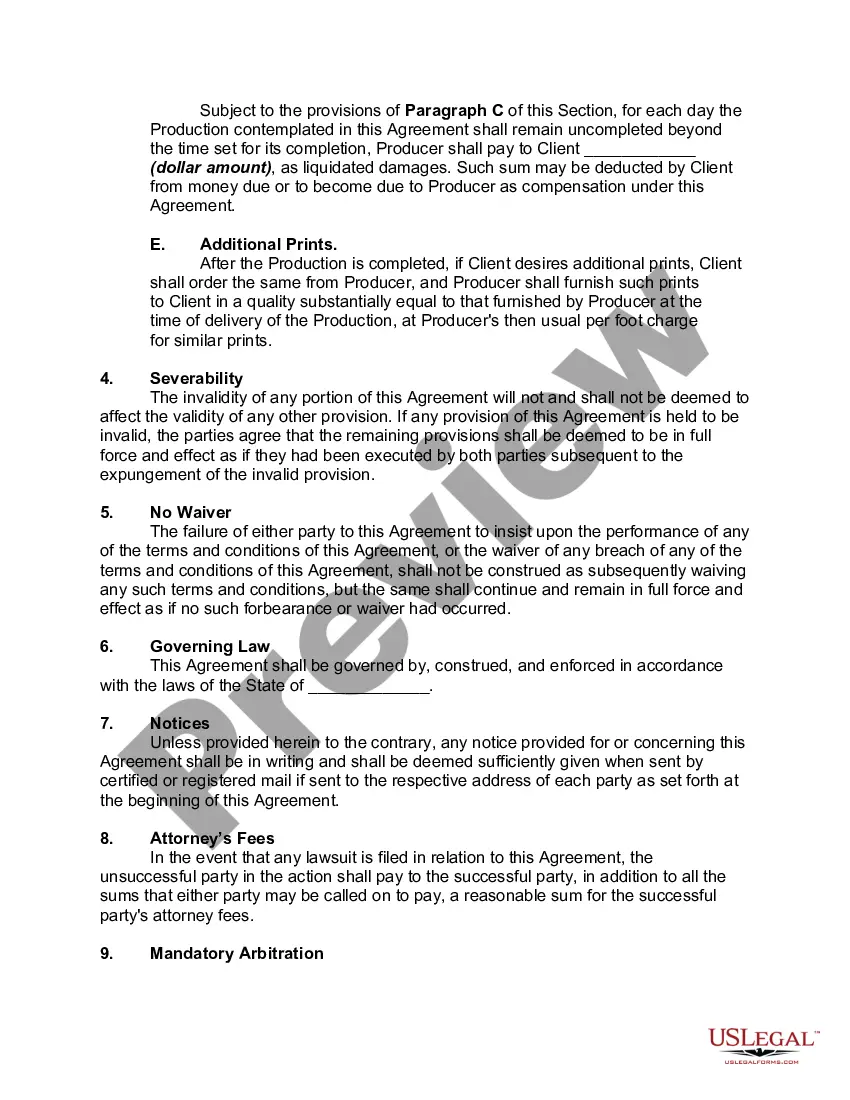
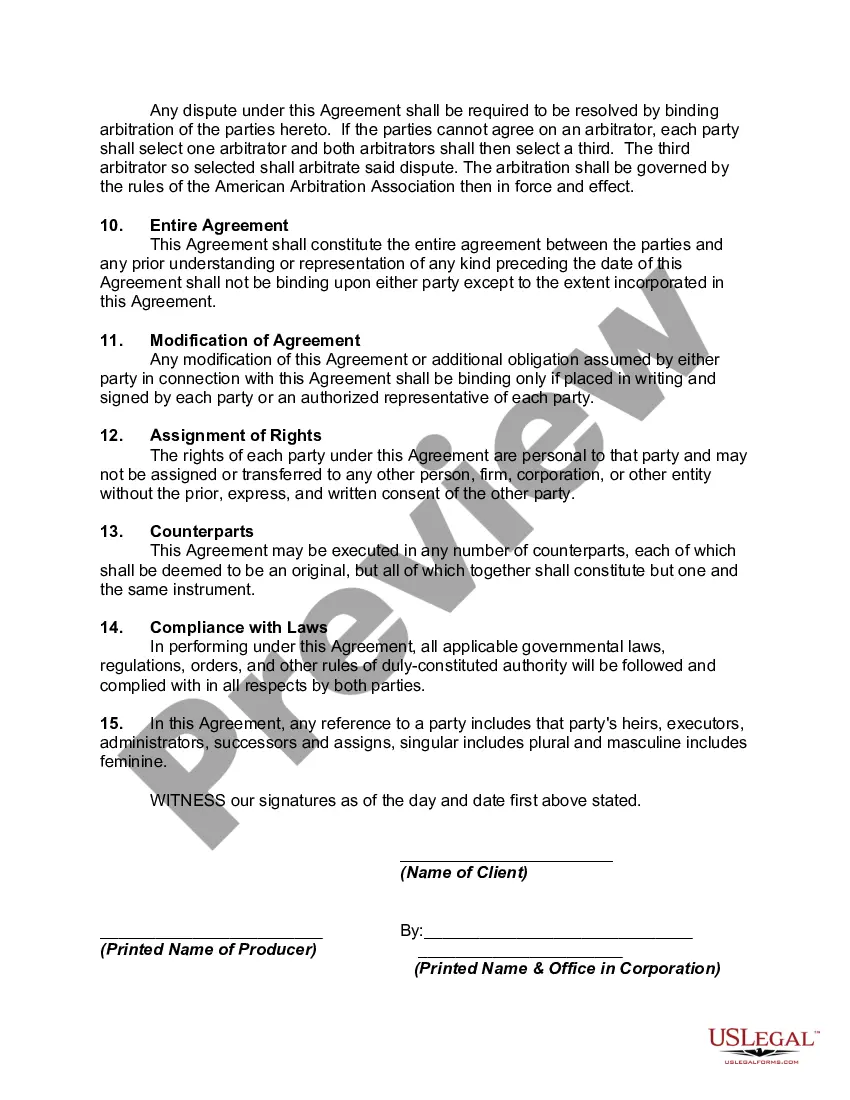
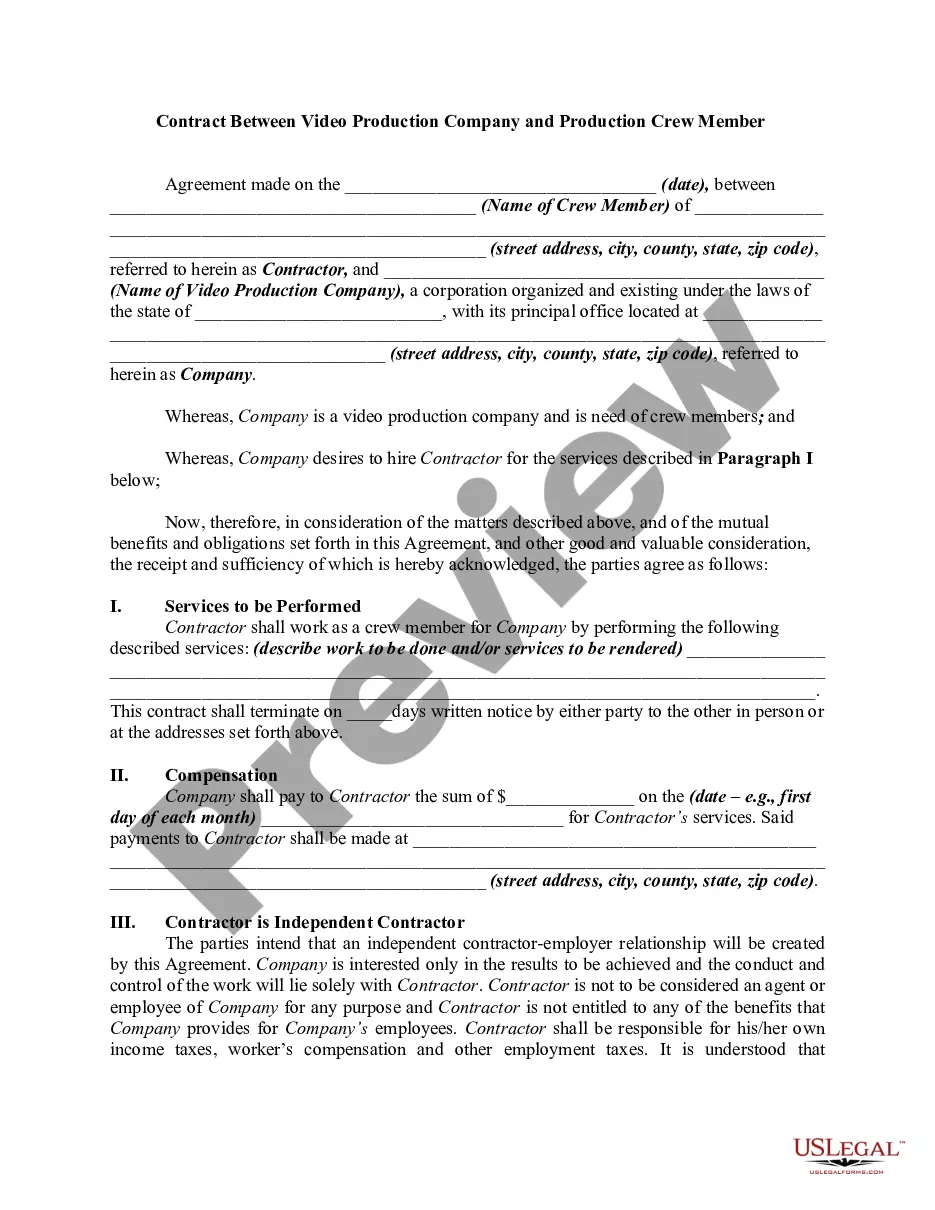
Get your form ready online
Our built-in tools help you complete, sign, share, and store your documents in one place.
Make edits, fill in missing information, and update formatting in US Legal Forms—just like you would in MS Word.
Download a copy, print it, send it by email, or mail it via USPS—whatever works best for your next step.
Sign and collect signatures with our SignNow integration. Send to multiple recipients, set reminders, and more. Go Premium to unlock E-Sign.
If this form requires notarization, complete it online through a secure video call—no need to meet a notary in person or wait for an appointment.
We protect your documents and personal data by following strict security and privacy standards.

Make edits, fill in missing information, and update formatting in US Legal Forms—just like you would in MS Word.

Download a copy, print it, send it by email, or mail it via USPS—whatever works best for your next step.

Sign and collect signatures with our SignNow integration. Send to multiple recipients, set reminders, and more. Go Premium to unlock E-Sign.

If this form requires notarization, complete it online through a secure video call—no need to meet a notary in person or wait for an appointment.

We protect your documents and personal data by following strict security and privacy standards.
Looking for another form?










Form popularity
FAQ
Write the contract in six steps Start with a contract template. Open with the basic information. Describe in detail what you have agreed to. Include a description of how the contract will be ended. Write into the contract which laws apply and how disputes will be resolved. Include space for signatures.
Draft the contract using clear and straightforward language. Include clauses such as definitions, services to be provided, liabilities, and data ownership. Clearly state the responsibilities of each party and the timelines for completing tasks. Include provisions for dispute resolution.
If an actor quits a project, they may face professional consequences. This could include damaging their reputation within the industry, losing future job opportunities, and possibly even facing legal ramifications if contractual obligations are not fulfilled.
Contracts and agreements should clearly define the roles and expectations of both actors and their agents. By ensuring both parties are across and in agreement about the scope of representation, responsibilities, and objectives, misunderstandings regarding these can largely be avoided.
Film contracts and agreements protect the rights of your film and are necessary to avoid miscommunication and risk at every stage from pre-production to distribution. Agreements need to be set in place with your production team, cast and crew even from before principal photography begins.
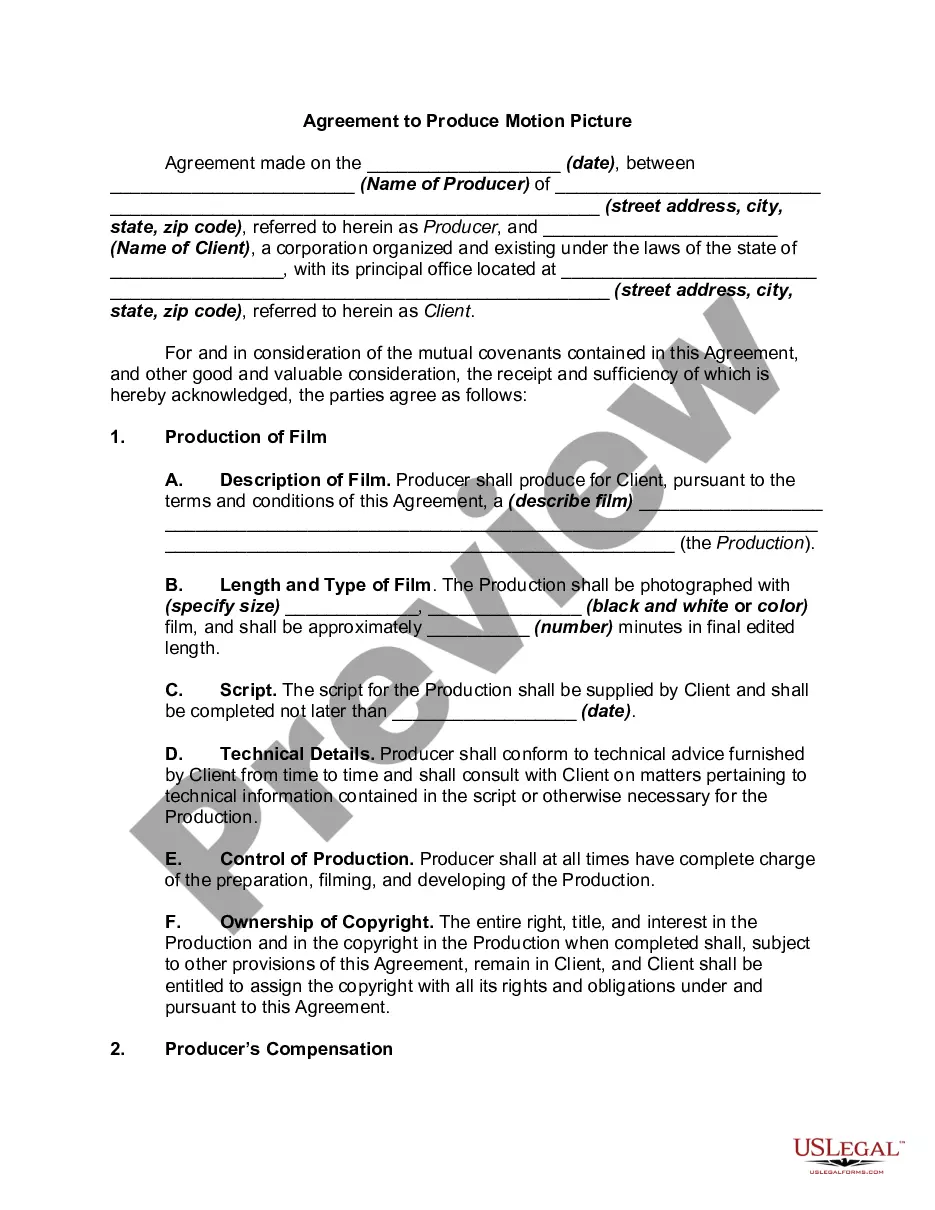
A film production agreement is a contract between an investor or client and a production company. It sets out the basis on which a production company will produce a film and describes the stages of that process. These stages can include development, pre-production, filming, post-production, delivery and distribution.
Most actor contracts are between two and three pages long. The typical term for an actor contract is a certain a number of months after the film or play premieres, although some go on indefinitely. Term lengths can vary greatly! The typical term for an agent or manager contract for actors is about 12 to 18 months.
Enforcing the security agreement You can also file a Unified Commercial Code-1 (UCC-1) statement with your state, which acts as a lien on the property. Check with your state's Secretary of State, or government agency that regulates businesses, to get a UCC-1 form, as each state has its own unique document.
It is common in the entertainment industry for producers to have written agreements with the artists, writers, or directors they work with to ensure that all parties have a clear understanding of their respective obligations and rights.
Contracts in film production secure the rights and obligations of all parties involved, from actors and directors to producers and screenwriters. They cover aspects like compensation, working conditions, and intellectual property rights.
