Form In Film Examples In Clark
Description

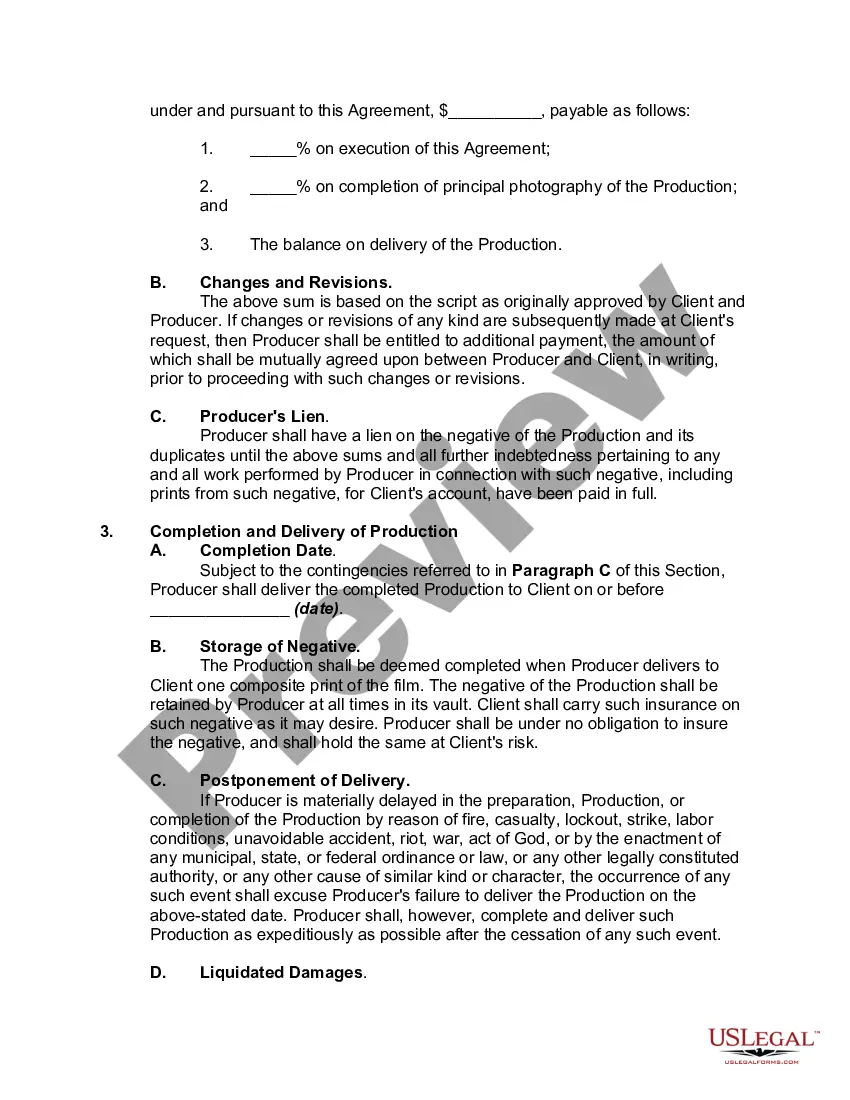
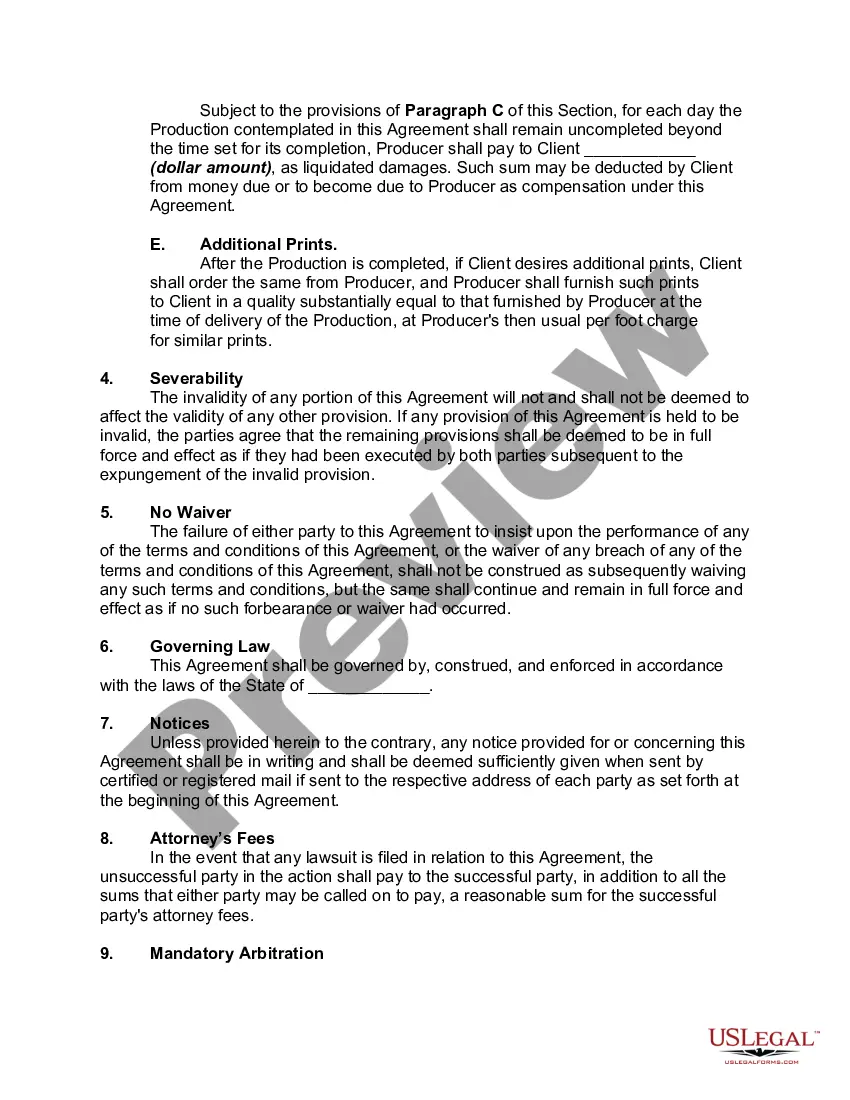
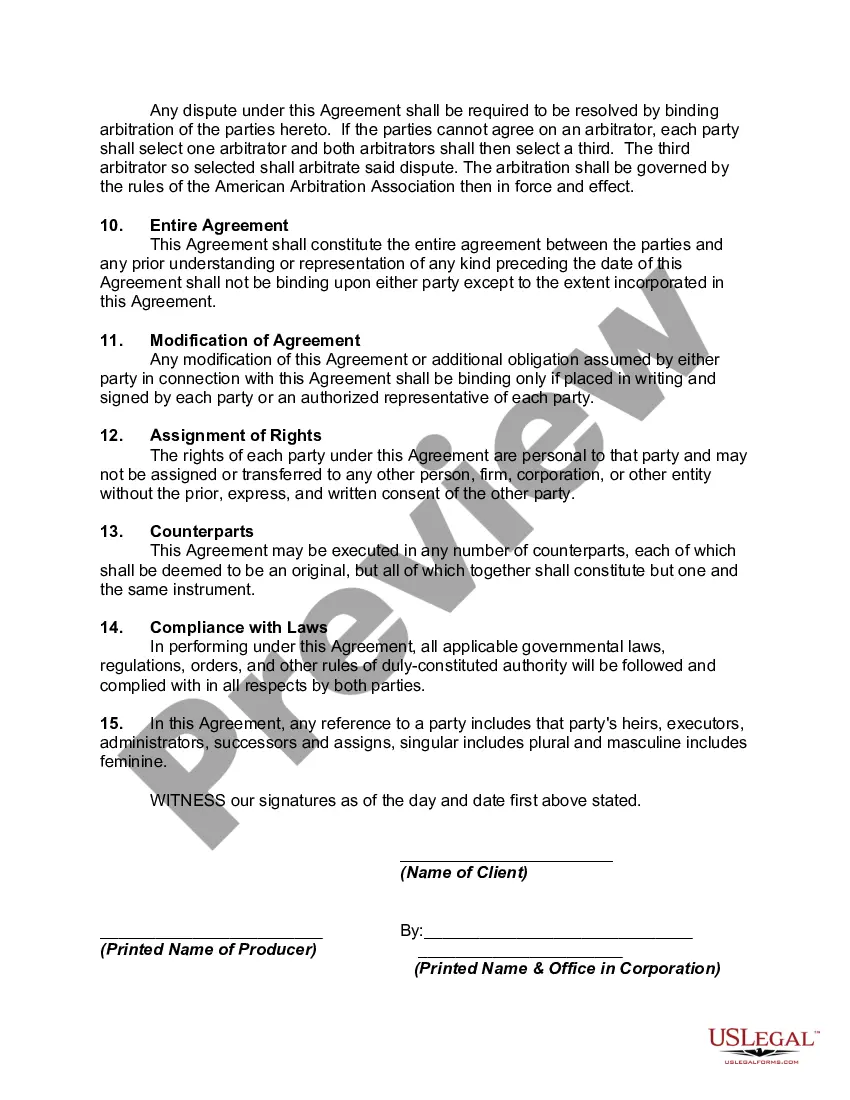
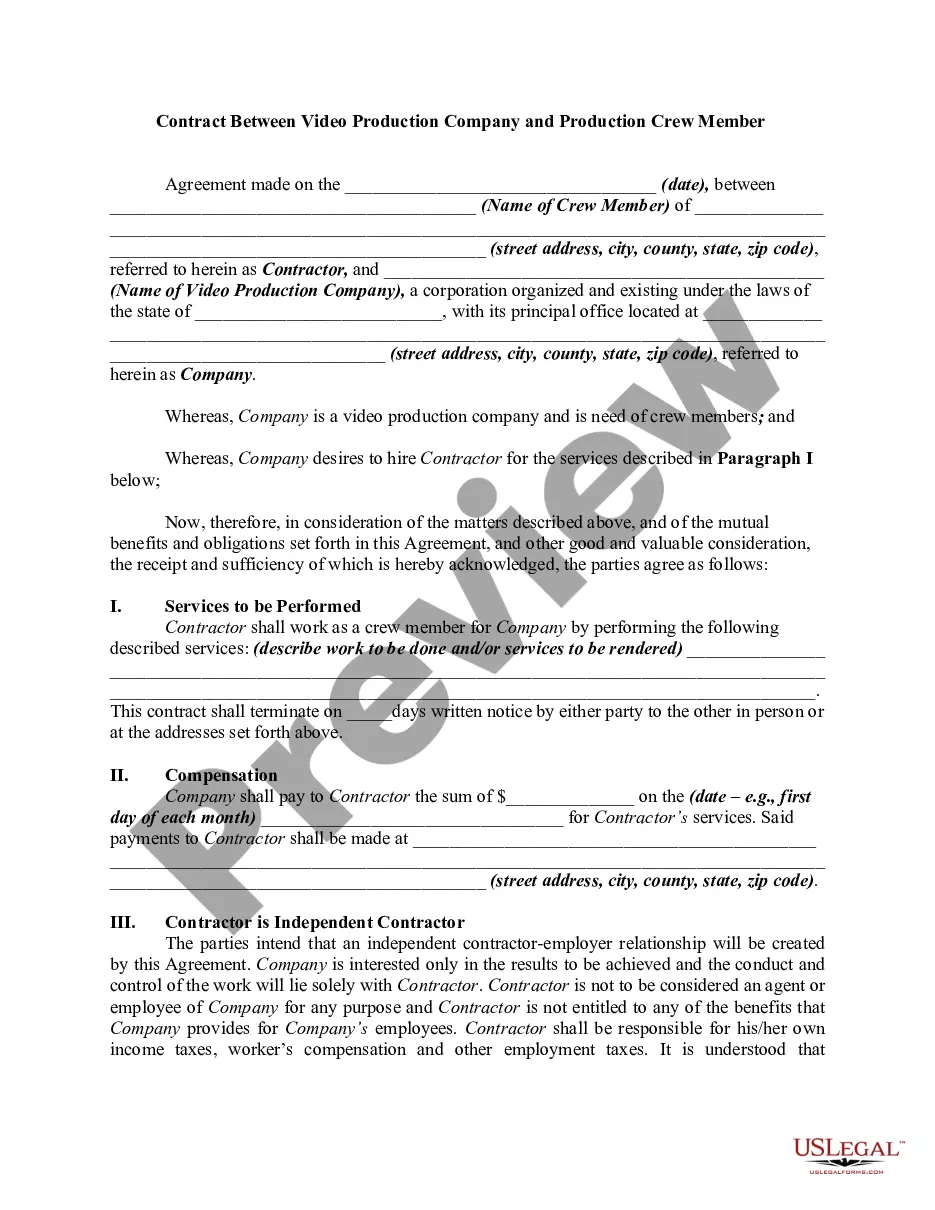
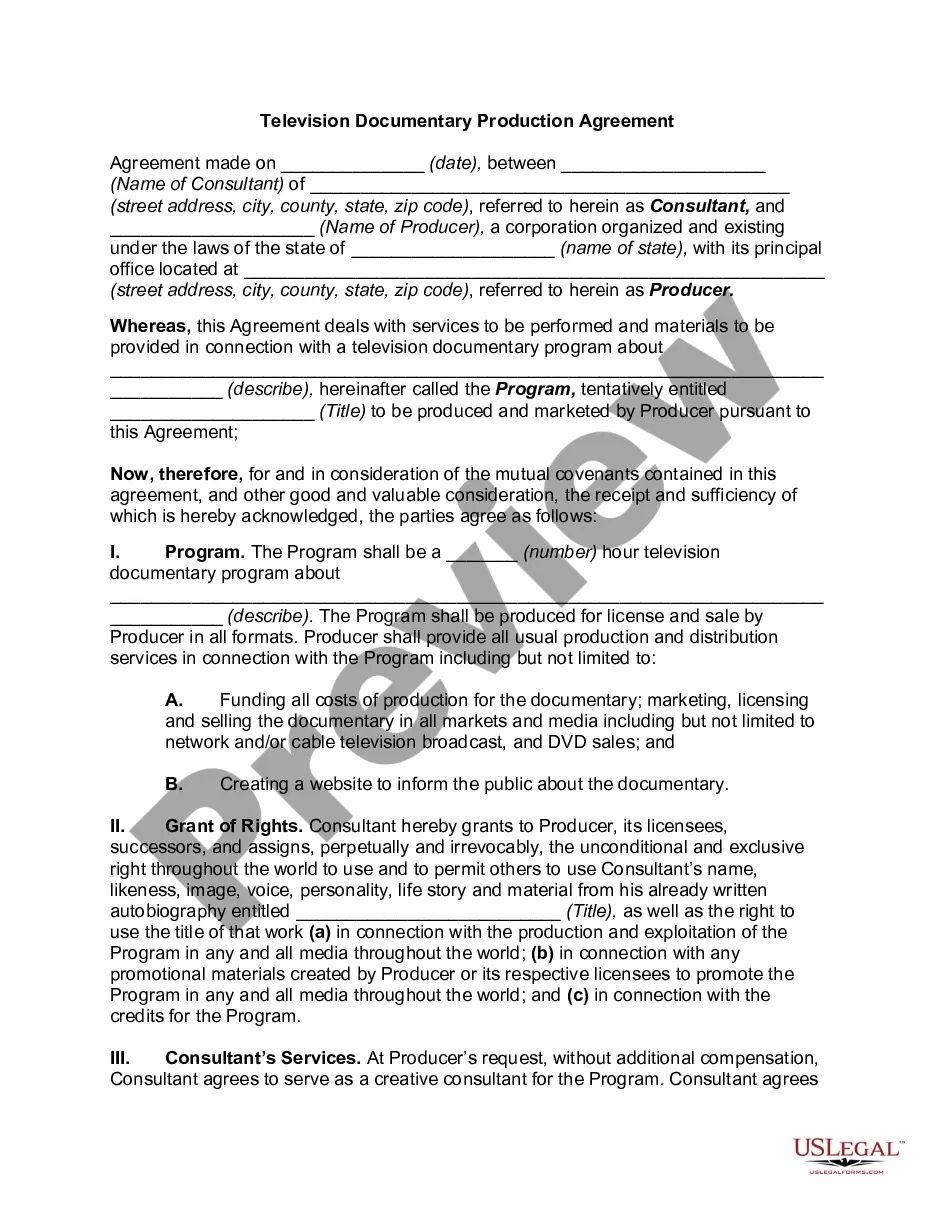
Get your form ready online
Our built-in tools help you complete, sign, share, and store your documents in one place.
Make edits, fill in missing information, and update formatting in US Legal Forms—just like you would in MS Word.
Download a copy, print it, send it by email, or mail it via USPS—whatever works best for your next step.
Sign and collect signatures with our SignNow integration. Send to multiple recipients, set reminders, and more. Go Premium to unlock E-Sign.
If this form requires notarization, complete it online through a secure video call—no need to meet a notary in person or wait for an appointment.
We protect your documents and personal data by following strict security and privacy standards.

Make edits, fill in missing information, and update formatting in US Legal Forms—just like you would in MS Word.

Download a copy, print it, send it by email, or mail it via USPS—whatever works best for your next step.

Sign and collect signatures with our SignNow integration. Send to multiple recipients, set reminders, and more. Go Premium to unlock E-Sign.

If this form requires notarization, complete it online through a secure video call—no need to meet a notary in person or wait for an appointment.

We protect your documents and personal data by following strict security and privacy standards.
Looking for another form?

Form popularity
FAQ
Film form refers to the technical elements that make up a film, including lighting, sound, mise-en-scene, editing, and cinematography. Mise-en-scene comprises everything that appears in the frame and how those elements are arranged.
Plot, characters, cinematography, sound, and a good ending are the five key features of a good film.
The key elements of film form: cinematography, mise-en-scène, editing, sound and performance Area 2.
Filmmaking Fundamentals: The 5 Stages of Making a Film Direction. Acting. Cinematography. Camera Angles. Camera Shots. Production Design. Sound Capture.
Film form refers to the technical elements that make up a film, including lighting, sound, mise-en-scene, editing, and cinematography. Mise-en-scene comprises everything that appears in the frame and how those elements are arranged.
Film form refers to the overall system of elements that make up a film, including aspects such as editing, cinematography, sound, and narrative structure. Among the given options, the answer that represents an example of film form is b. A camera angle.
It covers the 5 "C's"--Camera Angles, Continuity, Cutting, Close-ups and Composition. The books talks about what these are, how they are used and also WHY they are used--citing examples of each.
Film Form can be described as the elements within a film and their relationship with one another. This includes the production and story elements such as camera, characters, and mies-en-scene, and the way these elements are used to create meaning.
Film form refers to the overall structure and elements of a film, including its visual and audio components, editing techniques, and storytelling methods. It encompasses everything from camera angles and lighting to sound effects and dialogue.
The narrative structure, as the term suggests, is the structural framework for a movie. The story is the action of the movie, and the plot is how the story is told. The narrative structure can be either linear or nonlinear. Linear narrative structure is a movie that moves in chronological order.