Sample Contract Agreement For Business Partners In Chicago
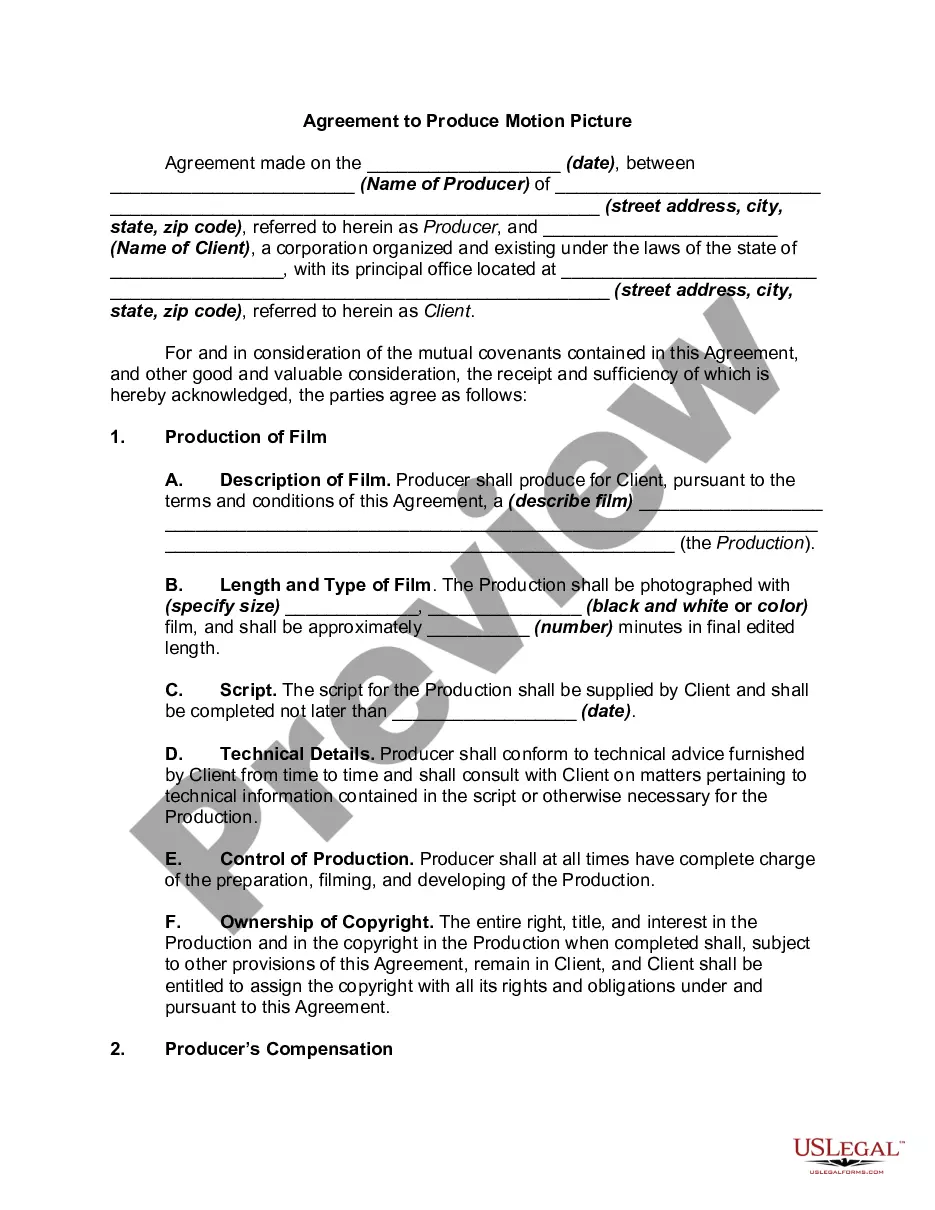
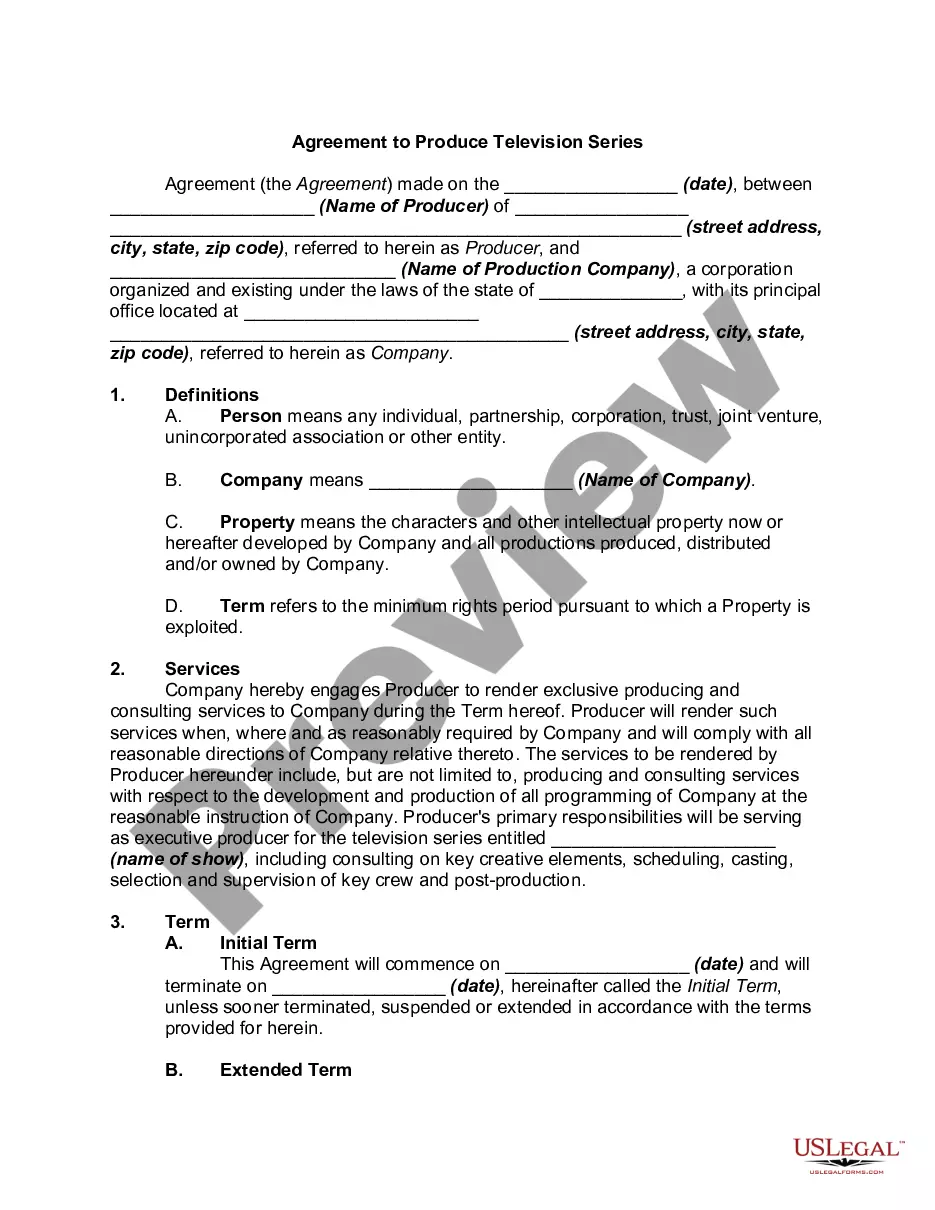
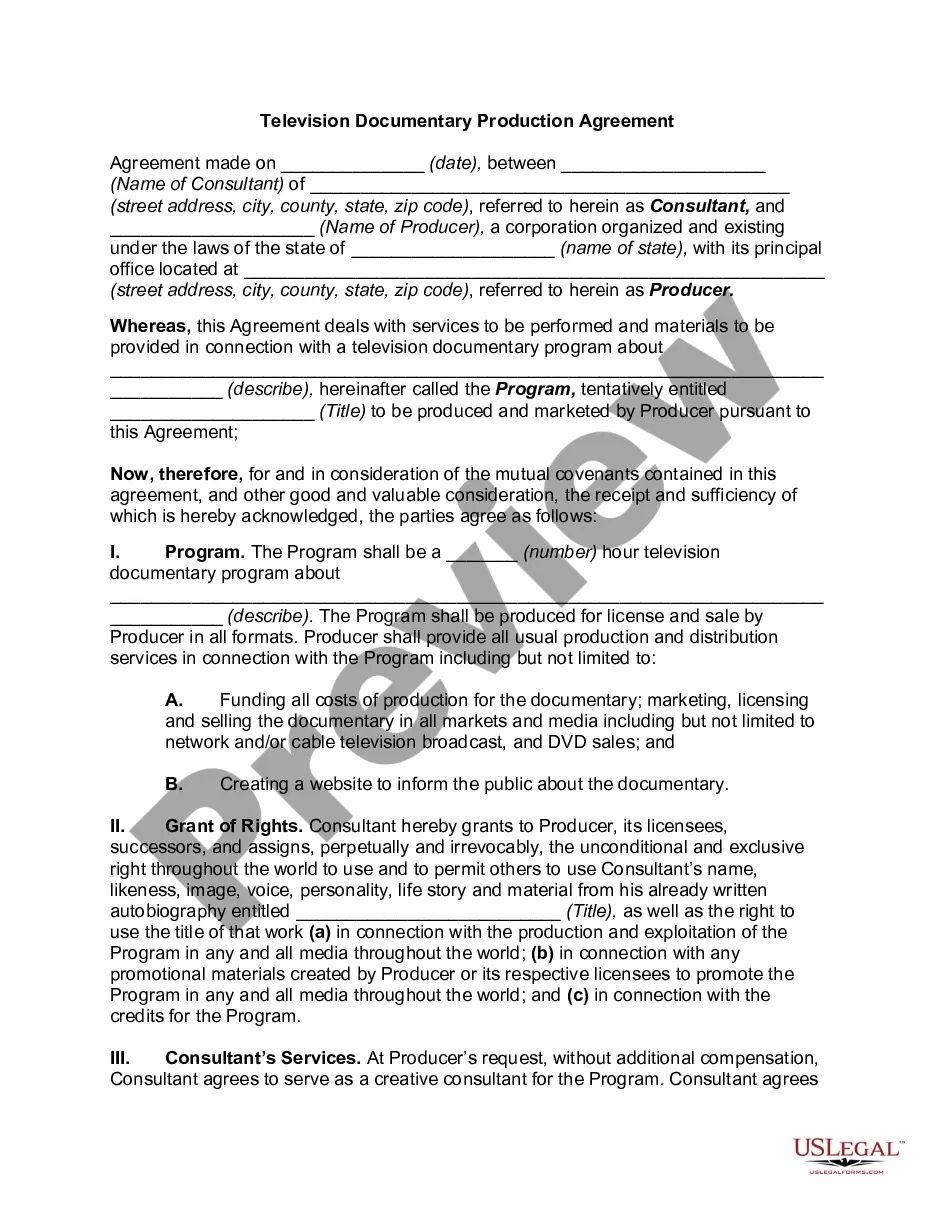
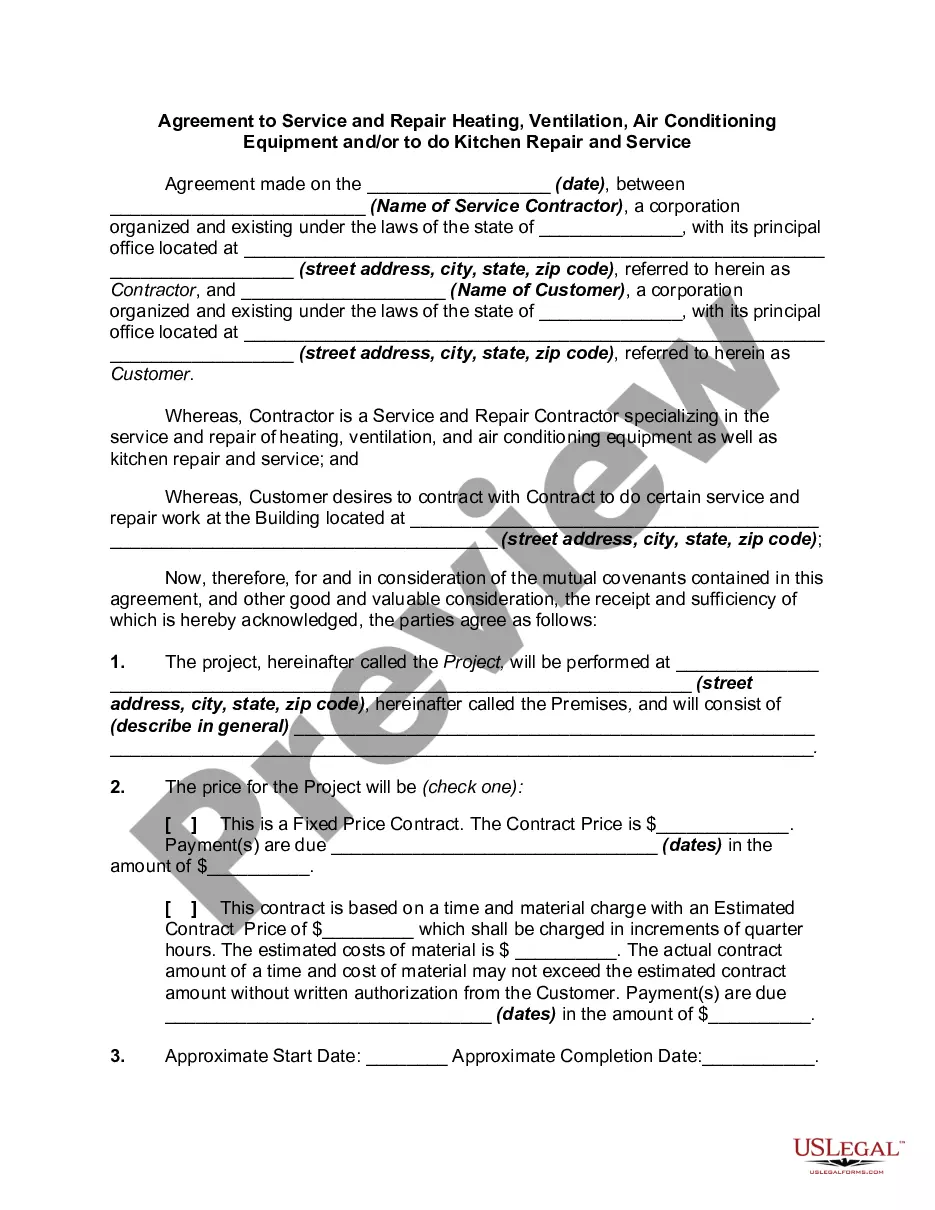
Description

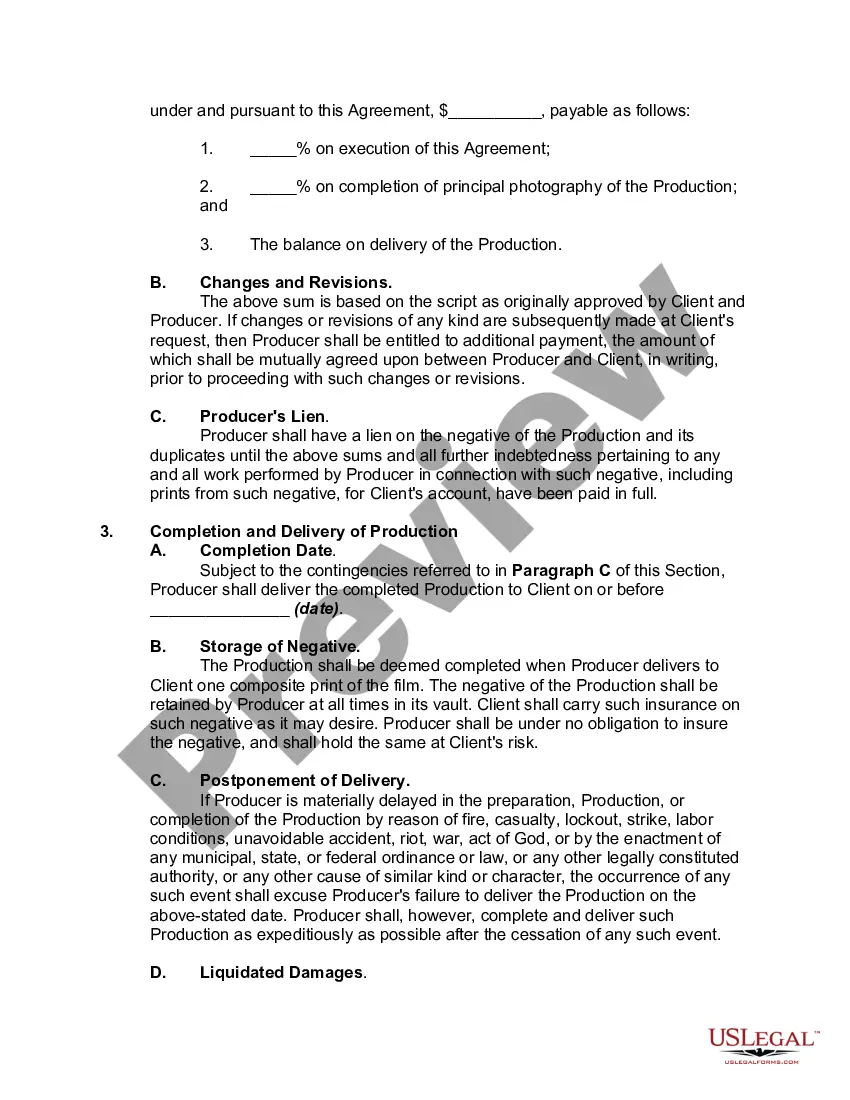
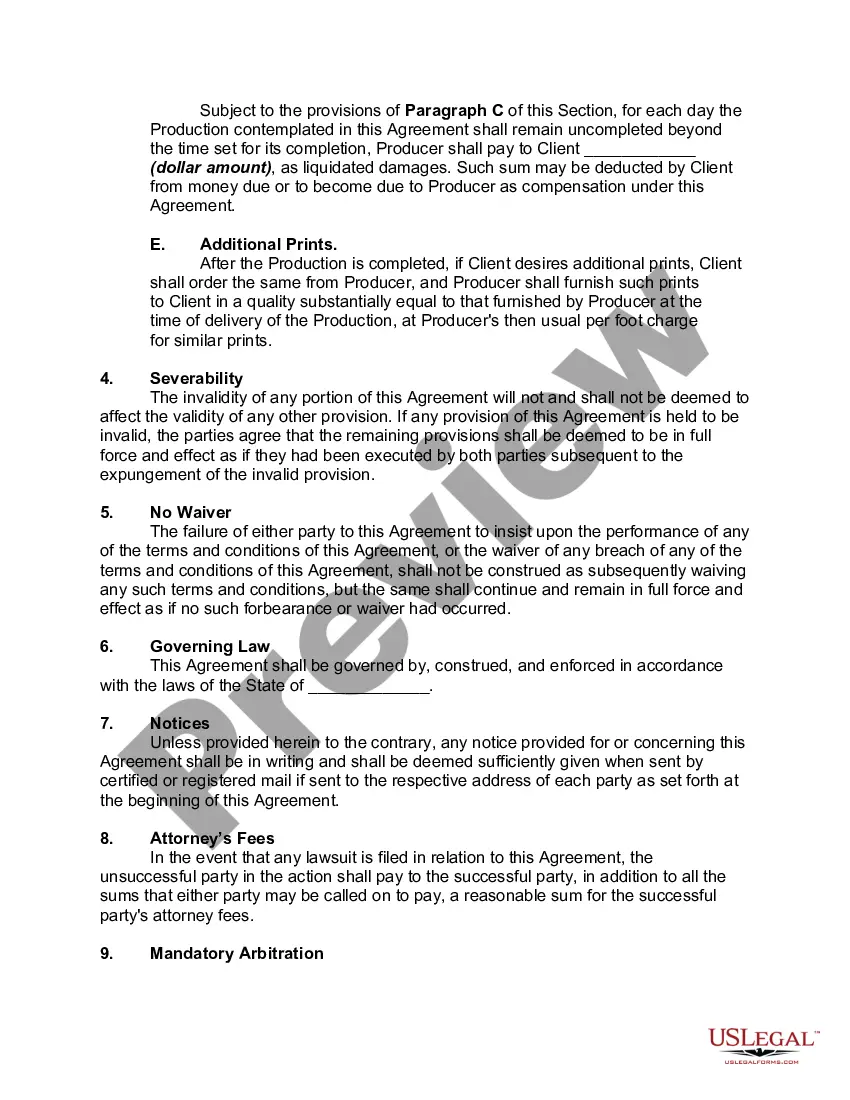
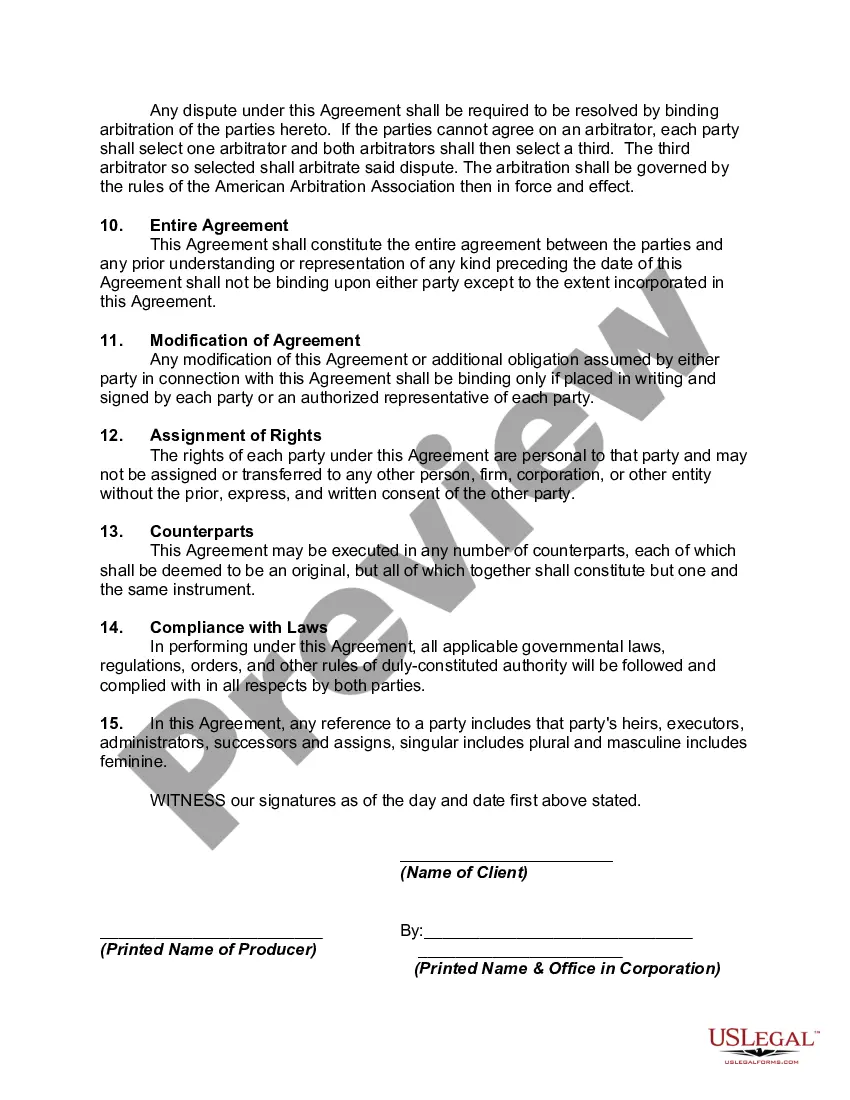
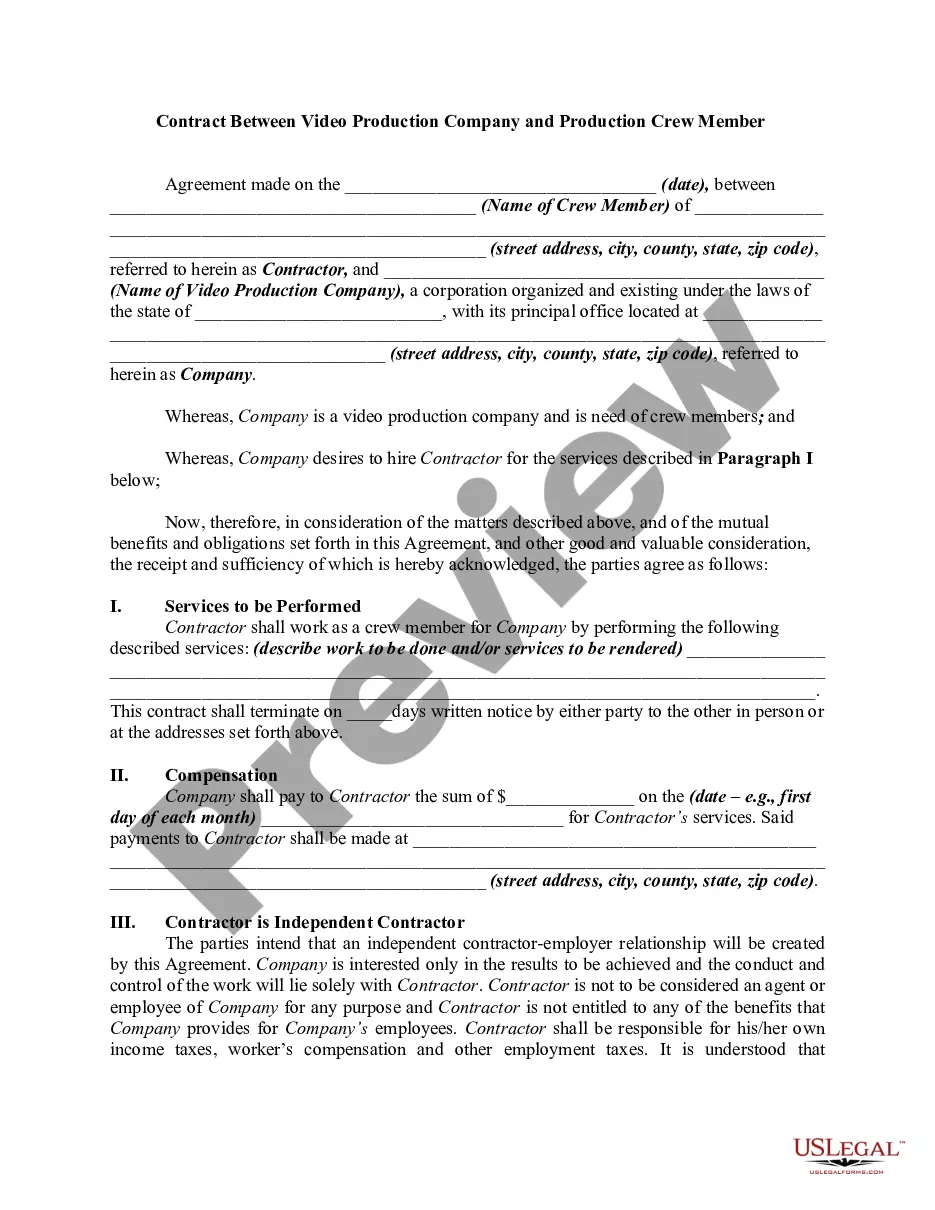
Get your form ready online
Our built-in tools help you complete, sign, share, and store your documents in one place.
Make edits, fill in missing information, and update formatting in US Legal Forms—just like you would in MS Word.
Download a copy, print it, send it by email, or mail it via USPS—whatever works best for your next step.
Sign and collect signatures with our SignNow integration. Send to multiple recipients, set reminders, and more. Go Premium to unlock E-Sign.
If this form requires notarization, complete it online through a secure video call—no need to meet a notary in person or wait for an appointment.
We protect your documents and personal data by following strict security and privacy standards.

Make edits, fill in missing information, and update formatting in US Legal Forms—just like you would in MS Word.

Download a copy, print it, send it by email, or mail it via USPS—whatever works best for your next step.

Sign and collect signatures with our SignNow integration. Send to multiple recipients, set reminders, and more. Go Premium to unlock E-Sign.

If this form requires notarization, complete it online through a secure video call—no need to meet a notary in person or wait for an appointment.

We protect your documents and personal data by following strict security and privacy standards.
Looking for another form?






Form popularity
FAQ
How do I create a Partnership Agreement? Provide partnership details. Start by specifying the industry you're in and what type of business you'll run. Detail the capital contributions of each partner. Outline management responsibilities. Prepare for accounting. Add final details.
Write the contract in six steps Start with a contract template. Open with the basic information. Describe in detail what you have agreed to. Include a description of how the contract will be ended. Write into the contract which laws apply and how disputes will be resolved. Include space for signatures.
General partnerships are less expensive to form compared to a corporation. They are pass-through entities where profits or losses are passed directly to partners, who report them on their personal tax returns.
Is notarization required for a Partnership Agreement? It is advisable to have your Partnership Agreement notarized. Although not always mandated by law, notarization lends additional credibility and validation to the document.
How to Write a Partnership Agreement Define Partnership Structure. Outline Capital Contributions and Ownership. Detail Profit, Loss, and Distribution Arrangements. Set Decision-Making and Management Protocols. Plan for Changes and Contingencies. Include Legal Provisions and Finalize the Agreement.
Generally, a partnership agreement does not need to be notarized — you only need to sign the document to make it legally enforceable.
Certain documents require the security and legitimacy that only notarization can provide when running a business. Whether agreements, incorporation papers, or critical contracts, having them notarized ensures they are legally binding and recognized.
Many contracts, such as simple sales agreements or employment agreements, do not need to be notarized to be legally binding. The requirement varies based on the contract type and jurisdiction. However, some contracts like real estate transfers or powers of attorney may require notarization by law.
A legally binding partnership, however, requires that each partner is assigned specific roles and responsibilities, financial expectations, and future planning expectations for the business. The partnership should also have an agreement as to handling the exit of one of the business partners.
A partnership deed is an agreement between the partners of a firm that outlines the terms and conditions of partnership among the partners.
