Wrongful Interference In A Business Relationship
Description


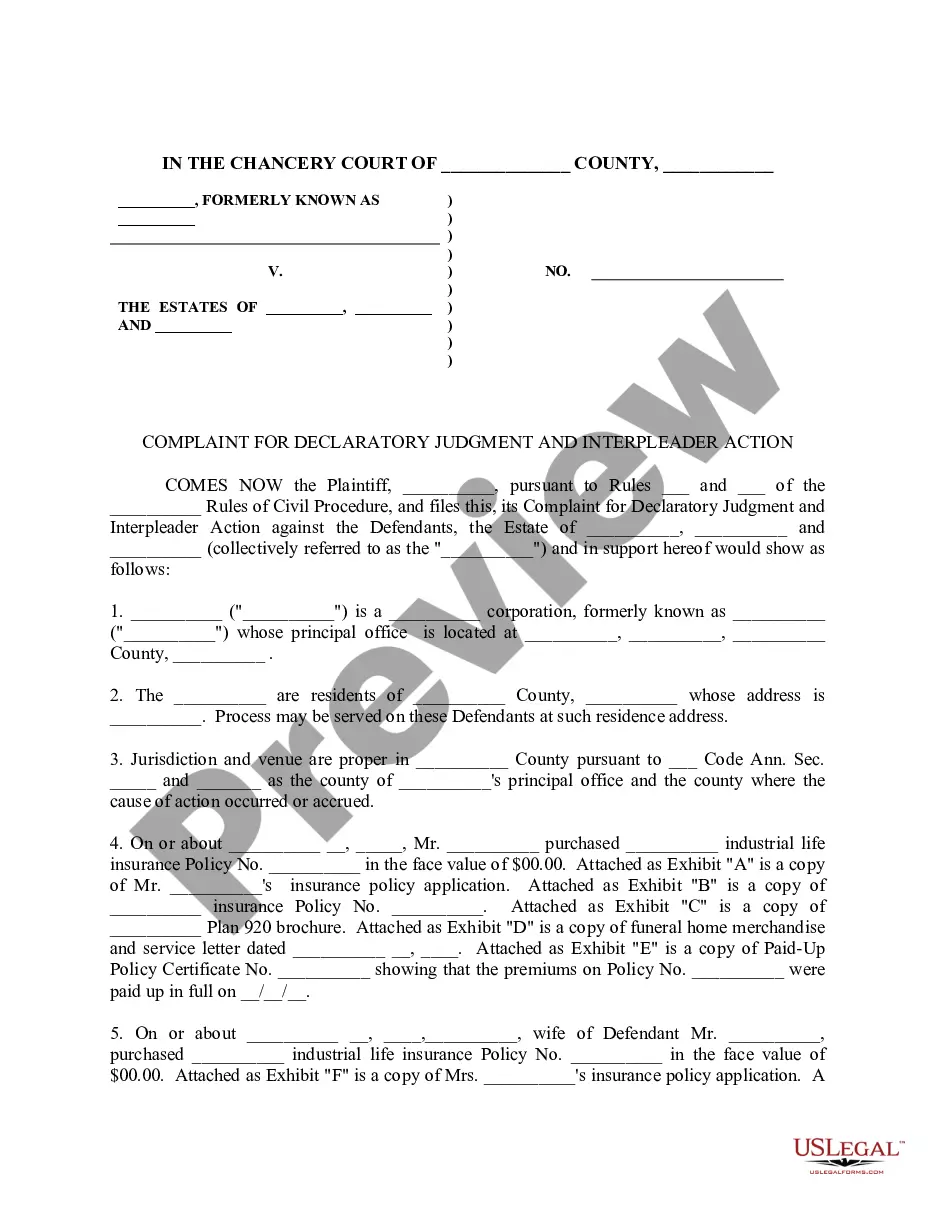
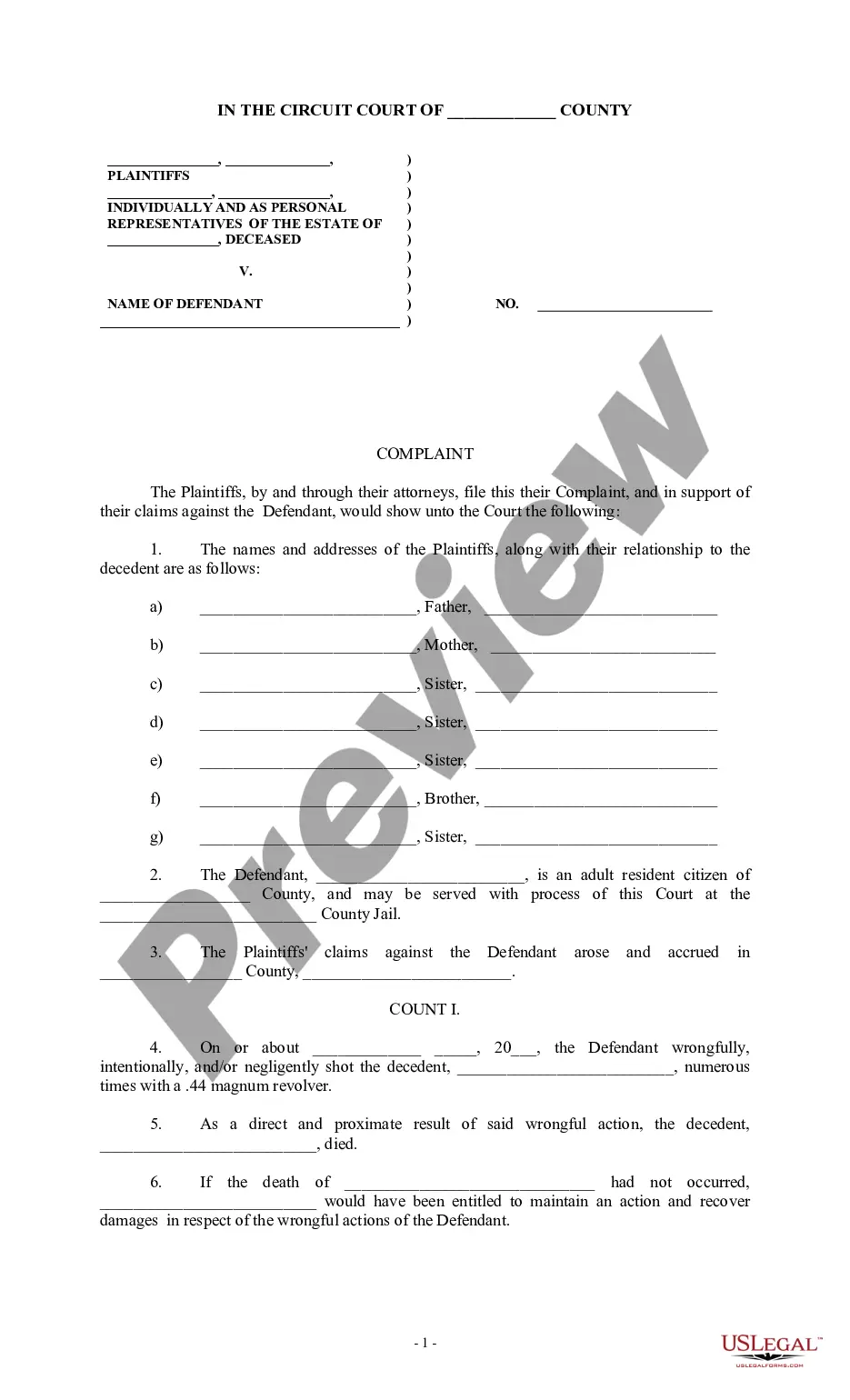
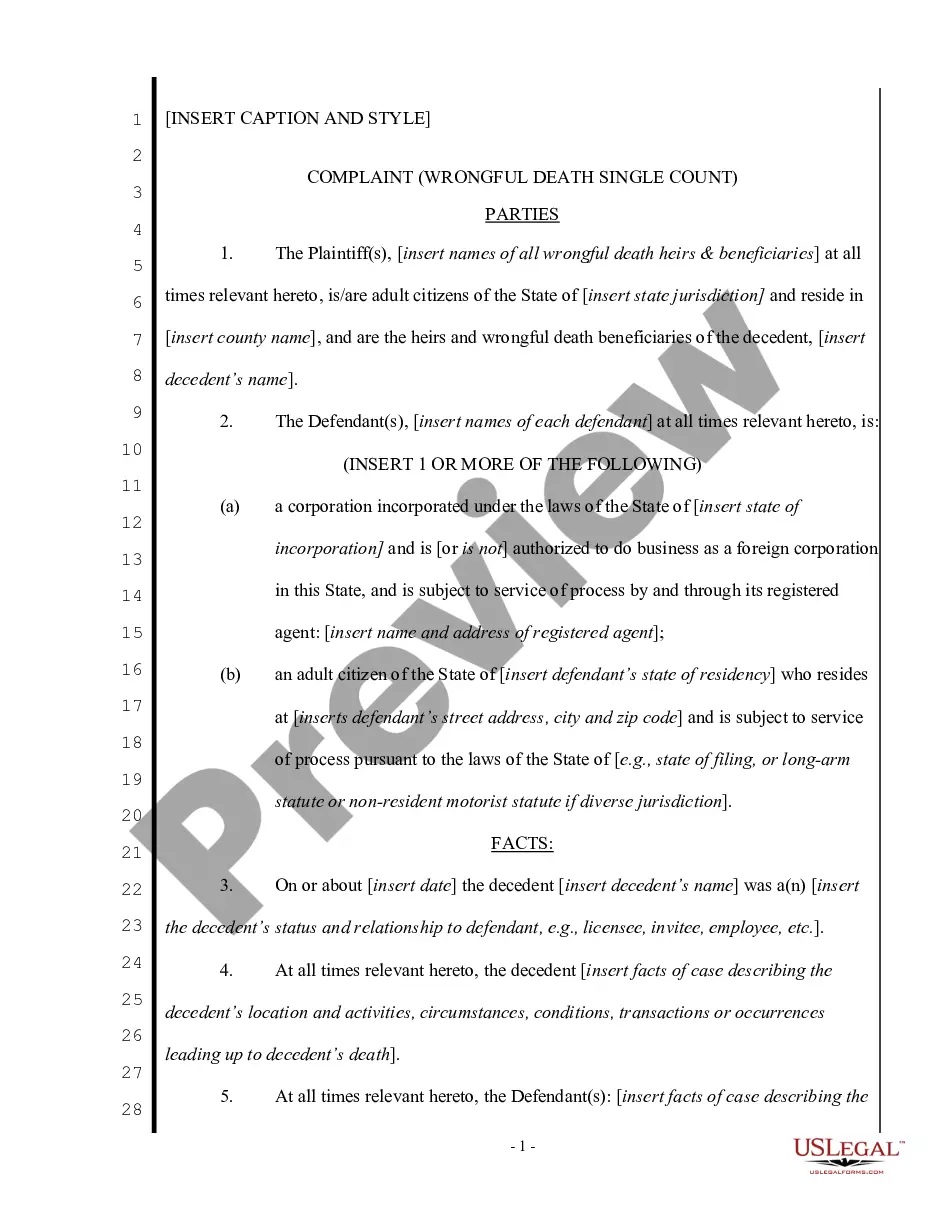
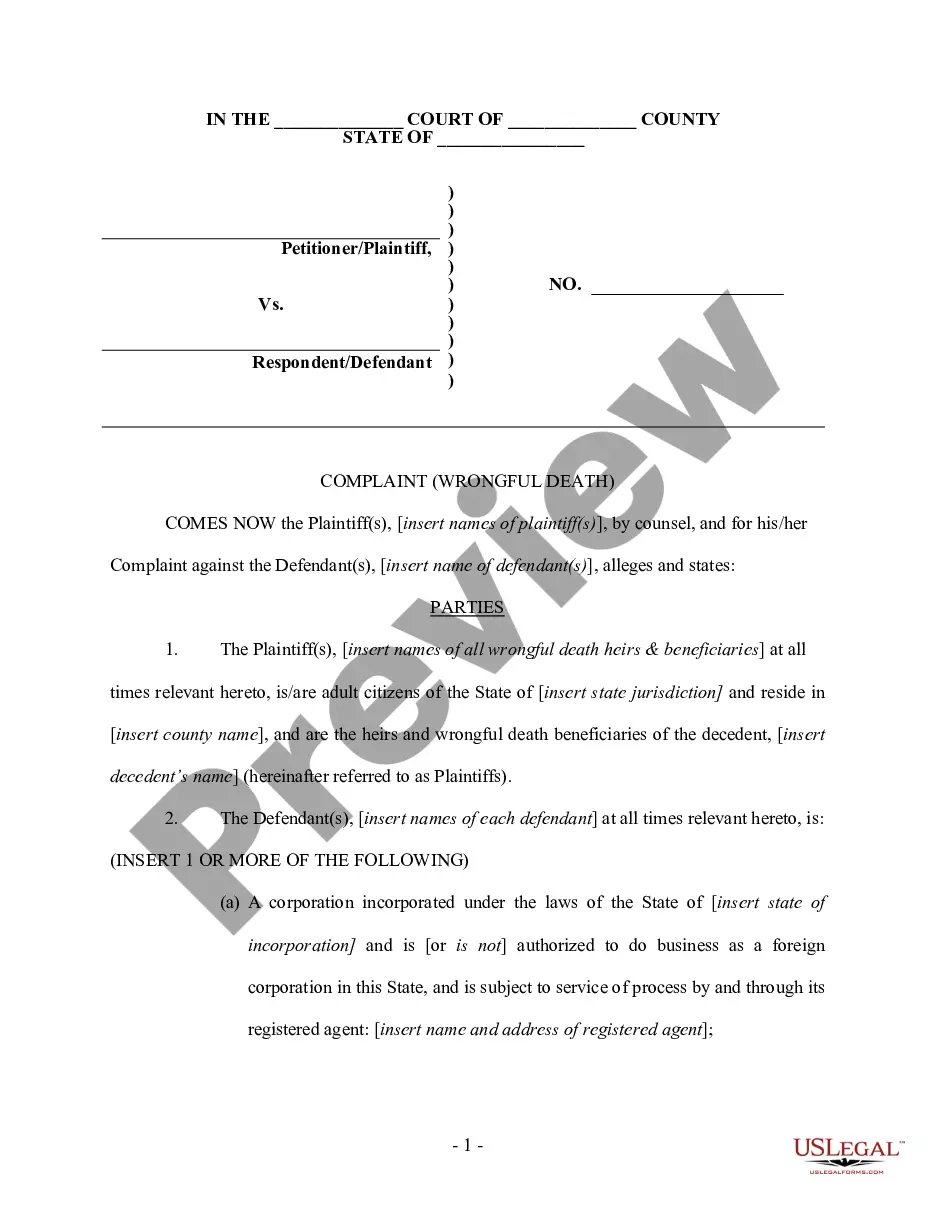
Get your form ready online
Our built-in tools help you complete, sign, share, and store your documents in one place.
Make edits, fill in missing information, and update formatting in US Legal Forms—just like you would in MS Word.
Download a copy, print it, send it by email, or mail it via USPS—whatever works best for your next step.
Sign and collect signatures with our SignNow integration. Send to multiple recipients, set reminders, and more. Go Premium to unlock E-Sign.
If this form requires notarization, complete it online through a secure video call—no need to meet a notary in person or wait for an appointment.
We protect your documents and personal data by following strict security and privacy standards.

Make edits, fill in missing information, and update formatting in US Legal Forms—just like you would in MS Word.

Download a copy, print it, send it by email, or mail it via USPS—whatever works best for your next step.

Sign and collect signatures with our SignNow integration. Send to multiple recipients, set reminders, and more. Go Premium to unlock E-Sign.

If this form requires notarization, complete it online through a secure video call—no need to meet a notary in person or wait for an appointment.

We protect your documents and personal data by following strict security and privacy standards.
Looking for another form?




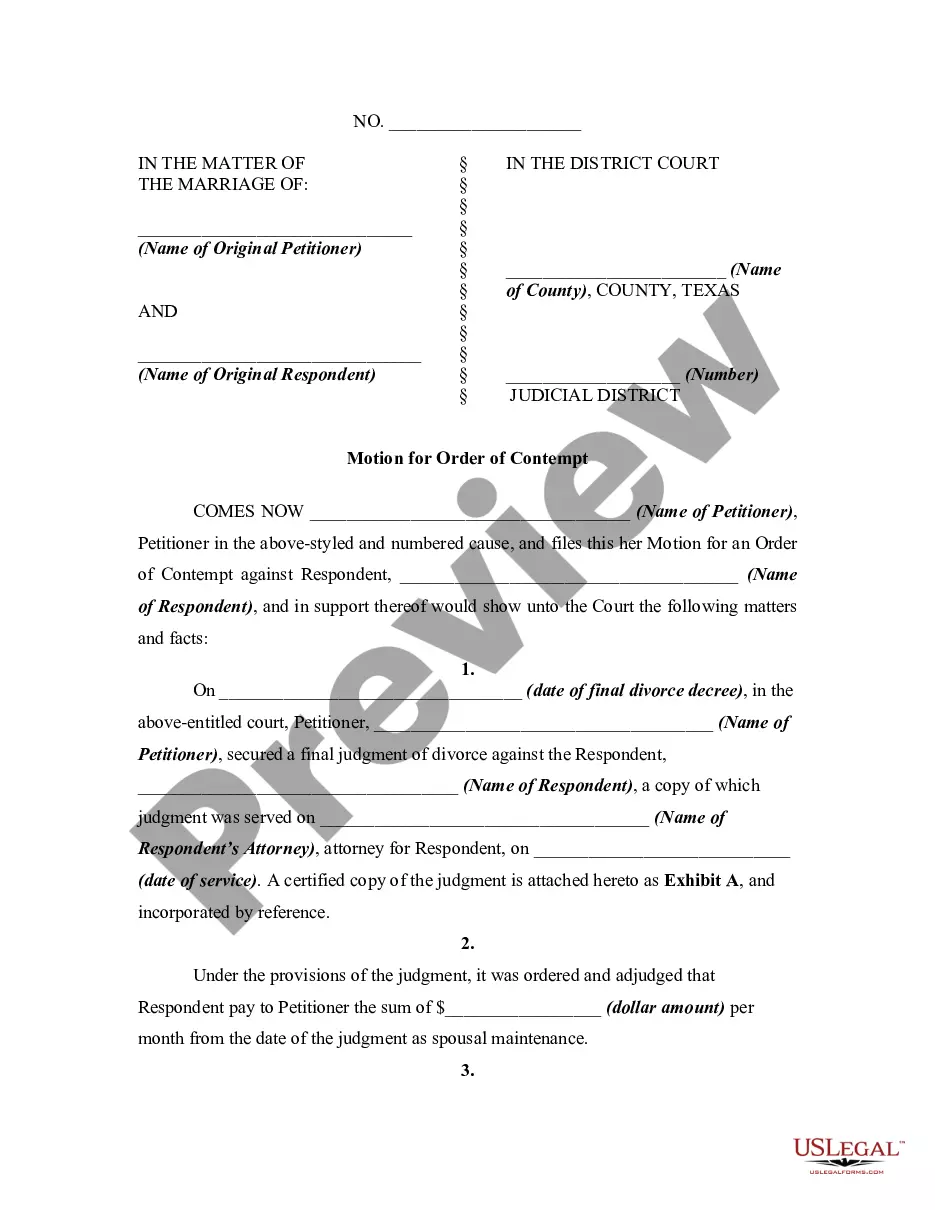
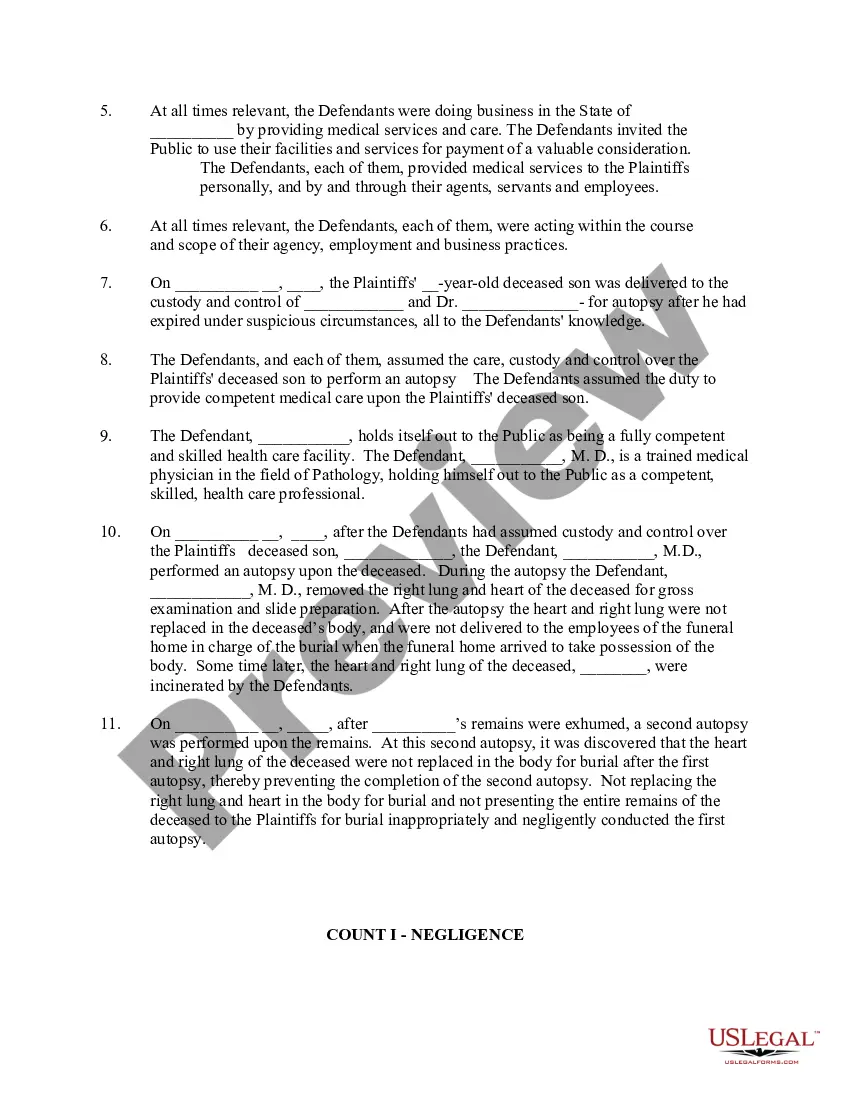
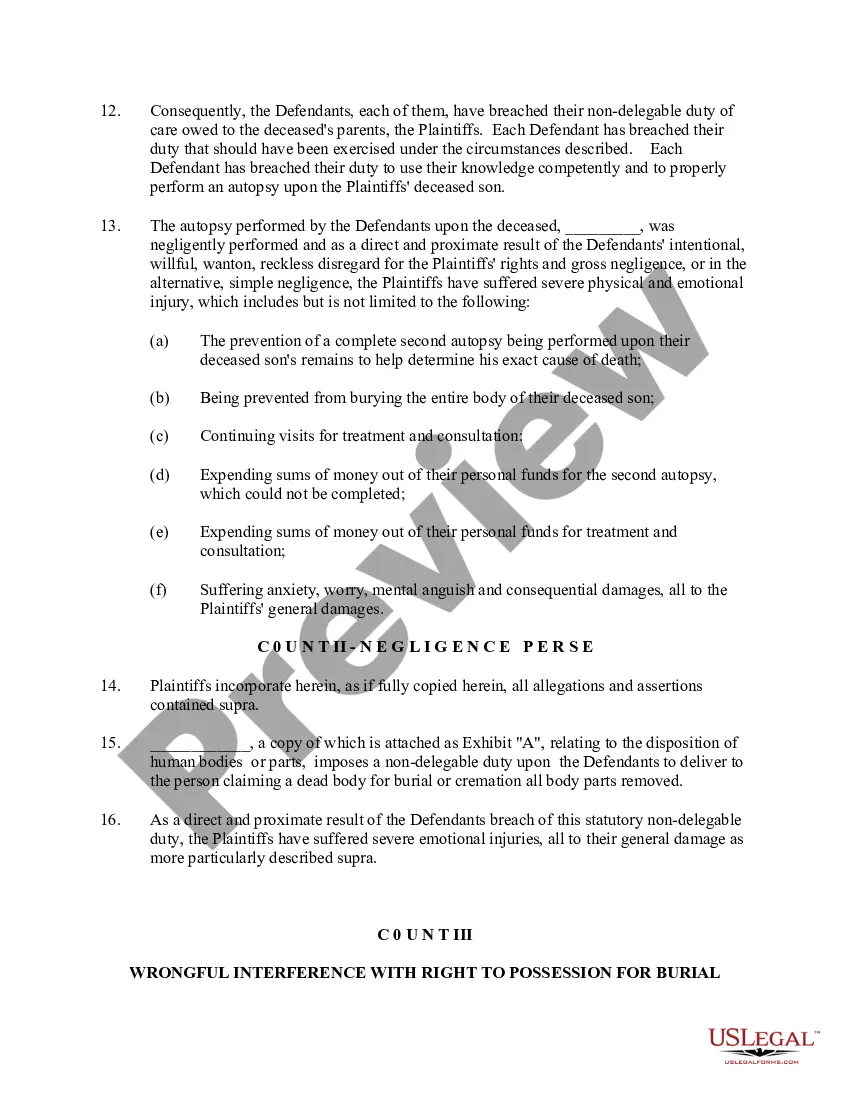
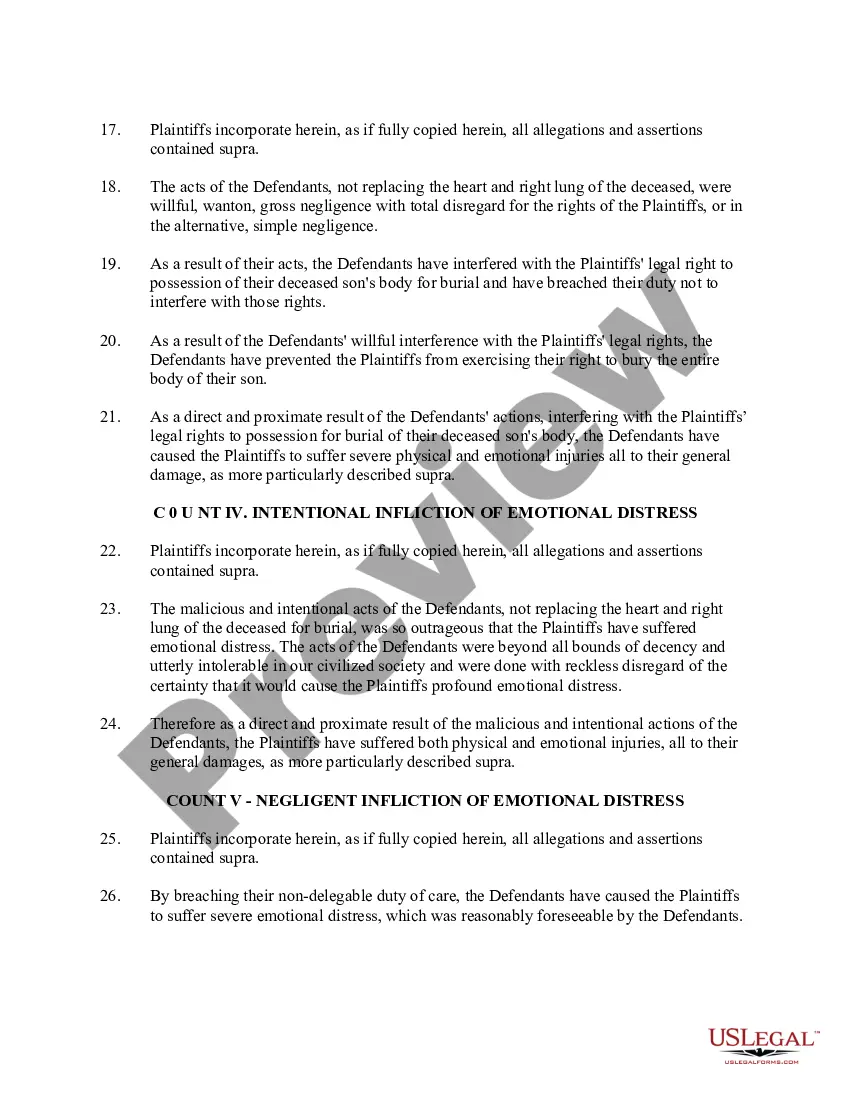
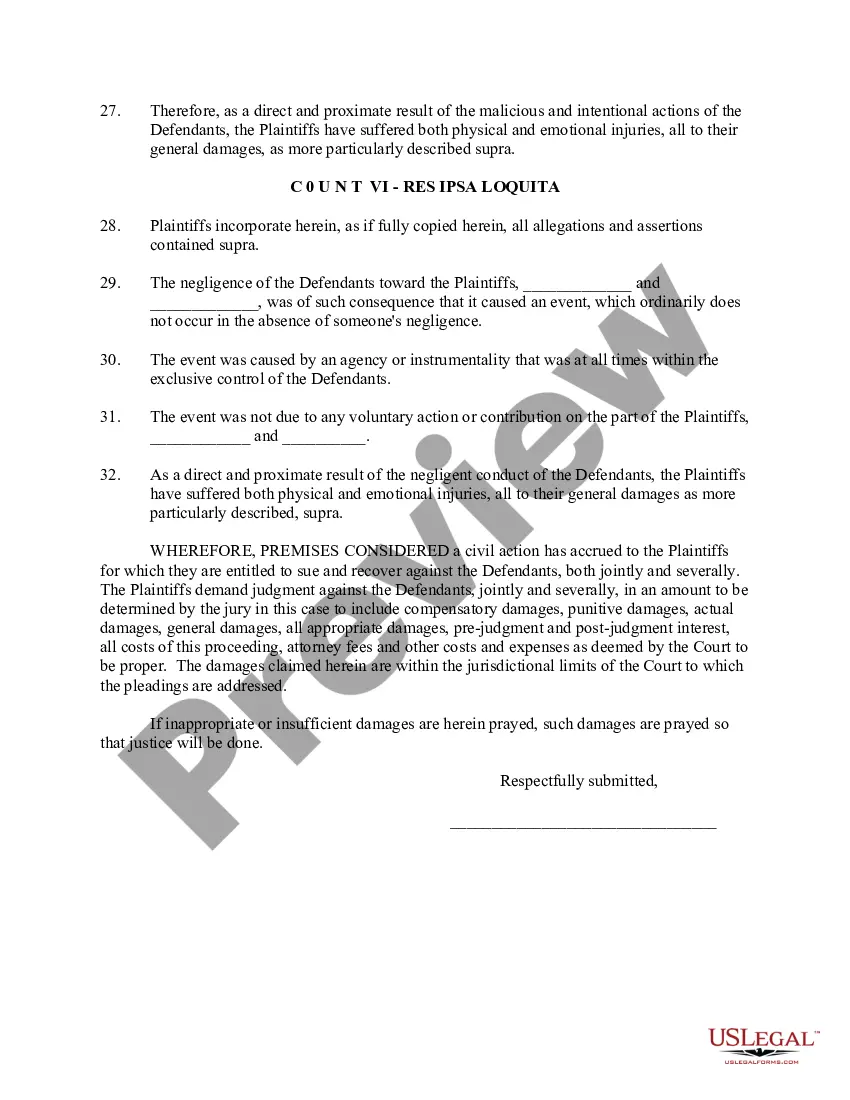
How to fill out Complaint For Wrongful Interference With Right To Possession For Burial?
Locating a reliable source for accessing the latest and suitable legal templates is a significant part of dealing with bureaucracy.
Identifying the correct legal documents necessitates accuracy and carefulness, which is why it's essential to obtain samples of Wrongful Interference In A Business Relationship exclusively from reputable providers, such as US Legal Forms.
Eliminate the stress that accompanies your legal documentation. Delve into the extensive US Legal Forms catalog to discover legal templates, evaluate their applicability to your situation, and download them instantly.
- Utilize the library navigation or search bar to find your template.
- Examine the form’s details to confirm if it meets the requirements of your state and locality.
- Check the form preview, if available, to ensure it is the document you are looking for.
- Return to the search and seek the appropriate document if the Wrongful Interference In A Business Relationship does not fulfill your needs.
- If you are confident about the form’s suitability, download it.
- If you are a registered client, click Log in to verify and access your selected templates in My documents.
- If you do not have an account yet, click Buy now to acquire the form.
- Select the pricing option that aligns with your needs.
- Proceed with the registration to complete your purchase.
- Conclude your purchase by choosing a payment method (credit card or PayPal).
- Select the document format for downloading Wrongful Interference In A Business Relationship.
- Once you have the form on your device, you may modify it using the editor or print and complete it by hand.
Form popularity
FAQ
To prove wrongful interference in a business relationship, a party must demonstrate that another individual intentionally interfered with an existing relationship or potential relationship. The plaintiff must show that this action caused actual harm or damages to their business. This legal concept is essential for seeking recourse in these situations.
In California, to establish interference with prospective economic relations, a plaintiff must show that: (1) plaintiff and a third party had an economic relation; (2) the relation between plaintiff and the third party would likely have led to future benefits; (3) defendant knew of the relation; (4) defendant ...
Tortious interference occurs when one party interferes with an advantageous business relationship of another party, causing economic harm. It is important to remember that this must be an intentional act, and proving it can be challenging. This is where you need a knowledgeable team of lawyers.
The requisite elements of tortious interference with contract claim are: (1) the existence of a valid and enforceable contract between plaintiff and another; (2) defendant's awareness of the contractual relationship; (3) defendant's intentional and unjustified inducement of a breach of the contract; (4) a subsequent ...
Tortious interference occurs when one party interferes with an advantageous business relationship of another party, causing economic harm. It is important to remember that this must be an intentional act, and proving it can be challenging. This is where you need a knowledgeable team of lawyers.
Deceiving another company's employees to lure them to work for you instead. Making false claims about a competitor to deter business. Threatening a logistics company if they make a supply delivery to a competitor. Interfering with a party's ability to uphold its contractual obligations.