Wrongful Possession Of Property Ipc In Washington
Description


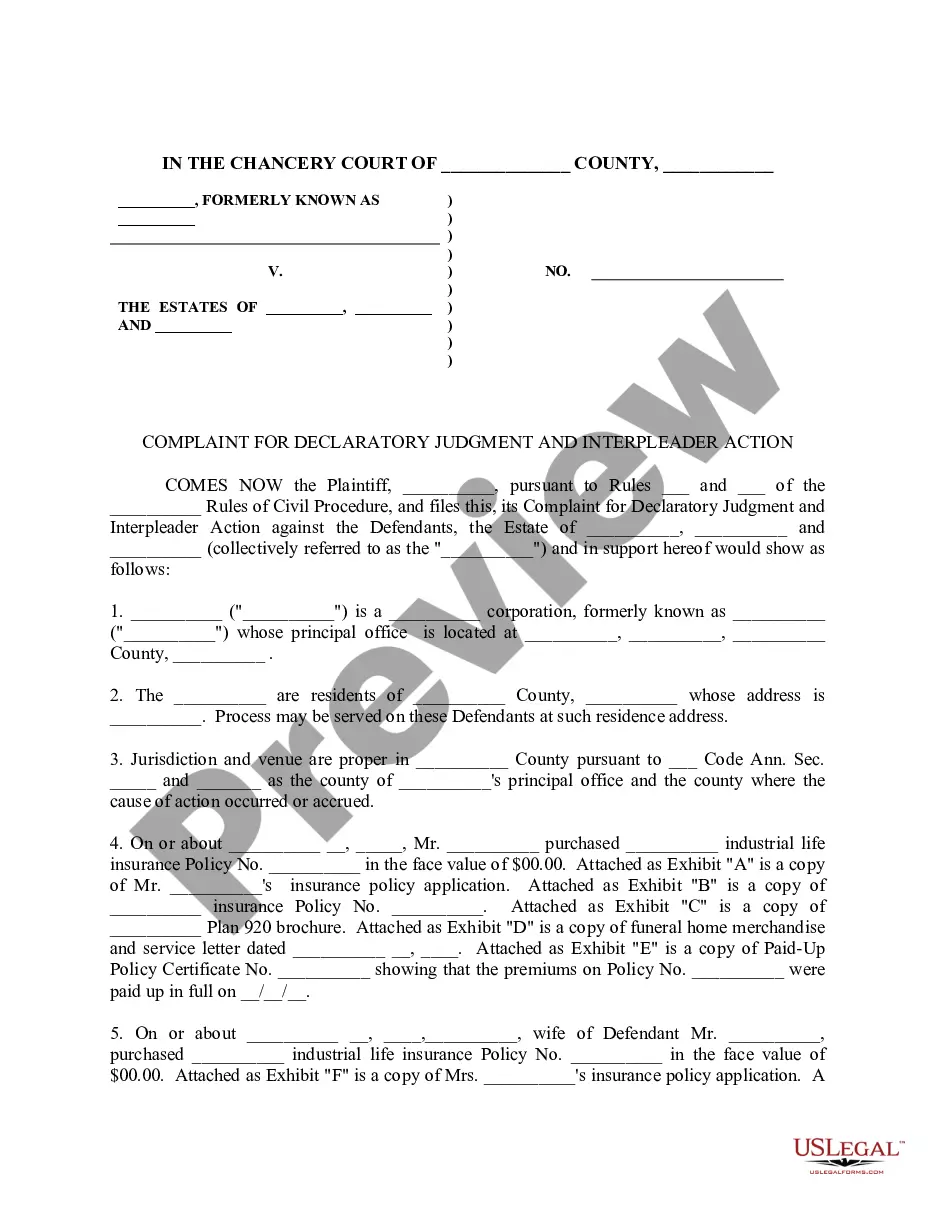
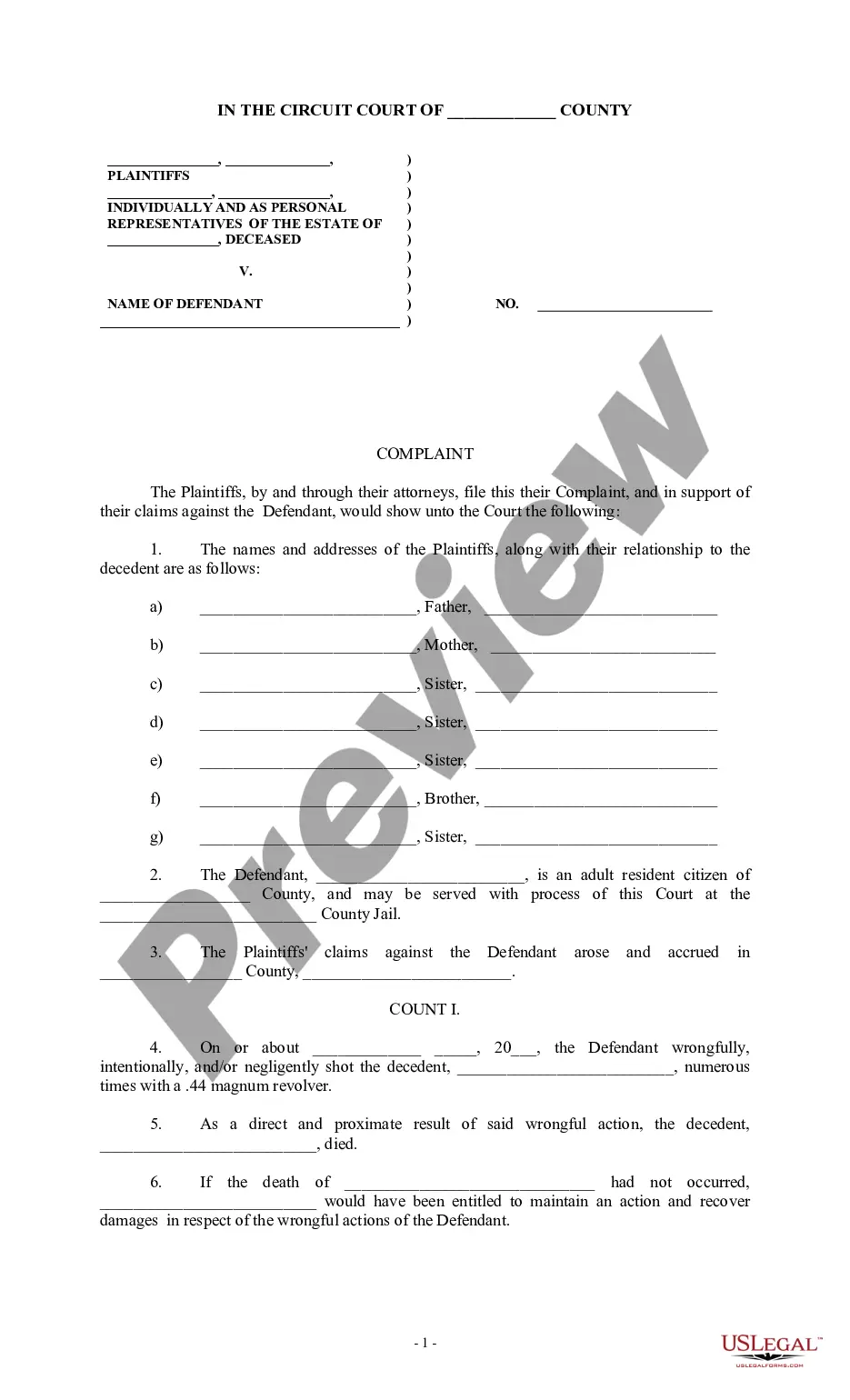
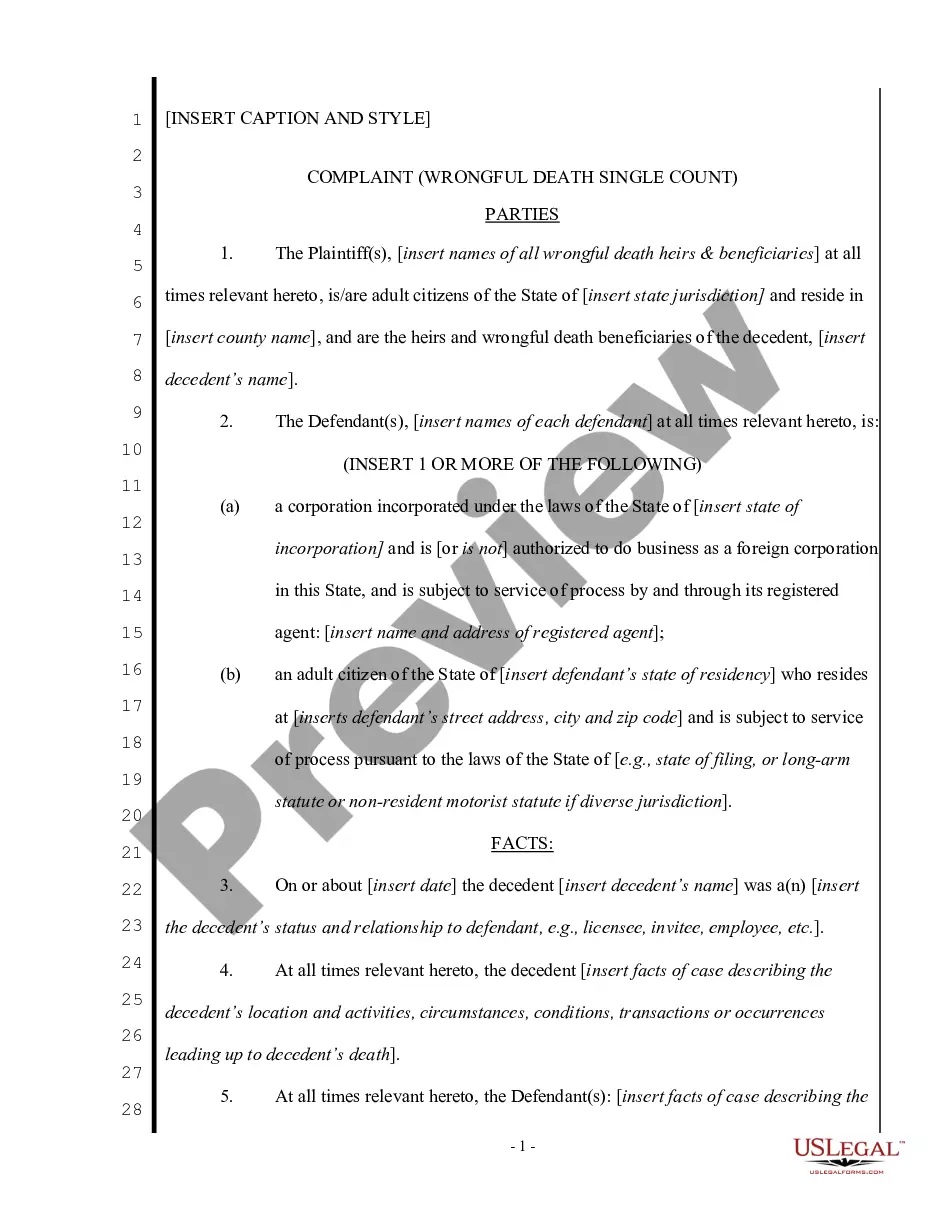
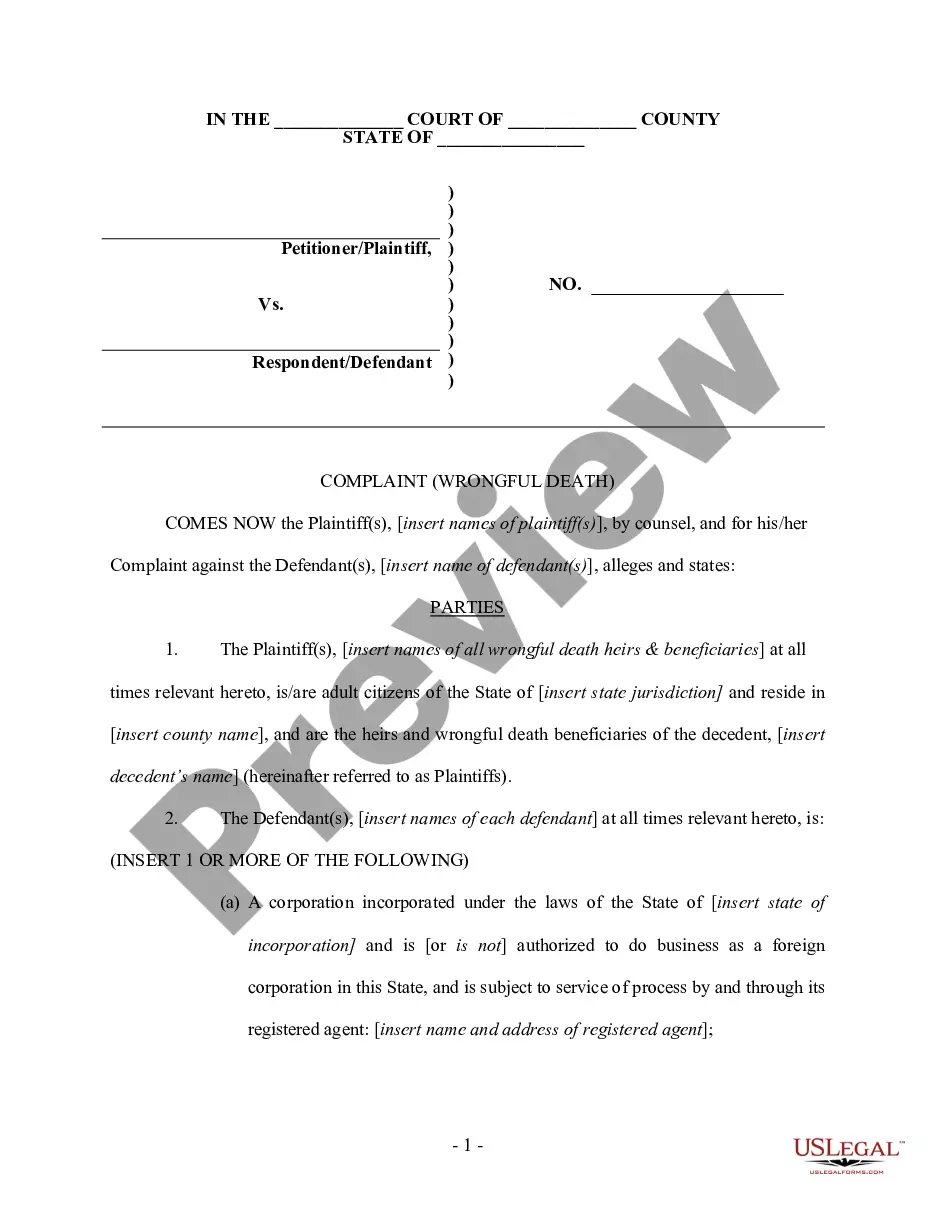
Get your form ready online
Our built-in tools help you complete, sign, share, and store your documents in one place.
Make edits, fill in missing information, and update formatting in US Legal Forms—just like you would in MS Word.
Download a copy, print it, send it by email, or mail it via USPS—whatever works best for your next step.
Sign and collect signatures with our SignNow integration. Send to multiple recipients, set reminders, and more. Go Premium to unlock E-Sign.
If this form requires notarization, complete it online through a secure video call—no need to meet a notary in person or wait for an appointment.
We protect your documents and personal data by following strict security and privacy standards.

Make edits, fill in missing information, and update formatting in US Legal Forms—just like you would in MS Word.

Download a copy, print it, send it by email, or mail it via USPS—whatever works best for your next step.

Sign and collect signatures with our SignNow integration. Send to multiple recipients, set reminders, and more. Go Premium to unlock E-Sign.

If this form requires notarization, complete it online through a secure video call—no need to meet a notary in person or wait for an appointment.

We protect your documents and personal data by following strict security and privacy standards.
Looking for another form?









Form popularity
FAQ
Notorious possession is typically a common law requirement of the doctrine of adverse possession. The requirement establishes that acts of ownership must be observable by others, and not be secret or hidden.
Rather, any entry and possession for the required ten years that is exclusive, continuous, hostile, actual, and open—even if under a mistaken claim of title—is sufficient to support a claim of title by adverse possession.
Any surveyor authorized by the court and the surveyor's employees may, without liability for trespass, enter upon any land or waters and remain there while performing the duties as required in RCW 58.04.
New York real estate law: A primer on adverse possession Hostile and under claim of right. Actual. Open and notorious. Exclusive. Continuous for at least 10 years, called the statutory period.
Constructive possession occurs when there is no actual physical possession but there is dominion and control over the substance. Proximity alone without proof of dominion and control is insufficient to establish constructive possession.
First, a person may have physical possession of property by holding it in his or her hand, by carrying it in his or her clothing, or by otherwise having it on his or her person. Second, a person may possess property not in his or her physical possession by exercising dominion or control over that property.
The New York ten-year requirement must be an unbroken and continuous ten years. Although the trespasser may leave and come back for short periods, their use of the land cannot be intermittent. The adverse possessor actually be using the land as if it was his or her own.
In California, a claim of adverse possession allows an individual to gain possession of a property that they do not legally own. To establish adverse possession, the individual must demonstrate open and notorious possession of another person's property for at least a certain period of time, typically five years.
Response: You need to go to your local Courthouse and file lawsuit against him to return your property and at the same time ask the Court to order him to pick his belongings within a set period of time. Otherwise, you can dispose of the items.
Replevin, also known as claim and delivery, is the legal action of recovering personal property which was wrongfully taken.
