Wrongful Possession Of Arms In Utah
Description


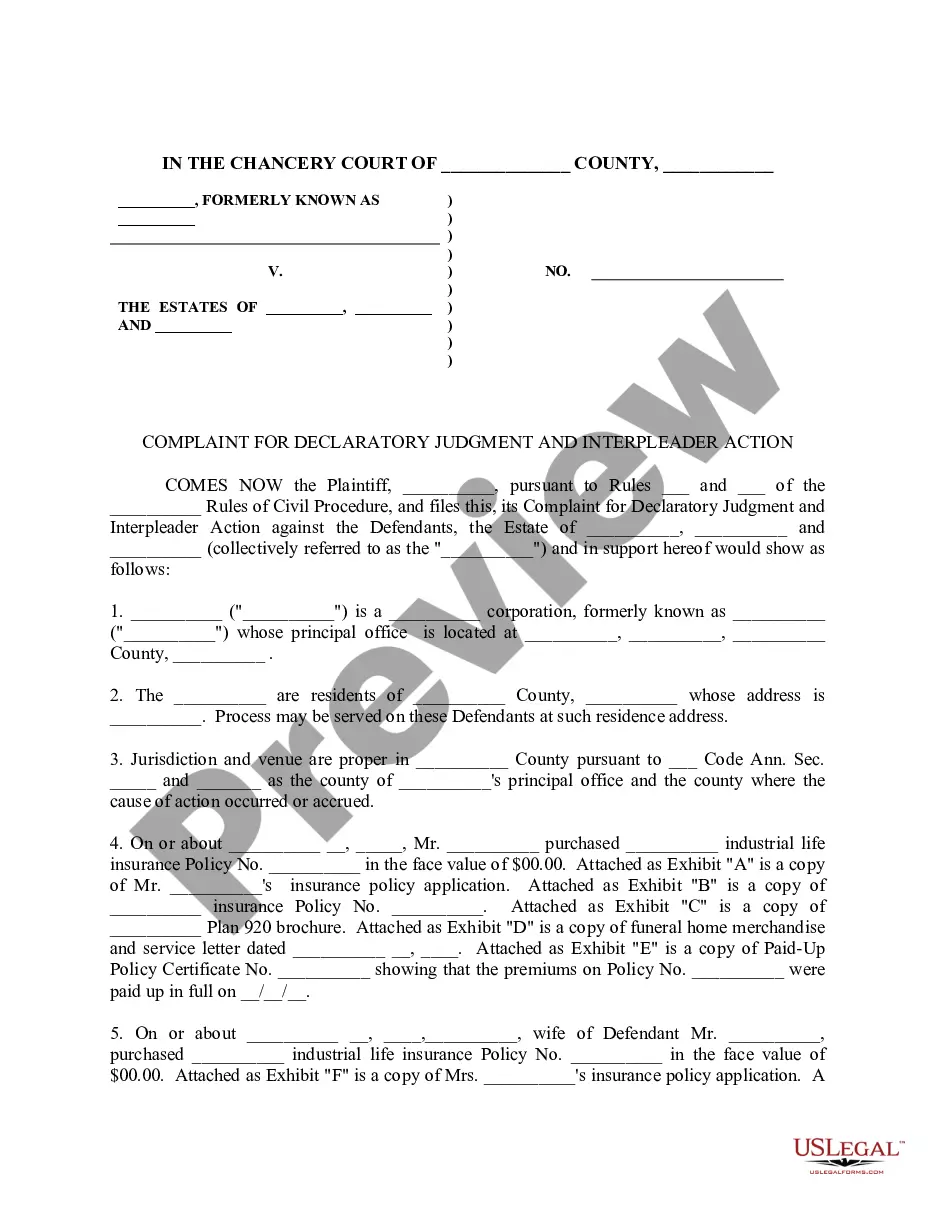
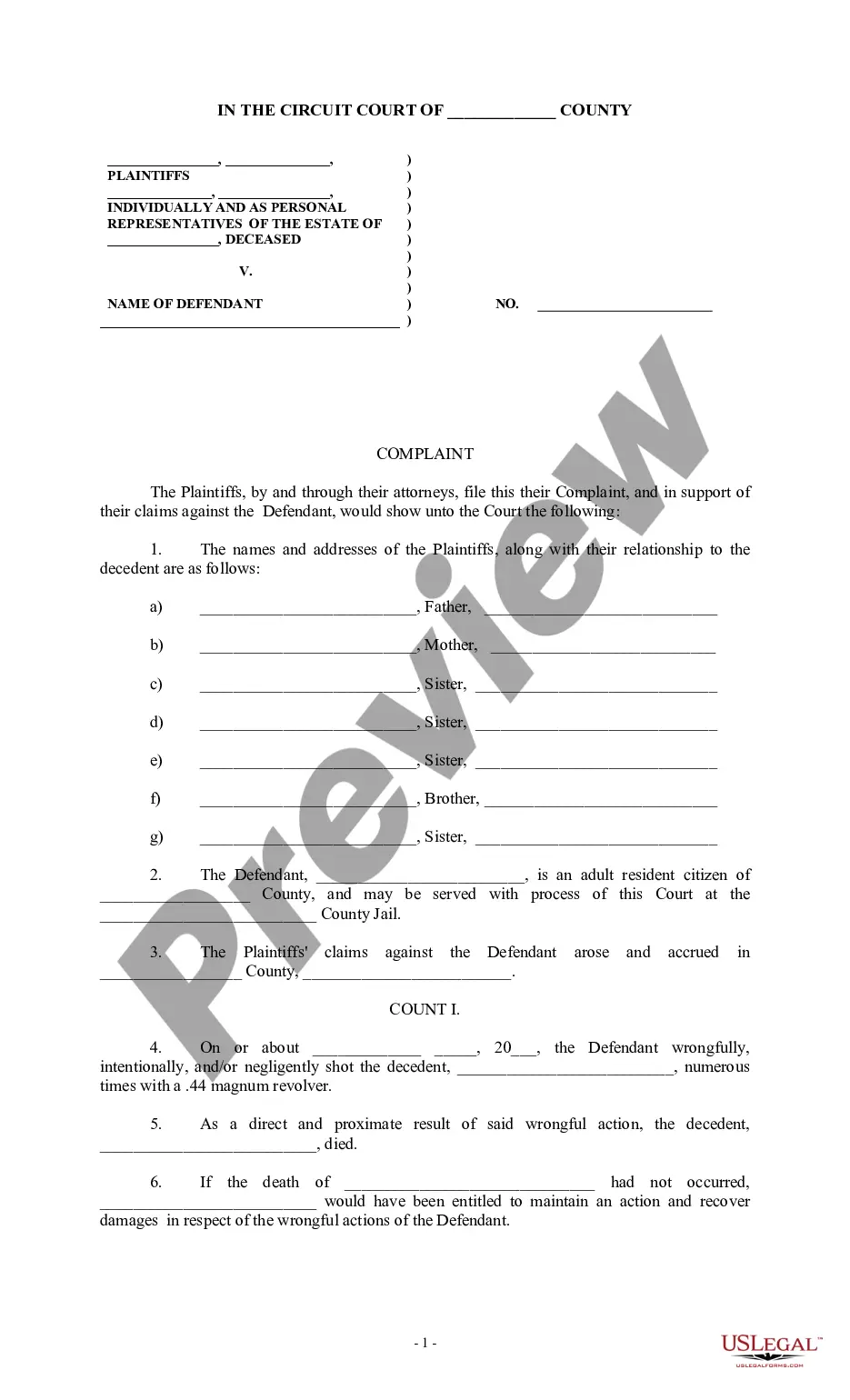
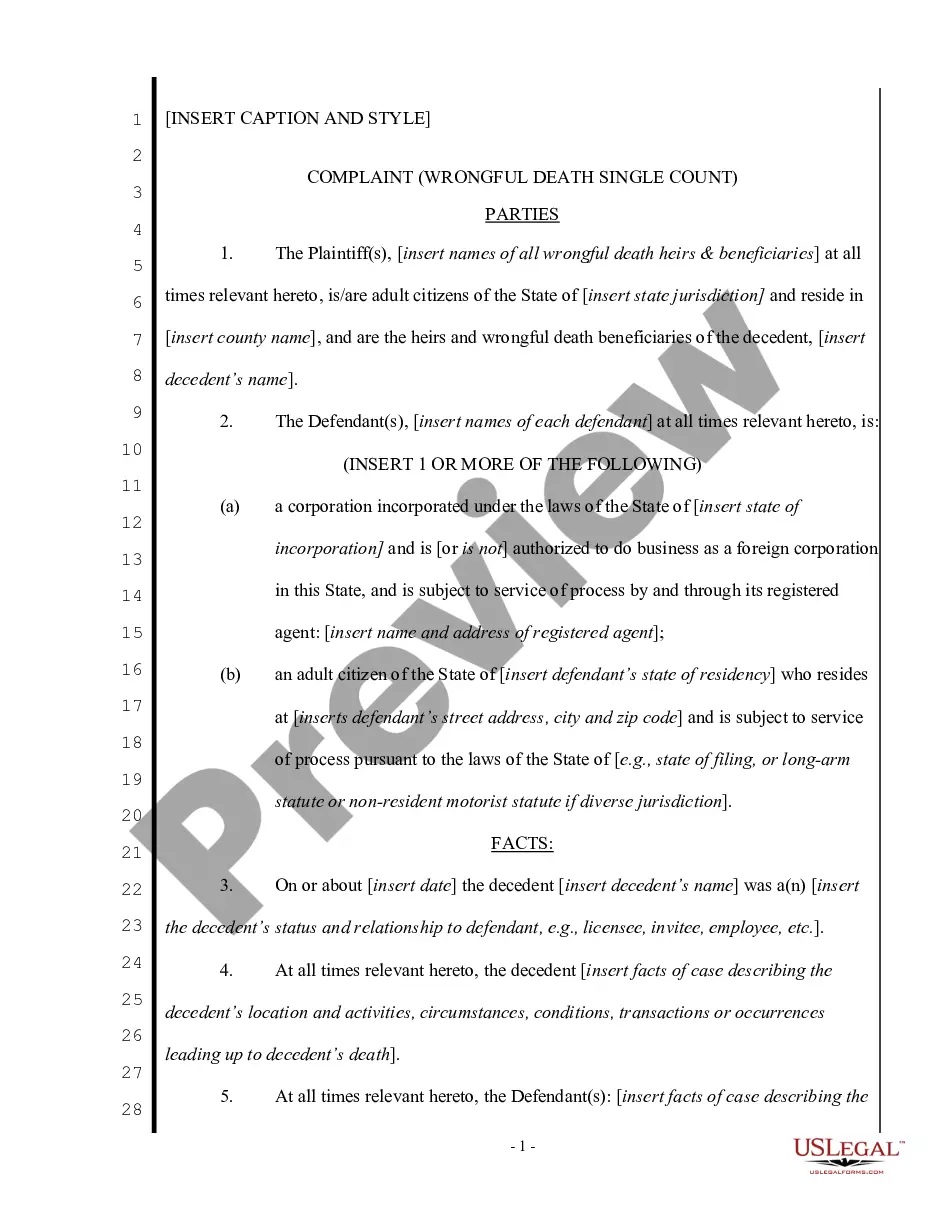
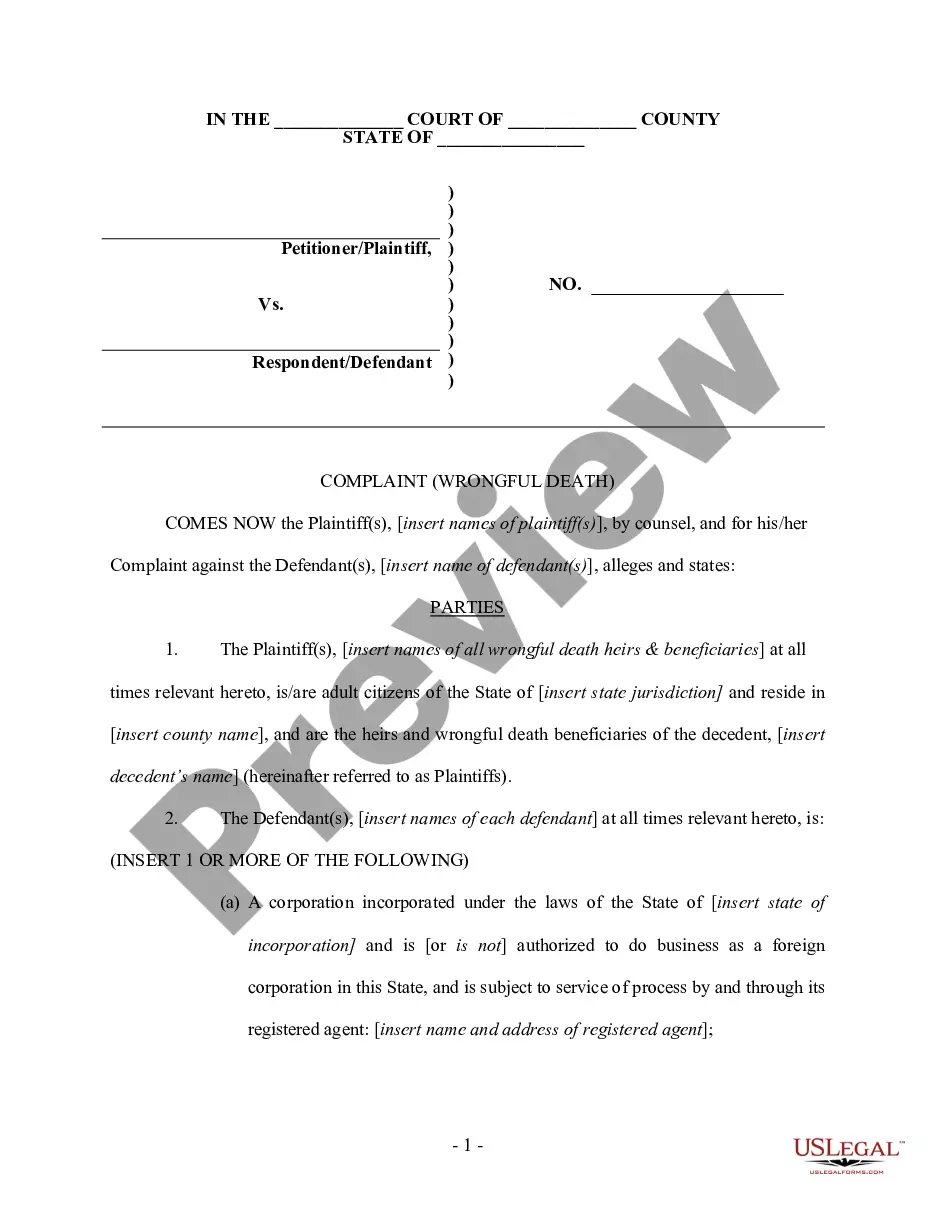
Get your form ready online
Our built-in tools help you complete, sign, share, and store your documents in one place.
Make edits, fill in missing information, and update formatting in US Legal Forms—just like you would in MS Word.
Download a copy, print it, send it by email, or mail it via USPS—whatever works best for your next step.
Sign and collect signatures with our SignNow integration. Send to multiple recipients, set reminders, and more. Go Premium to unlock E-Sign.
If this form requires notarization, complete it online through a secure video call—no need to meet a notary in person or wait for an appointment.
We protect your documents and personal data by following strict security and privacy standards.

Make edits, fill in missing information, and update formatting in US Legal Forms—just like you would in MS Word.

Download a copy, print it, send it by email, or mail it via USPS—whatever works best for your next step.

Sign and collect signatures with our SignNow integration. Send to multiple recipients, set reminders, and more. Go Premium to unlock E-Sign.

If this form requires notarization, complete it online through a secure video call—no need to meet a notary in person or wait for an appointment.

We protect your documents and personal data by following strict security and privacy standards.
Looking for another form?
Form popularity
FAQ
Arrest without warrant by peace officer -- Reasonable grounds, what constitutes -- Exemption from civil or criminal liability.
Unlawful possession of a firearm under federal law occurs when an individual who is prohibited from owning a firearm is found in possession of one. This can include felons, individuals with restraining orders, and those with certain mental health conditions. The Gun Control Act of 1968 outlines these restrictions.
Section 18.2-279. If an individual discharged a firearm maliciously, or, with the intent to do harm, then the offense is a Class 4 felony. Section 18.2-279. In such a case, the individual faces the penalties of a felony conviction with two to 10 years in prison and a possible fine of up to $100,000.
Felony Discharge of a Firearm (Utah Code 76-10-508.1) The unlawful discharge of a firearm is a felony if: The individual shoots in the direction of a person or crowd while “knowing or having reason to believe that any individual may be endangered”
Utah has weak gun laws overall and a correspondingly high gun death rate. Lawmakers owe it to their constituents to take action to reduce gun violence in their state.
In Utah, it is illegal to be a “restricted person” in possession of a gun. Even though Utah has quite relaxed gun laws that allow most people over 21 and many people over 18 to own a gun, there is a strict ban on felons owning guns.
Presumptions and defenses. Possession of property recently stolen, when no satisfactory explanation of such possession is made, shall be deemed prima facie evidence that the person in possession stole the property.
Felony discharge of a firearm, as defined by Utah Code § 76-10-508.1, is classified as: A third-degree felony if no injury results. A more serious second-degree felony if it is claimed that an injury resulted from the gunshot, even if the injury was unintentional or nobody was not directly hit by the gunshot.