Possession Abandonment Laws In Santa Clara
Description


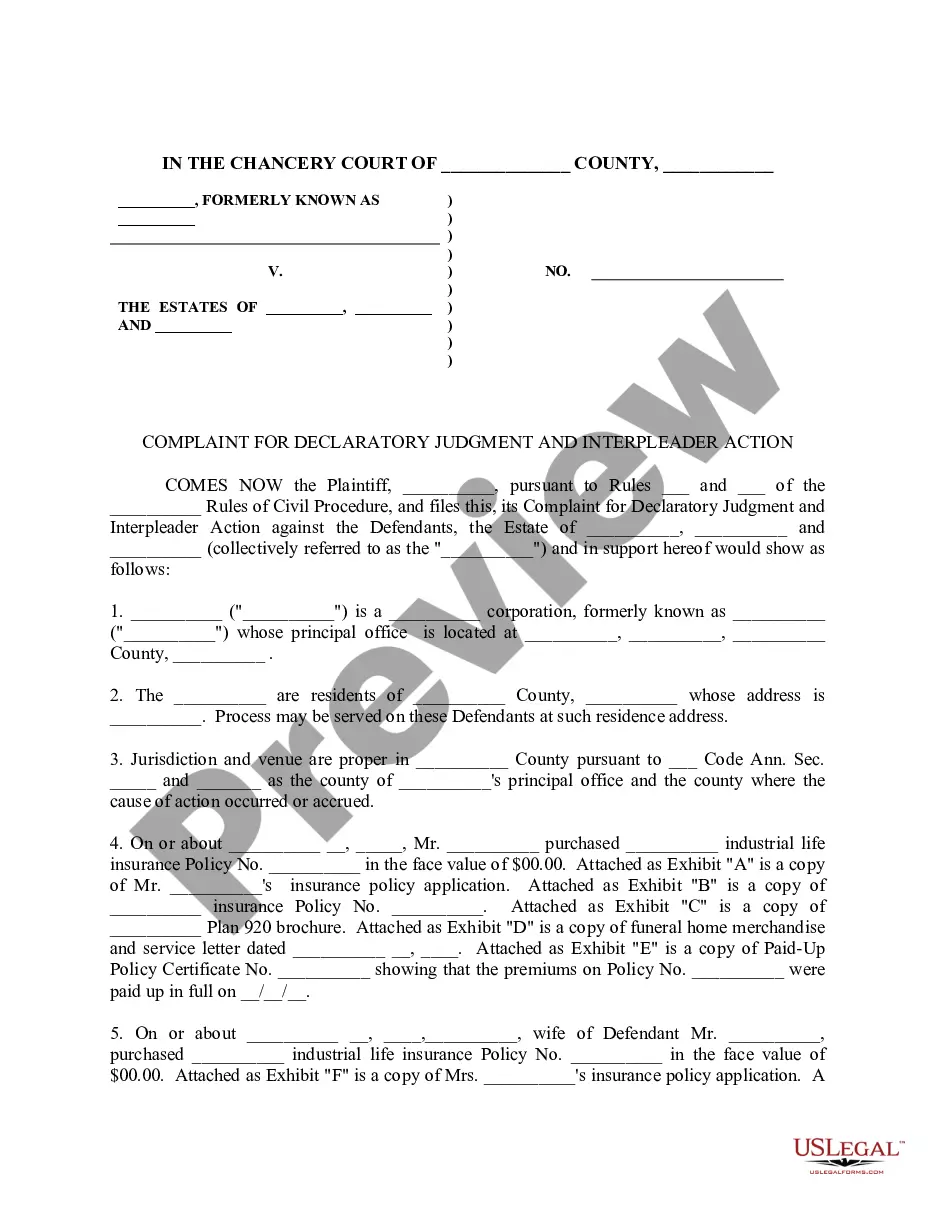
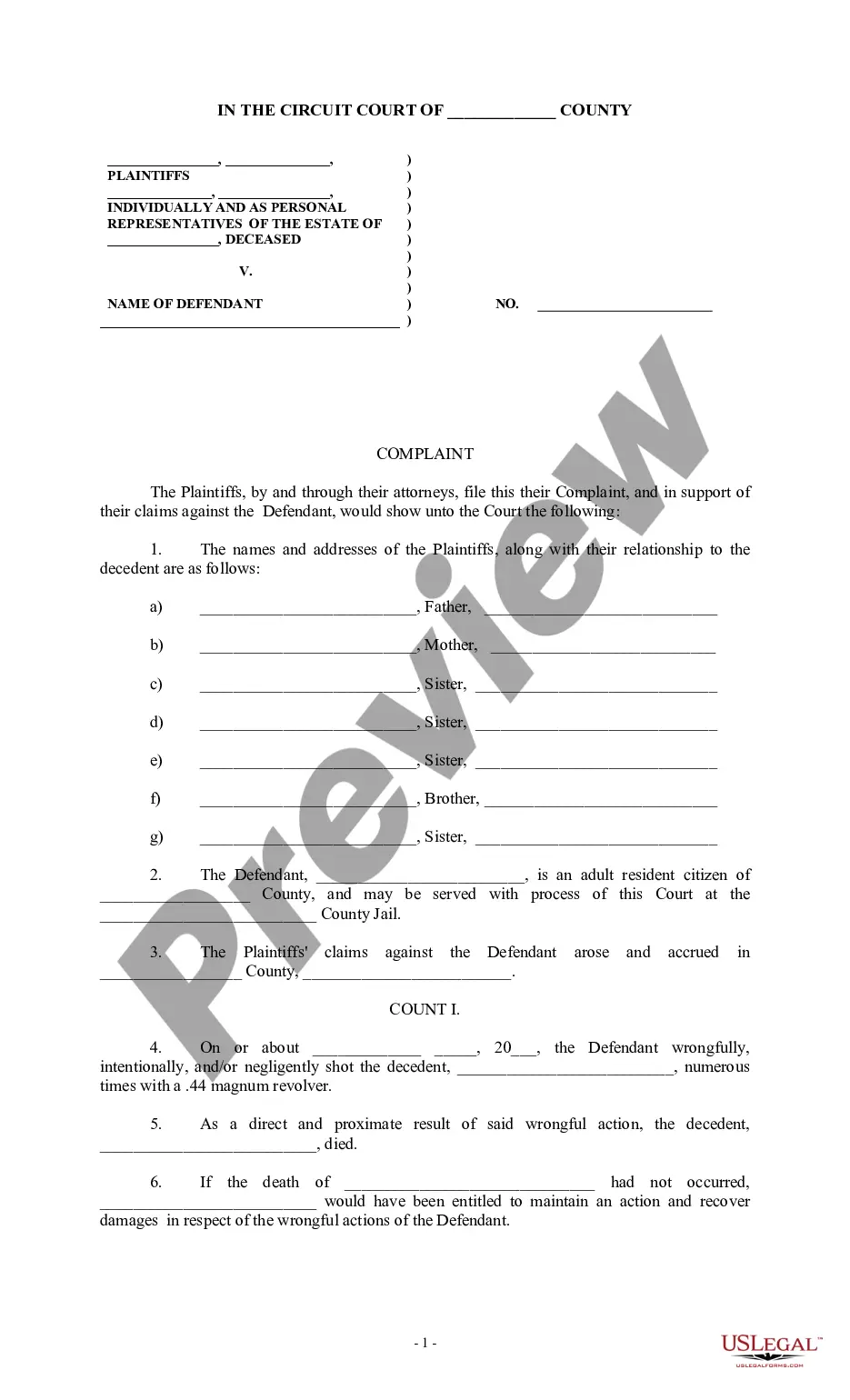
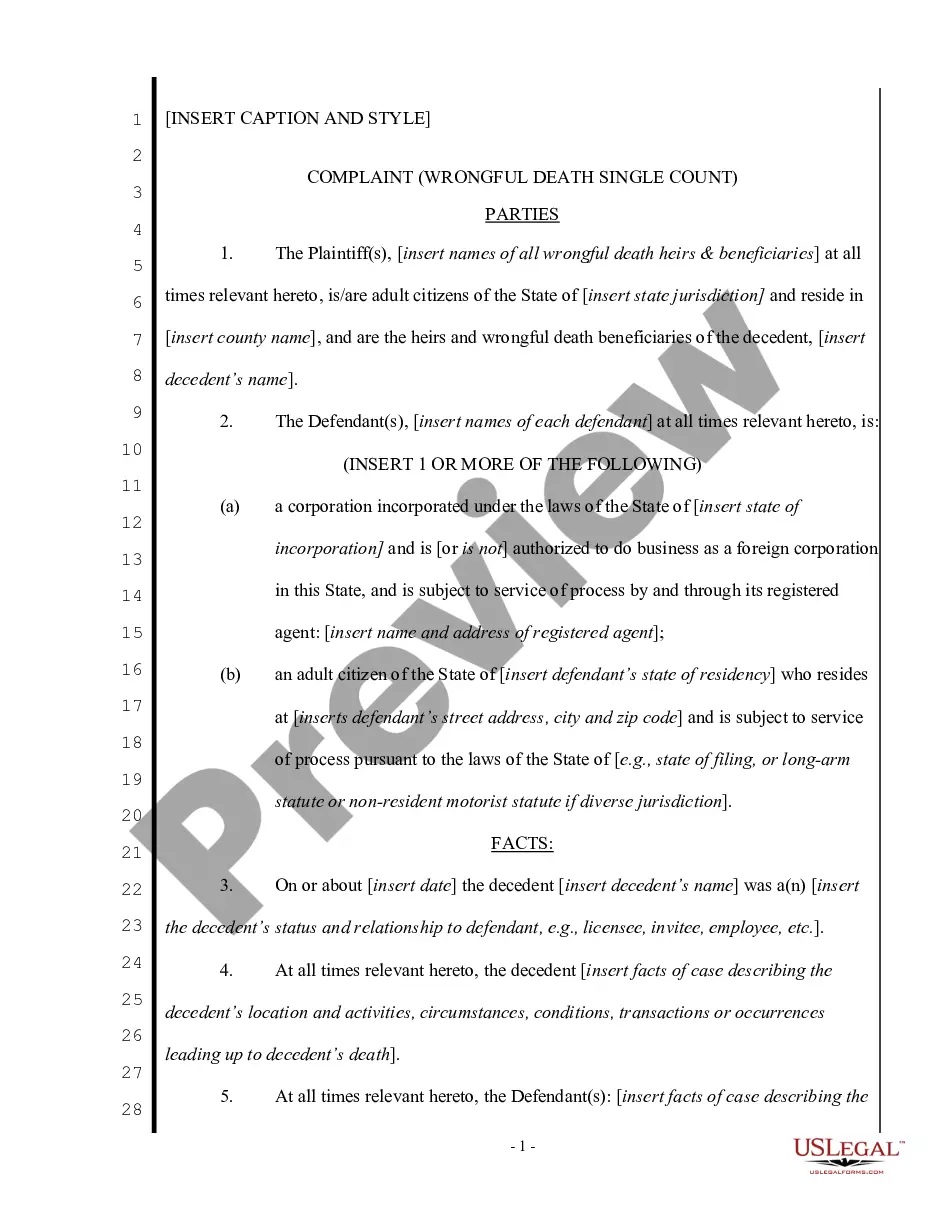
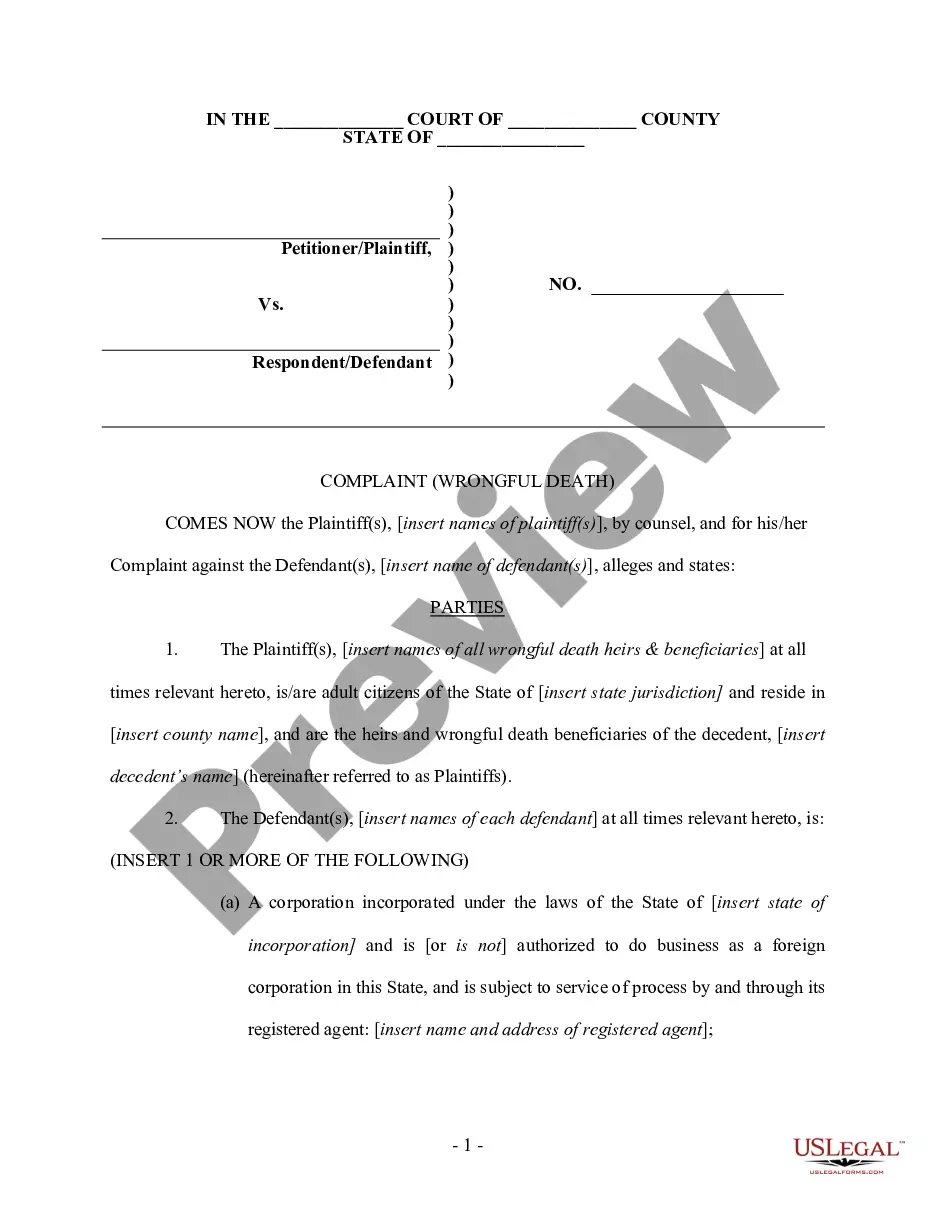
Get your form ready online
Our built-in tools help you complete, sign, share, and store your documents in one place.
Make edits, fill in missing information, and update formatting in US Legal Forms—just like you would in MS Word.
Download a copy, print it, send it by email, or mail it via USPS—whatever works best for your next step.
Sign and collect signatures with our SignNow integration. Send to multiple recipients, set reminders, and more. Go Premium to unlock E-Sign.
If this form requires notarization, complete it online through a secure video call—no need to meet a notary in person or wait for an appointment.
We protect your documents and personal data by following strict security and privacy standards.

Make edits, fill in missing information, and update formatting in US Legal Forms—just like you would in MS Word.

Download a copy, print it, send it by email, or mail it via USPS—whatever works best for your next step.

Sign and collect signatures with our SignNow integration. Send to multiple recipients, set reminders, and more. Go Premium to unlock E-Sign.

If this form requires notarization, complete it online through a secure video call—no need to meet a notary in person or wait for an appointment.

We protect your documents and personal data by following strict security and privacy standards.
Looking for another form?






Form popularity
FAQ
What Is Considered Abandoned Property In California, And How Should Landlords Handle It? In California, personal property is considered abandoned after the landlord sends an official notice and 18 days have passed.
Essentially, if a parent left their child with a non-parent for at least six months or with the child's other parent for at least a year without child support or contact, that constitutes child abandonment.
Ing to California family law, for abandonment to be considered, the leaving spouse must have no intention of returning and must remain absent for a prolonged period. This period typically extends for more than one year, but the specifics can vary.
Provided no financial support; Had little or no contact with your child for over a year; and. Had intent to abandon your child.
If you don't do what the Notice says, your landlord can start a court case to ask a judge to order you to move out. After the landlord gives you the Notice, it can take 30 to 45 days—or longer—for the judge to decide. If you lose the case, the judge can order you to move out of your home.
Essentially, if a parent left their child with a non-parent for at least six months or with the child's other parent for at least a year without child support or contact, that constitutes child abandonment.
Once you are certain that the tenant has left and is not returning, here is what to do if a tenant abandons the property. In California, after 18 days have passed once the Notice of Belief of Abandonment has been filed, you are allowed to enter the abandoned property and change locks and security codes.
If the resident responds to the notice, the resident must notify the landlord that he/she does not intend to abandon the premises and an address where he/she may be served with process. In that event, the landlord will proceed with the normal "UNLAWFUL DETAINER" procedures.
The child has been left by both parents, or a parent with sole custody, in the care and custody of another person for a period of at least six (6) months. During this period, the legal parent, or parents, have not provided financial support or had communication with the child.
California Child Neglect and Child Abandonment Laws Overview Penalties include either misdemeanor up to one year in county jail, fine, probation or felony charges (if risk of great bodily harm or death to the child) up to six years in state prison, fine, probation or parole.
