Wrongful Interference With Goods In Maricopa
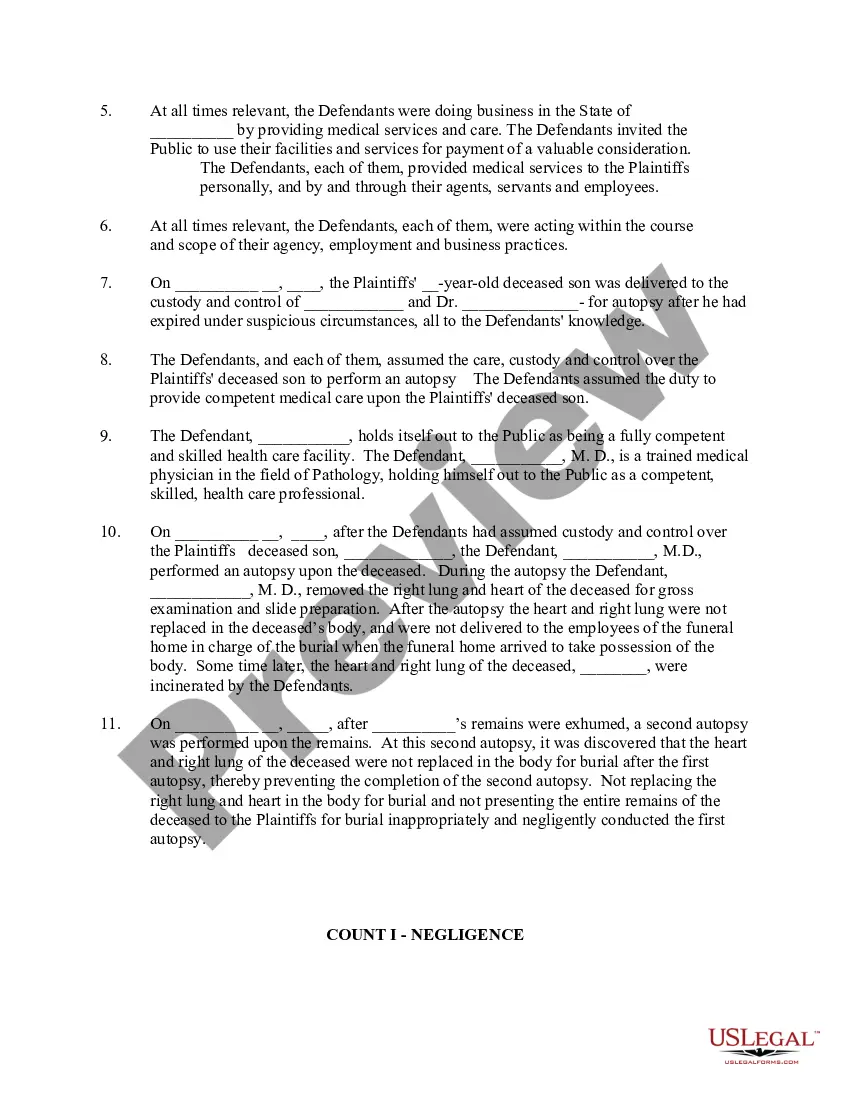
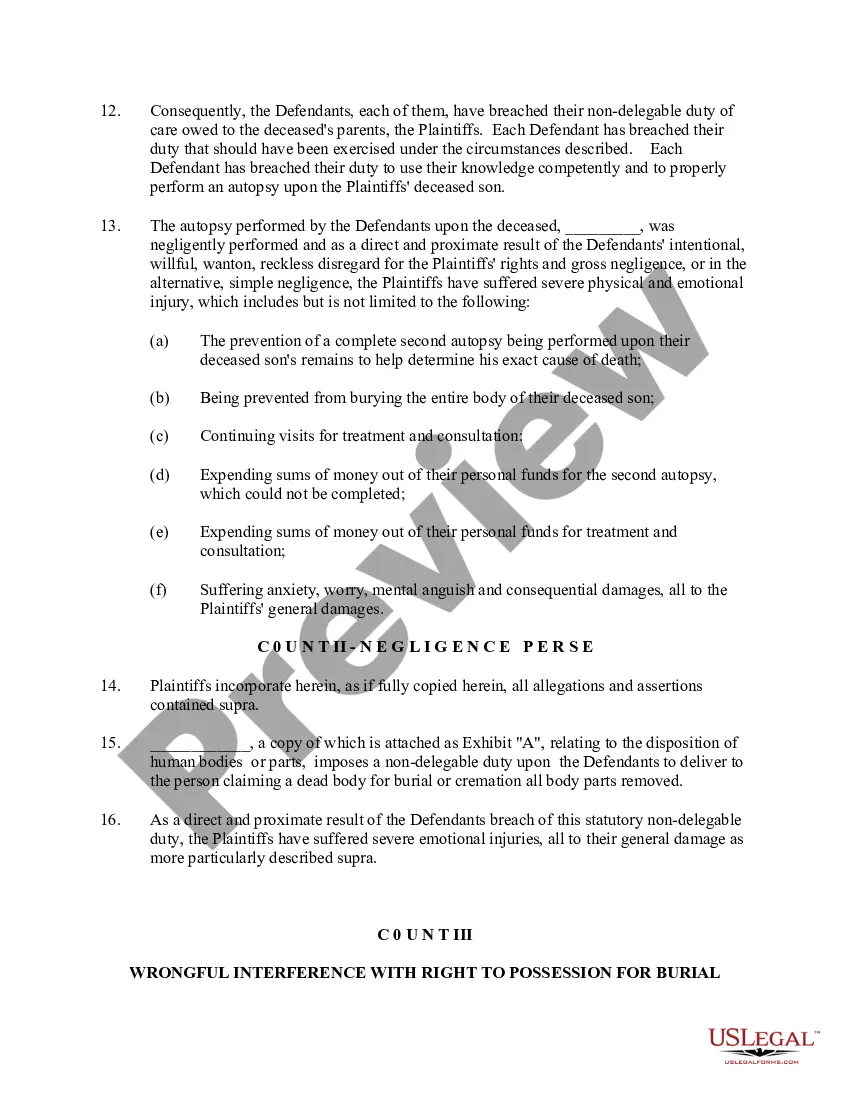
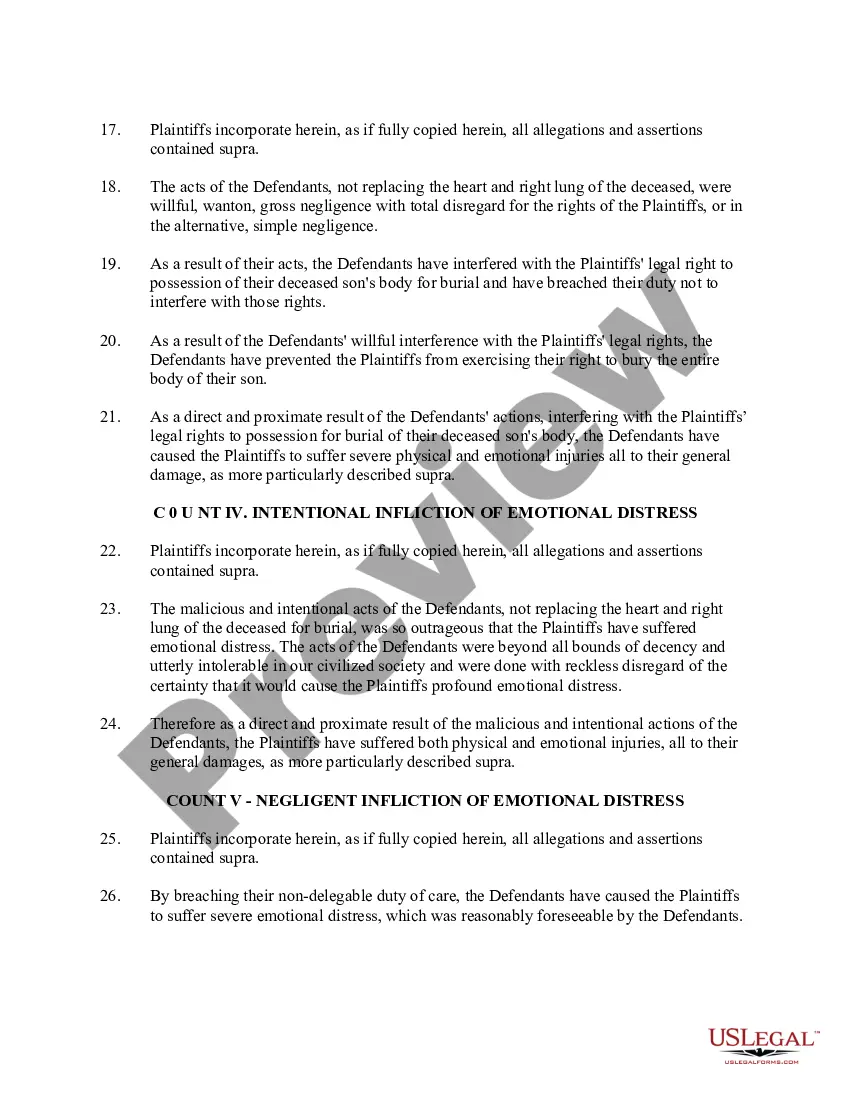
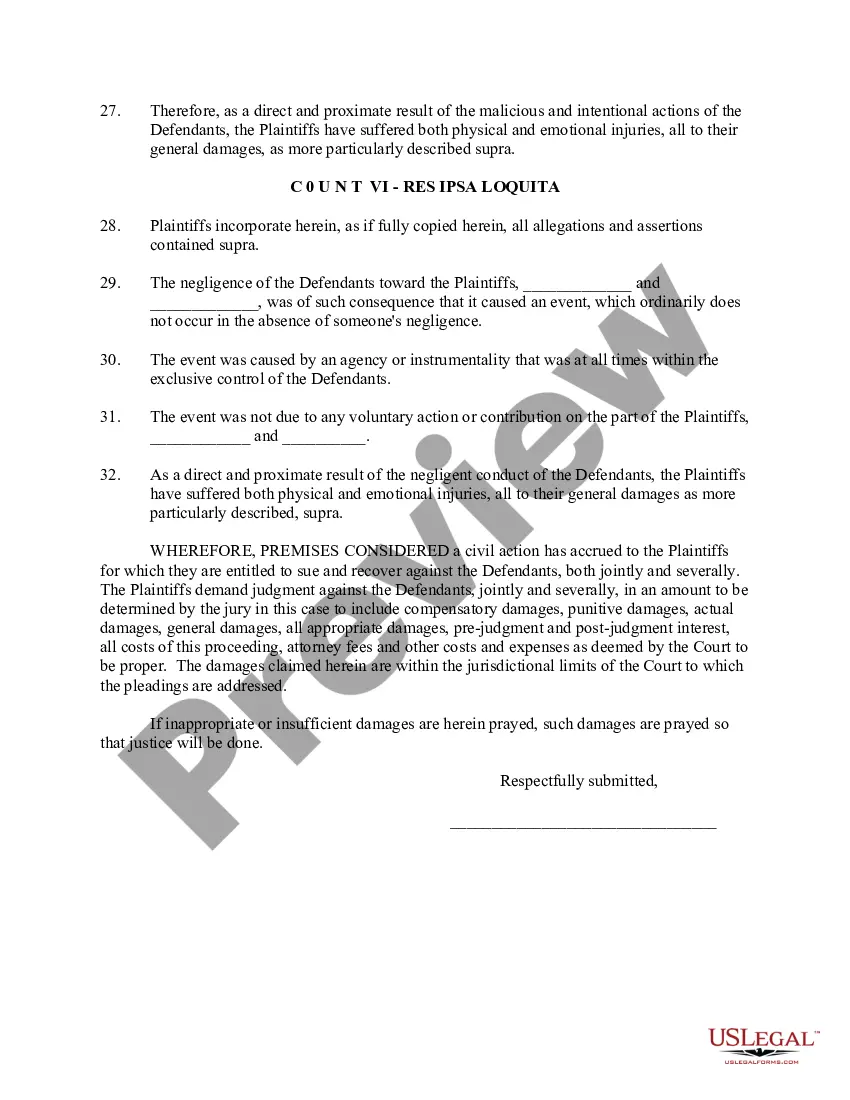
Description


Get your form ready online
Our built-in tools help you complete, sign, share, and store your documents in one place.
Make edits, fill in missing information, and update formatting in US Legal Forms—just like you would in MS Word.
Download a copy, print it, send it by email, or mail it via USPS—whatever works best for your next step.
Sign and collect signatures with our SignNow integration. Send to multiple recipients, set reminders, and more. Go Premium to unlock E-Sign.
If this form requires notarization, complete it online through a secure video call—no need to meet a notary in person or wait for an appointment.
We protect your documents and personal data by following strict security and privacy standards.

Make edits, fill in missing information, and update formatting in US Legal Forms—just like you would in MS Word.

Download a copy, print it, send it by email, or mail it via USPS—whatever works best for your next step.

Sign and collect signatures with our SignNow integration. Send to multiple recipients, set reminders, and more. Go Premium to unlock E-Sign.

If this form requires notarization, complete it online through a secure video call—no need to meet a notary in person or wait for an appointment.

We protect your documents and personal data by following strict security and privacy standards.
Looking for another form?







Form popularity
FAQ
The requisite elements of tortious interference with contract claim are: (1) the existence of a valid and enforceable contract between plaintiff and another; (2) defendant's awareness of the contractual relationship; (3) defendant's intentional and unjustified inducement of a breach of the contract; (4) a subsequent ...
Intent on the defendant's part to disrupt the economic relationship, or knowledge that disruption was likely because of their conduct; Disruption of the relationship; Harm to the plaintiff; and. A causal connection between the wrongful act and the harm.
The requisite elements of tortious interference with contract claim are: (1) the existence of a valid and enforceable contract between plaintiff and another; (2) defendant's awareness of the contractual relationship; (3) defendant's intentional and unjustified inducement of a breach of the contract; (4) a subsequent ...
Courts commonly find that a defendant may not be liable for tortious interference if it proves a defense of one of the following: 1) the protection or exercise of a legal right or interest; 2) the protection of the interests of a third person, including agents acting for the protection of their principals, trustees for ...
The elements for intentional interference with prospective economic advantage are: (1) an economic relationship between the plaintiff and some third party, with the probability of future economic benefit to the plaintiff, (2) the defendant's knowledge of the relationship, (3) intentional acts on the part of the ...
If a third party interferes with a contract or business relationship, it may be tortious interference in a business relationship. Some examples of actionable interference may include convincing a shared supplier to renege on a contract or a third party interrupting the sale of property to a business.
Courts commonly find that a defendant may not be liable for tortious interference if it proves a defense of one of the following: 1) the protection or exercise of a legal right or interest; 2) the protection of the interests of a third person, including agents acting for the protection of their principals, trustees for ...
Proving tortious interference in court is complicated. It is a complex legal issue that requires a great deal of evidence. Your best recourse is to have a business attorney who specializes in tort and contract law. Proving the legal elements of tortious interference takes experience in commercial litigation.
Wrongful interference with property embraces three general categories: (1) damage to the property; (2) interference with the owner's property rights; and (3) interference with the owner's possession of the property.
The requisite elements of tortious interference with contract claim are: (1) the existence of a valid and enforceable contract between plaintiff and another; (2) defendant's awareness of the contractual relationship; (3) defendant's intentional and unjustified inducement of a breach of the contract; (4) a subsequent ...