Wrongful Interference With A Contractual Relationship In Hennepin
Description

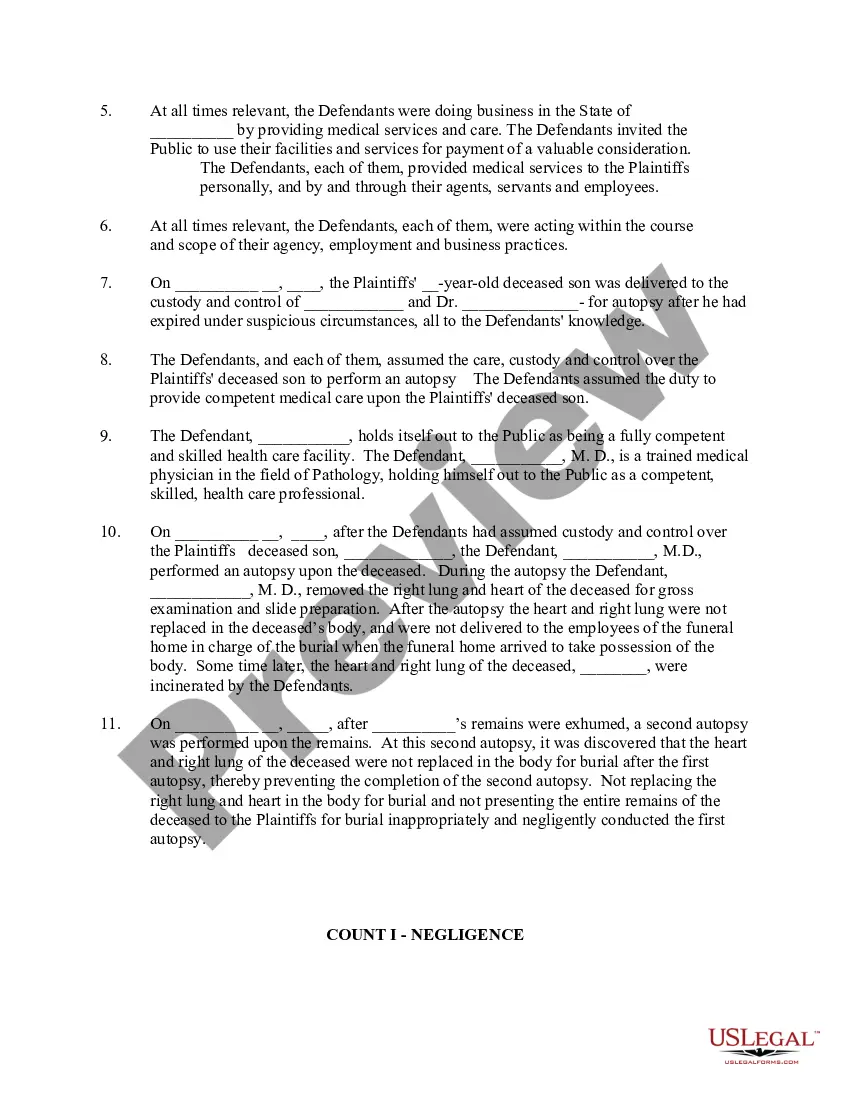
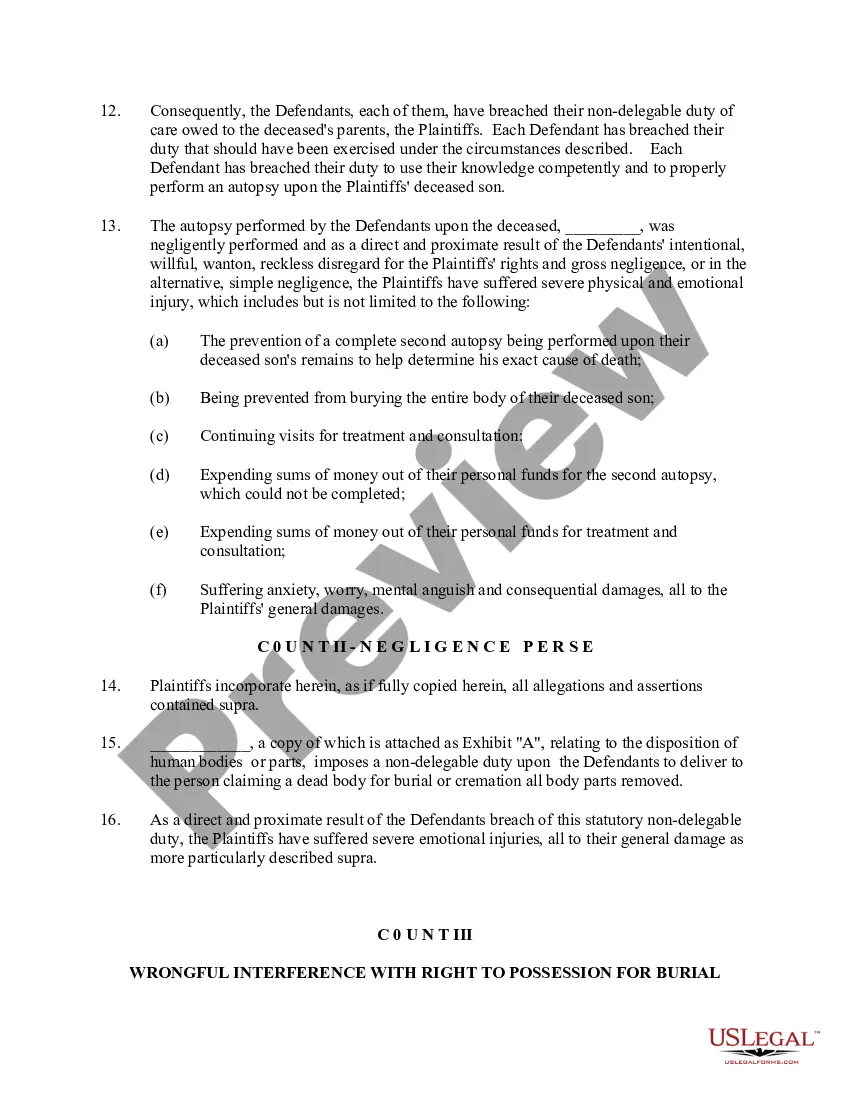
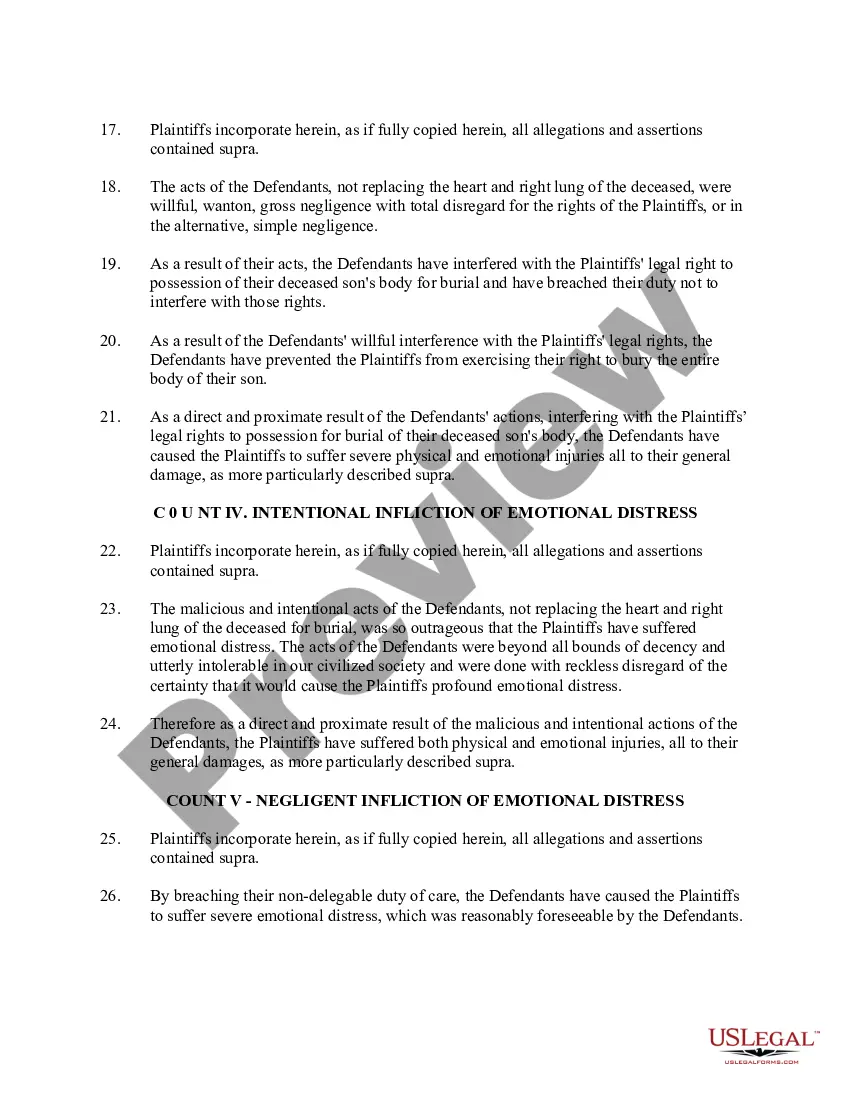
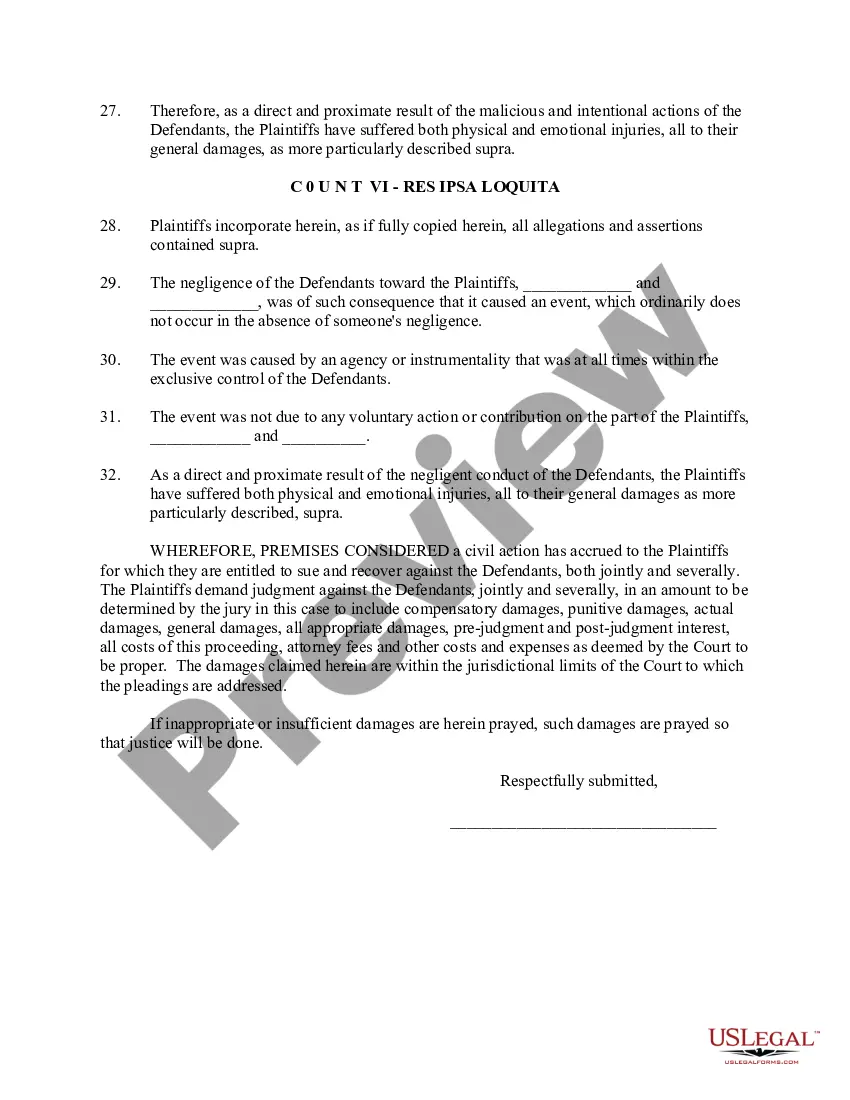

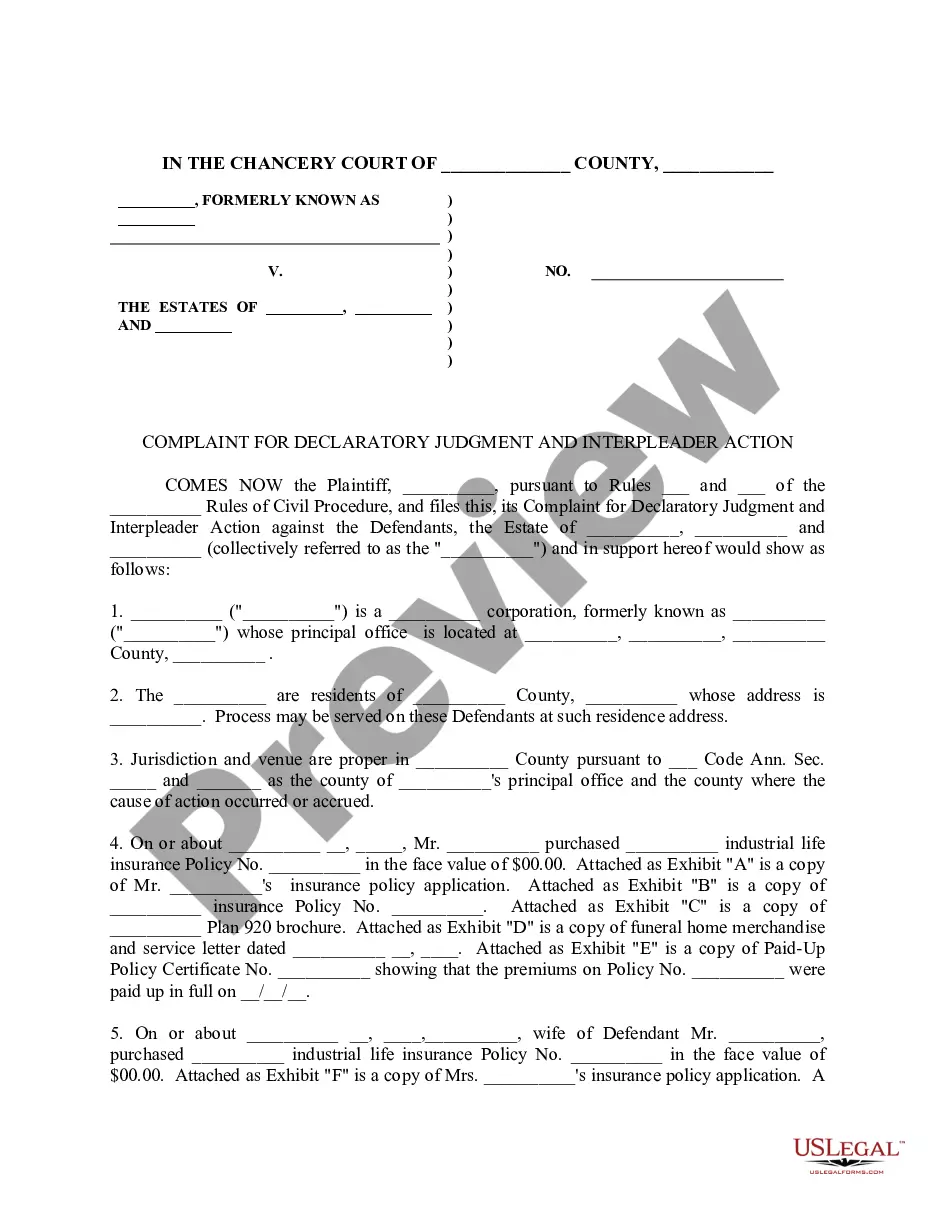
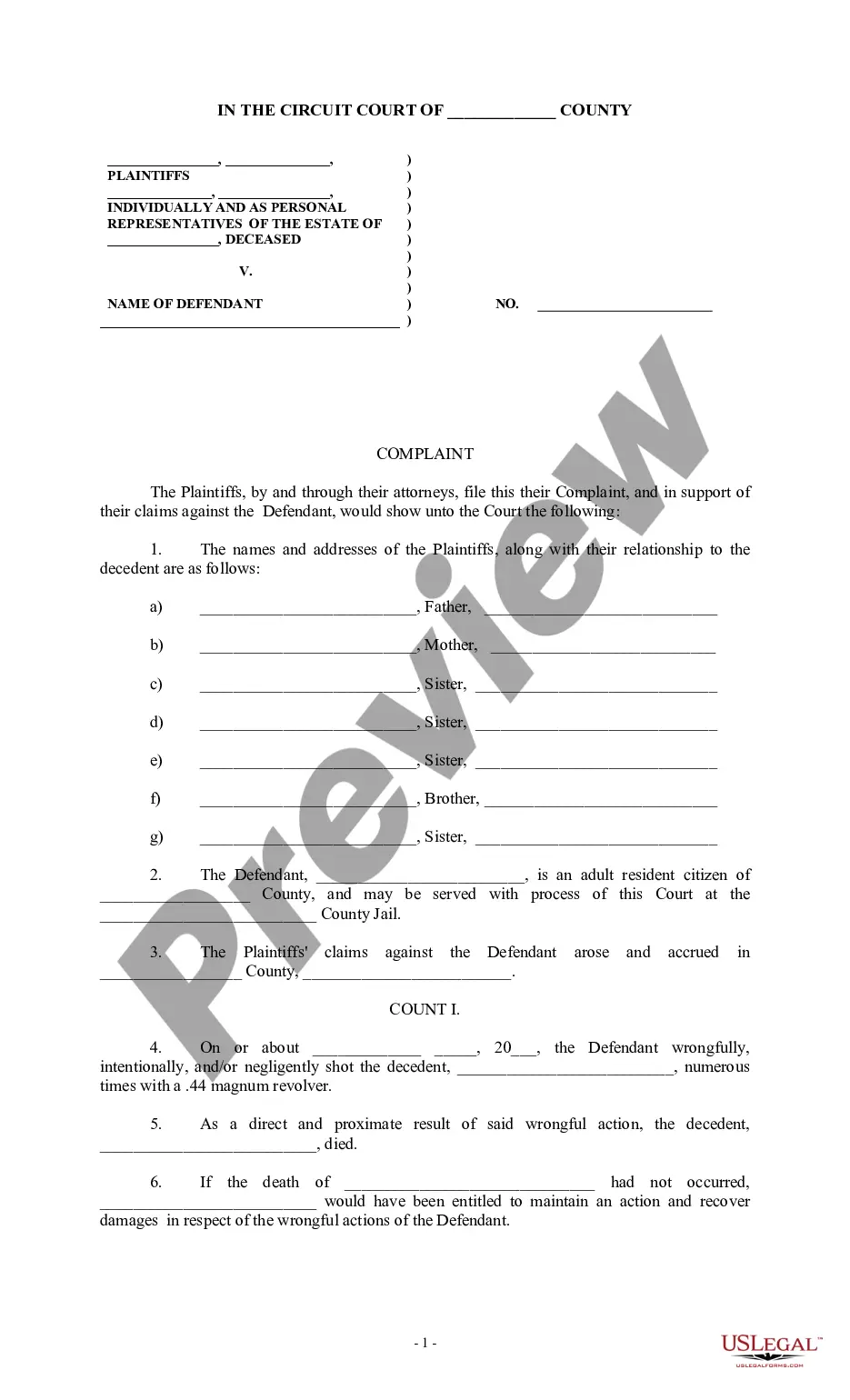
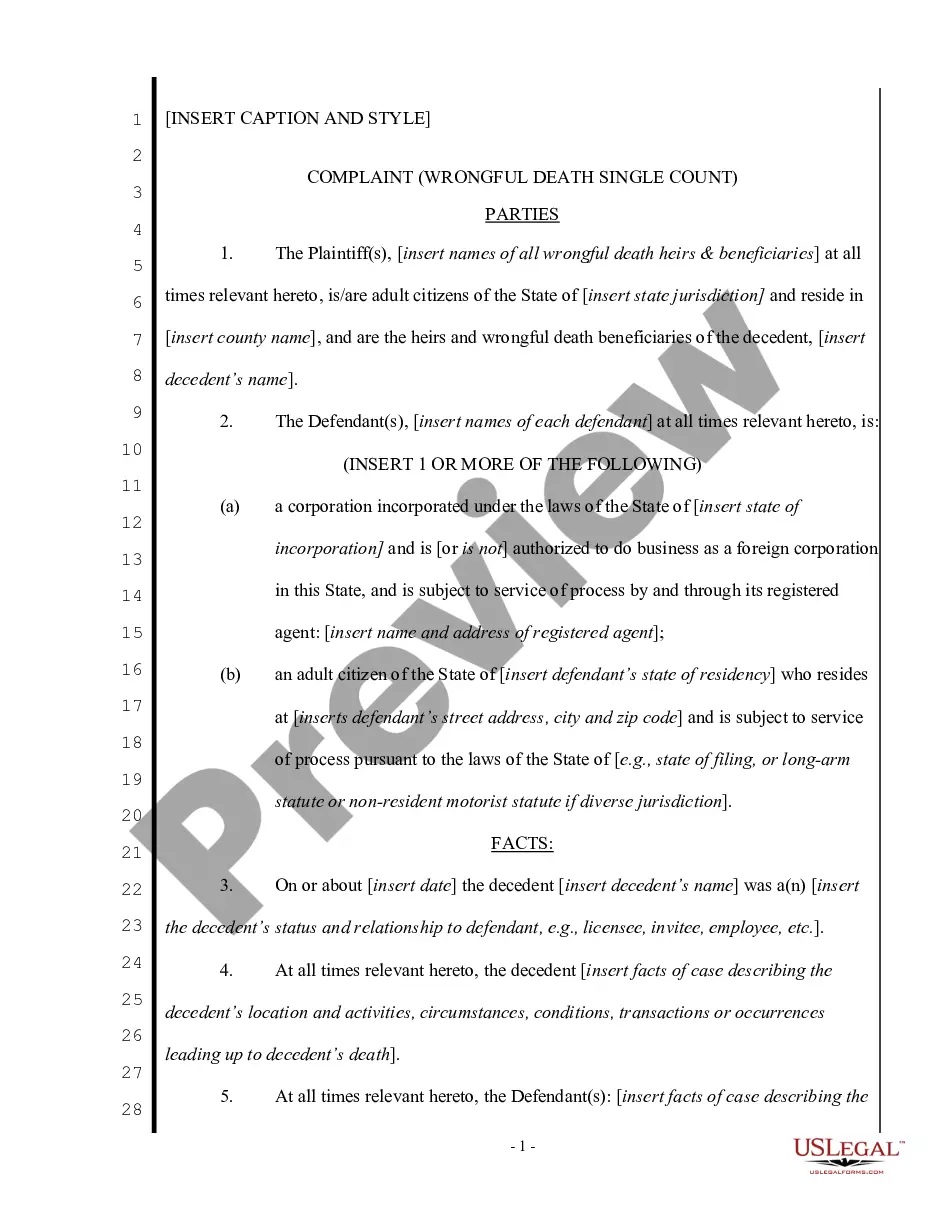
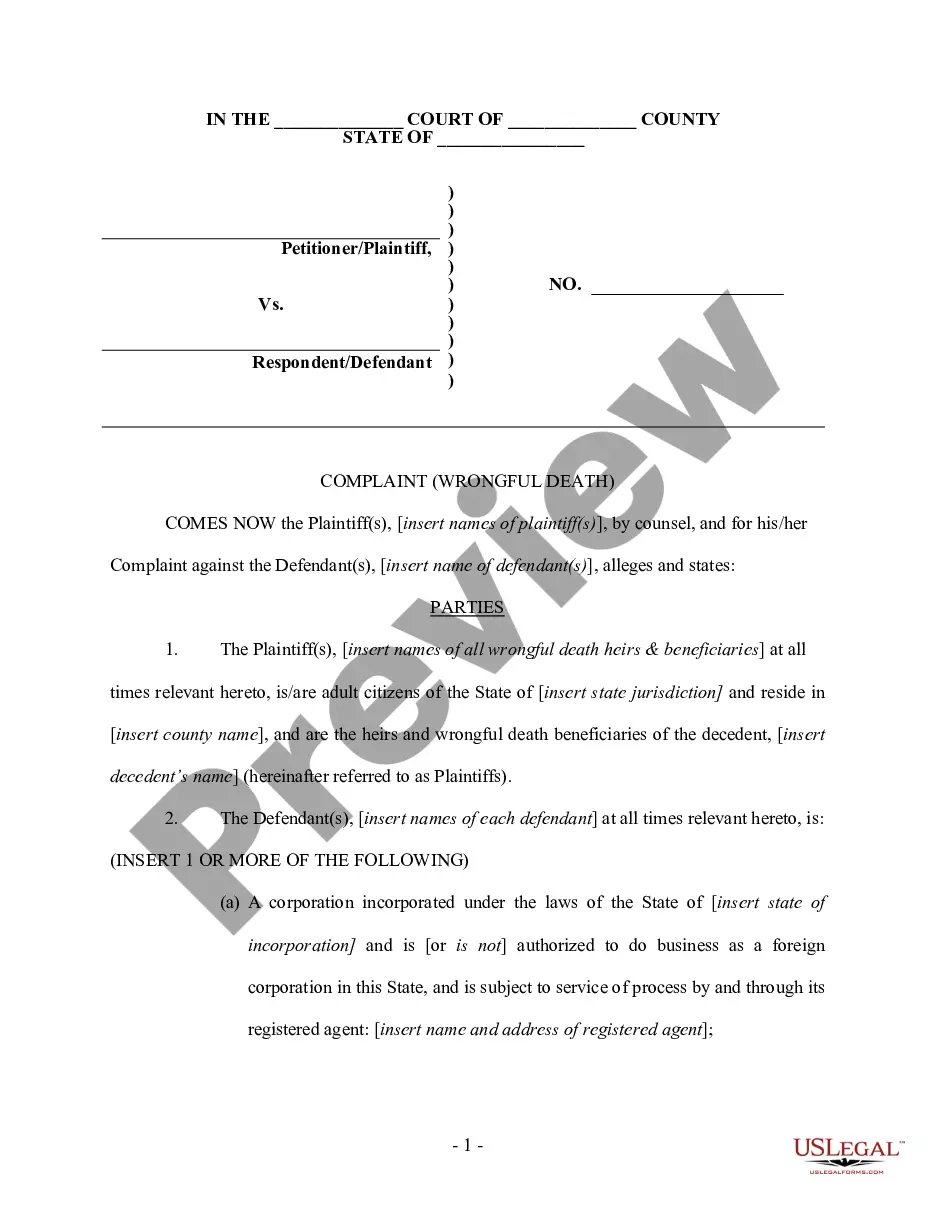
Get your form ready online
Our built-in tools help you complete, sign, share, and store your documents in one place.
Make edits, fill in missing information, and update formatting in US Legal Forms—just like you would in MS Word.
Download a copy, print it, send it by email, or mail it via USPS—whatever works best for your next step.
Sign and collect signatures with our SignNow integration. Send to multiple recipients, set reminders, and more. Go Premium to unlock E-Sign.
If this form requires notarization, complete it online through a secure video call—no need to meet a notary in person or wait for an appointment.
We protect your documents and personal data by following strict security and privacy standards.

Make edits, fill in missing information, and update formatting in US Legal Forms—just like you would in MS Word.

Download a copy, print it, send it by email, or mail it via USPS—whatever works best for your next step.

Sign and collect signatures with our SignNow integration. Send to multiple recipients, set reminders, and more. Go Premium to unlock E-Sign.

If this form requires notarization, complete it online through a secure video call—no need to meet a notary in person or wait for an appointment.

We protect your documents and personal data by following strict security and privacy standards.
Looking for another form?








Form popularity
FAQ
Defenses against tortious interference claims include justification, lack of knowledge, or unintentional actions. Remedies may involve compensatory damages, punitive damages, injunctions, or restitution to address the harm caused.
To recover damages for inducing breach of contract in California, the plaintiff must prove that: The plaintiff was in a valid contractual relationship with a third party; The defendant knew of the existing contract; The defendant intended to induce the third party to breach the contract with the plaintiff;
Tortious interference is a common law tort allowing a claim for damages against a defendant who wrongfully interferes with the plaintiff's contractual or business relationships. See also intentional interference with contractual relations.
Examples of Interference This act of force, or inducement, can take different forms, including threats, blackmail or libel, improper or unethical actions, breach of contract, or by more open forms of interference — for instance, by refusing to transport goods.
The requisite elements of tortious interference with contract claim are: (1) the existence of a valid and enforceable contract between plaintiff and another; (2) defendant's awareness of the contractual relationship; (3) defendant's intentional and unjustified inducement of a breach of the contract; (4) a subsequent ...
Primary tabs The existence of a valid contract between the plaintiff and a third party; The defendant having knowledge of the contract; The defendant intentionally and unjustifiably inducing the third party to breach the contract; The occurrence of the breach resulting from the defendant's conduct; and. Damages.
(1) the existence of a valid contractual relationship or business expectancy; (2) that defendants had knowledge of that relationship; (3) an intentional interference inducing or causing a breach or termination of the relationship or expectancy; (4) that defendants interfered for an improper purpose or used improper ...
Tortious interference, also known as intentional interference with contractual relations, in the common law of torts, occurs when one person intentionally damages someone else's contractual or business relationships with a third party, causing economic harm.
To recover damages for inducing breach of contract in California, the plaintiff must prove that: The plaintiff was in a valid contractual relationship with a third party; The defendant knew of the existing contract; The defendant intended to induce the third party to breach the contract with the plaintiff;
