Wrongful Possession Of Property In Fulton
Description

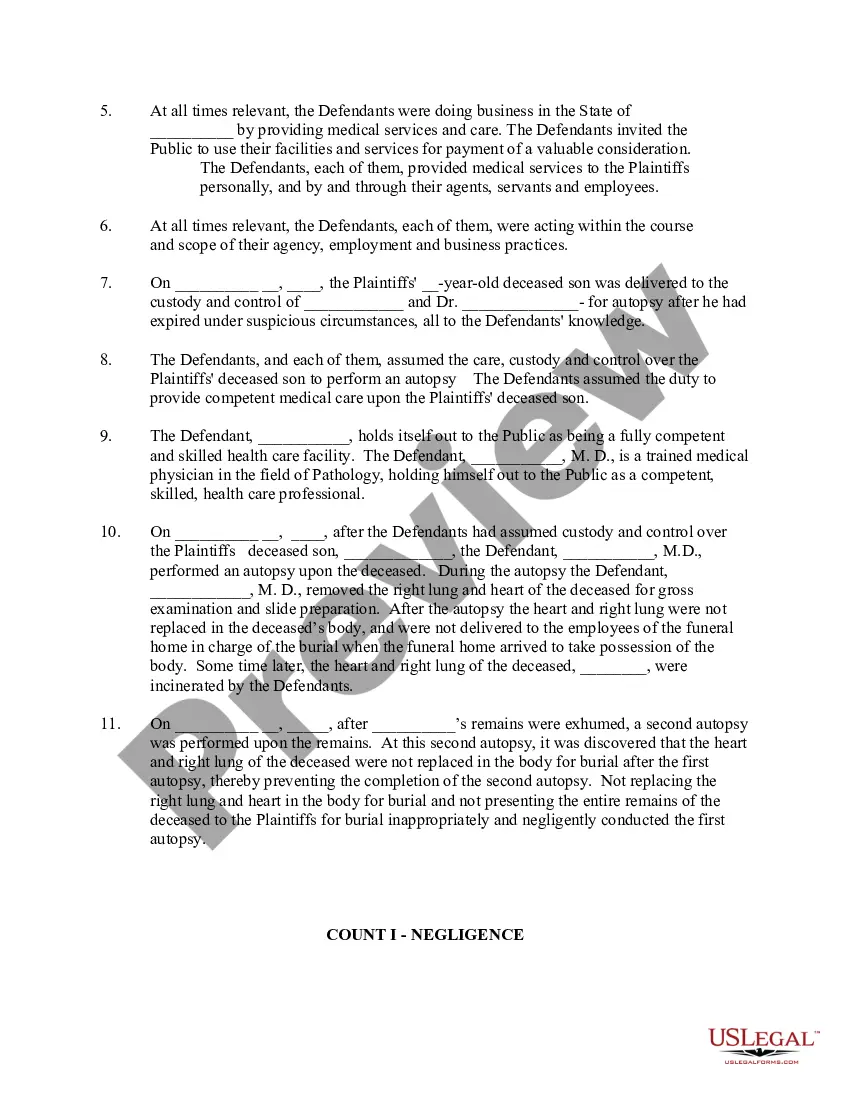
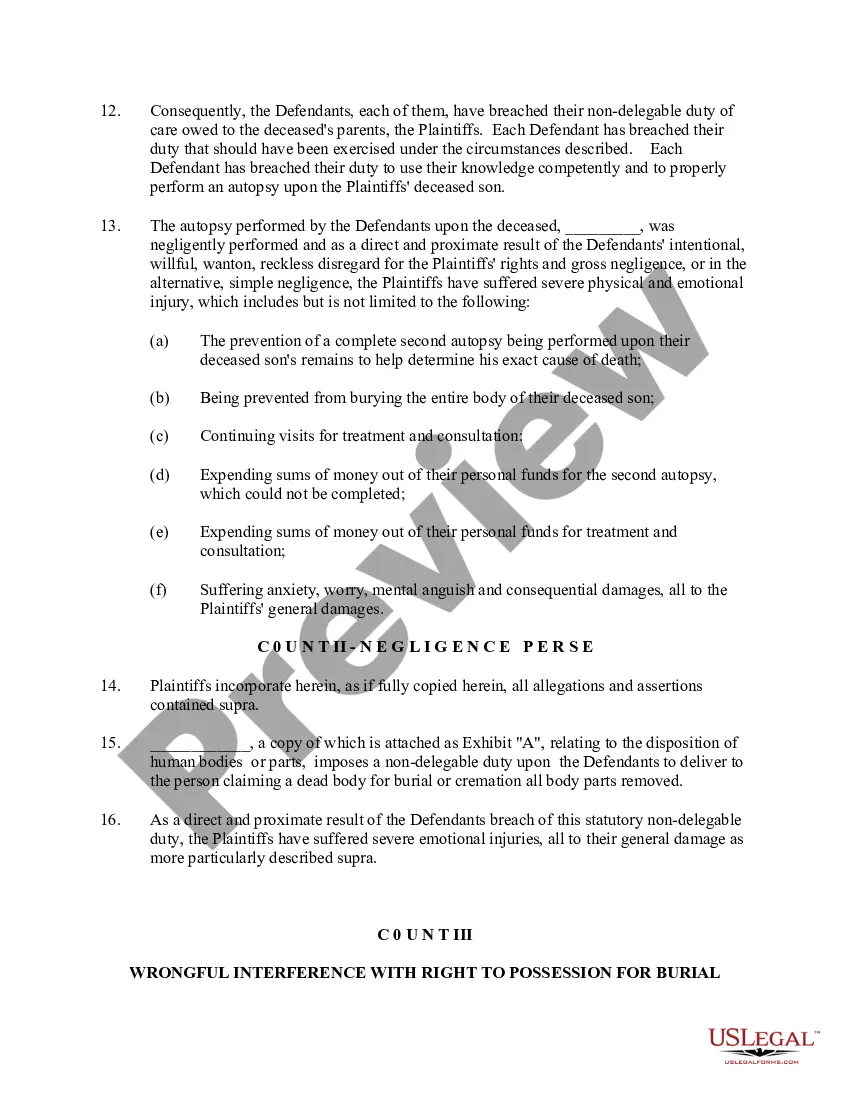
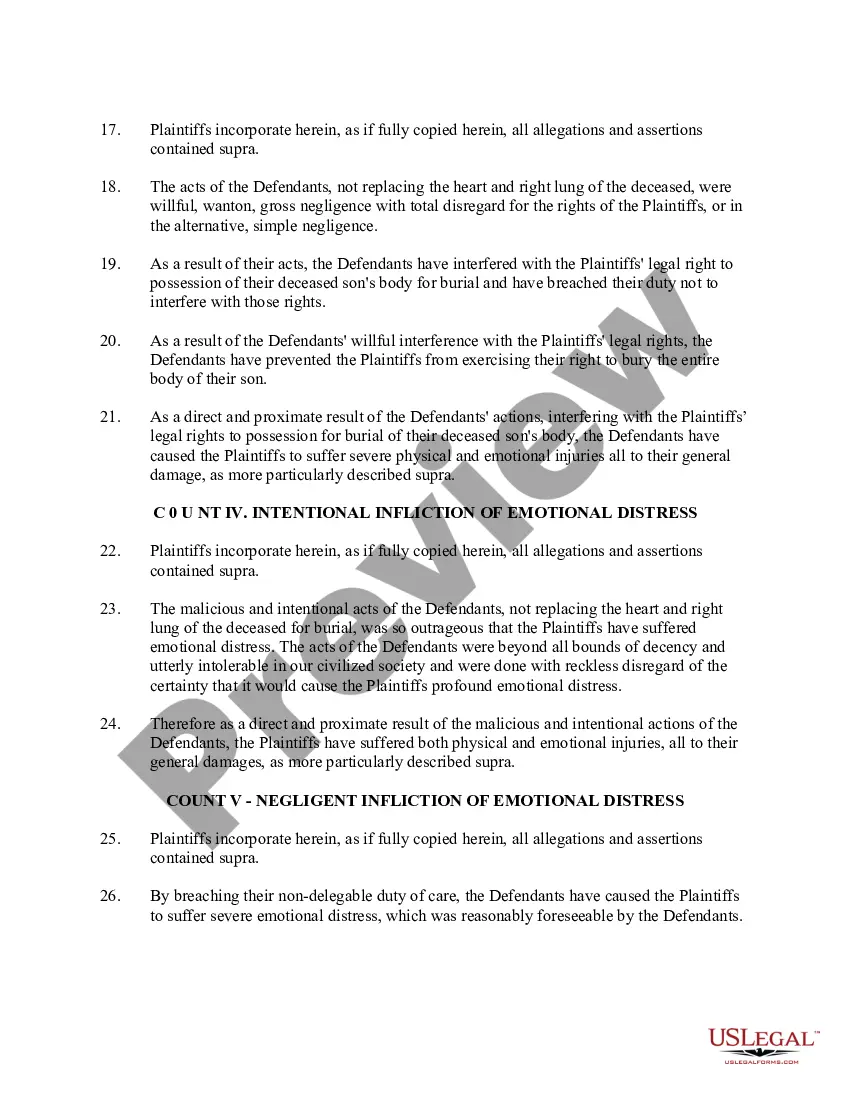
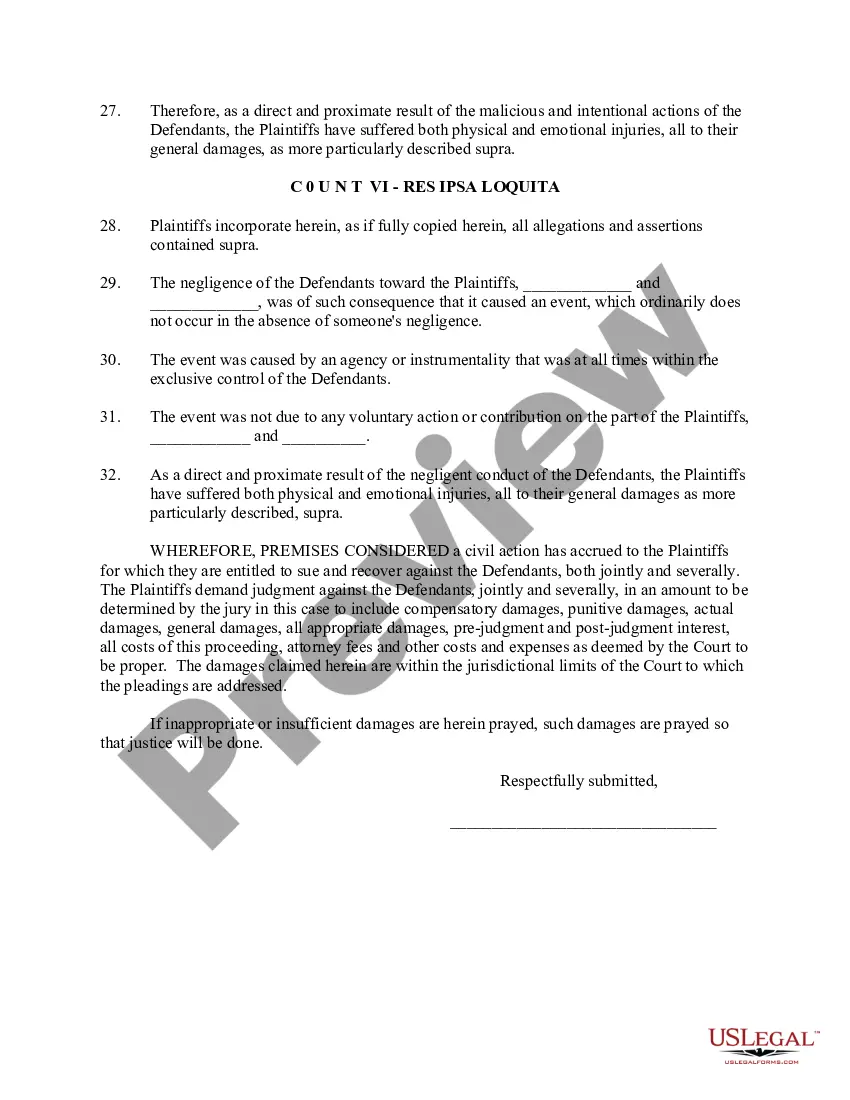

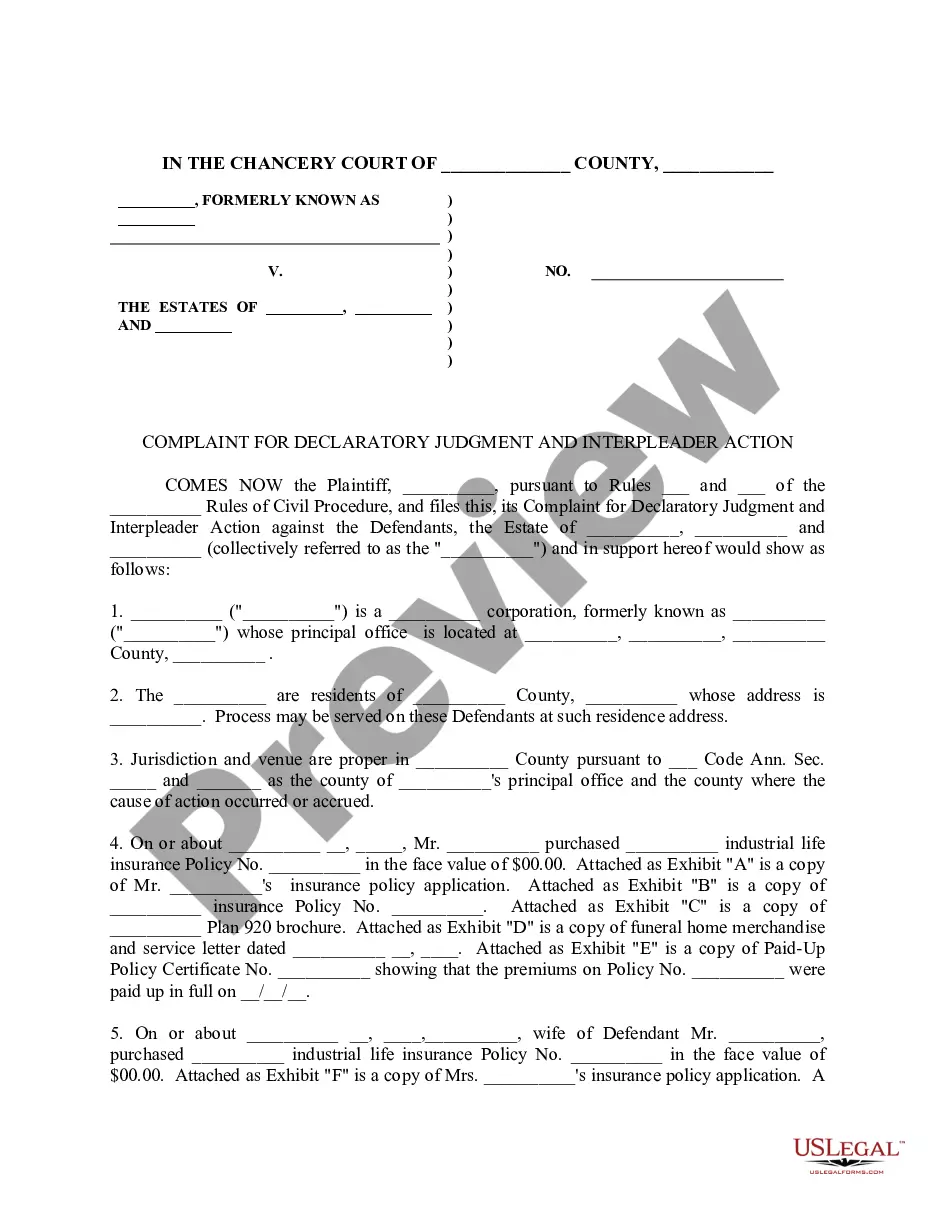
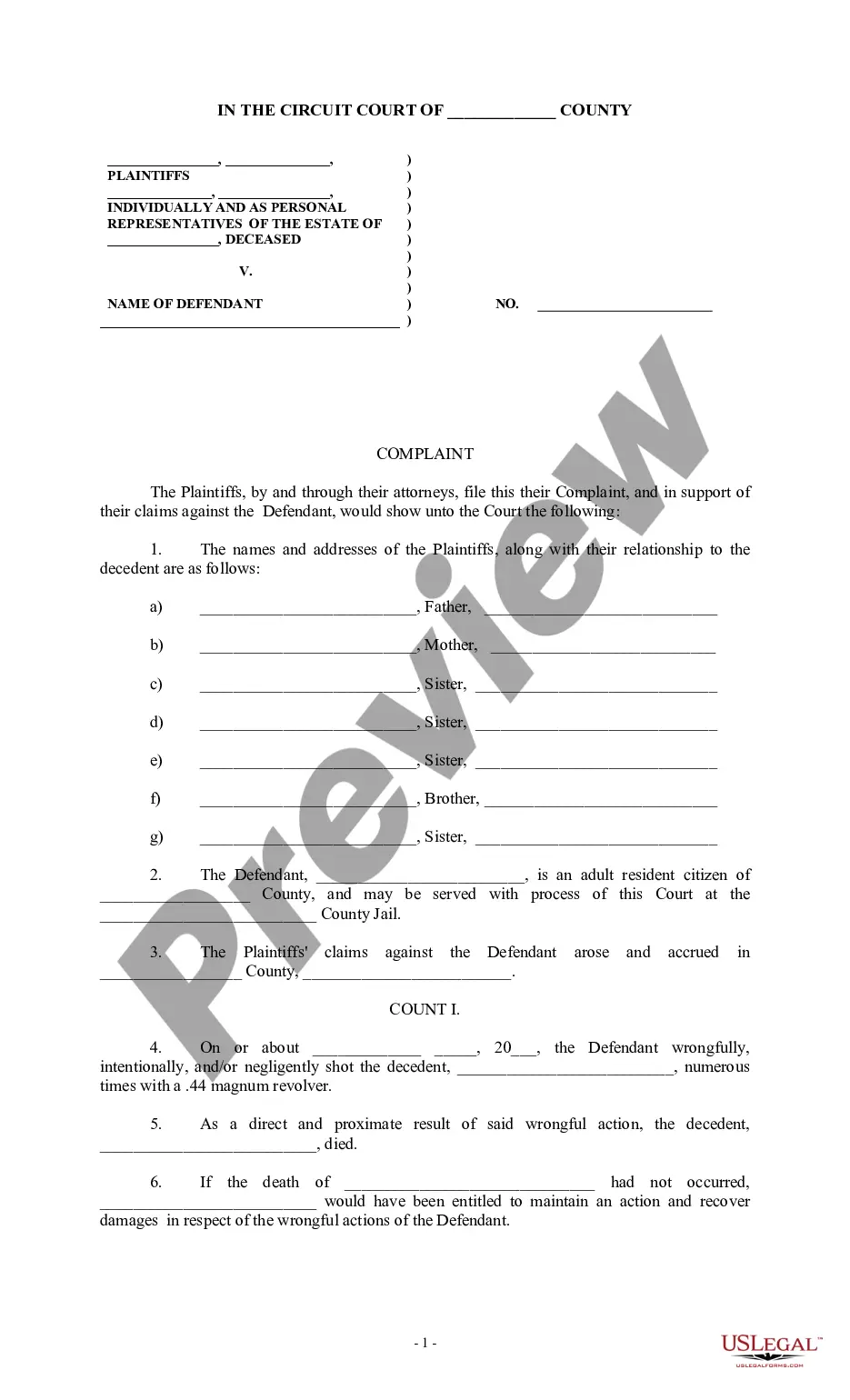
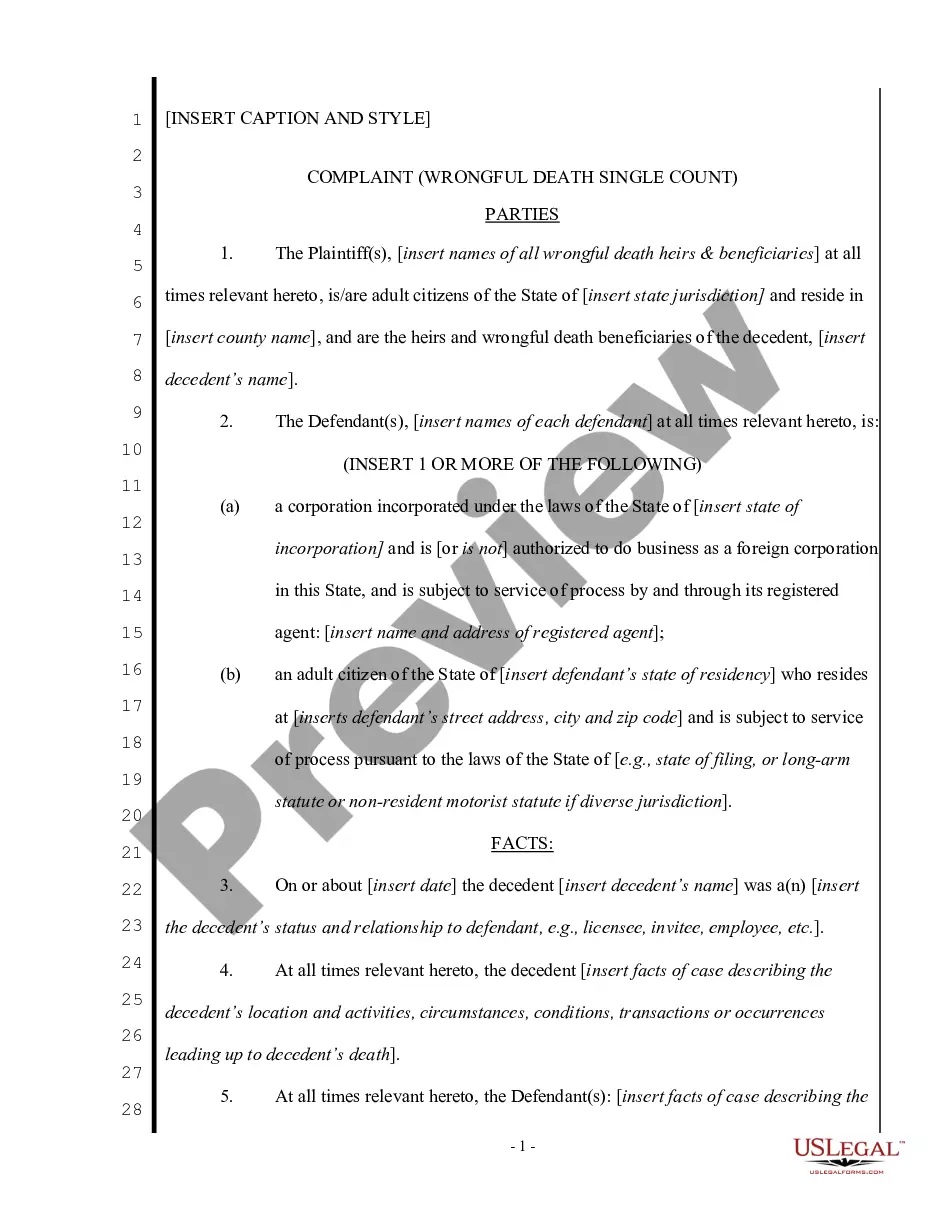
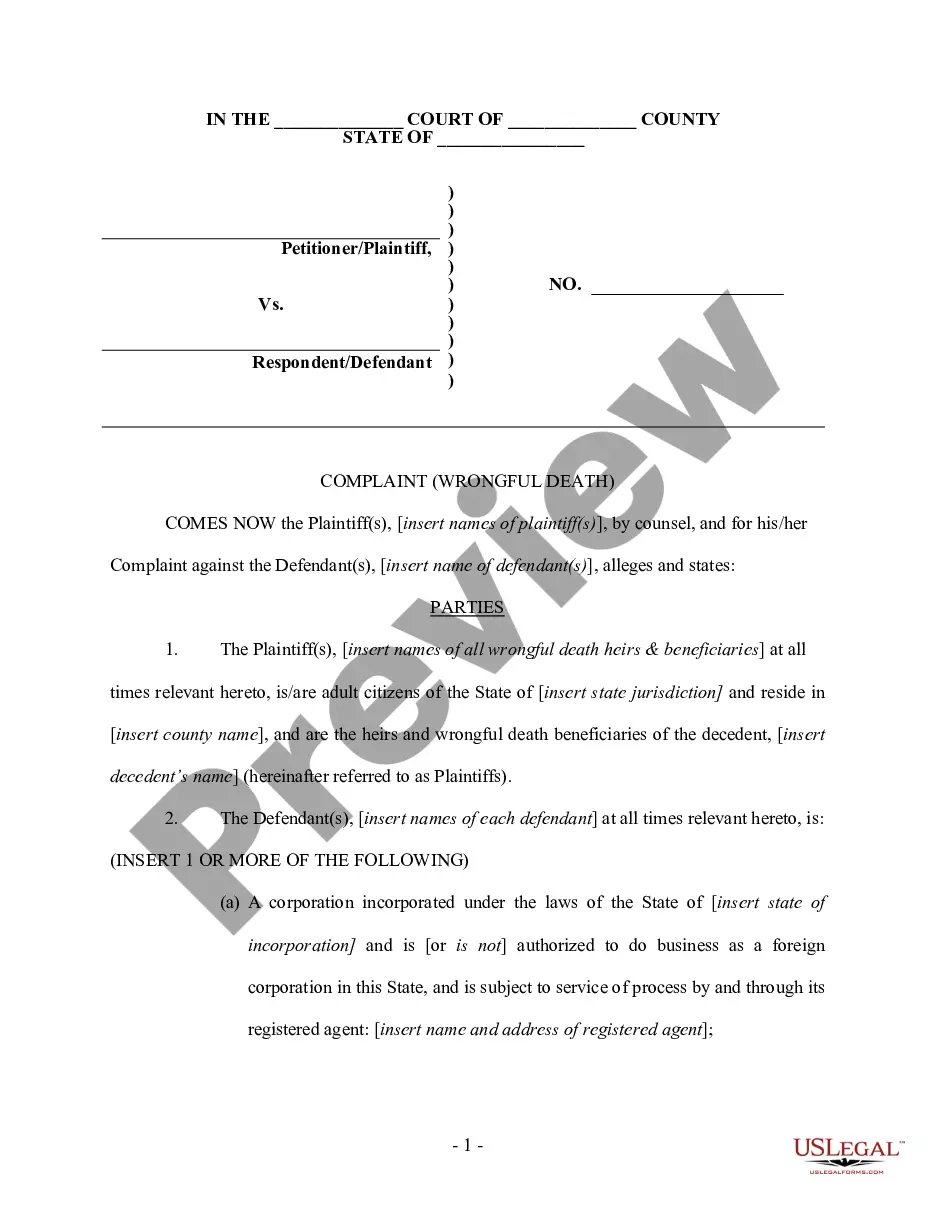
Get your form ready online
Our built-in tools help you complete, sign, share, and store your documents in one place.
Make edits, fill in missing information, and update formatting in US Legal Forms—just like you would in MS Word.
Download a copy, print it, send it by email, or mail it via USPS—whatever works best for your next step.
Sign and collect signatures with our SignNow integration. Send to multiple recipients, set reminders, and more. Go Premium to unlock E-Sign.
If this form requires notarization, complete it online through a secure video call—no need to meet a notary in person or wait for an appointment.
We protect your documents and personal data by following strict security and privacy standards.

Make edits, fill in missing information, and update formatting in US Legal Forms—just like you would in MS Word.

Download a copy, print it, send it by email, or mail it via USPS—whatever works best for your next step.

Sign and collect signatures with our SignNow integration. Send to multiple recipients, set reminders, and more. Go Premium to unlock E-Sign.

If this form requires notarization, complete it online through a secure video call—no need to meet a notary in person or wait for an appointment.

We protect your documents and personal data by following strict security and privacy standards.
Looking for another form?










Form popularity
FAQ
If the judgment is in the landlord's favor, the court will issue a writ of possession seven days after the judgment is entered (OCGA § 44-7-55(a)). The tenant must move out within the seven days, but they can also file an appeal to the judgment during this period.
The only thing you can do at this point is file a Motion to Stay Execution of Writ of Possession. This motion will put the execution of the eviction order on hold for up to 10 days.
If the judgment is in the landlord's favor, the court will issue a writ of possession seven days after the judgment is entered (OCGA § 44-7-55(a)). The tenant must move out within the seven days, but they can also file an appeal to the judgment during this period.
A Demand for Possession is a formal request from a landlord to their tenant to leave the property, which has the force of law behind it. A Notice to Quit is an informal letter from one party to another, usually just before legal proceedings begin.
A writ of possession is issued to evict an occupant from the property. The dispossessory complaint is filed under oath by the owner (landlord), testifying to the unlawful possession of the owners property by a tenant. The relationship between the parties must be Landlord and Tenant.
Notice Requirements: Landlords in Delaware must provide proper notice before commencing an eviction, which includes a 5-day notice for unpaid rent or a 7-day notice for lease violations.
The tenant should file a written answer stating why the landlord does not have the right to remove them from the property. If the tenant cannot write, the answer can be made orally, written down by the clerk and signed by the tenant.
Provided that the tenant does not appeal for reconsideration, a Writ of Possession is issued no less than 7 days after the landlord wins the case.
Timeline for Eviction Proceedings It takes about 14 to 90 days from the issuance of the Notice to Vacate, depending on the reason for eviction and the lease agreement.
