Wrongful Accusation Charges In Cuyahoga
Description


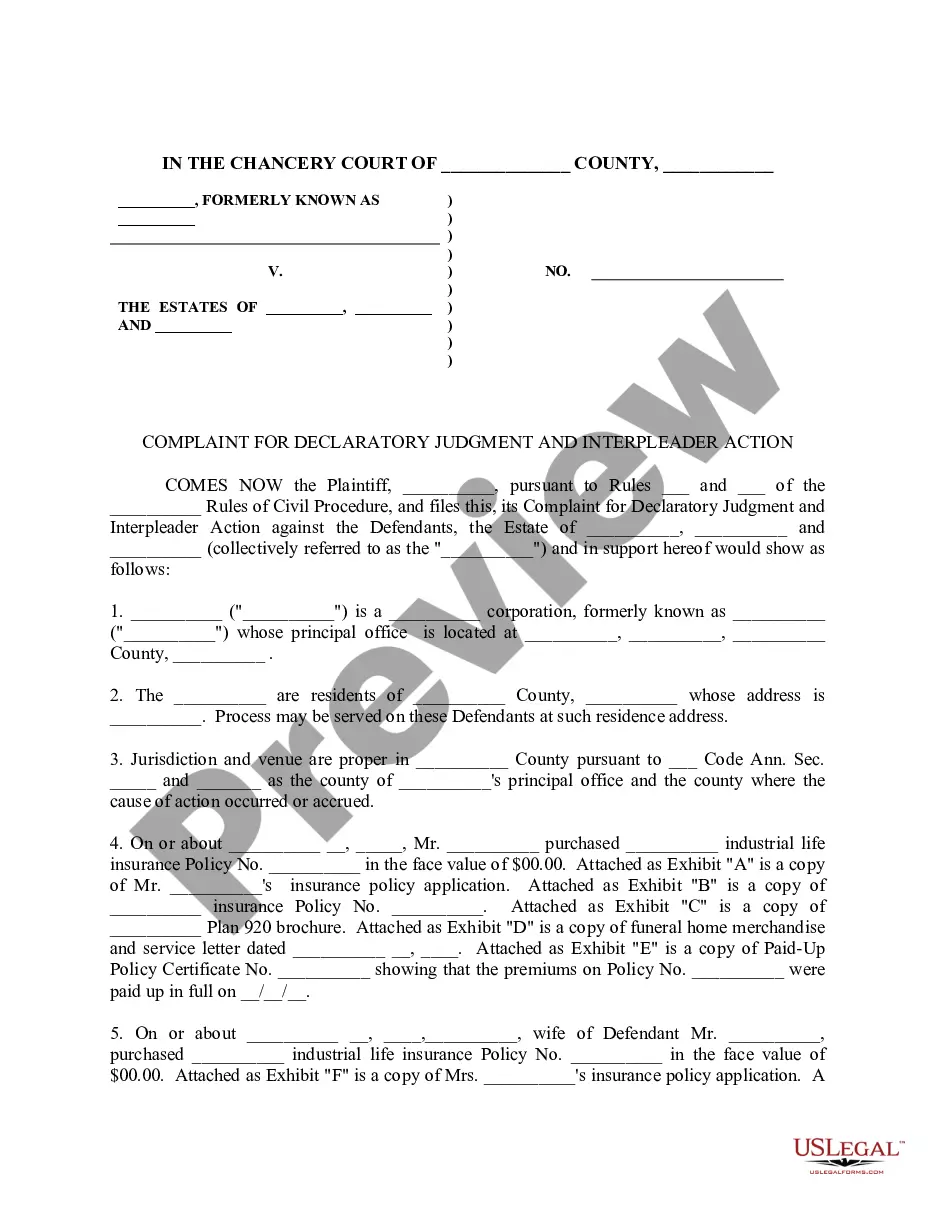
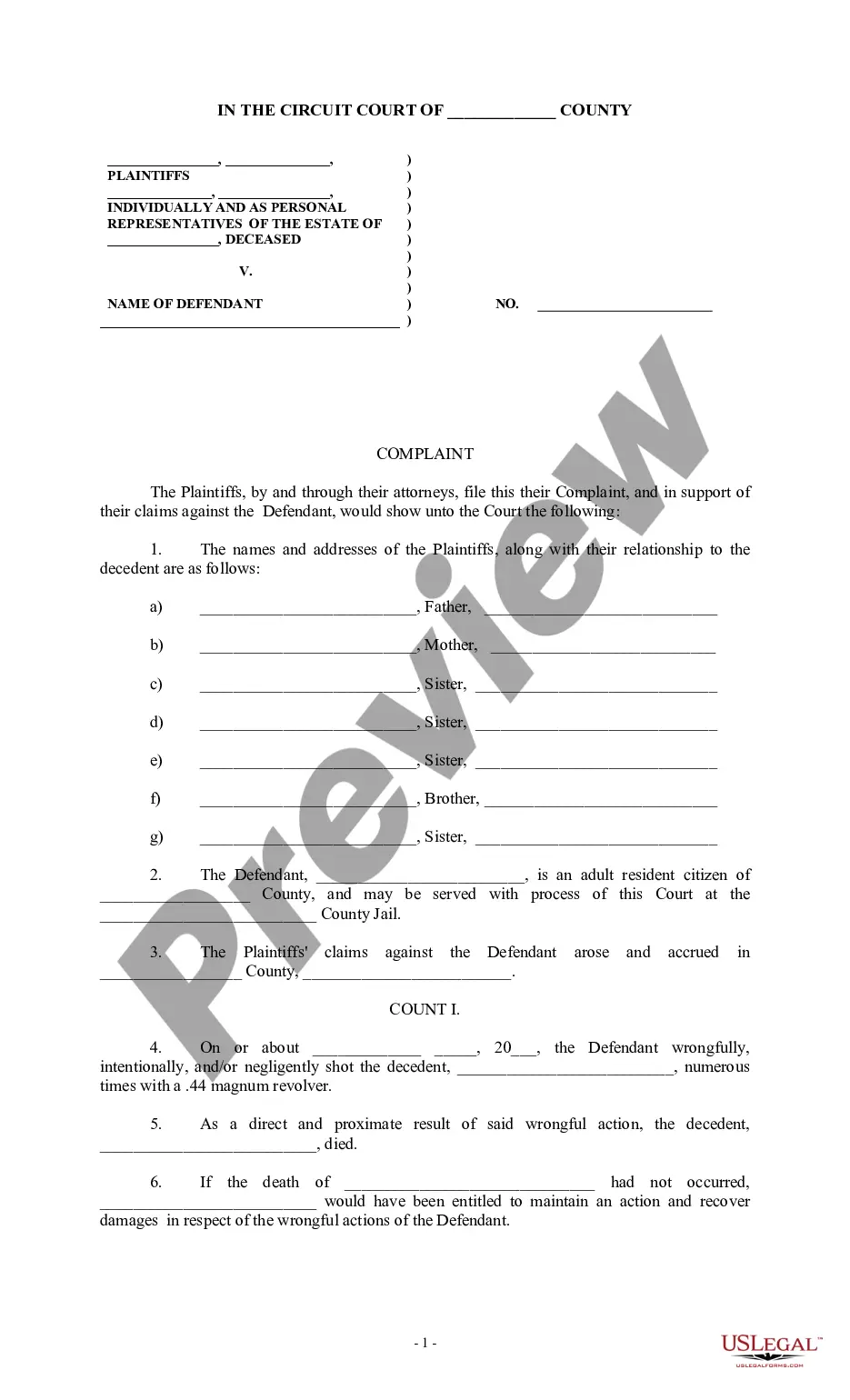
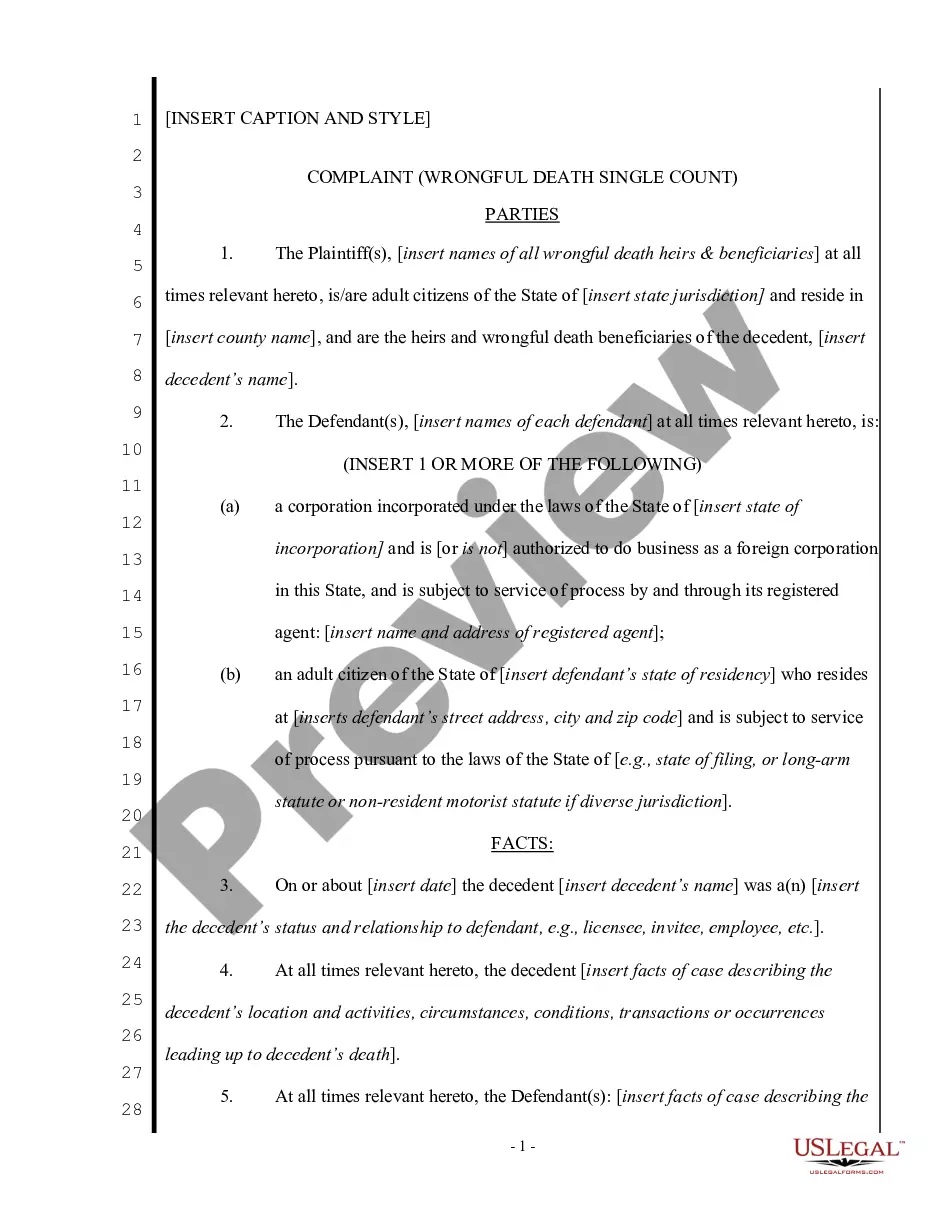
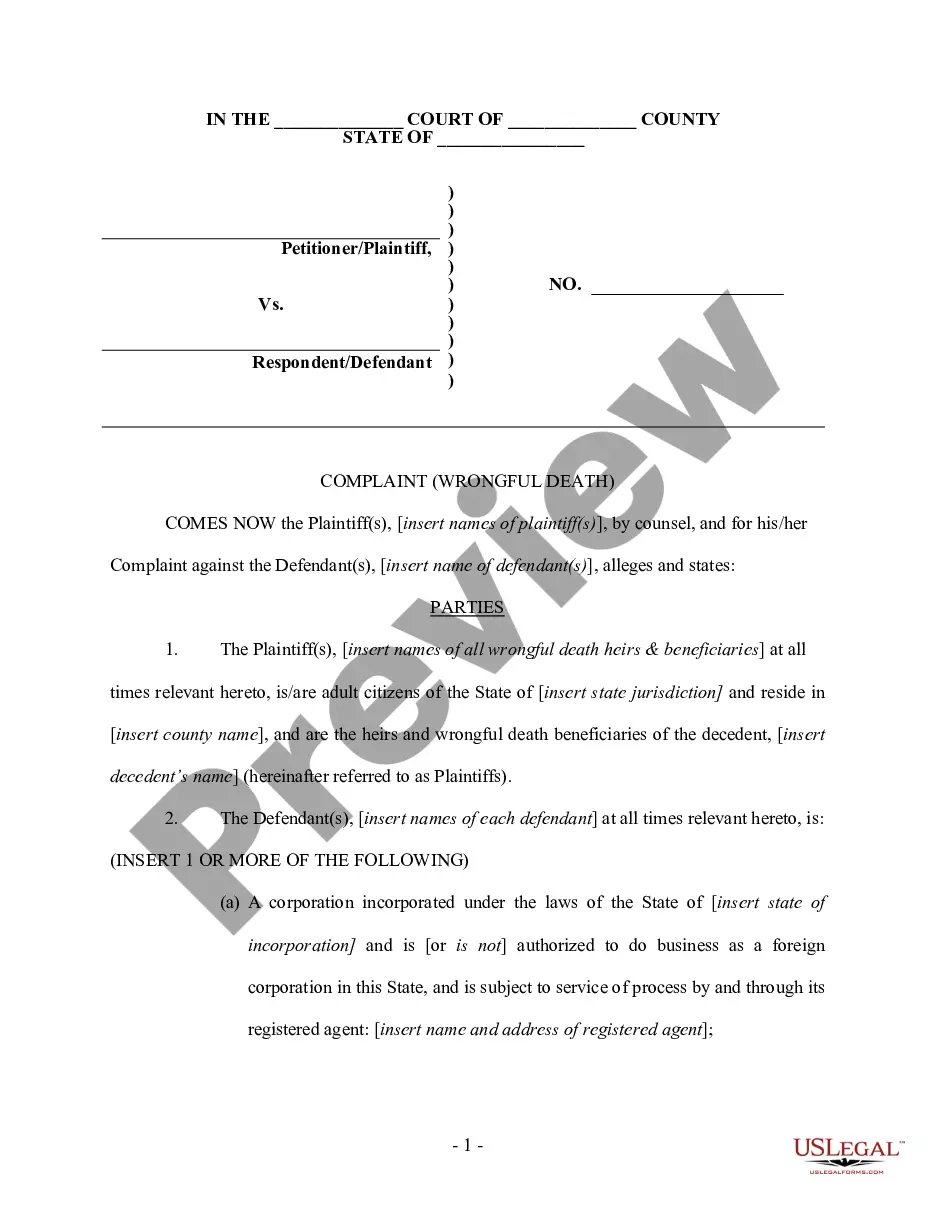
Get your form ready online
Our built-in tools help you complete, sign, share, and store your documents in one place.
Make edits, fill in missing information, and update formatting in US Legal Forms—just like you would in MS Word.
Download a copy, print it, send it by email, or mail it via USPS—whatever works best for your next step.
Sign and collect signatures with our SignNow integration. Send to multiple recipients, set reminders, and more. Go Premium to unlock E-Sign.
If this form requires notarization, complete it online through a secure video call—no need to meet a notary in person or wait for an appointment.
We protect your documents and personal data by following strict security and privacy standards.

Make edits, fill in missing information, and update formatting in US Legal Forms—just like you would in MS Word.

Download a copy, print it, send it by email, or mail it via USPS—whatever works best for your next step.

Sign and collect signatures with our SignNow integration. Send to multiple recipients, set reminders, and more. Go Premium to unlock E-Sign.

If this form requires notarization, complete it online through a secure video call—no need to meet a notary in person or wait for an appointment.

We protect your documents and personal data by following strict security and privacy standards.
Looking for another form?










Form popularity
FAQ
11.0 HEARING AND SUBMISSION OF MOTIONS If the motion requires consideration of facts not appearing of record, the movant shall serve and file copies of all affidavits, depositions, photographs or documentary evidence which the movant desires to submit in support of the motion.
There are several ways to file a complaint with our office: The first (and best) way to file a complaint is through the online portal. You can also email your complaint to our office at borinfo@cuyahogacounty. You can fax your complaint to 216-443-8282. You can send your complaint in the mail to our office at:
File the answer with your clerk of courts' office. The summons will have the address and contact information for the clerk of court's office. Mail a copy of your answer on the plaintiff's attorney. You can find name and address for the plaintiff's attorney on the summons.
When must a defendant respond to the complaint? In Ohio, a defendant must respond within 28 days after being served the summons and complaint or after completion of service by publi- cation (Ohio Civ. R. Rule 12).
In Civil Law, an “answer” is the first formal response given by the defense to a complaint filed with the court by the plaintiff. This opening written statement will admit or deny the allegations, or demand more information about the claims of wrongdoing.
Take the Complaint with you to the Clerk's office and show it to the Clerk to confirm that you are in the right office. Then give the Clerk both your original Answer and your photocopy. Ask the Clerk to file-stamp the original and the copy and to give you your copy back.
The arraignment judge checks that the defendant knows the charges they face. The court assigns the defendant an attorney if they don't have one. Defendants enter a plea to the charges.
10 Clear Signs of a False Accusation Inconsistent Stories. Lack of Physical Evidence. Implausible Scenarios. Motivations for Personal Gain. History of Dishonesty. Lack of Corroborating Witnesses. Emotional Overreaction. Pressure to Confess.
The following 17 states do not: Alaska, Arizona, Arkansas, Delaware, Georgia, Idaho, Indiana, Kentucky, Nevada, New Mexico, North Dakota, Oregon, Pennsylvania, Rhode Island, South Carolina, South Dakota, and Wyoming.
If you have a preponderance of evidence that you were falsely accused (more evidence than they have that it wasn't a false accusation), and you can prove some actual damages, you may get a monetary award, or convince them to settle out of court. Your best bet would be to talk with an attorney.
