Wrongful Interference With Employment Relationship In Alameda
Description


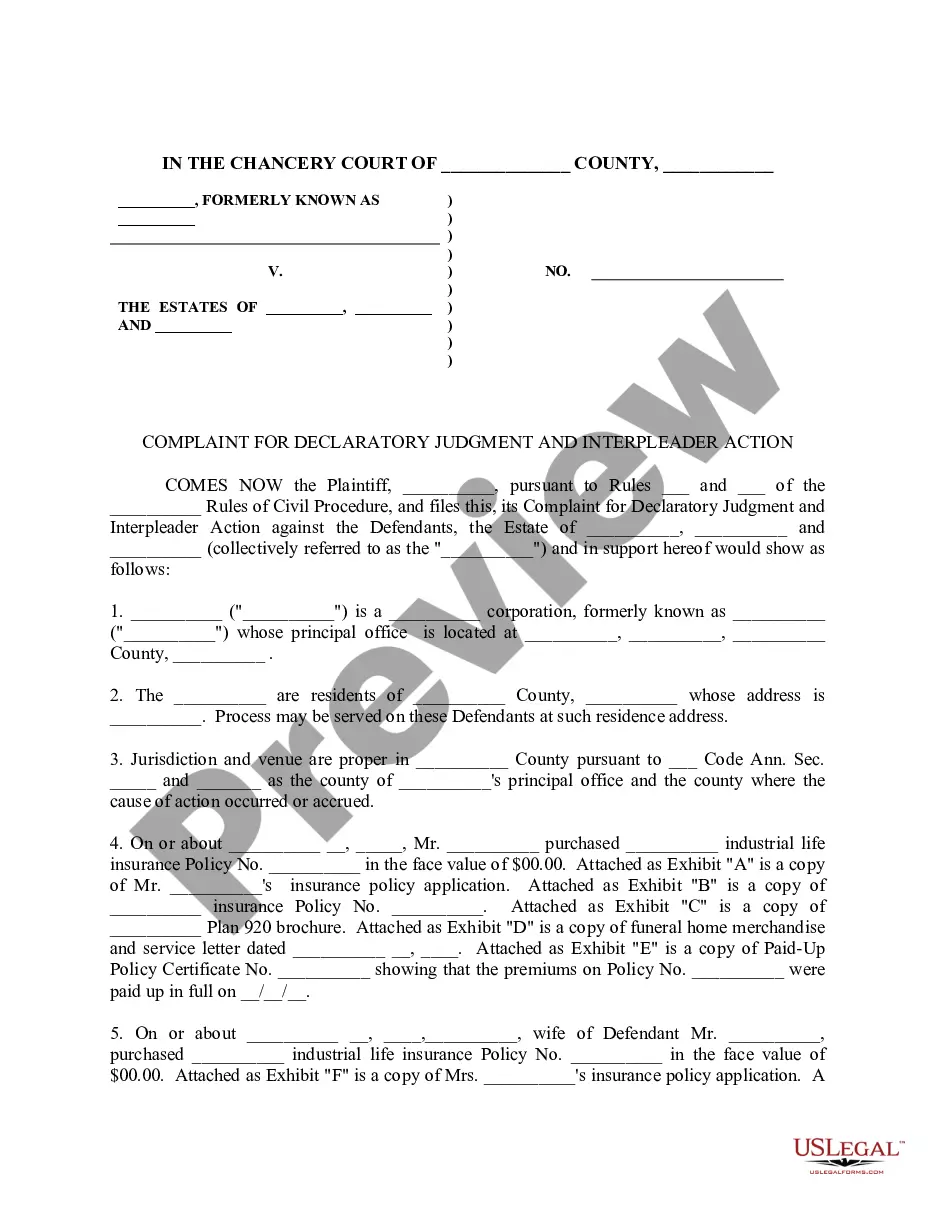
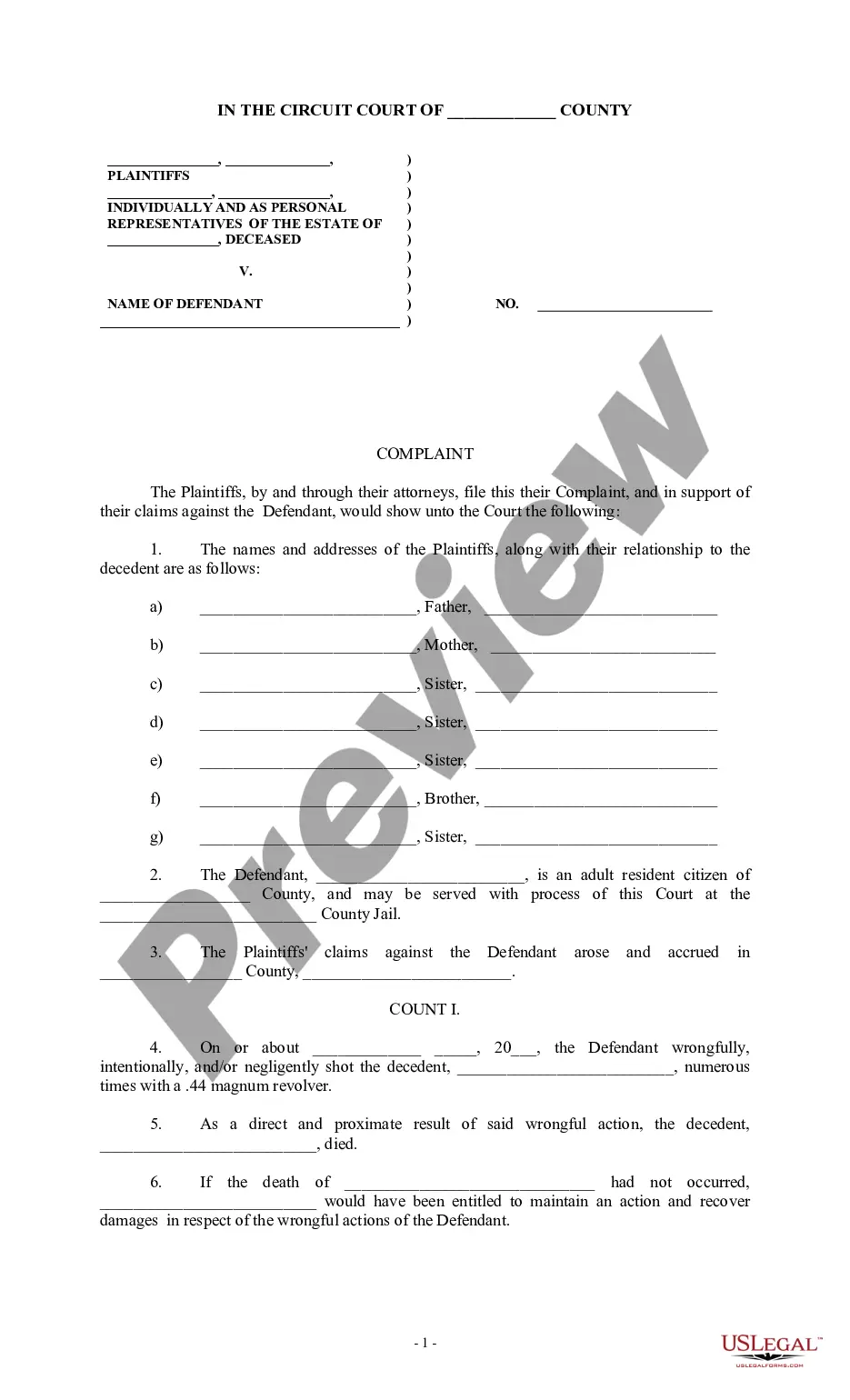
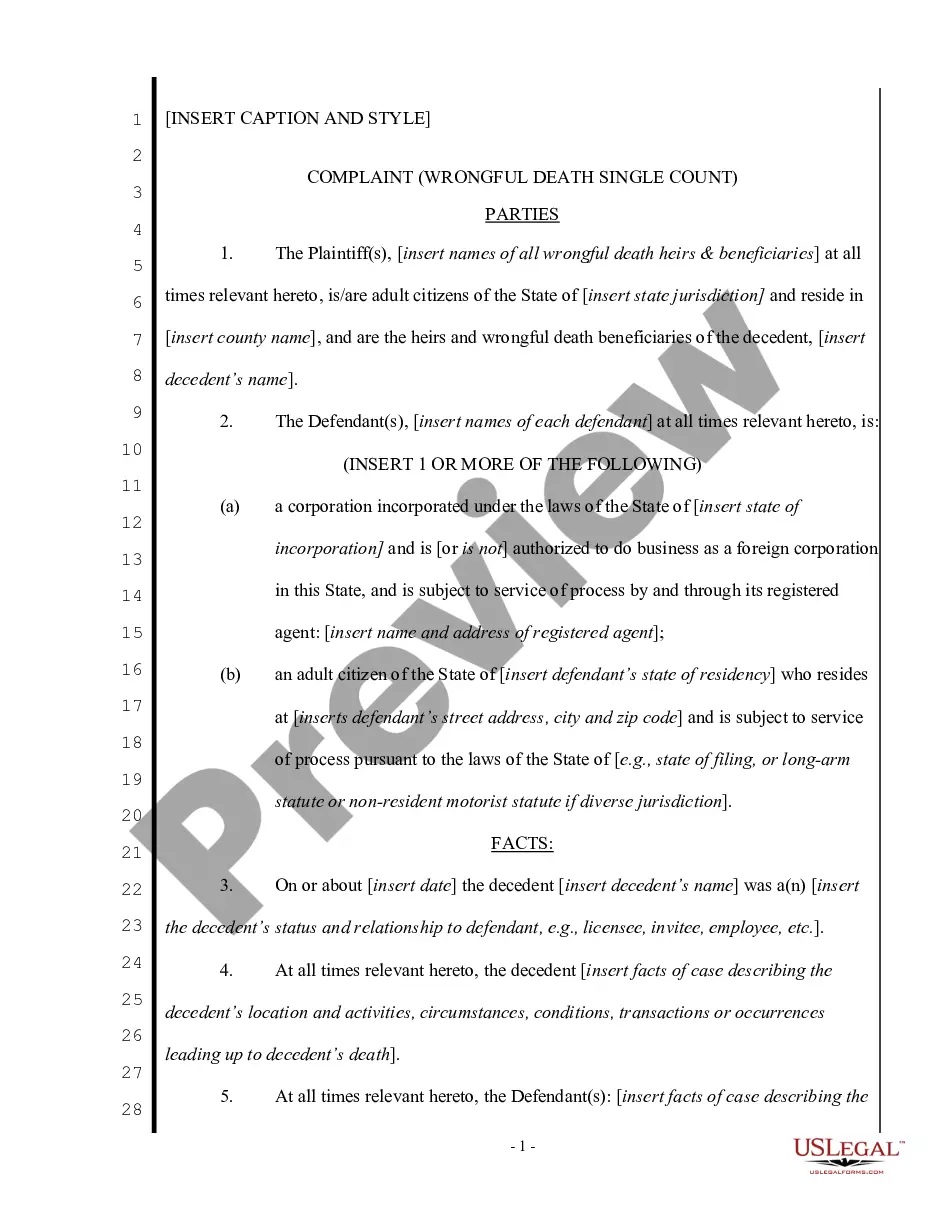
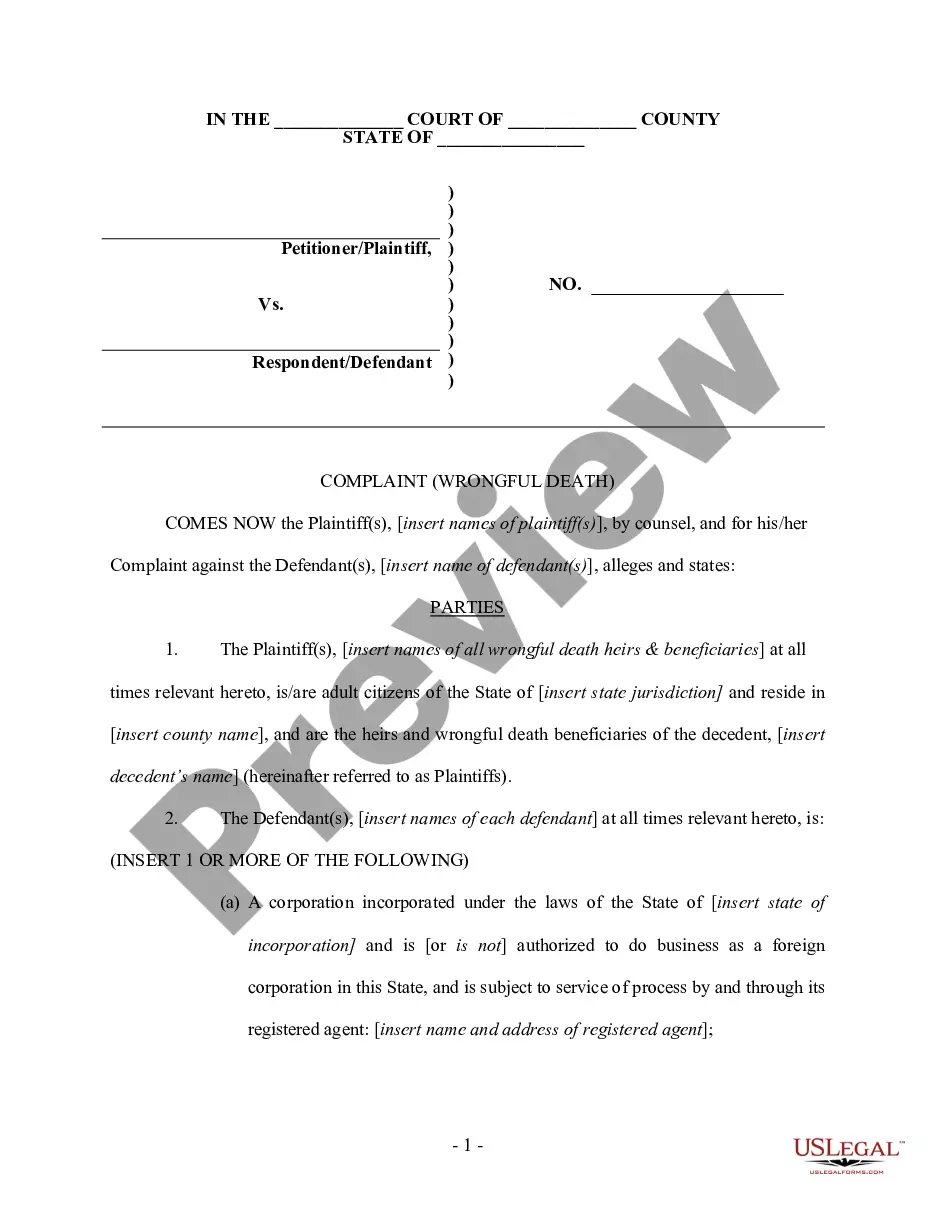
Get your form ready online
Our built-in tools help you complete, sign, share, and store your documents in one place.
Make edits, fill in missing information, and update formatting in US Legal Forms—just like you would in MS Word.
Download a copy, print it, send it by email, or mail it via USPS—whatever works best for your next step.
Sign and collect signatures with our SignNow integration. Send to multiple recipients, set reminders, and more. Go Premium to unlock E-Sign.
If this form requires notarization, complete it online through a secure video call—no need to meet a notary in person or wait for an appointment.
We protect your documents and personal data by following strict security and privacy standards.

Make edits, fill in missing information, and update formatting in US Legal Forms—just like you would in MS Word.

Download a copy, print it, send it by email, or mail it via USPS—whatever works best for your next step.

Sign and collect signatures with our SignNow integration. Send to multiple recipients, set reminders, and more. Go Premium to unlock E-Sign.

If this form requires notarization, complete it online through a secure video call—no need to meet a notary in person or wait for an appointment.

We protect your documents and personal data by following strict security and privacy standards.
Looking for another form?








Form popularity
FAQ
Apart from breach of contract claims, California recognizes four types of torts that involve interference with contracts or economic expectancies: Negligent or intentional interference with contract, and negligent or intentional interference with economic relations.
Note: In ance with Annex 17, acts of unlawful interference are acts or attempted acts such as to jeopardize the safety of civil aviation, including but not limited to: • unlawful seizure of aircraft, • destruction of an aircraft in service, • hostage-taking on board aircraft or on aerodromes, • forcible intrusion ...
There are five elements which, taken together, make a contract valid: offer; acceptance; consideration; capacity; and. intention to create legal relations.
The requisite elements of tortious interference with contract claim are: (1) the existence of a valid and enforceable contract between plaintiff and another; (2) defendant's awareness of the contractual relationship; (3) defendant's intentional and unjustified inducement of a breach of the contract; (4) a subsequent ...
In California, to establish interference with prospective economic relations, a plaintiff must show that: (1) plaintiff and a third party had an economic relation; (2) the relation between plaintiff and the third party would likely have led to future benefits; (3) defendant knew of the relation; (4) defendant ...
Understanding Wrongful Interference Wrongful Interference with an Existing Contract: This happens when a third party knowingly causes one party to breach a legally enforceable contract. For example, persuading a supplier to break an exclusive distribution agreement to favor a competitor qualifies as interference.
The tort of intentional interference with economic relations captures the “intentional infliction of economic injury on the plaintiff by the defendant's use of unlawful means against a third party” .
(1) the existence of a valid contractual relationship or business expectancy; (2) that defendants had knowledge of that relationship; (3) an intentional interference inducing or causing a breach or termination of the relationship or expectancy; (4) that defendants interfered for an improper purpose or used improper ...
51 The tort of unlawful interference with economic relations is established where a plaintiff suffers economic loss resulting from a defendant's unlawful act against a third party, intended to target the plaintiff: A.I.
It has three requirements: first, the defendant must have intended to injure the plaintiff's economic interests; second, the interference must have been by illegal or unlawful means; and third, the plaintiff must have suffered economic harm or loss as a result: Alleslev-Krofchak v.