Complaint Relief Without Surgery In Wake
Description

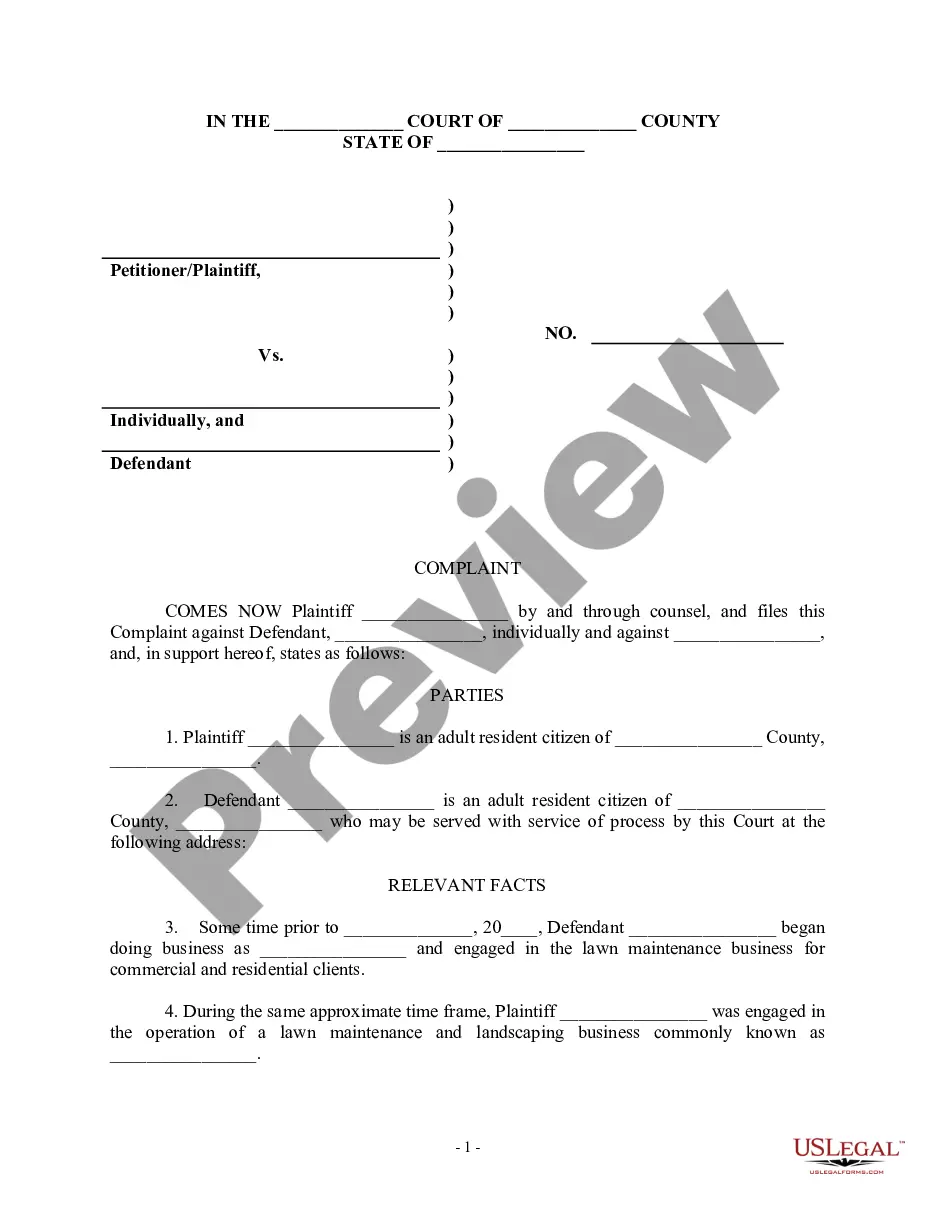
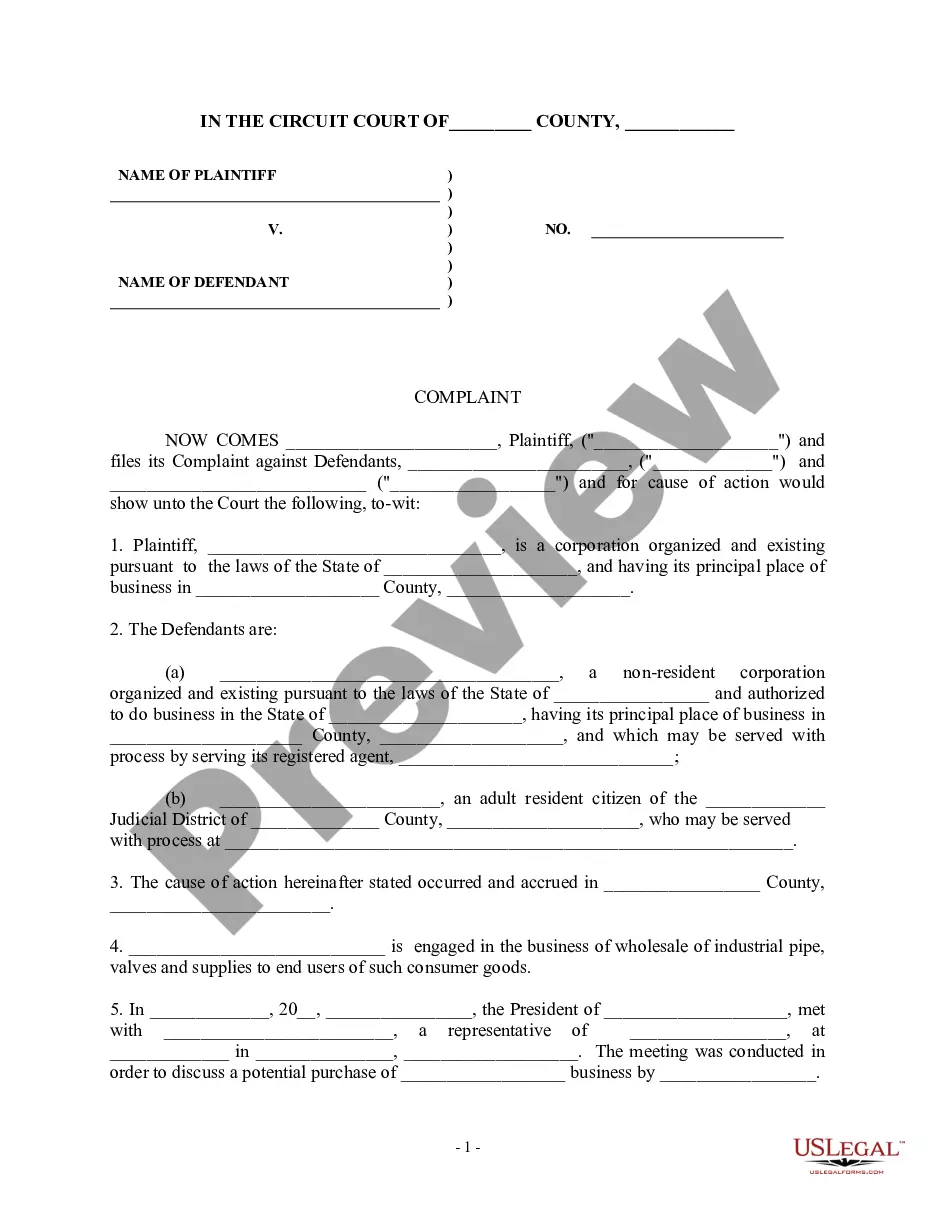

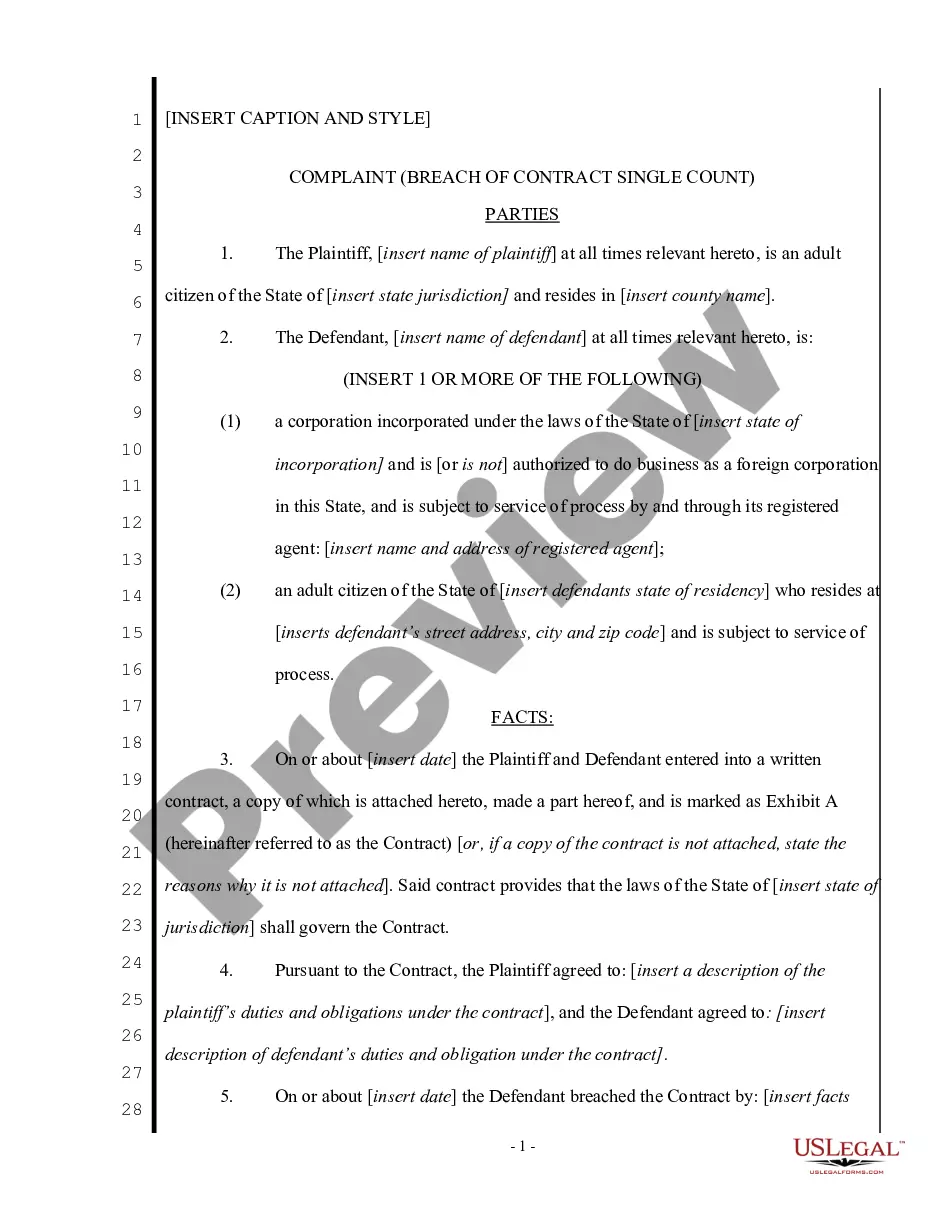
Get your form ready online
Our built-in tools help you complete, sign, share, and store your documents in one place.
Make edits, fill in missing information, and update formatting in US Legal Forms—just like you would in MS Word.
Download a copy, print it, send it by email, or mail it via USPS—whatever works best for your next step.
Sign and collect signatures with our SignNow integration. Send to multiple recipients, set reminders, and more. Go Premium to unlock E-Sign.
If this form requires notarization, complete it online through a secure video call—no need to meet a notary in person or wait for an appointment.
We protect your documents and personal data by following strict security and privacy standards.

Make edits, fill in missing information, and update formatting in US Legal Forms—just like you would in MS Word.

Download a copy, print it, send it by email, or mail it via USPS—whatever works best for your next step.

Sign and collect signatures with our SignNow integration. Send to multiple recipients, set reminders, and more. Go Premium to unlock E-Sign.

If this form requires notarization, complete it online through a secure video call—no need to meet a notary in person or wait for an appointment.

We protect your documents and personal data by following strict security and privacy standards.
Looking for another form?

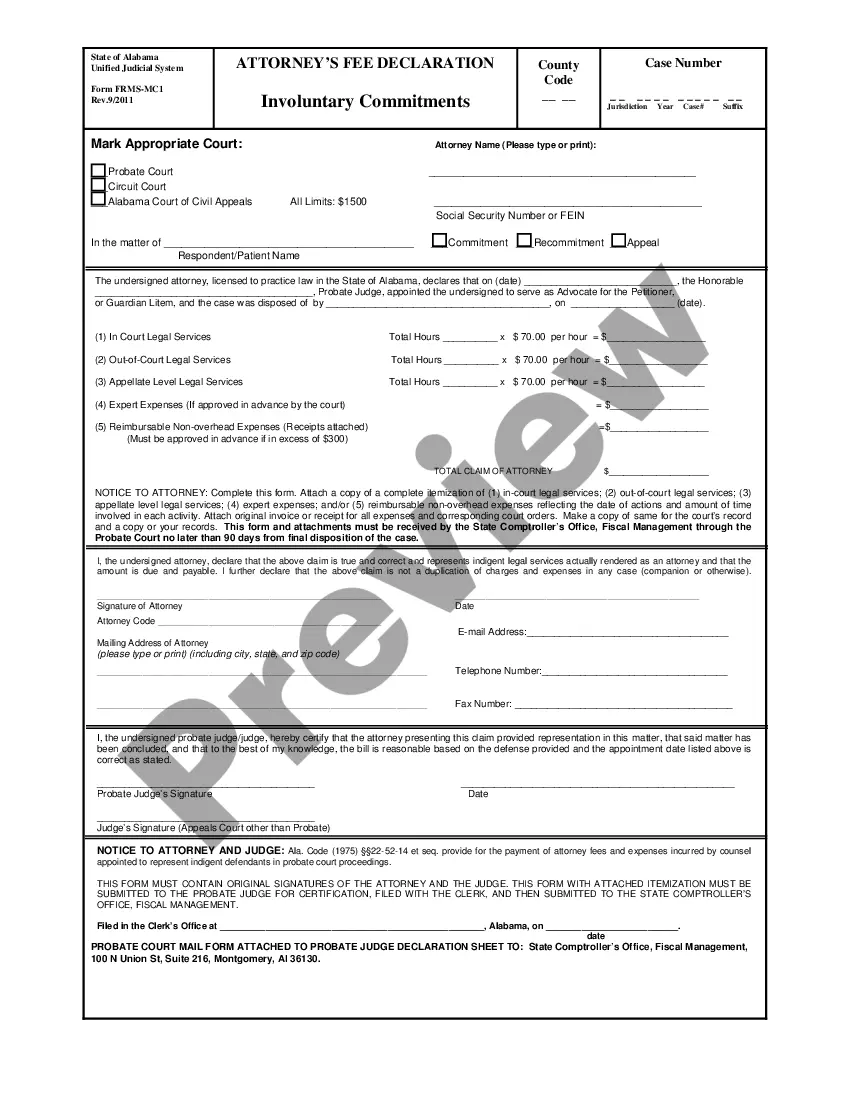







Form popularity
FAQ
When a hospital fails to provide the expected standard of care, patients or their families may have legal grounds to file a lawsuit for medical negligence.
How to Prove Anesthesia Malpractice Duty: An established relationship between the anesthesiologist and patient. Breach: A breach of that duty of care. Injury: An injury or harm that resulted in damages. Causation: Injury or harm was directly caused by the breach of care.
If you become aware during general anesthesia or deep sedation, you'll most likely not be able to physically move or communicate what you're feeling. Many people who experience anesthesia awareness have vague or fuzzy memories of a procedure after they wake up.
With this condition, called anesthesia awareness (or waking up) during surgery, the patient can recall their surroundings or events that occurred during surgery despite the induction of general anesthesia. Although it can be upsetting, patients usually do not feel pain when experiencing anesthesia awareness.
Yes, you can always sue, wether you were conscious or (more likely) unconscious. Talk to a medical malpractice attorney. If you were damaged you may be entitled to compensation. Good luck and take care!
Yes, you can always sue, wether you were conscious or (more likely) unconscious. Talk to a medical malpractice attorney. If you were damaged you may be entitled to compensation. Good luck and take care!
Please review the complaint FAQs or contact the Board's Complaint Department at 1-800-253-9653 (ext. 501).
Please review the complaint FAQs or contact the Board's Complaint Department at 1-800-253-9653 (ext. 501).
The NC DHHS Division of Health Service Regulation It handles complaints and investigations related to issues like: nursing homes; adult care homes; hospitals; home care, home health, or hospice agencies; and mental health group homes and other 24-hour facilities.
The public may contact the Joint Commission's Office of Quality Monitoring to report any concern or make a complaint about a health care facility that is accredited by the Joint Commission by calling (800) 994-6610 or emailing: complaint@jointcommission.
