Complaint Prayer For Relief Example In Virginia
Description





Get your form ready online
Our built-in tools help you complete, sign, share, and store your documents in one place.
Make edits, fill in missing information, and update formatting in US Legal Forms—just like you would in MS Word.
Download a copy, print it, send it by email, or mail it via USPS—whatever works best for your next step.
Sign and collect signatures with our SignNow integration. Send to multiple recipients, set reminders, and more. Go Premium to unlock E-Sign.
If this form requires notarization, complete it online through a secure video call—no need to meet a notary in person or wait for an appointment.
We protect your documents and personal data by following strict security and privacy standards.

Make edits, fill in missing information, and update formatting in US Legal Forms—just like you would in MS Word.

Download a copy, print it, send it by email, or mail it via USPS—whatever works best for your next step.

Sign and collect signatures with our SignNow integration. Send to multiple recipients, set reminders, and more. Go Premium to unlock E-Sign.

If this form requires notarization, complete it online through a secure video call—no need to meet a notary in person or wait for an appointment.

We protect your documents and personal data by following strict security and privacy standards.
Looking for another form?









Form popularity
FAQ
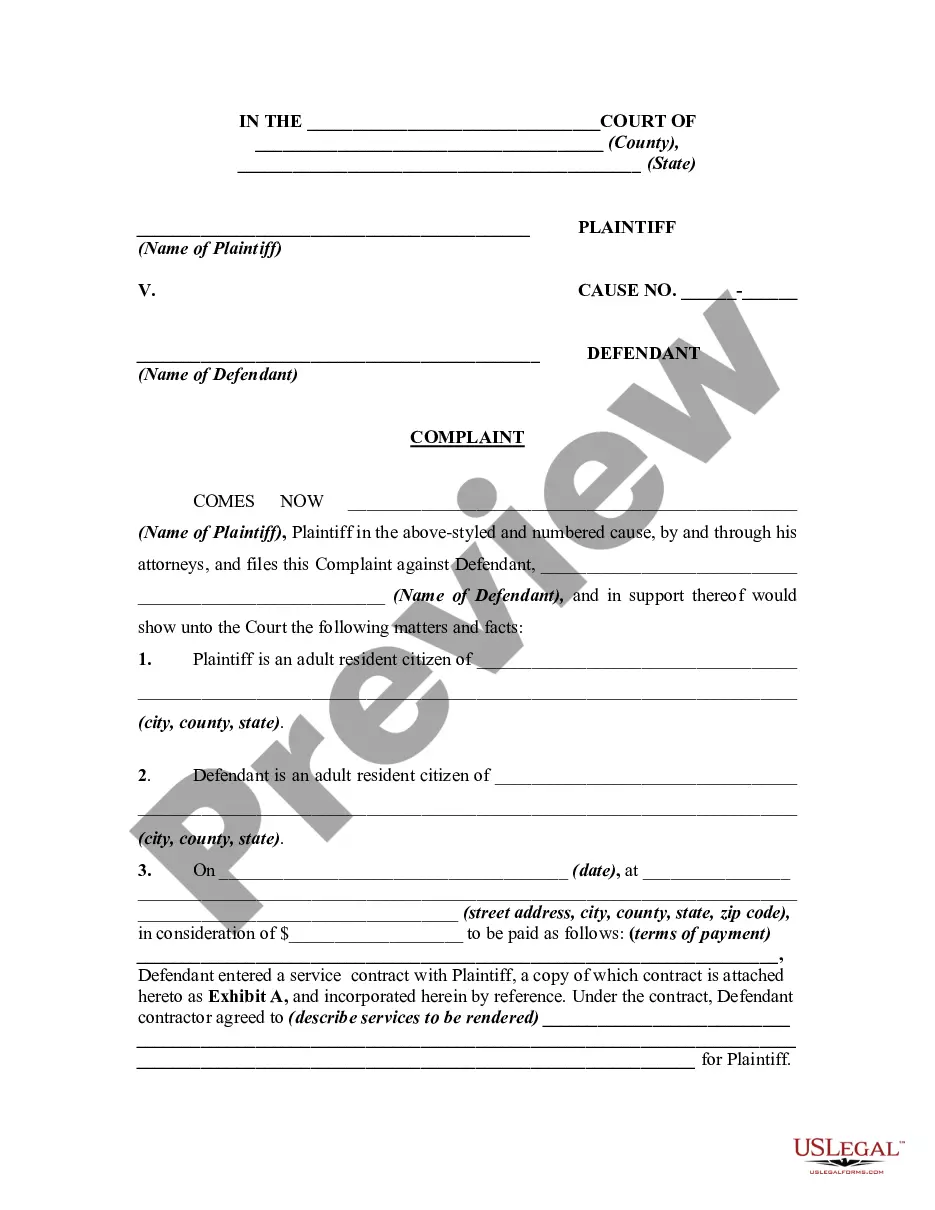
For example, if a person is injured in a car accident, they may file a lawsuit against the driver who caused the accident. In their complaint, they would include a prayer for relief asking for compensation for their medical bills, lost wages, and pain and suffering.
State briefly and precisely what damages or other relief the plaintiff asks the court to order. Do not make legal arguments. Include any basis for claiming that the wrongs alleged are continuing at the present time. Include the amounts of any actual damages claimed for the acts alleged and the basis for these amounts.
A prayer for relief, a demand for judgement, and the 'wherefore' clause are components found in a legal complaint. The prayer for relief describes the specific remedy sought by the plaintiff, the demand for judgement requests a specific decision, and the 'wherefore' clause asks the court to grant the relief requested.
Your answer should include the court name, case name, case number, and your affirmative defenses. Print three copies of your answer. File one with the clerk's office and mail (or “serve”) one to the plaintiff or plaintiff's attorney.
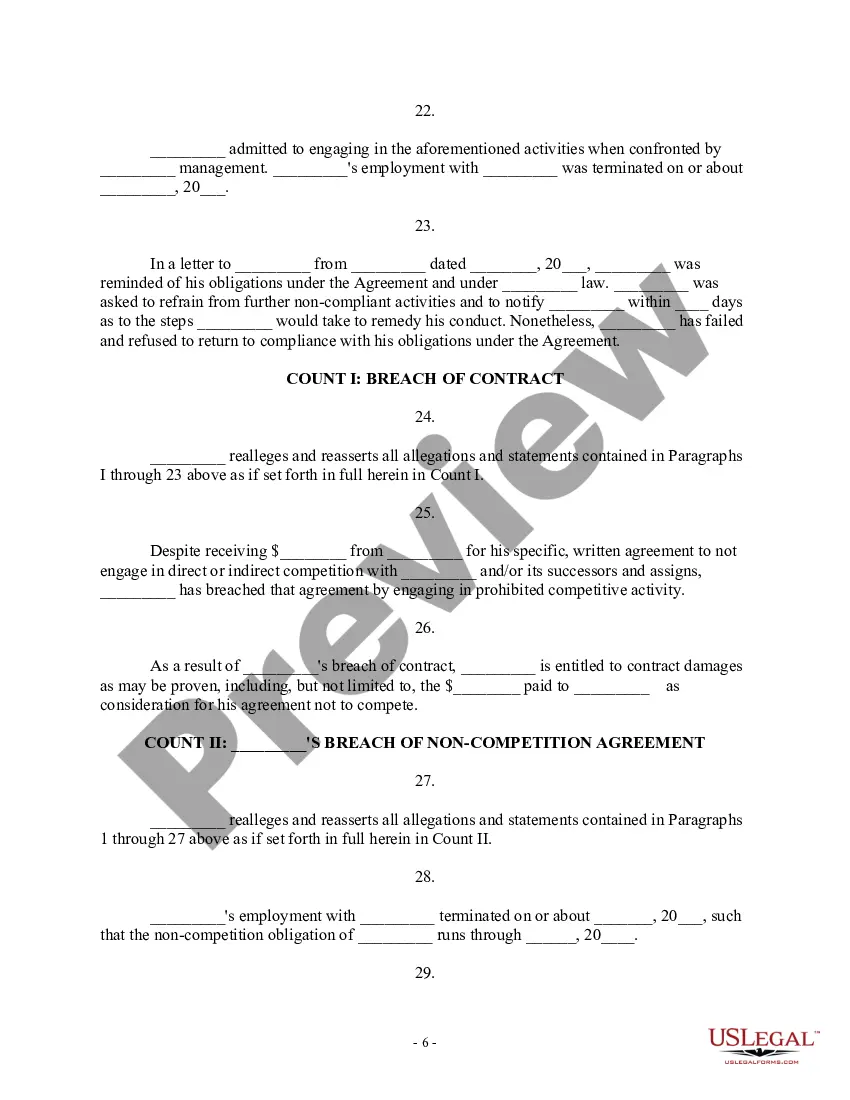
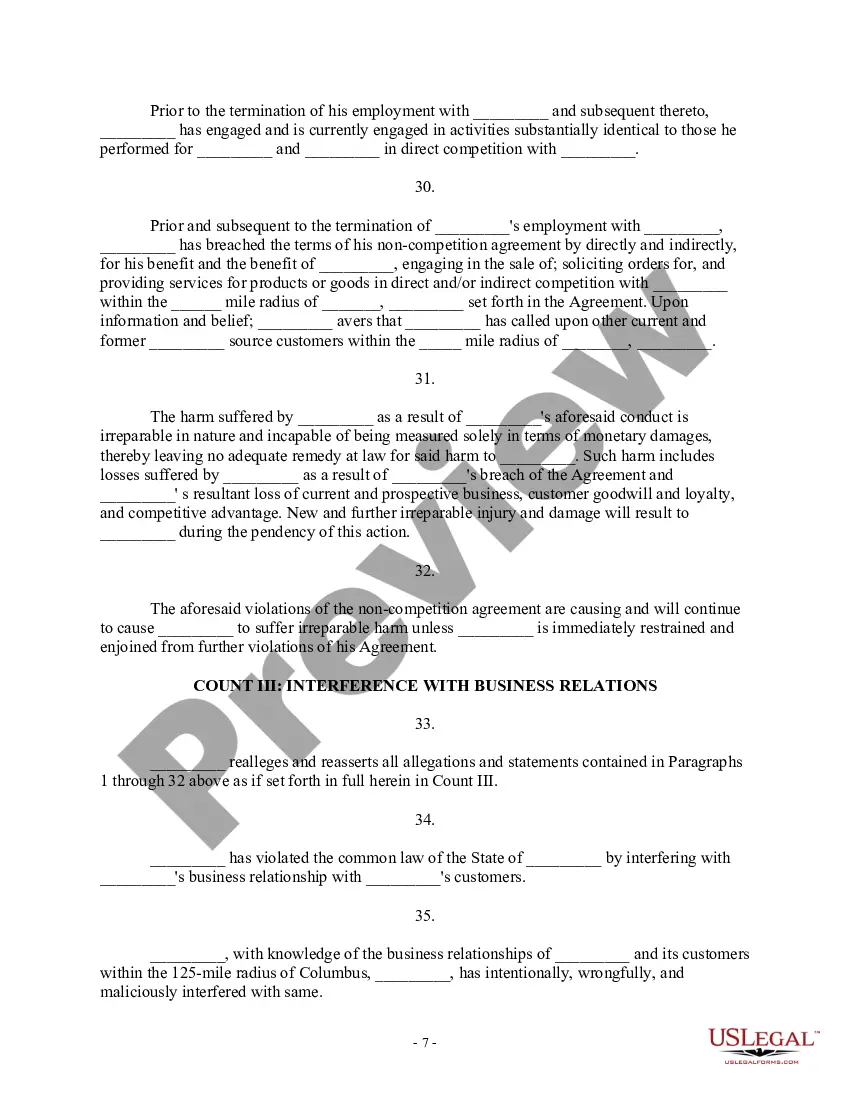
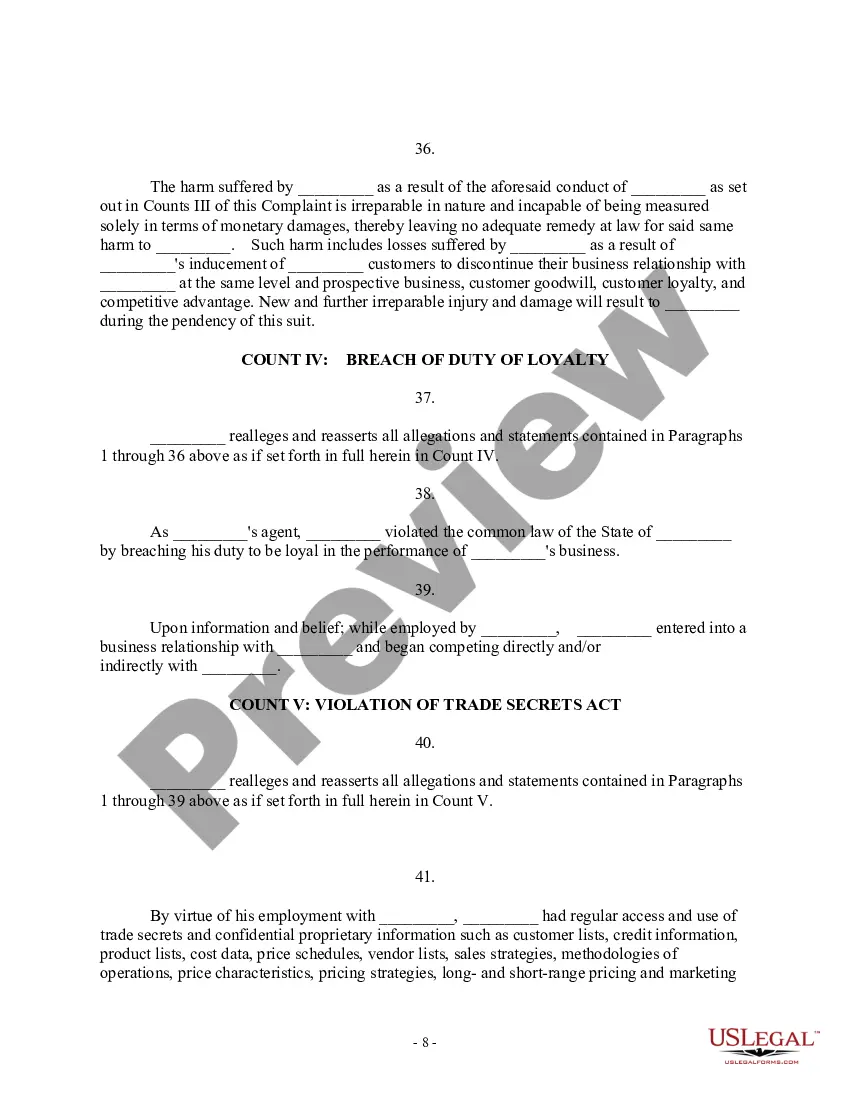
The prayer for relief is the part of complaint where a plaintiff states the damages or other remedies it is seeking from the court in a lawsuit. Federal Rules of Civil Procedure 8(a)(3) requires that a plaintiff's pleadings contains a prayer for relief. The prayer is often located at the end of the complaint.
