Injunctive Relief Agreement With Attorney In San Antonio
Description


Get your form ready online
Our built-in tools help you complete, sign, share, and store your documents in one place.
Make edits, fill in missing information, and update formatting in US Legal Forms—just like you would in MS Word.
Download a copy, print it, send it by email, or mail it via USPS—whatever works best for your next step.
Sign and collect signatures with our SignNow integration. Send to multiple recipients, set reminders, and more. Go Premium to unlock E-Sign.
If this form requires notarization, complete it online through a secure video call—no need to meet a notary in person or wait for an appointment.
We protect your documents and personal data by following strict security and privacy standards.

Make edits, fill in missing information, and update formatting in US Legal Forms—just like you would in MS Word.

Download a copy, print it, send it by email, or mail it via USPS—whatever works best for your next step.

Sign and collect signatures with our SignNow integration. Send to multiple recipients, set reminders, and more. Go Premium to unlock E-Sign.

If this form requires notarization, complete it online through a secure video call—no need to meet a notary in person or wait for an appointment.

We protect your documents and personal data by following strict security and privacy standards.
Looking for another form?








Form popularity
FAQ
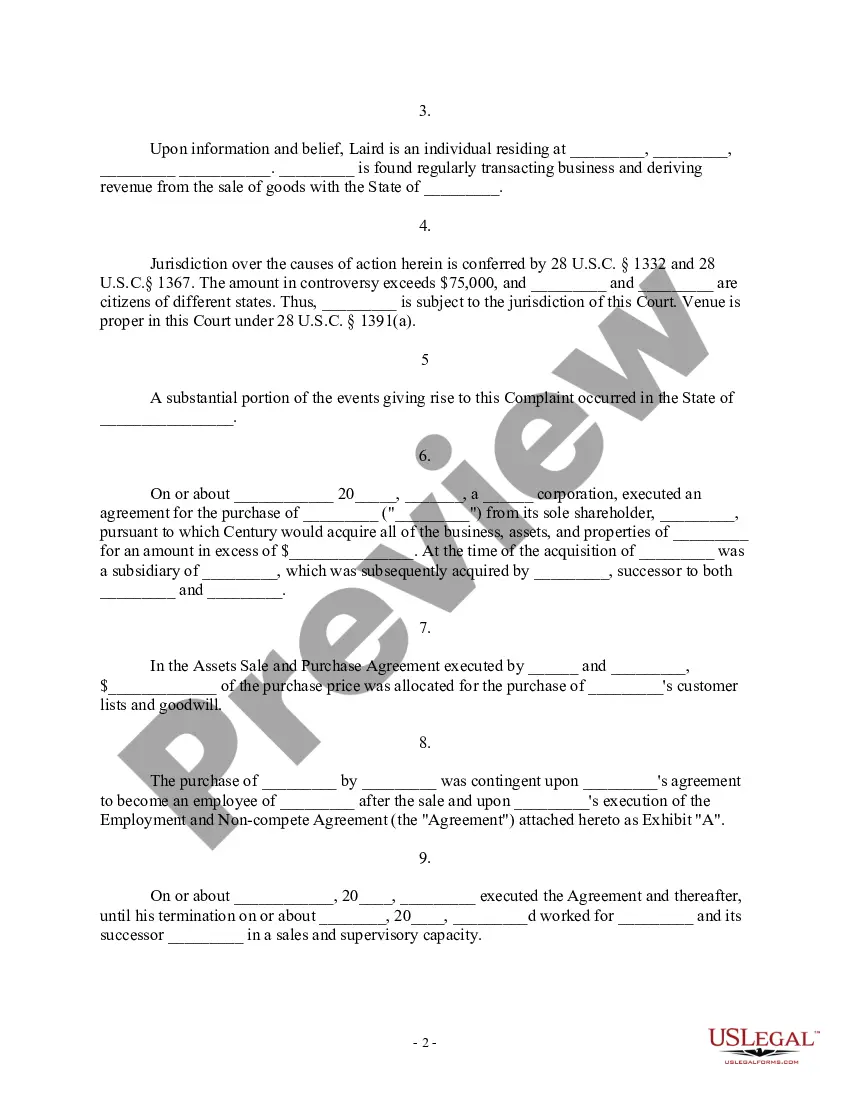
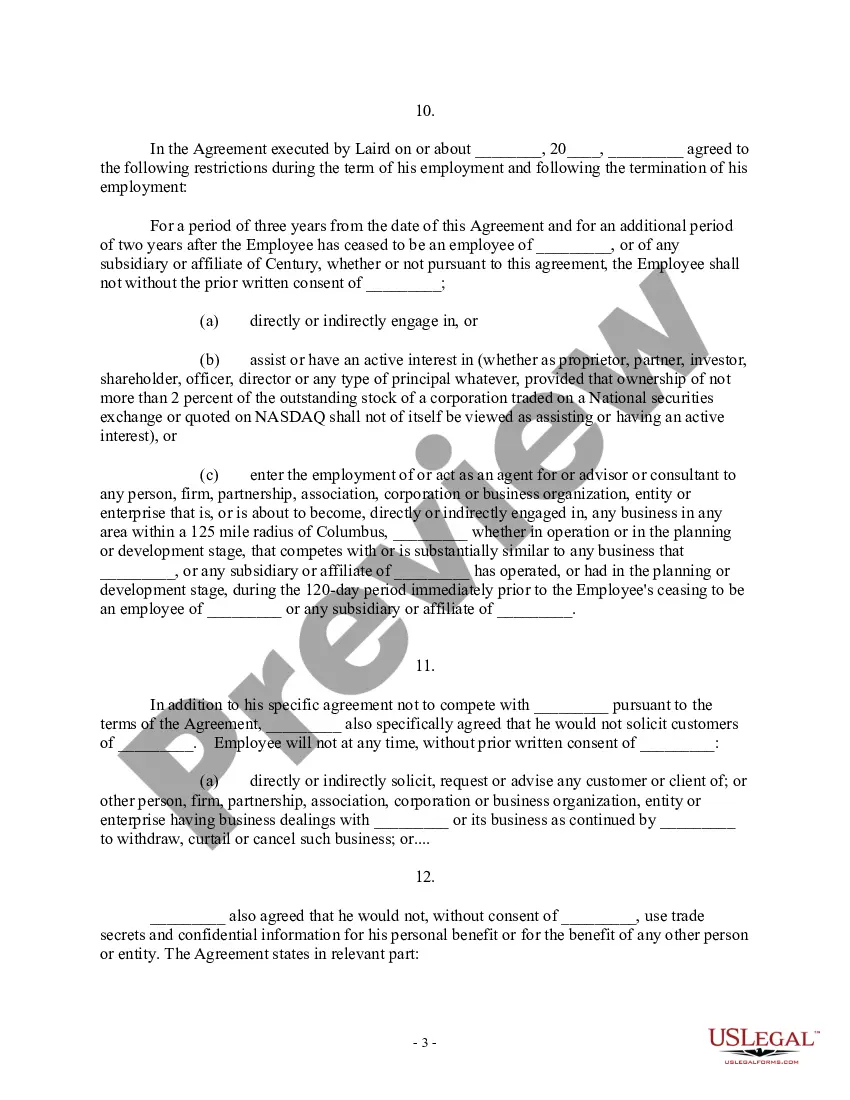
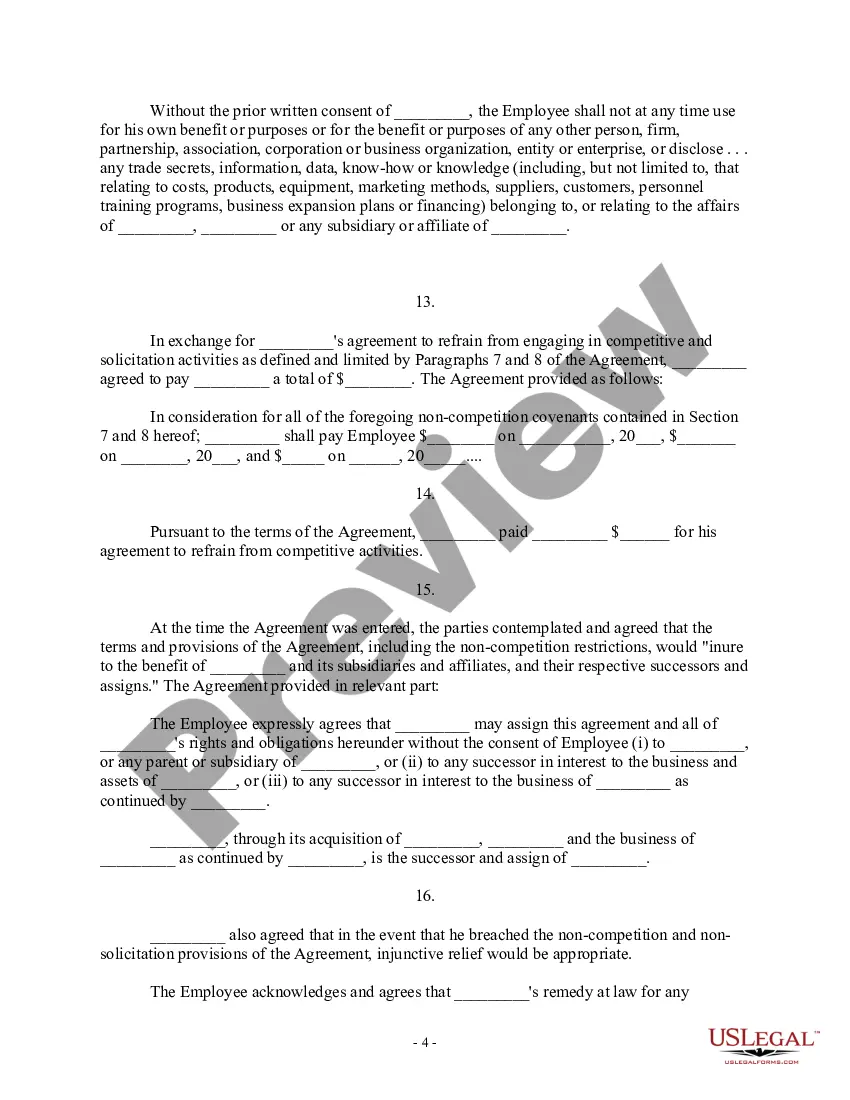
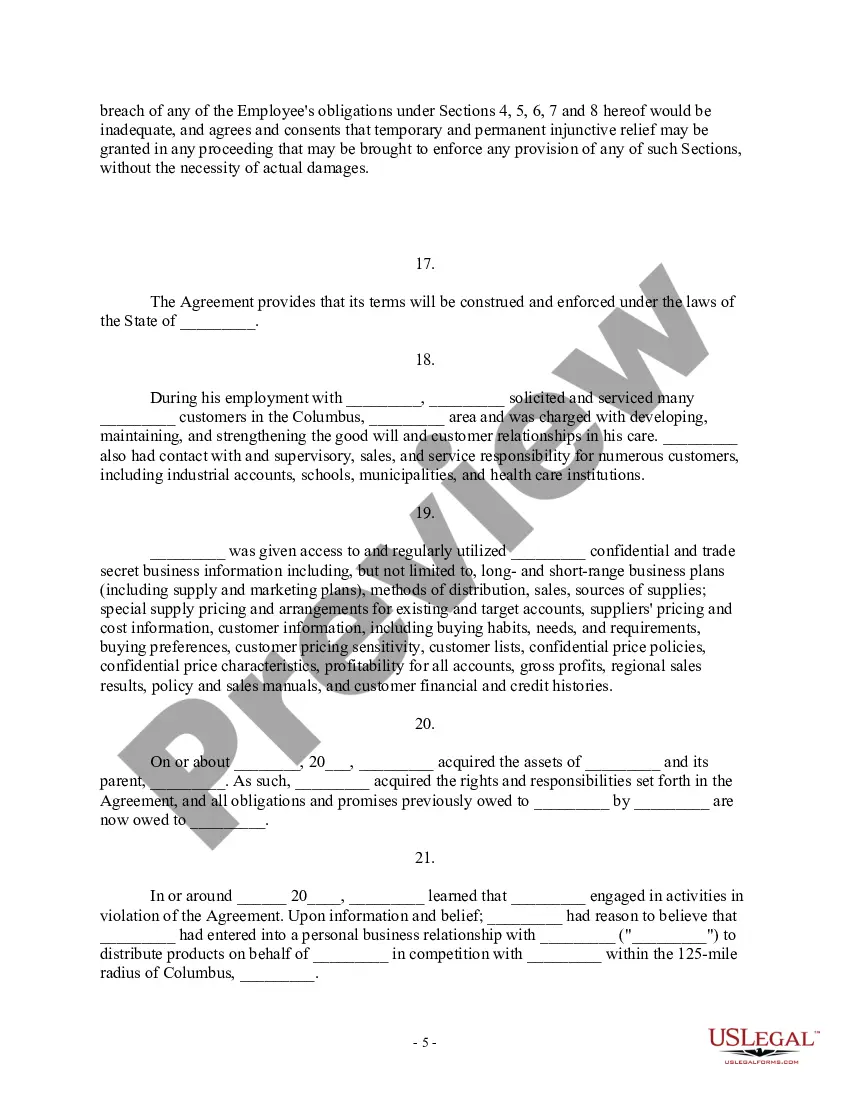
In summary, an injunctive relief clause provides for urgent judicial enforcement of vital obligations that cannot await standard remedies or compensation without potentially irreparable harm.
What are punitive damages for an NDA violation? Punitive damages are those explicitly stated in a contract as an enforceable remedy for its breach. They differ from non punitive damages which are meant to make a wronged party whole for any breach of contract under principles of equity and fairness in common law.
An injunction is a court order directing a person to do (or stop doing) something. If someone violated your NDA, you would want a court order directing that person to stop using your secrets.
In the event of a breach, the NDA itself may outline remedies such as termination, injunctions, and indemnification. The non-breaching party may seek a court order to stop the breaching party from further disclosing confidential information. Injunctions may be interim (temporary) or perpetual (permanent).
To obtain a temporary injunction, the applicant must plead and prove three specific elements: (1) a cause of action against the defendant; (2) a probable right to the relief sought; and (3) a probable, imminent, and irreparable injury in the interim.
Injunctive relief means that the discloser is able to obtain a preemptive court order preventing the information from being spread. A clause can entitle a party to apply for an injunction to prevent the other party disclosing, or continuing to disclose, the confidential information.
Generally, NDAs will be enforced by a court, but some statutes and public policy may prevent the enforcement of an NDA. For example, many NDAs will be voided or partially so regarding criminal acts. Often NDAs may be unenforceable unless certain procedural requirements are met.
To be entitled to a temporary injunction, the applicant must plead a cause of action and show a probable right to recover on that cause of action and a probable, imminent, and irreparable injury in the interim. “Imminent” means that the injury is relatively certain to occur rather than being remote and speculative.
Normally, the first step in obtaining an injunction is to file suit in the county where the relief you need is to be sought. This petition must be supported by sworn testimony in the form of an affidavit or a verification.
Although you do not need a lawyer to file for an injunction against harassment, it may be helpful to have a lawyer. This is especially important if the harasser has a lawyer or if the case is going to trial.
