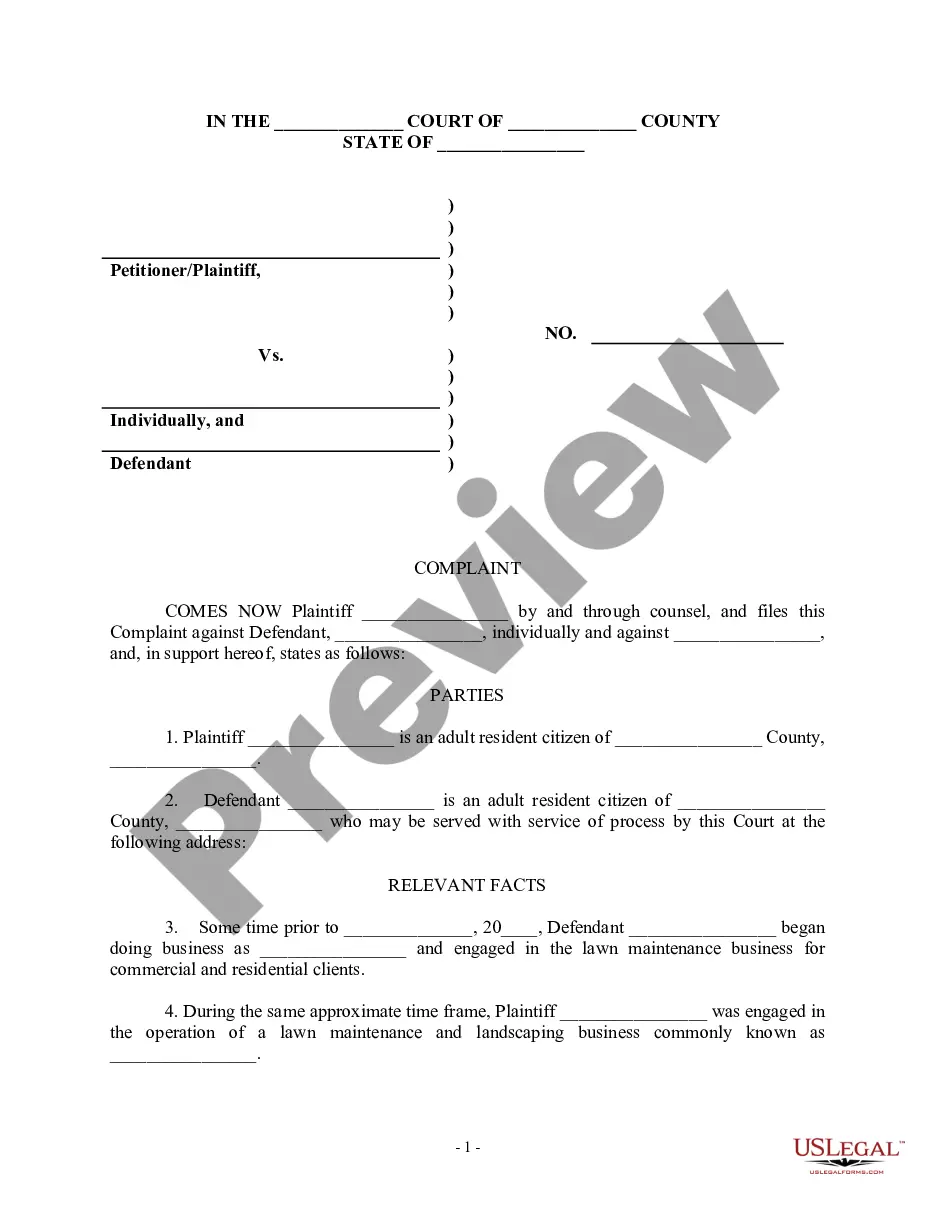
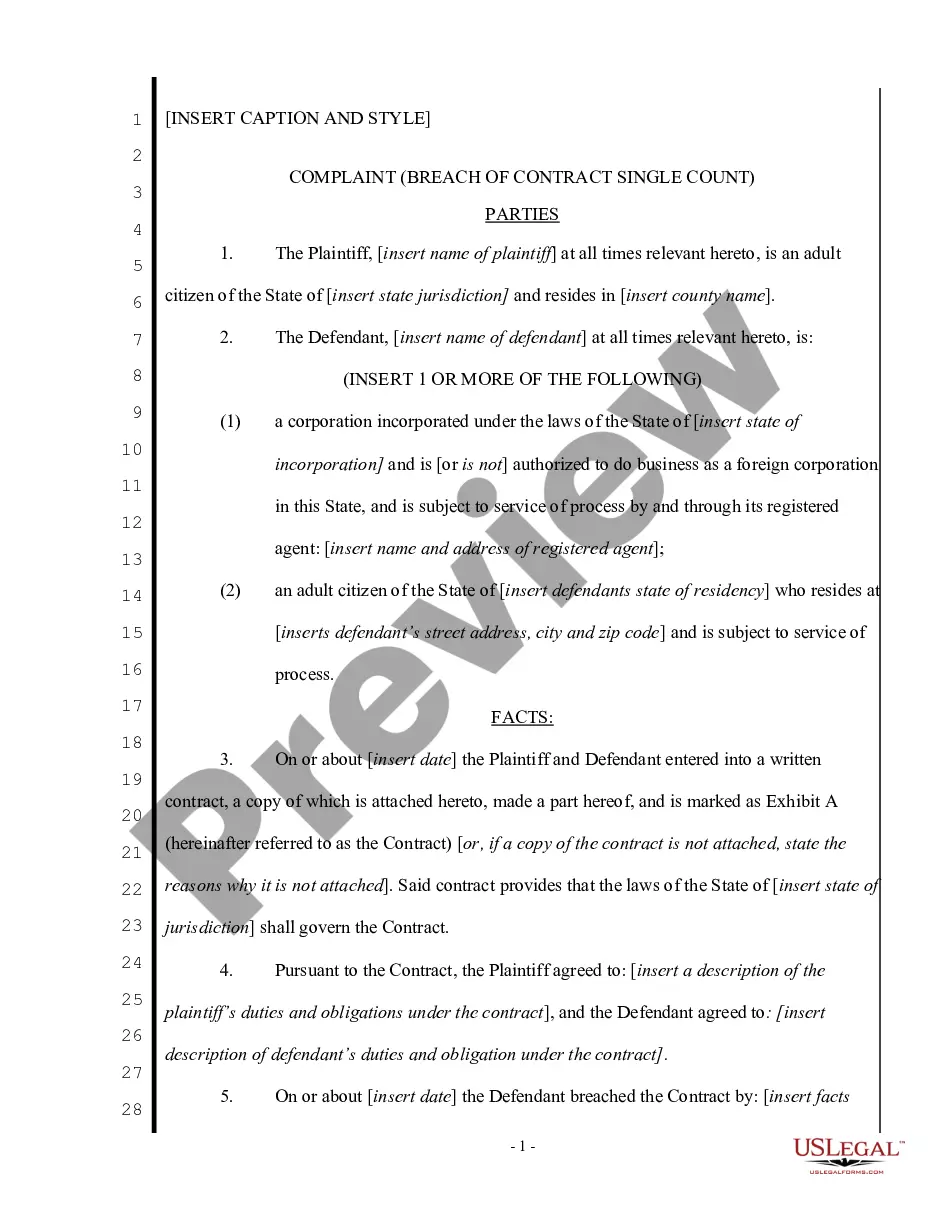
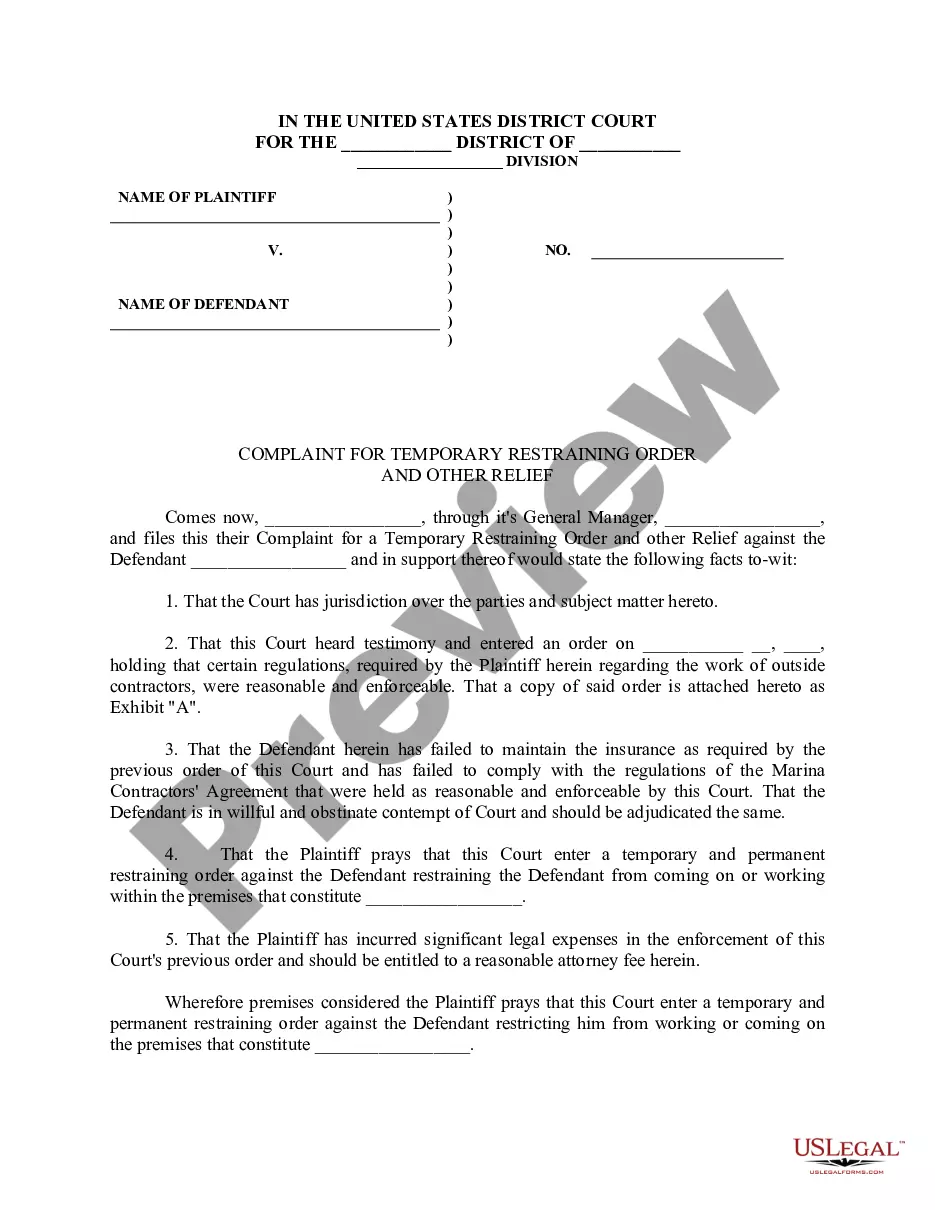
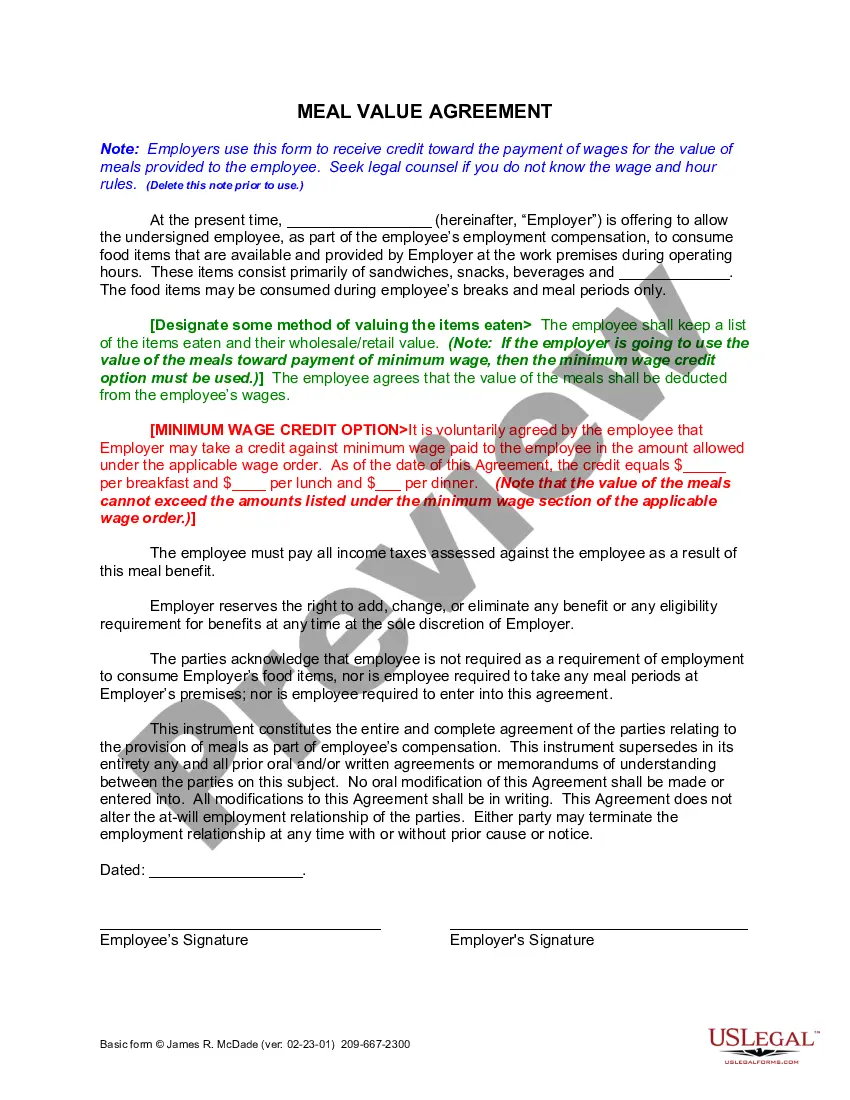
Complaint Prayer For Relief Example In Riverside
Description

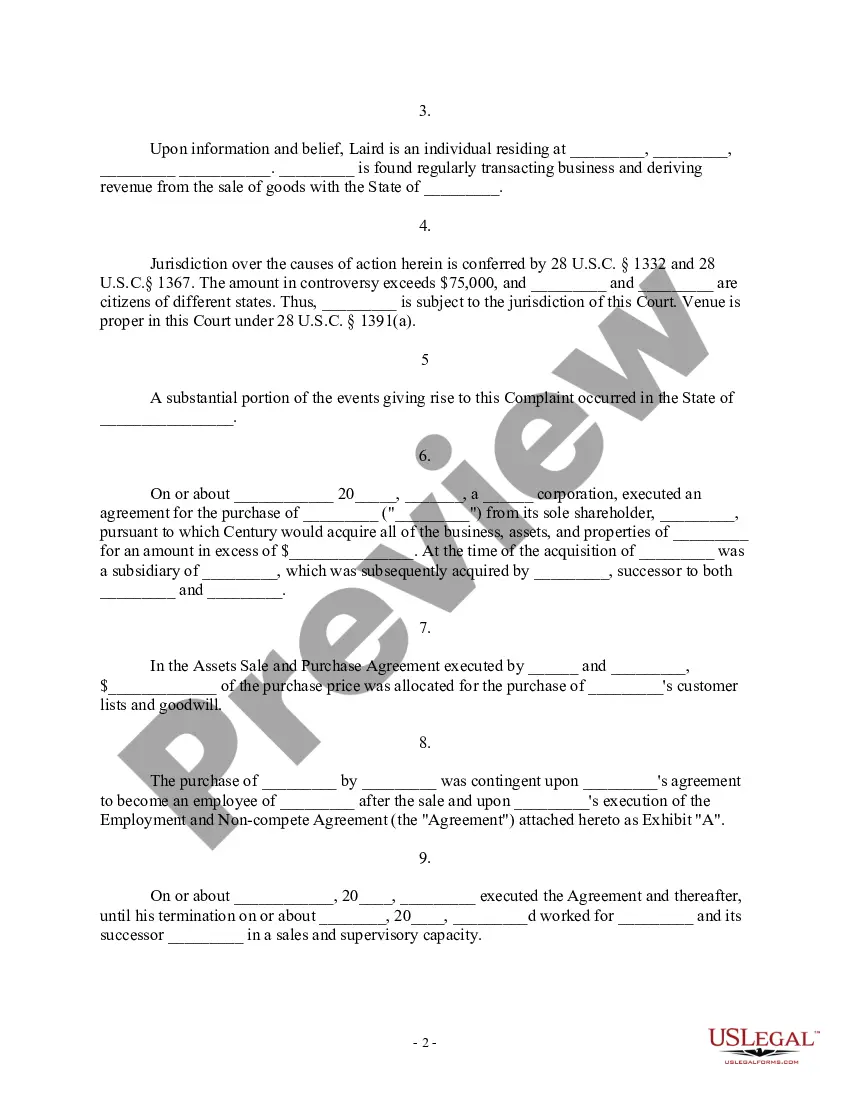
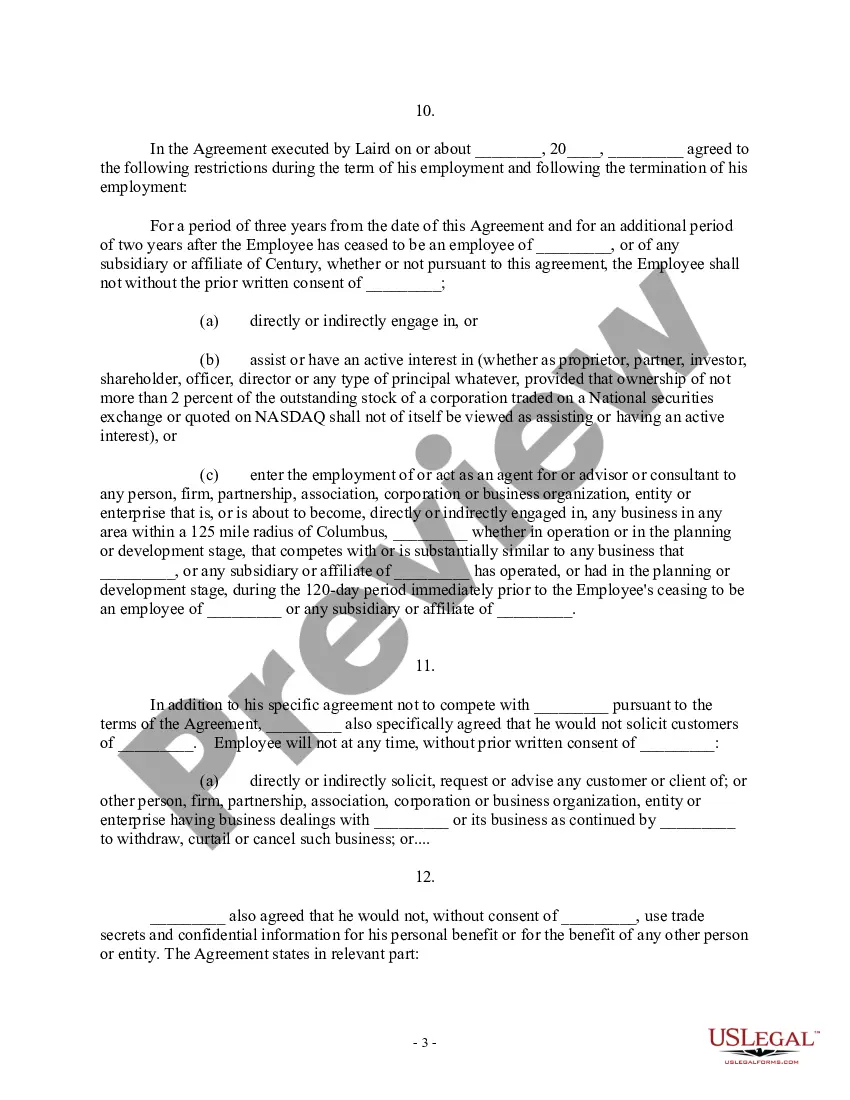
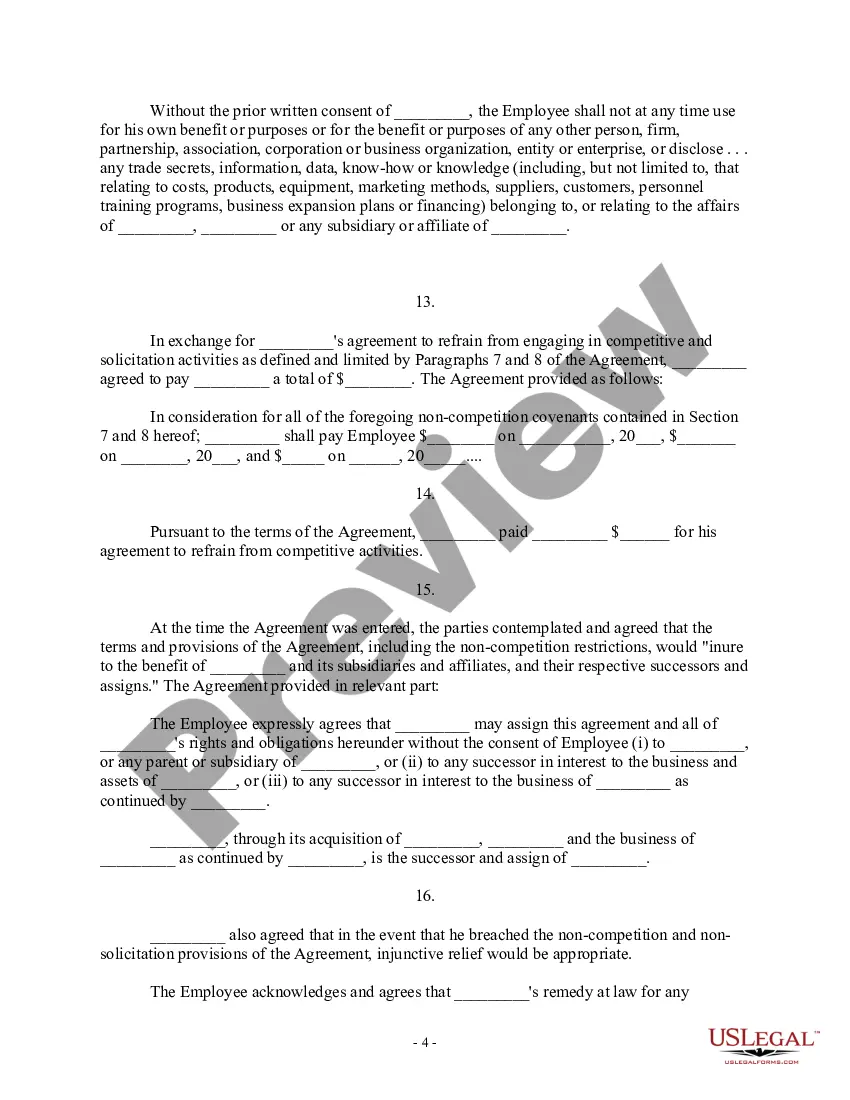
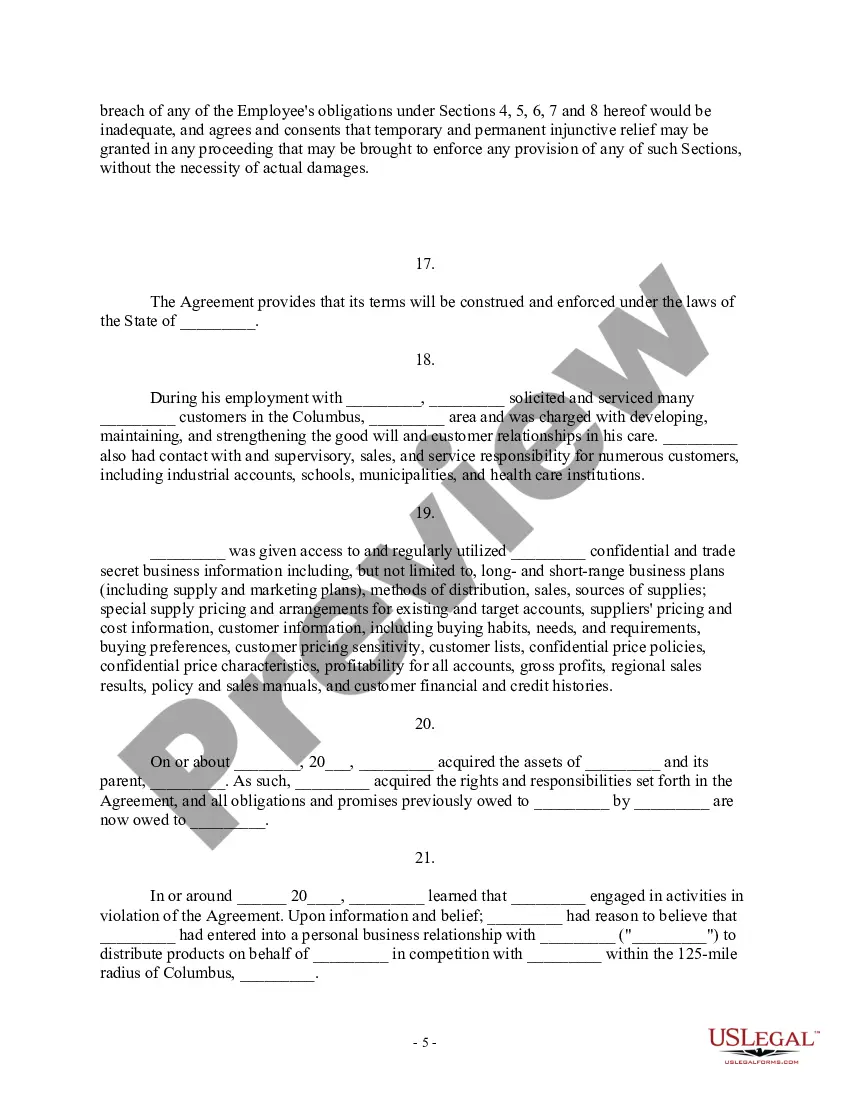

Get your form ready online
Our built-in tools help you complete, sign, share, and store your documents in one place.
Make edits, fill in missing information, and update formatting in US Legal Forms—just like you would in MS Word.
Download a copy, print it, send it by email, or mail it via USPS—whatever works best for your next step.
Sign and collect signatures with our SignNow integration. Send to multiple recipients, set reminders, and more. Go Premium to unlock E-Sign.
If this form requires notarization, complete it online through a secure video call—no need to meet a notary in person or wait for an appointment.
We protect your documents and personal data by following strict security and privacy standards.

Make edits, fill in missing information, and update formatting in US Legal Forms—just like you would in MS Word.

Download a copy, print it, send it by email, or mail it via USPS—whatever works best for your next step.

Sign and collect signatures with our SignNow integration. Send to multiple recipients, set reminders, and more. Go Premium to unlock E-Sign.

If this form requires notarization, complete it online through a secure video call—no need to meet a notary in person or wait for an appointment.

We protect your documents and personal data by following strict security and privacy standards.
Looking for another form?
Form popularity
FAQ
Any person interested under a written instrument, excluding a will or a trust, or under a contract, or who desires a declaration of his or her rights or duties with respect to another, or in respect to, in, over or upon property, or with respect to the location of the natural channel of a watercourse, may, in cases of ...
Injunctive relief is not a cause of action, but a remedy. (McDowell v. Watson (1997) 59 Cal. App.
Injunctive relief in a breach of contract claim is a court-ordered legal remedy whereby the court orders a party to either do something or refrain from doing something. Injunctive relief is sought when a breach of contract threatens to cause irreparable harm that can't be adequately compensated by monetary damages.
Legal definition of a cause of action A cause of action must include a legally recognized harm or injury caused by the defendant's actions or failure to act, as well as the necessary elements to establish liability, such as duty, breach, causation, and damages.
While denominated "causes of action" in the complaint, declaratory and injunctive relief are remedies, not causes of action. (McDowell v. Watson (1997) 59 Cal.
The prayer for relief is the part of complaint where a plaintiff states the damages or other remedies it is seeking from the court in a lawsuit. Federal Rules of Civil Procedure 8(a)(3) requires that a plaintiff's pleadings contains a prayer for relief. The prayer is often located at the end of the complaint.
State as briefly as possible the facts showing that each plaintiff is entitled to the damages or other relief sought. State how each defendant was involved and what each defendant did that caused the plaintiff harm or violated the plaintiff's rights, including the dates and places of that involvement or conduct.
Here's a short list of what you'll want to include: Facts of the case. An outline of what happened. Statement of the issue. A brief description of the problem. Demand. The dollar amount or action necessary to resolve the case. Response deadline. The date by which the recipient must respond. Noncompliance consequences.
For example, if a person is injured in a car accident, they may file a lawsuit against the driver who caused the accident. In their complaint, they would include a prayer for relief asking for compensation for their medical bills, lost wages, and pain and suffering.
Comply With the Relevant Federal, State, and Local Rules. Research Before Writing. Allege Subject Matter Jurisdiction, Personal Jurisdiction, and Venue. Jurisdiction. Draft Concise and Plain Statement of the Facts. Factual Allegations. Draft Separate Counts for Each Legal Claim. Plead Facts With Particularity Where Necessary.
