Injunctive Relief For Breach In Queens
Description

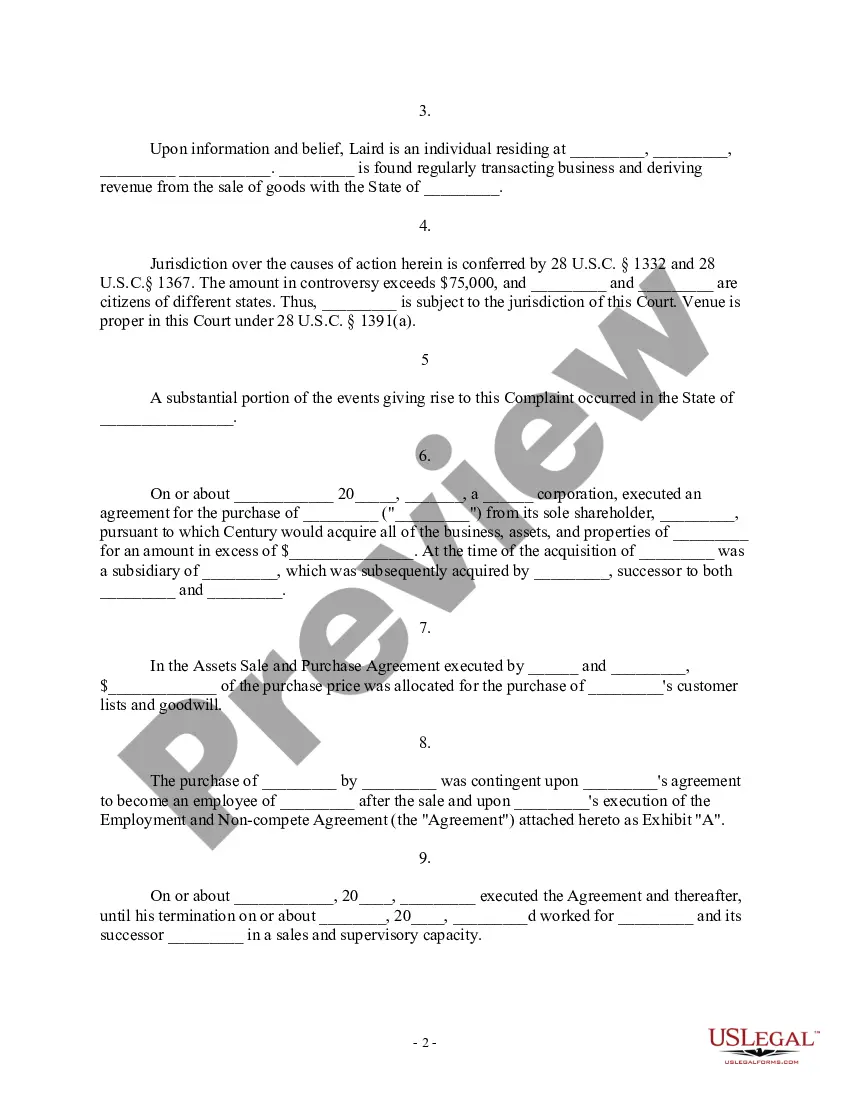
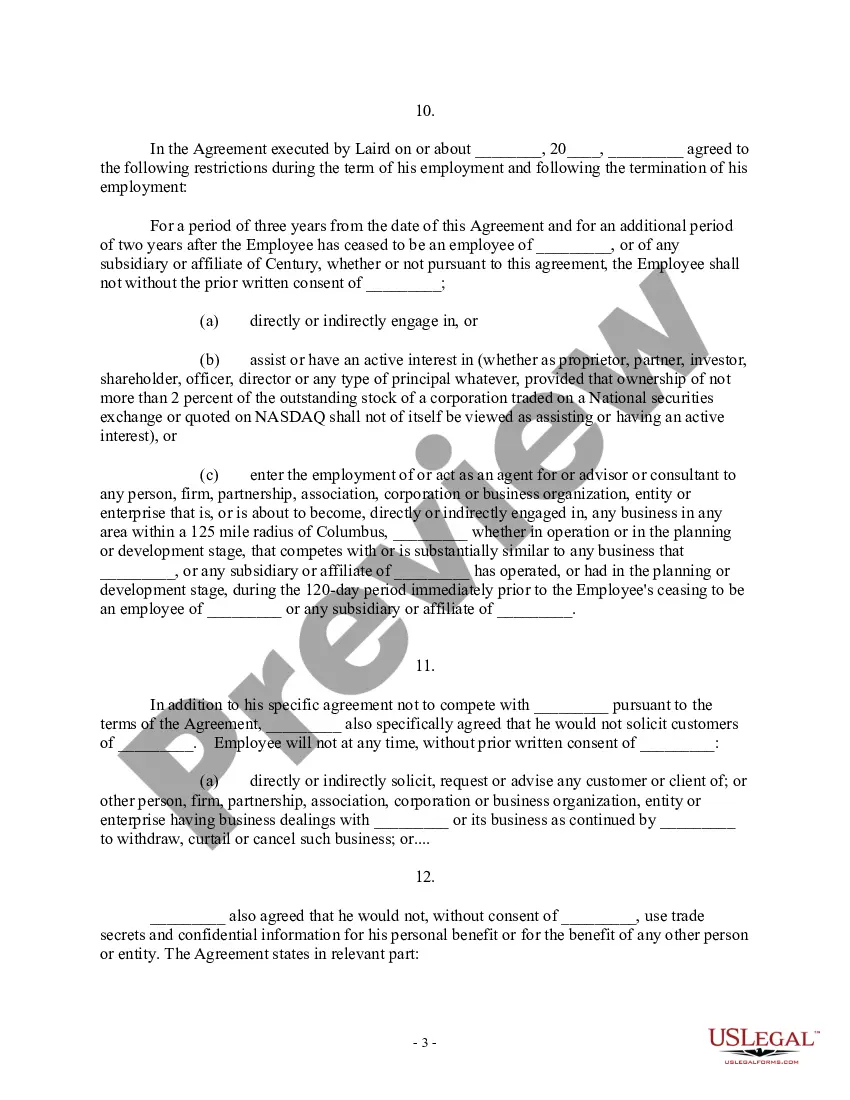
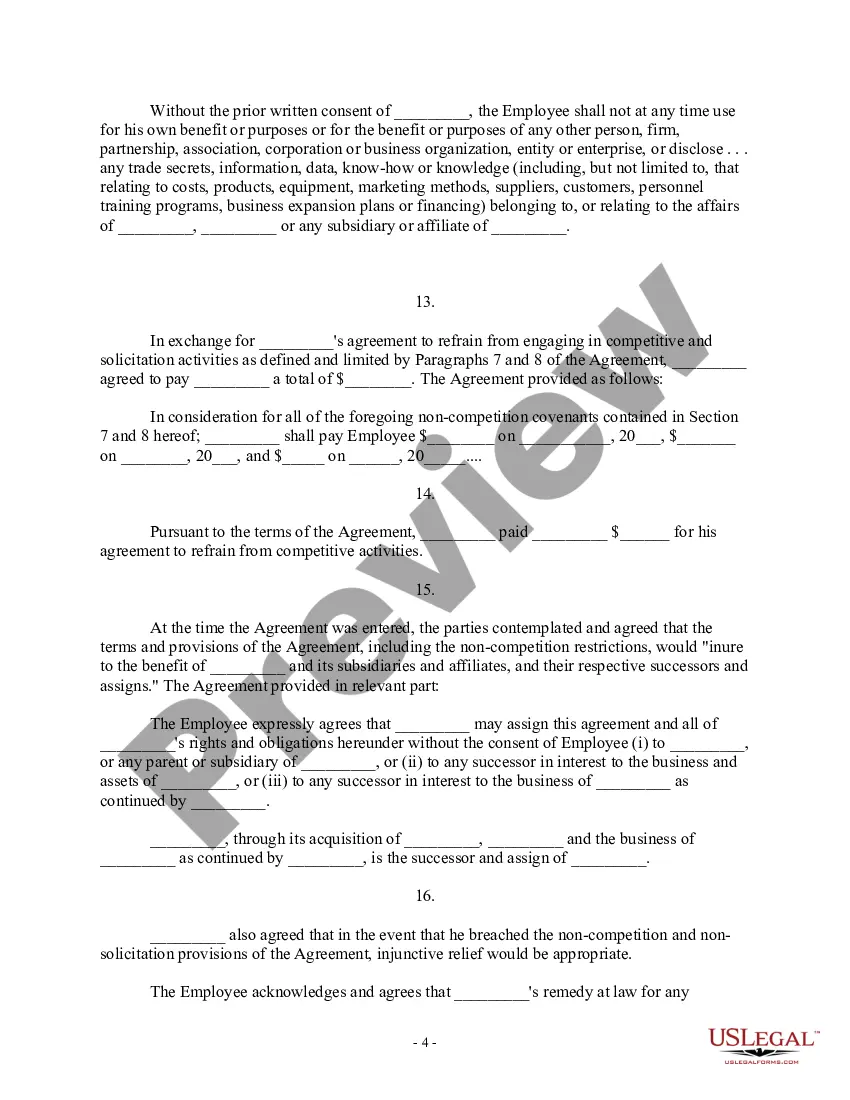
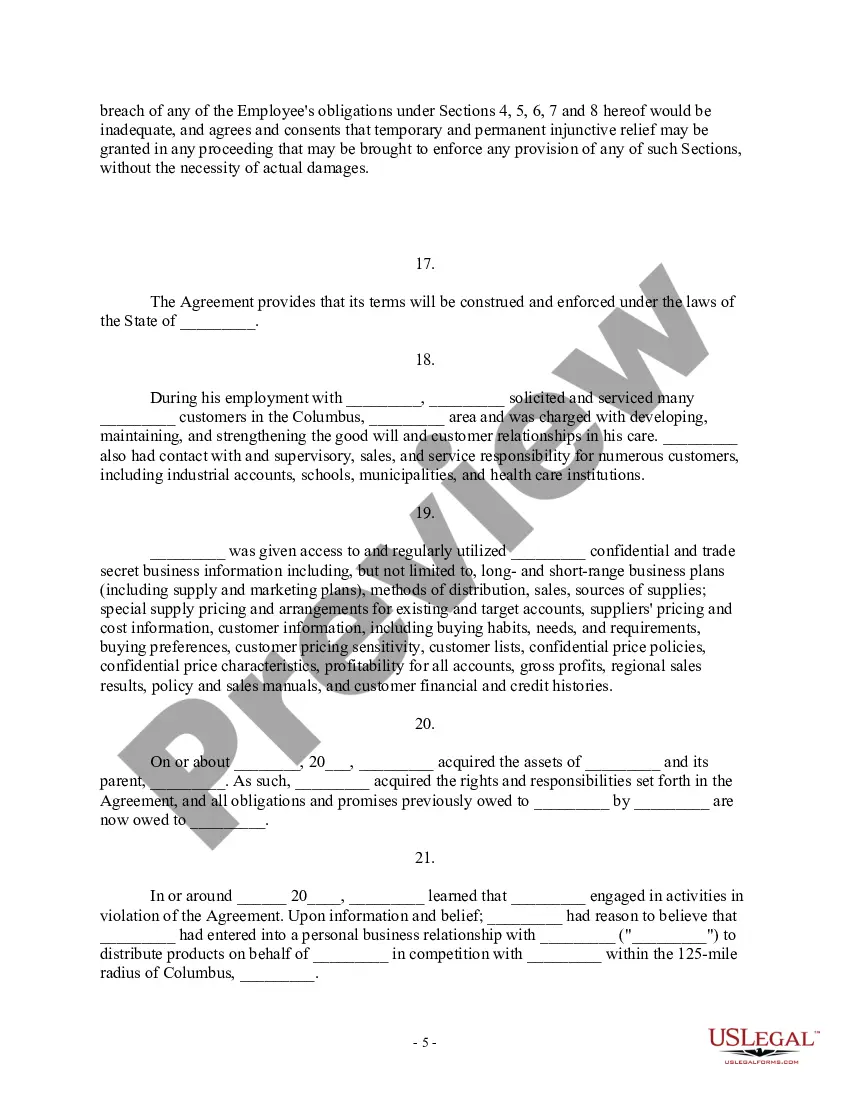

Get your form ready online
Our built-in tools help you complete, sign, share, and store your documents in one place.
Make edits, fill in missing information, and update formatting in US Legal Forms—just like you would in MS Word.
Download a copy, print it, send it by email, or mail it via USPS—whatever works best for your next step.
Sign and collect signatures with our SignNow integration. Send to multiple recipients, set reminders, and more. Go Premium to unlock E-Sign.
If this form requires notarization, complete it online through a secure video call—no need to meet a notary in person or wait for an appointment.
We protect your documents and personal data by following strict security and privacy standards.

Make edits, fill in missing information, and update formatting in US Legal Forms—just like you would in MS Word.

Download a copy, print it, send it by email, or mail it via USPS—whatever works best for your next step.

Sign and collect signatures with our SignNow integration. Send to multiple recipients, set reminders, and more. Go Premium to unlock E-Sign.

If this form requires notarization, complete it online through a secure video call—no need to meet a notary in person or wait for an appointment.

We protect your documents and personal data by following strict security and privacy standards.
Looking for another form?










Form popularity
FAQ
The written response must be made within 20 days of personal service, or within 30 days of the time when service by any other means is complete. If the defendant fails to respond he or she is in default and plaintiff may be able to obtain a default judgment against the defendant.
You can either answer the summons in writing or in person. If you answer in person, you must go to the courthouse clerk's office and tell the clerk about your defenses to the plaintiff's claims. The clerk will check off the boxes in a Consumer Credit Transaction Answer In Person form.
To seek a permanent injunction, the plaintiff must pass the four-step test: (1) that the plaintiff has suffered an irreparable injury; (2) that remedies available at law, such as monetary damages, are inadequate to compensate for the injury; (3) that the remedy in equity is warranted upon consideration of the balance ...
The party seeking a preliminary injunctive relief must demonstrate: (1) irreparable injury in the absence of such an order; (2) that the threatened injury to the moving party outweighs the harm to the opposing party resulting from the order; (3) that the injunction is not adverse to public interest; and (4) that the ...
On a separate page or pages, write a short and plain statement of the answer to the allegations in the complaint. Number the paragraphs. The answer should correspond to each paragraph in the complaint, with paragraph 1 of the answer corresponding to paragraph 1 of the complaint, etc.
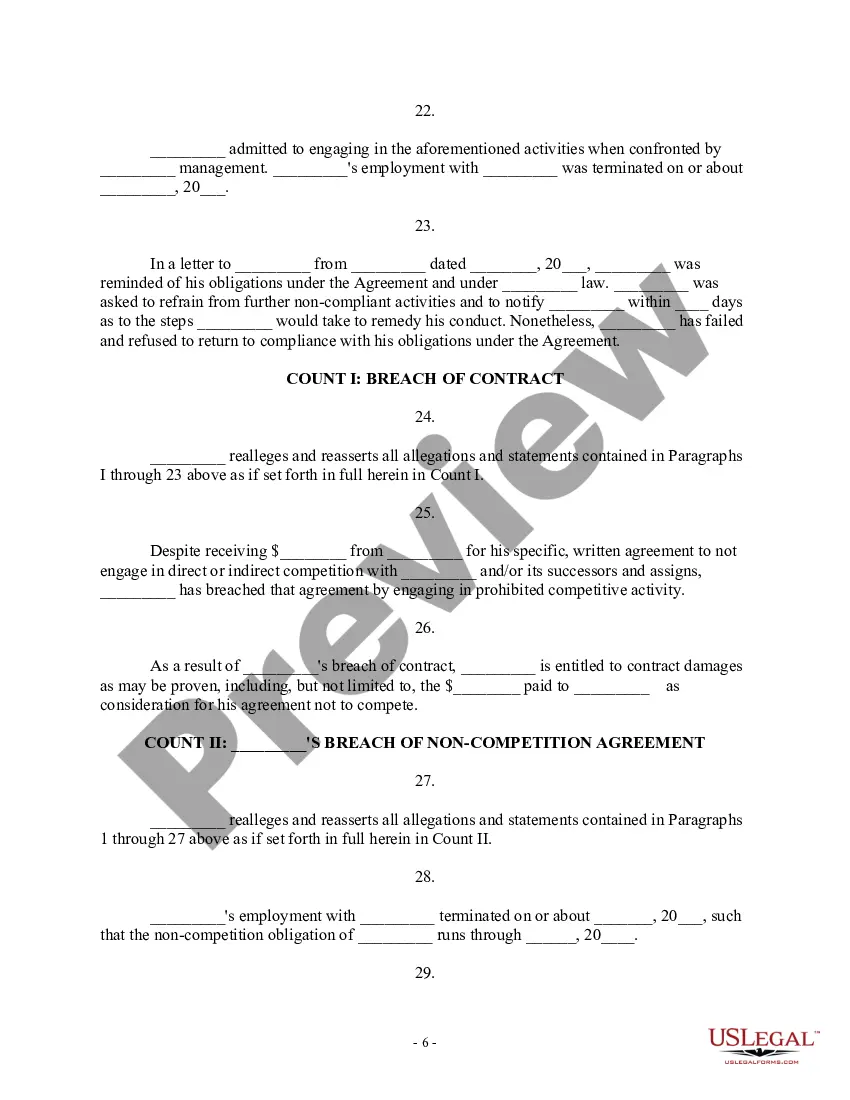
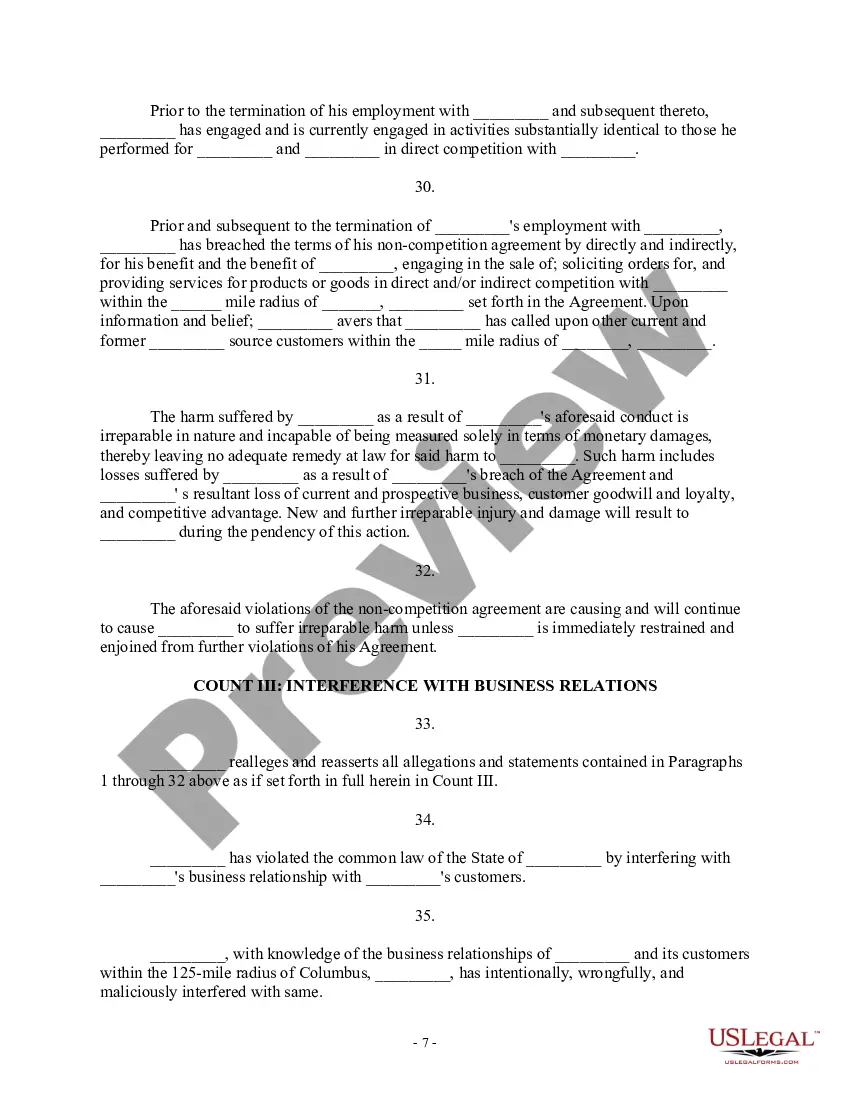
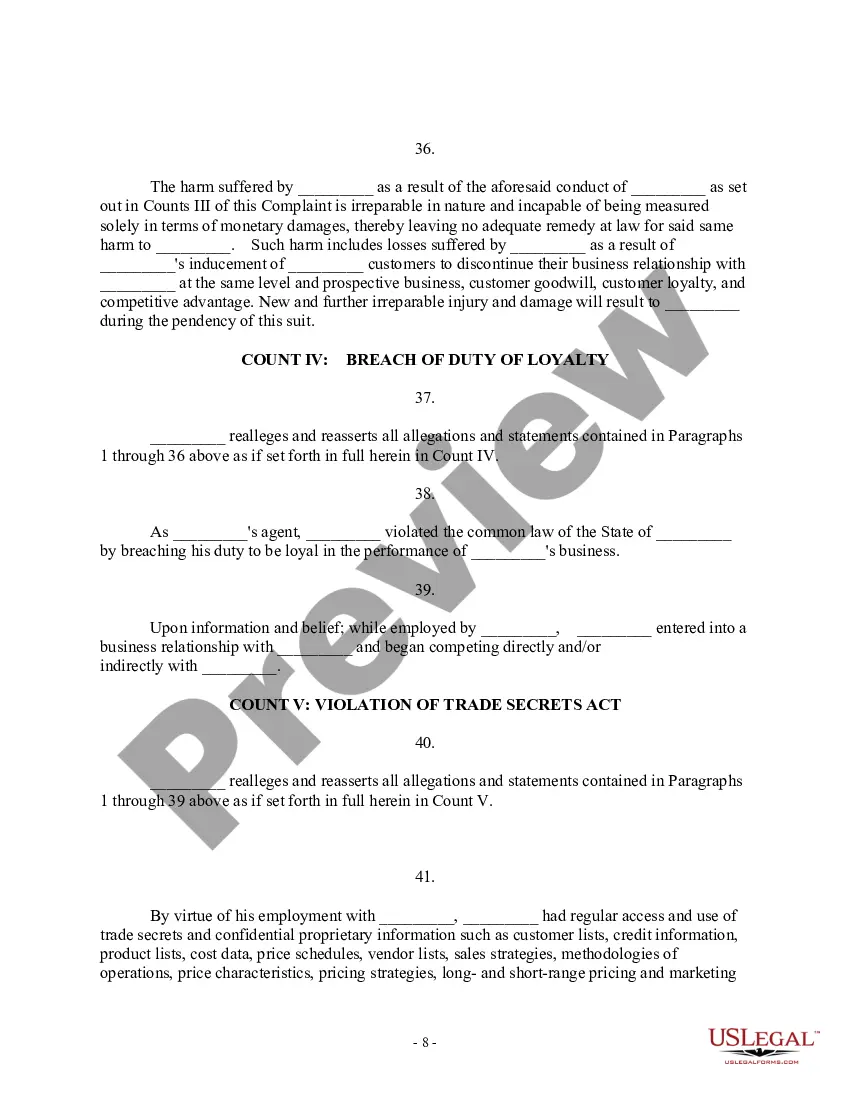
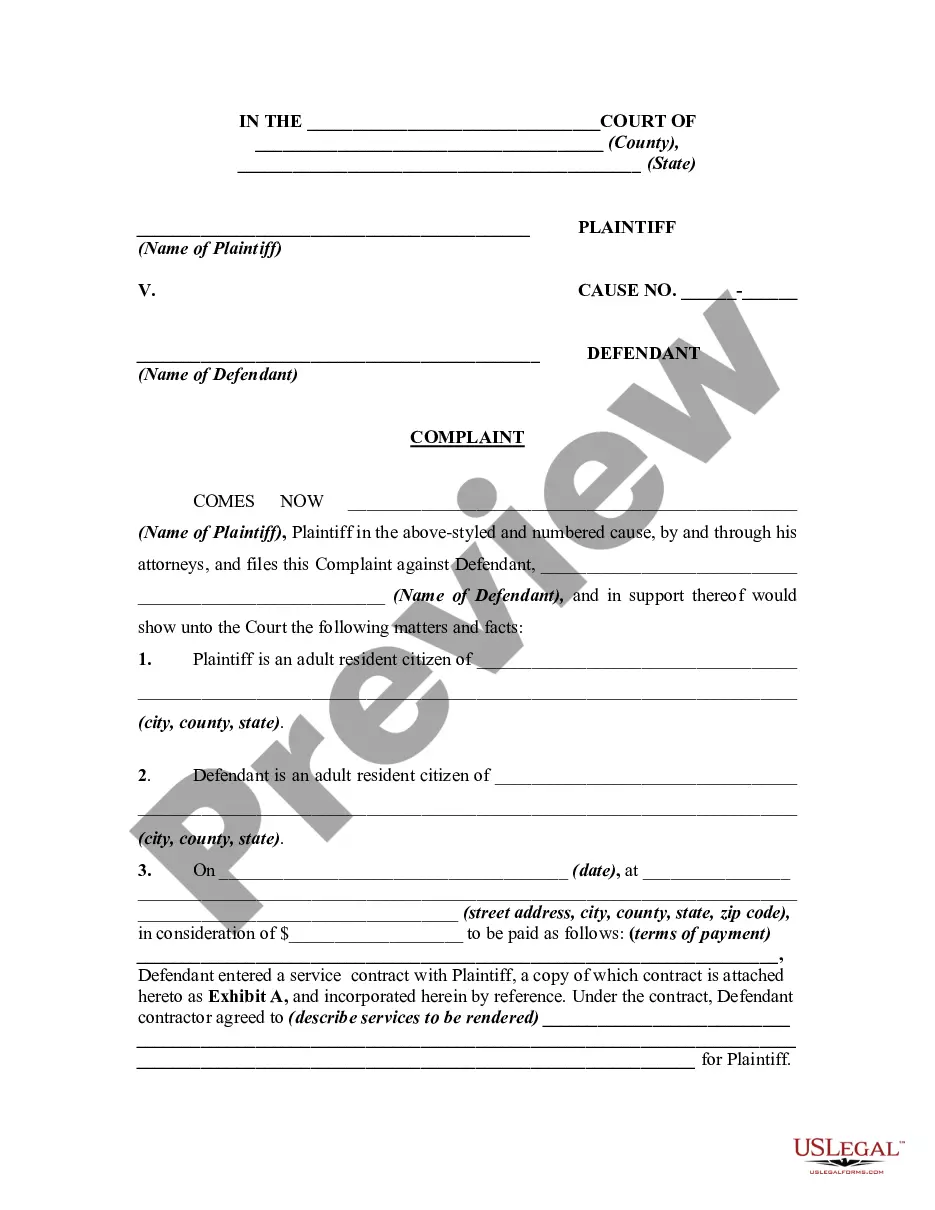
A plaintiff can also frequently pursue an injunction as a remedy for breach of an NDA. An injunction is a court order prohibiting the defendant from further disclosing or using the proprietary information or trade secret that was the subject of the NDA.
Although the test for obtaining a TRO or PI may vary slightly across jurisdictions, generally a plaintiff seeking preliminary injunctive relief must satisfy a four-factor test: (1) that he or she is likely to succeed on the merits of his claims; (2) that he or she is likely to suffer irreparable harm without ...
These courts consider: (1) the likelihood of success on the merits; (2) irreparable harm if the injunction is not granted; (3) whether a balancing of the relevant equities favors the injunction; and (4) whether the issuance of the injunction is in the public interest.
To seek a permanent injunction, the plaintiff must pass the four-step test: (1) that the plaintiff has suffered an irreparable injury; (2) that remedies available at law, such as monetary damages, are inadequate to compensate for the injury; (3) that the remedy in equity is warranted upon consideration of the balance ...
Injunctive relief usually takes one of three forms: temporary restraining order (TRO), preliminary injunction, and permanent injunction. As their modifying terms imply, each has a different level of the time commitment involved.
