Damages For Wrongful Injunction In Phoenix
Description

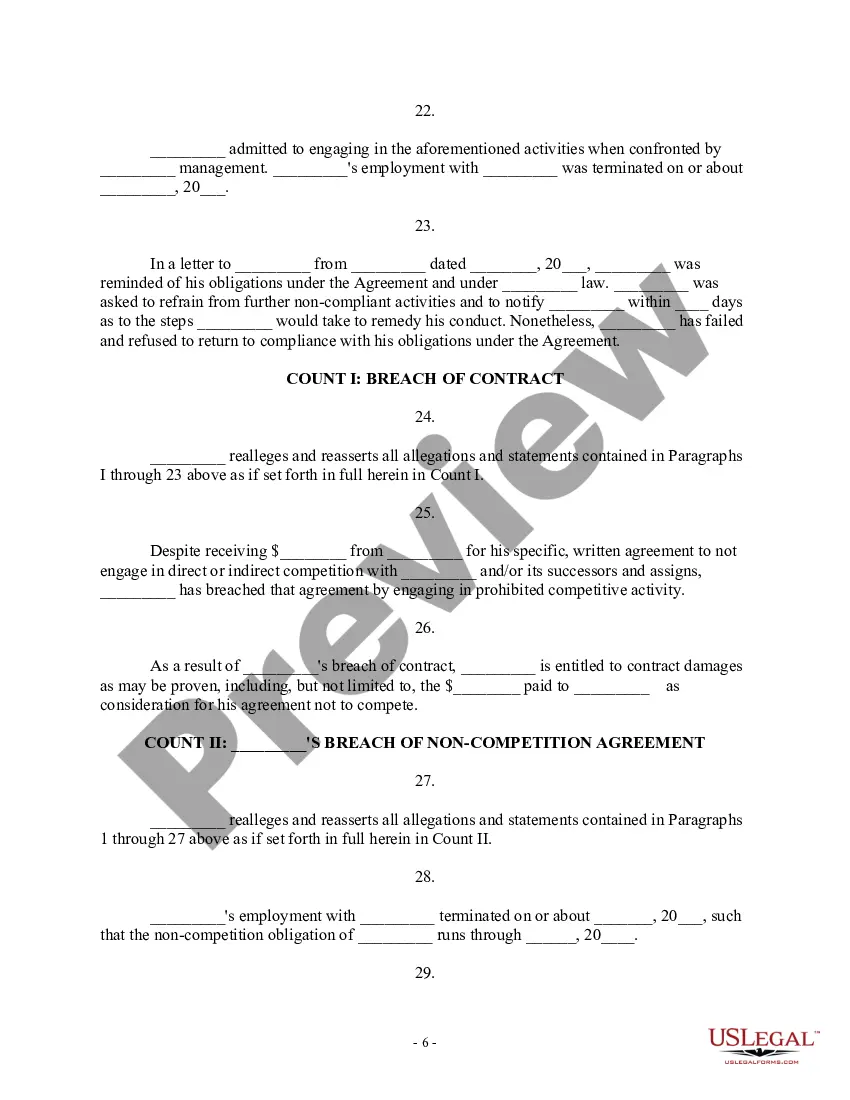
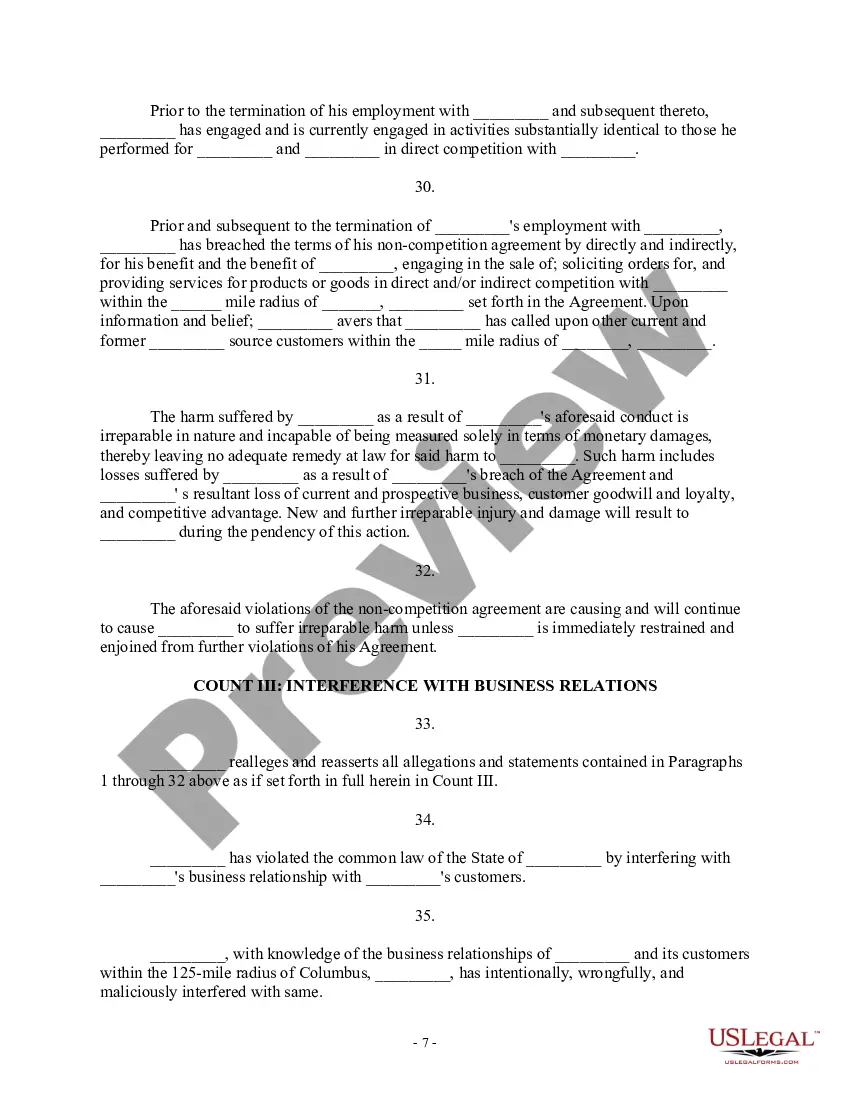
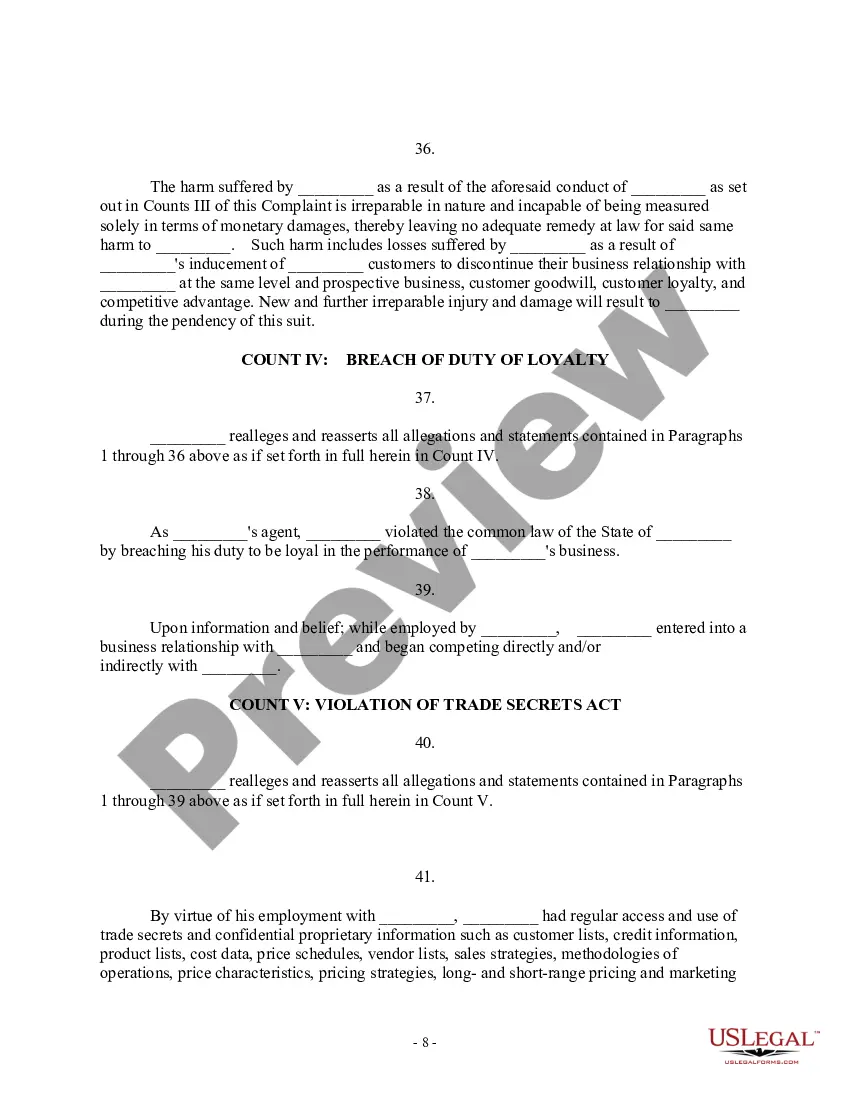
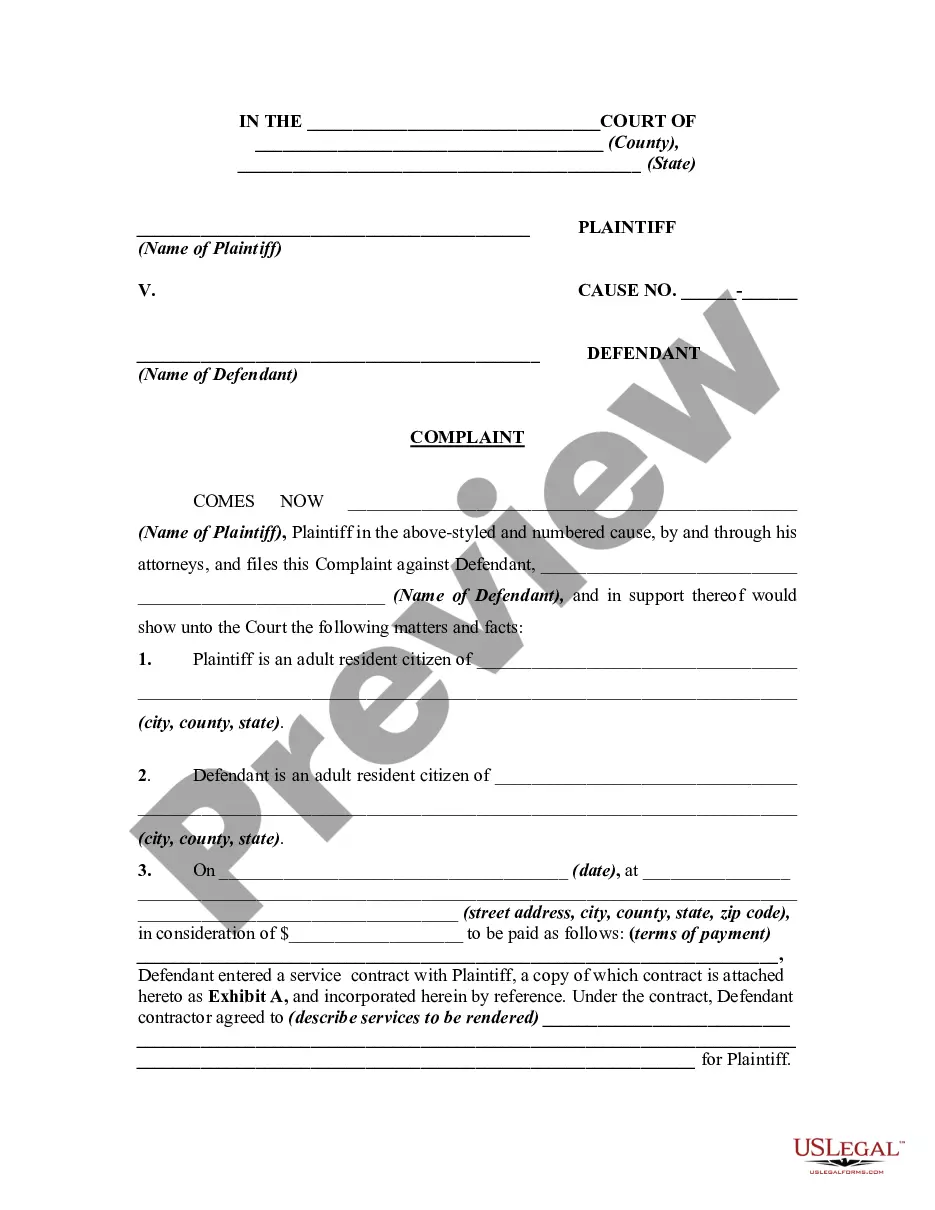

Get your form ready online
Our built-in tools help you complete, sign, share, and store your documents in one place.
Make edits, fill in missing information, and update formatting in US Legal Forms—just like you would in MS Word.
Download a copy, print it, send it by email, or mail it via USPS—whatever works best for your next step.
Sign and collect signatures with our SignNow integration. Send to multiple recipients, set reminders, and more. Go Premium to unlock E-Sign.
If this form requires notarization, complete it online through a secure video call—no need to meet a notary in person or wait for an appointment.
We protect your documents and personal data by following strict security and privacy standards.

Make edits, fill in missing information, and update formatting in US Legal Forms—just like you would in MS Word.

Download a copy, print it, send it by email, or mail it via USPS—whatever works best for your next step.

Sign and collect signatures with our SignNow integration. Send to multiple recipients, set reminders, and more. Go Premium to unlock E-Sign.

If this form requires notarization, complete it online through a secure video call—no need to meet a notary in person or wait for an appointment.

We protect your documents and personal data by following strict security and privacy standards.
Looking for another form?



Form popularity
FAQ
A party can seek the remedies of damages and injunctive relief as part of the same cause of action.
The burden of proof for establishing probable cause does not demand absolute certainty or conclusive evidence of criminal activity. Rather, it requires a reasonable basis or suspicion backed by factual evidence that would lead a prudent person to believe that a crime has been, is being, or will be committed.
In most cases, you must have evidence to convince the judge that the person seeking a restraining order is in danger of harm. The danger or harm can include domestic violence, threats, criminal trespass, stalking, and harassment. An adult can file for a restraining order when they believe their safety is in danger.
The first step to seek injunctive relief is to file your lawsuit in the appropriate county. It must be the county in which the majority of the issues have taken place or otherwise in the county where the defendant resided or worked. Select your court with due care.
The plaintiff has the burden of proving the allegations to be true based on the preponderance of the evidence. The purpose of an Injunction Against Harassment is to restrain a person from committing acts of harassment.
Rule 34 - Jurisdiction (a) Superior Court Jurisdiction. The superior court has exclusive jurisdiction to issue a protective order when a family law action is pending between the parties. A limited jurisdiction court must refer a plaintiff who has a pending family law action to the superior court.
(1) The judicial officer must issue an Injunction Against Harassment upon finding: (A) reasonable evidence that the defendant has committed harassment as defined in Rule 3(c), against the plaintiff, and that the defendant committed the most recent act of harassment against the plaintiff during the year preceding the ...
An Injunction (also known as “equitable relief”) is a legal remedy that can be sought in a civil lawsuit in addition to, or in place of, monetary damages. Basically, injunctive relief means a court will issue an order for the defendant to stop committing one or more specified actions.
What is the average settlement for pain and suffering? The average settlement for pain and suffering is typically $15,000. Still, the amount of your settlement can vary depending on a number of different factors, including how negligent the other party was found to be.
