Injunction With Damages In Pennsylvania
Description


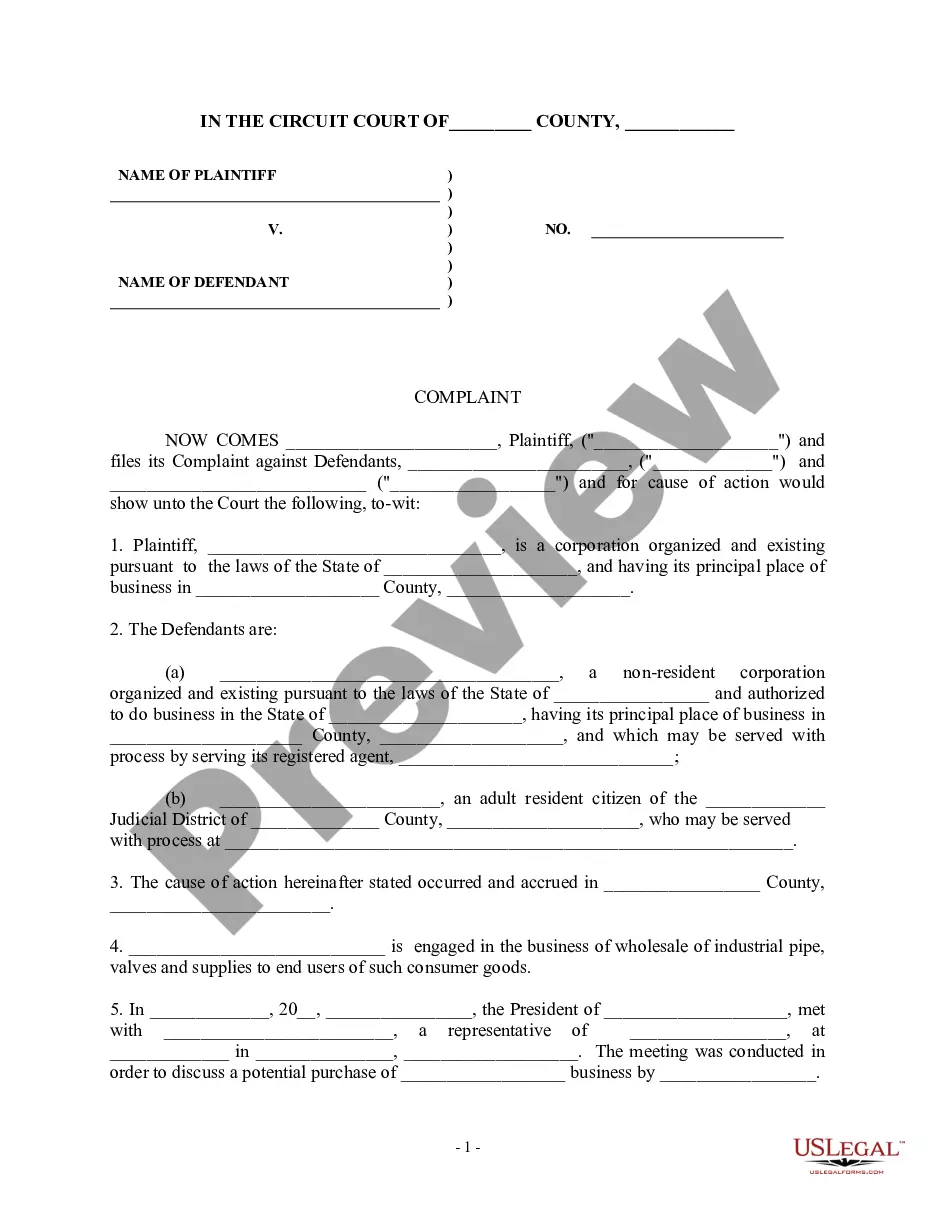

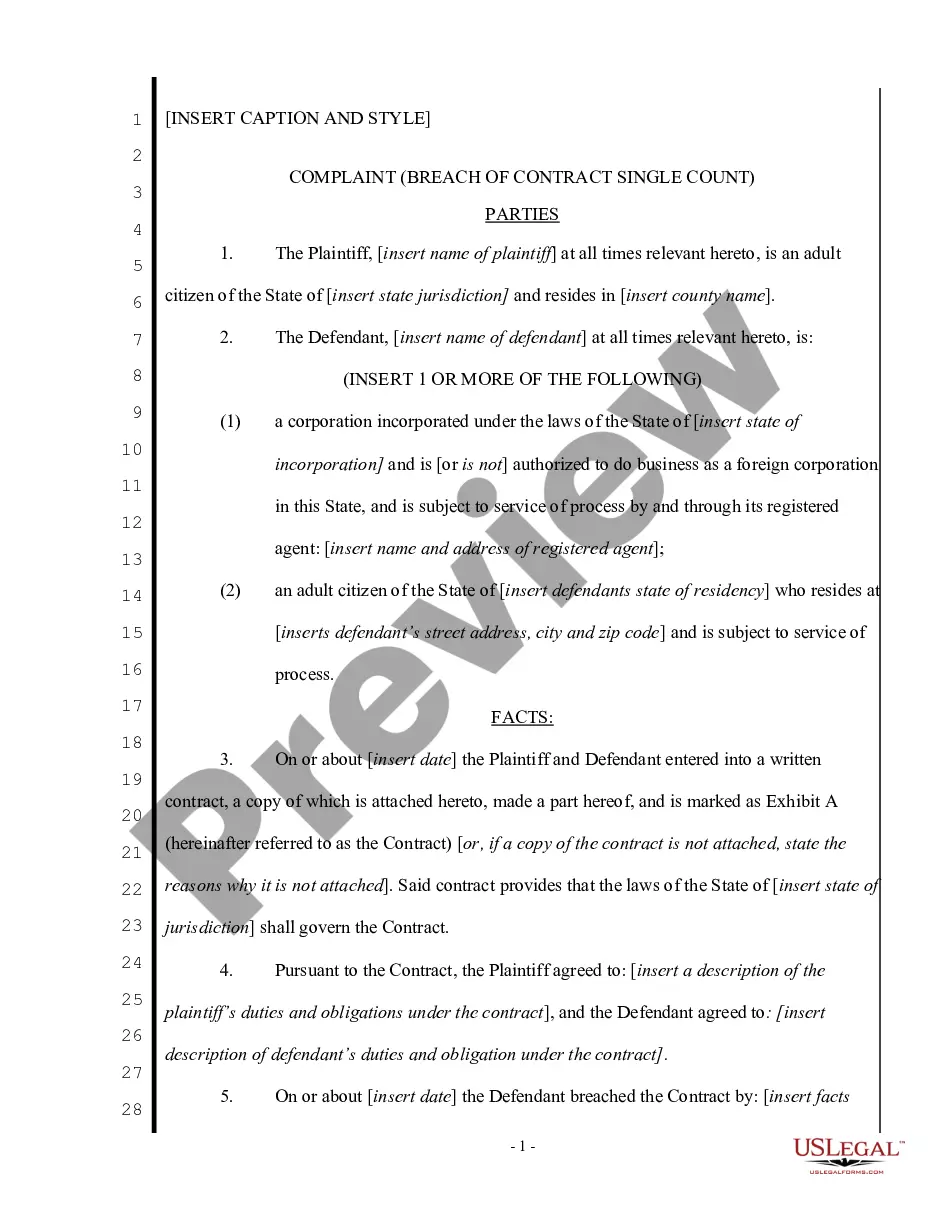
Get your form ready online
Our built-in tools help you complete, sign, share, and store your documents in one place.
Make edits, fill in missing information, and update formatting in US Legal Forms—just like you would in MS Word.
Download a copy, print it, send it by email, or mail it via USPS—whatever works best for your next step.
Sign and collect signatures with our SignNow integration. Send to multiple recipients, set reminders, and more. Go Premium to unlock E-Sign.
If this form requires notarization, complete it online through a secure video call—no need to meet a notary in person or wait for an appointment.
We protect your documents and personal data by following strict security and privacy standards.

Make edits, fill in missing information, and update formatting in US Legal Forms—just like you would in MS Word.

Download a copy, print it, send it by email, or mail it via USPS—whatever works best for your next step.

Sign and collect signatures with our SignNow integration. Send to multiple recipients, set reminders, and more. Go Premium to unlock E-Sign.

If this form requires notarization, complete it online through a secure video call—no need to meet a notary in person or wait for an appointment.

We protect your documents and personal data by following strict security and privacy standards.
Looking for another form?








Form popularity
FAQ
Undertaking as to Damages This undertaking means that the plaintiff agrees to compensate the defendant for losses suffered due to the injunction being granted, if the case is determined against the plaintiff at the full trial of the matter.
Adequacy of Damages This question is first considered from the Claimant's point of view. It is commonly found in business protection cases that damages will not be an adequate remedy. Firstly it is often impossible or extremely difficult to quantify loss in such cases.
An injunction is a court order requiring a person to do or cease doing a specific action. There are three types of injunctions: Permanent injunctions , Temporary restraining orders and preliminary injunctions . Temporary restraining orders (TRO) and preliminary injunctions are equitable in nature.
Example: Cease and Desist A cease and desist order places an injunction on a company or person prohibiting the activities that are deemed suspect. A cease-and-desist order may take the form of a temporary injunction until a trial can be held to determine the outcome or a permanent injunction after the trial concludes.
The aim of a damages undertaking is to compensate any party that is harmed by an unfair injunction. For example, you could seek an injunction to stop a competing business from selling a certain product in Australia. That injunction is granted, but then overturned a year later when you lose the court case.
(a) A court shall issue a preliminary or special injunction only after written notice and hearing unless it appears to the satisfaction of the court that immediate and irreparable injury will be sustained before notice can be given or a hearing held, in which case the court may issue a preliminary or special injunction ...
Injunctive relief is a court-ordered remedy that compels or prevents specific actions when monetary damages are inadequate and irreparable harm is likely. It includes temporary and permanent injunctions, which aim to maintain the status quo or provide long-term protection after a legal decision.
Examples: “I am asking the court to grant me a _____ month/year injunction.” “I want no contact in person, at home, by phone, at work, by mail or through third parties.” “I would consider any contact in the future to be a violation.” Tell the court why you would like the temporary restraining order injunction.
To warrant preliminary injunctive relief, the moving party must show (1) a substantial likelihood of success on the merits, (2) that it would suffer irrepa- rable injury if the injunction were not granted, (3) that an injunction would not substantially injure other interested parties, and (4) that the public interest ...
These are the most common ways you can beat an injunction: Petitioner voluntarily dismisses it. Petitioner does not show up to the final injunction hearing. Petitioner agrees to keep the injunction temporary. Fighting the injunction in court (this one is the hardest and most expensive option).