Injunctive Relief For Defamation In Orange
Description

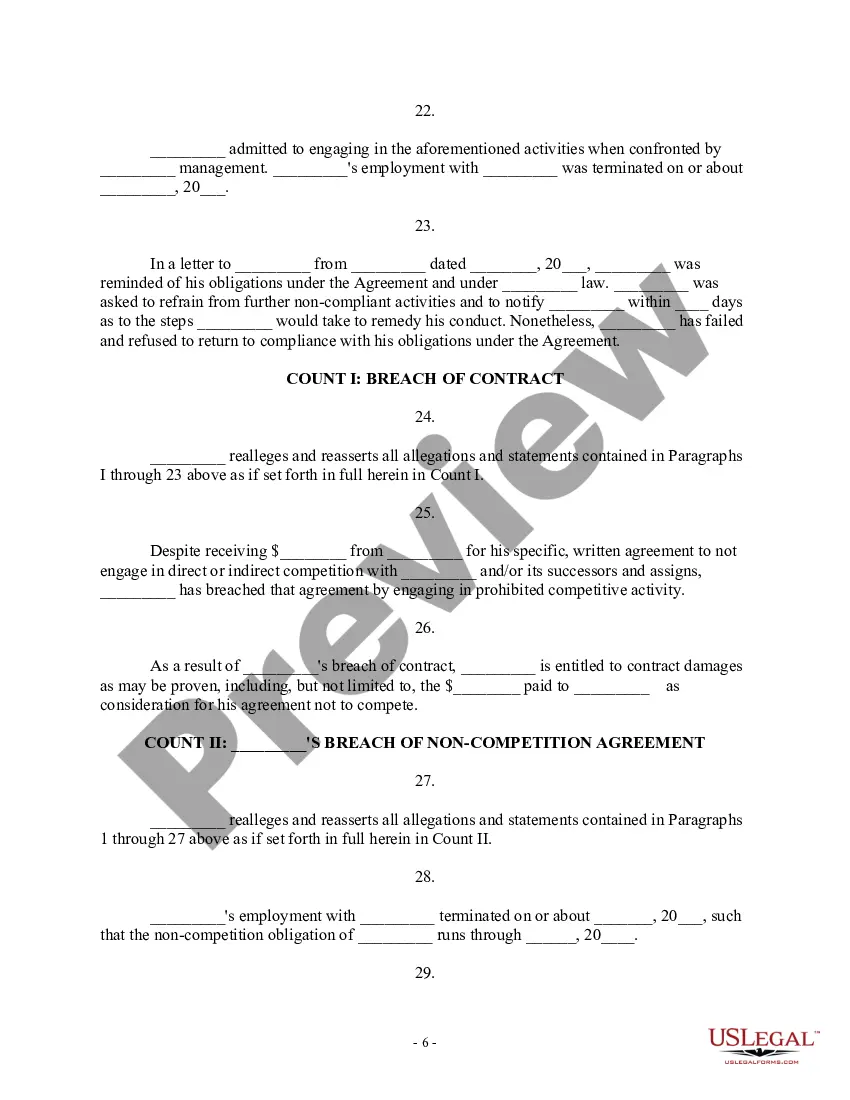
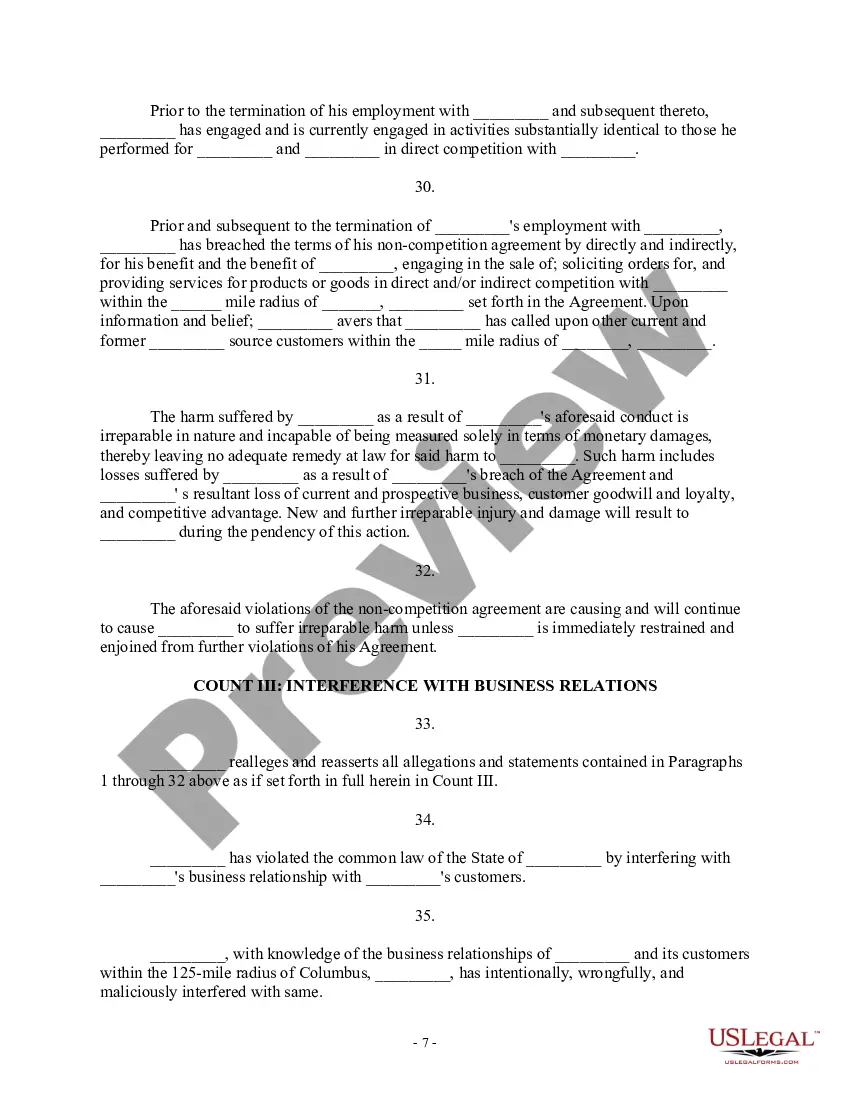
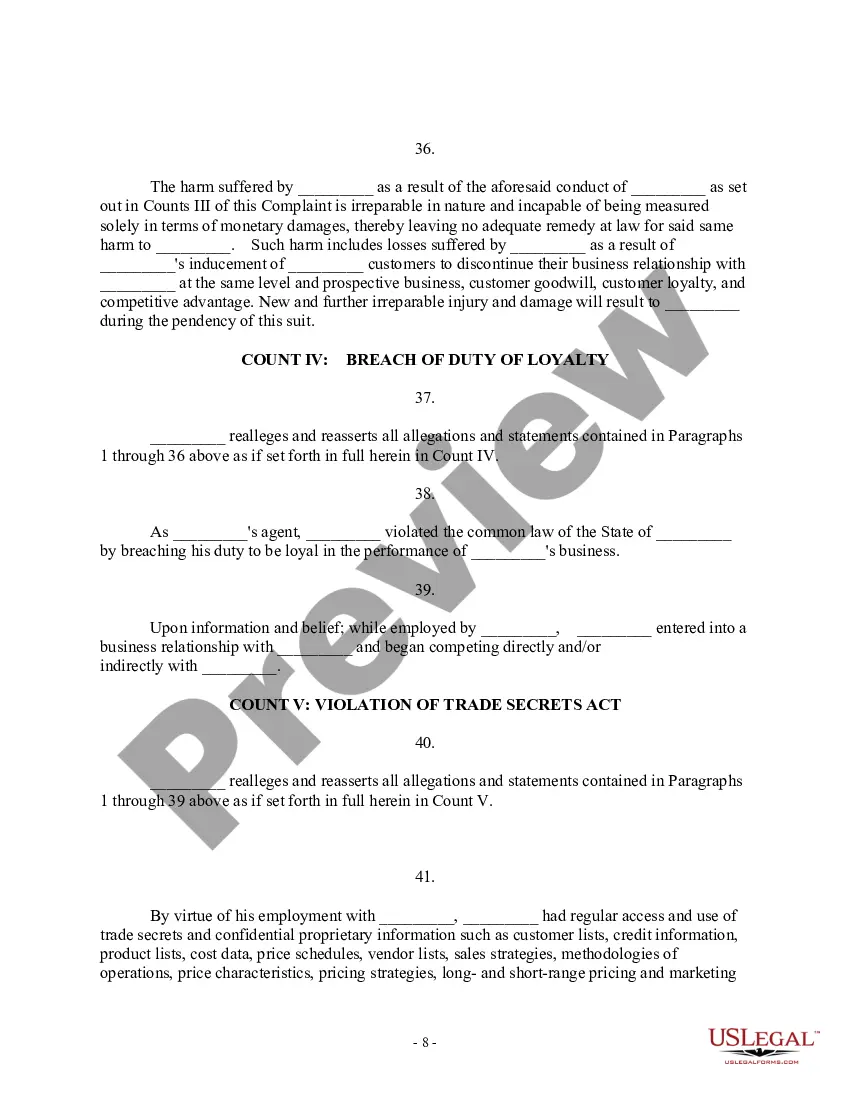
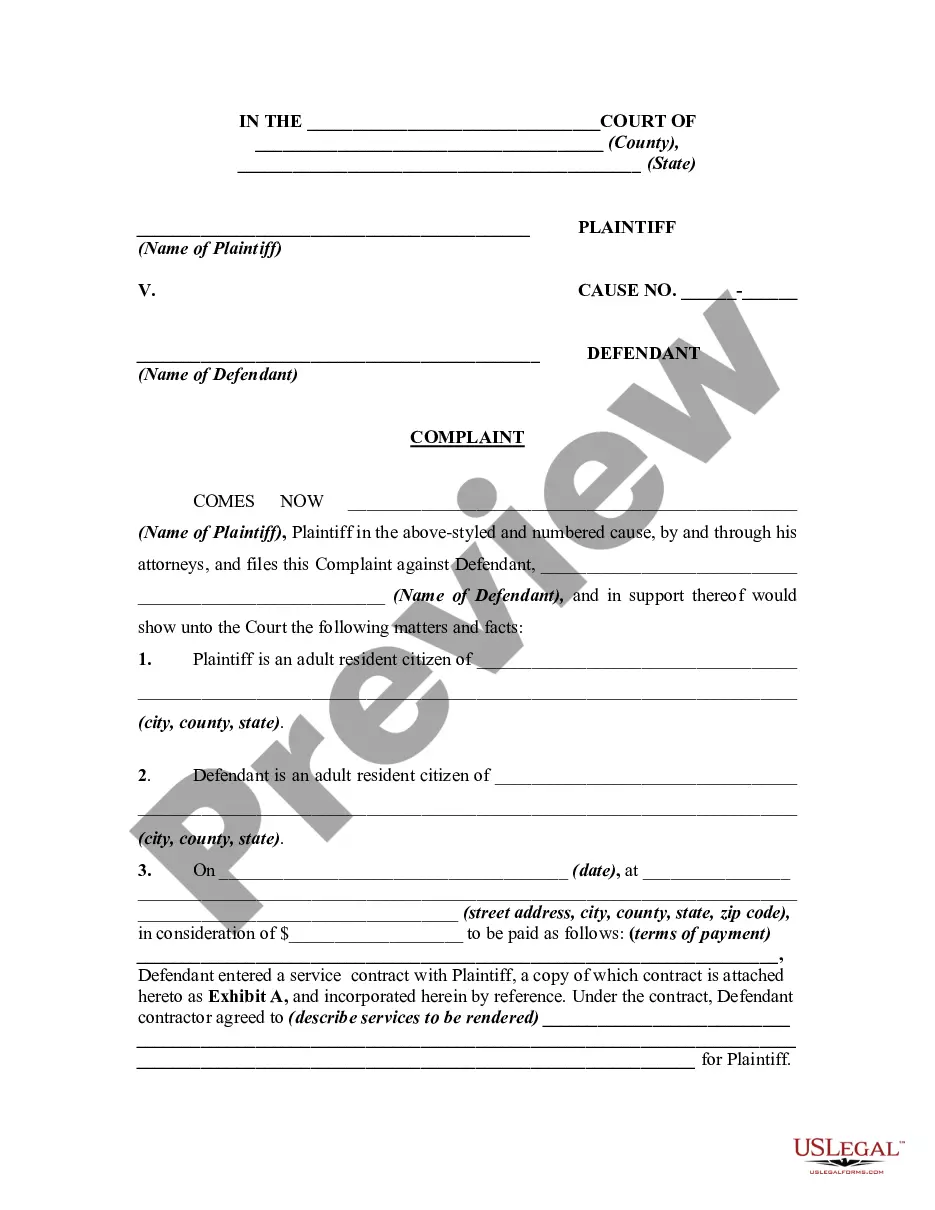

Get your form ready online
Our built-in tools help you complete, sign, share, and store your documents in one place.
Make edits, fill in missing information, and update formatting in US Legal Forms—just like you would in MS Word.
Download a copy, print it, send it by email, or mail it via USPS—whatever works best for your next step.
Sign and collect signatures with our SignNow integration. Send to multiple recipients, set reminders, and more. Go Premium to unlock E-Sign.
If this form requires notarization, complete it online through a secure video call—no need to meet a notary in person or wait for an appointment.
We protect your documents and personal data by following strict security and privacy standards.

Make edits, fill in missing information, and update formatting in US Legal Forms—just like you would in MS Word.

Download a copy, print it, send it by email, or mail it via USPS—whatever works best for your next step.

Sign and collect signatures with our SignNow integration. Send to multiple recipients, set reminders, and more. Go Premium to unlock E-Sign.

If this form requires notarization, complete it online through a secure video call—no need to meet a notary in person or wait for an appointment.

We protect your documents and personal data by following strict security and privacy standards.
Looking for another form?








Form popularity
FAQ
Requests for mandatory injunctions are only granted if the facts are clearly favorable toward the moving party. When a court decides to issue a mandatory injunction, the injunction must be least oppressive while still protecting the plaintiff's rights.
California Supreme Court Holds that Defamatory Speech May Be Enjoined After Trial. On April 26, 2007, a fractured California Supreme Court determined that a defendant may be permanently enjoined from repeating statements that have been adjudicated at trial to be defamatory.
Write a short and plain statement of the claim. Do not make legal arguments. State as briefly as possible the facts showing that each plaintiff is entitled to the injunction or other relief sought.
To seek a permanent injunction, the plaintiff must pass the four-step test: (1) that the plaintiff has suffered an irreparable injury; (2) that remedies available at law, such as monetary damages, are inadequate to compensate for the injury; (3) that the remedy in equity is warranted upon consideration of the balance ...
Legal Standards: To obtain a preliminary injunction, the requesting party must demonstrate: The likelihood of success on the merits of the case. That irreparable harm is likely to occur if the injunction is not granted. The balance of harms weighs in favor of the injunction being issued.
To seek a permanent injunction, the plaintiff must pass the four-step test: (1) that the plaintiff has suffered an irreparable injury; (2) that remedies available at law, such as monetary damages, are inadequate to compensate for the injury; (3) that the remedy in equity is warranted upon consideration of the balance ...
To obtain a preliminary injunction, the seeking party must generally show that they are likely to succeed on the merits of their case, that they will suffer irreparable harm without the injunction, that the balance of hardships favors them, and that the public interest supports the injunction.
A temporary restraining order (TRO) is a common preliminary injunctive relief example. For instance, a court order placing the sale of a company on hold while a breach of fiduciary duty or a shareholder derivative lawsuit is ongoing.
These courts consider: (1) the likelihood of success on the merits; (2) irreparable harm if the injunction is not granted; (3) whether a balancing of the relevant equities favors the injunction; and (4) whether the issuance of the injunction is in the public interest.
Although the test for obtaining a TRO or PI may vary slightly across jurisdictions, generally a plaintiff seeking preliminary injunctive relief must satisfy a four-factor test: (1) that he or she is likely to succeed on the merits of his claims; (2) that he or she is likely to suffer irreparable harm without ...
