Injunction With Damages In Ohio
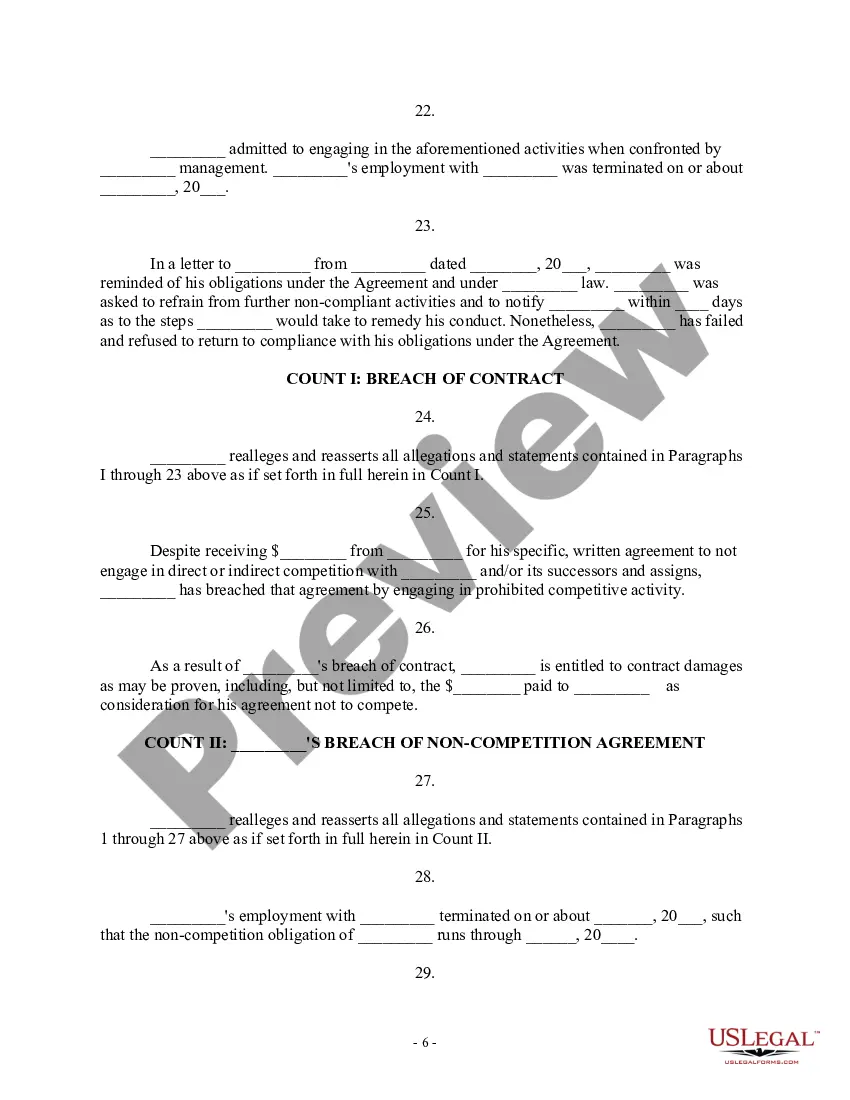
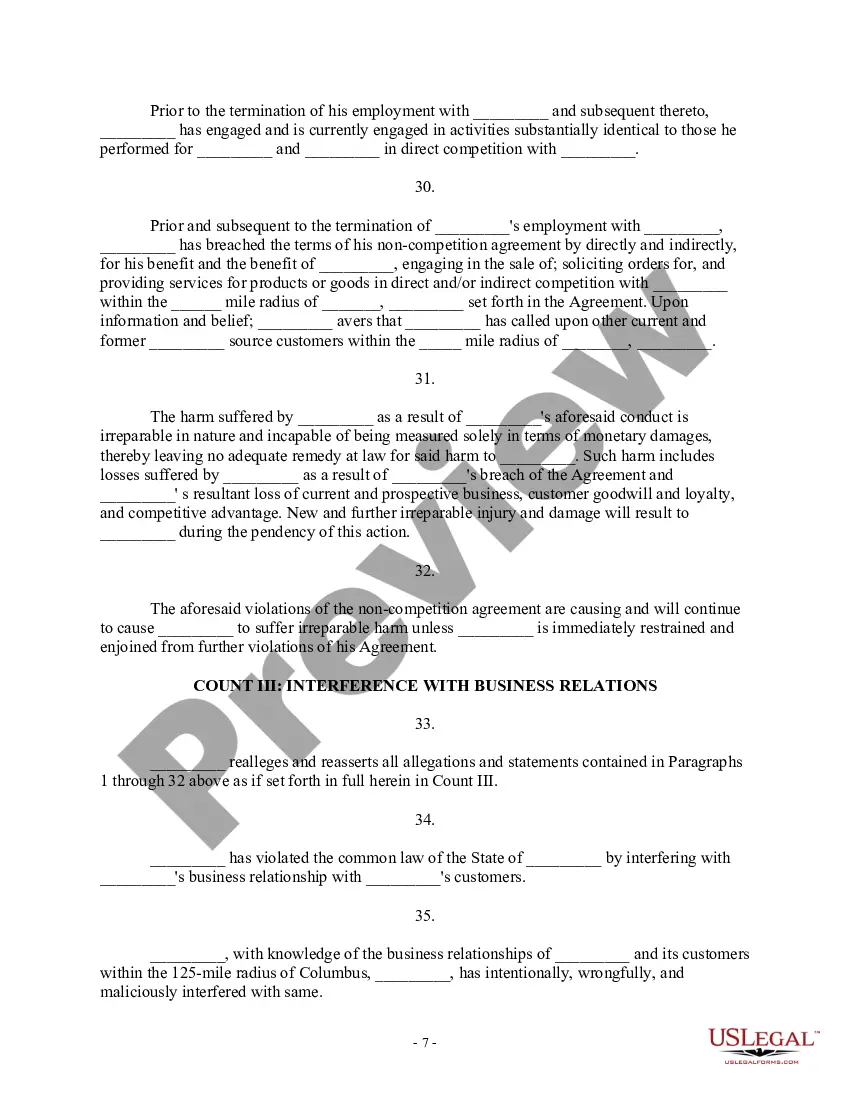
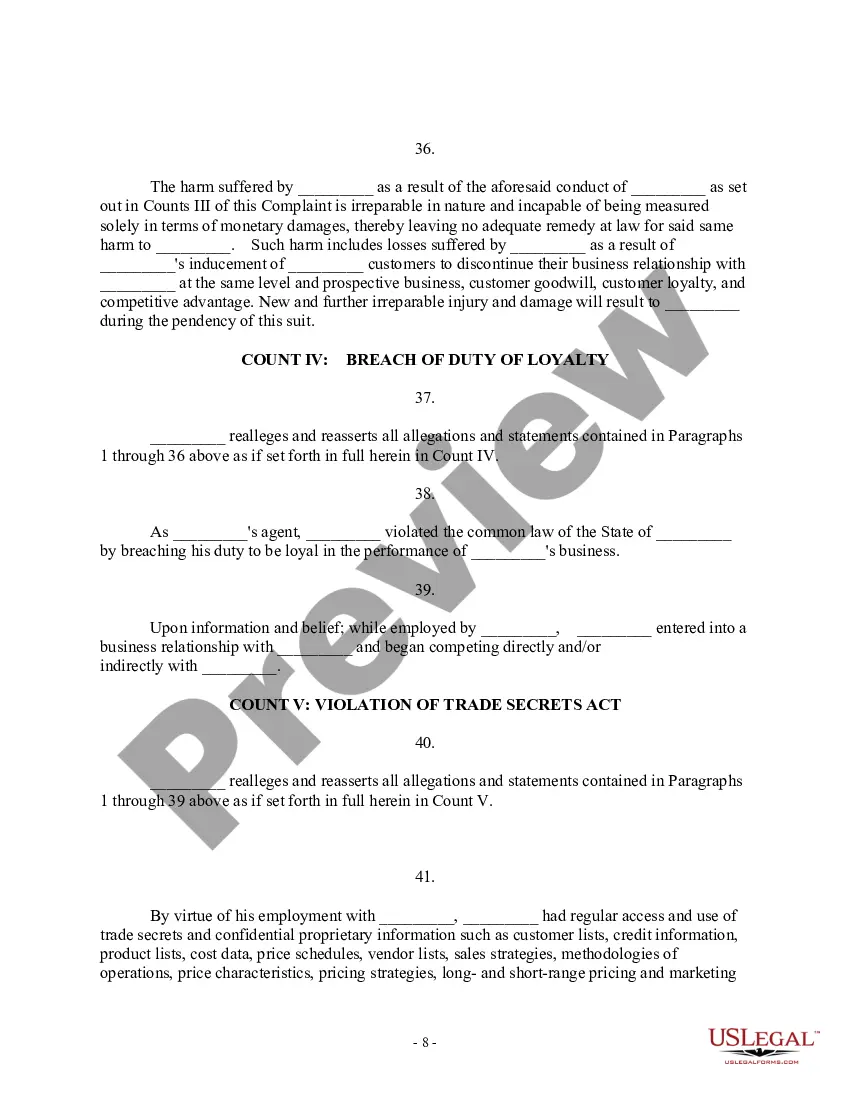
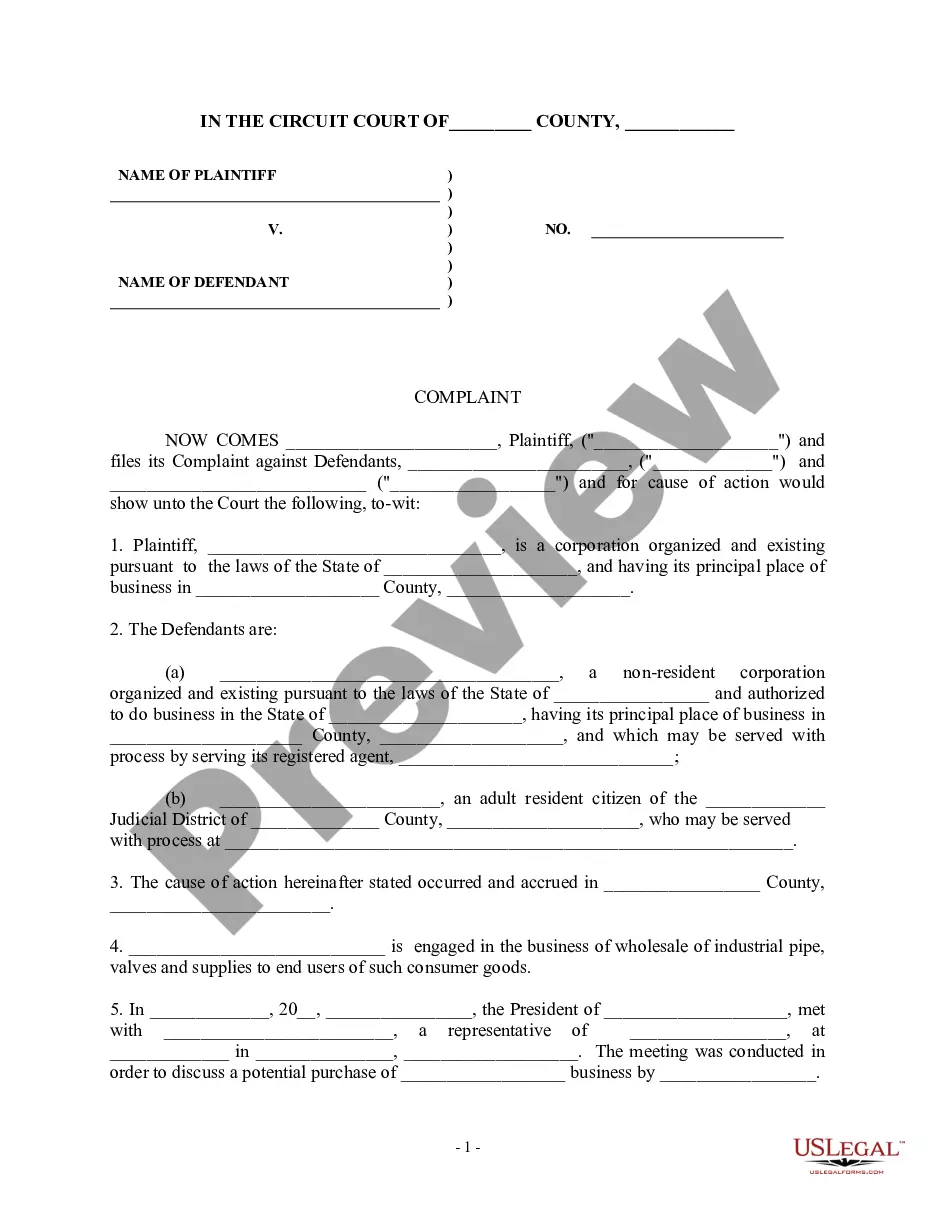
Description

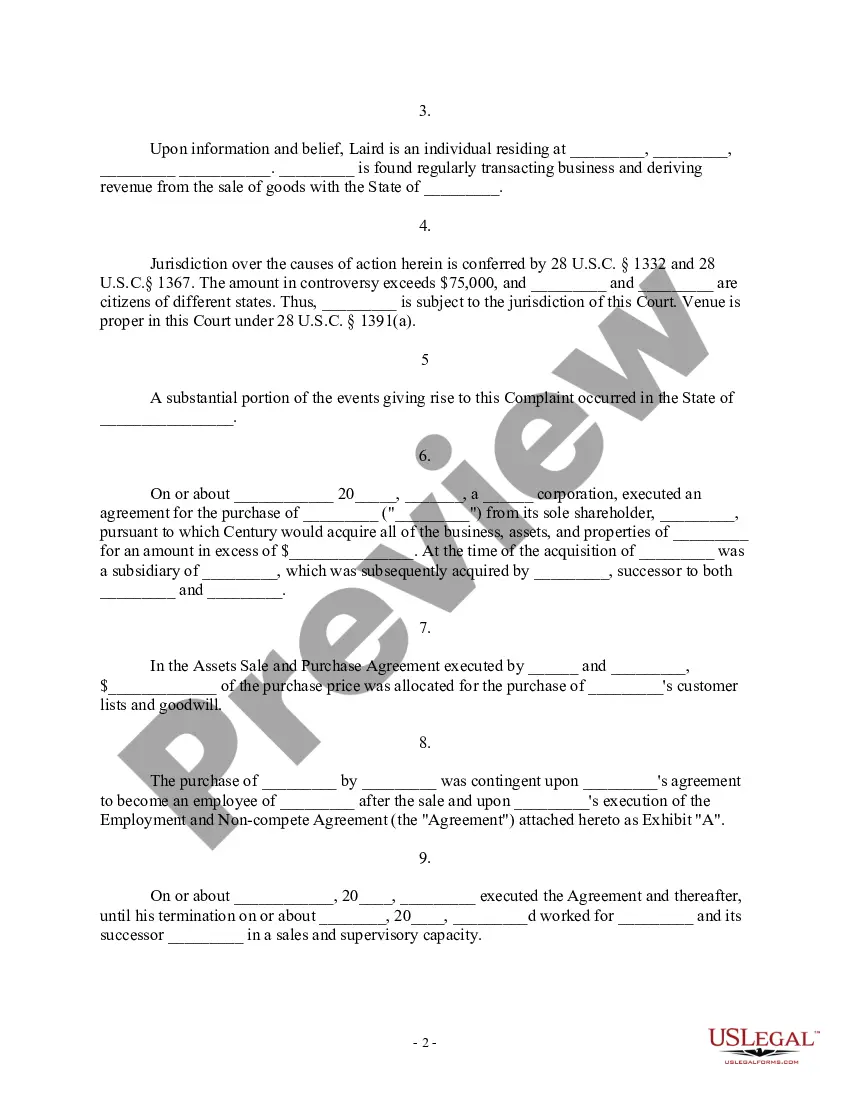
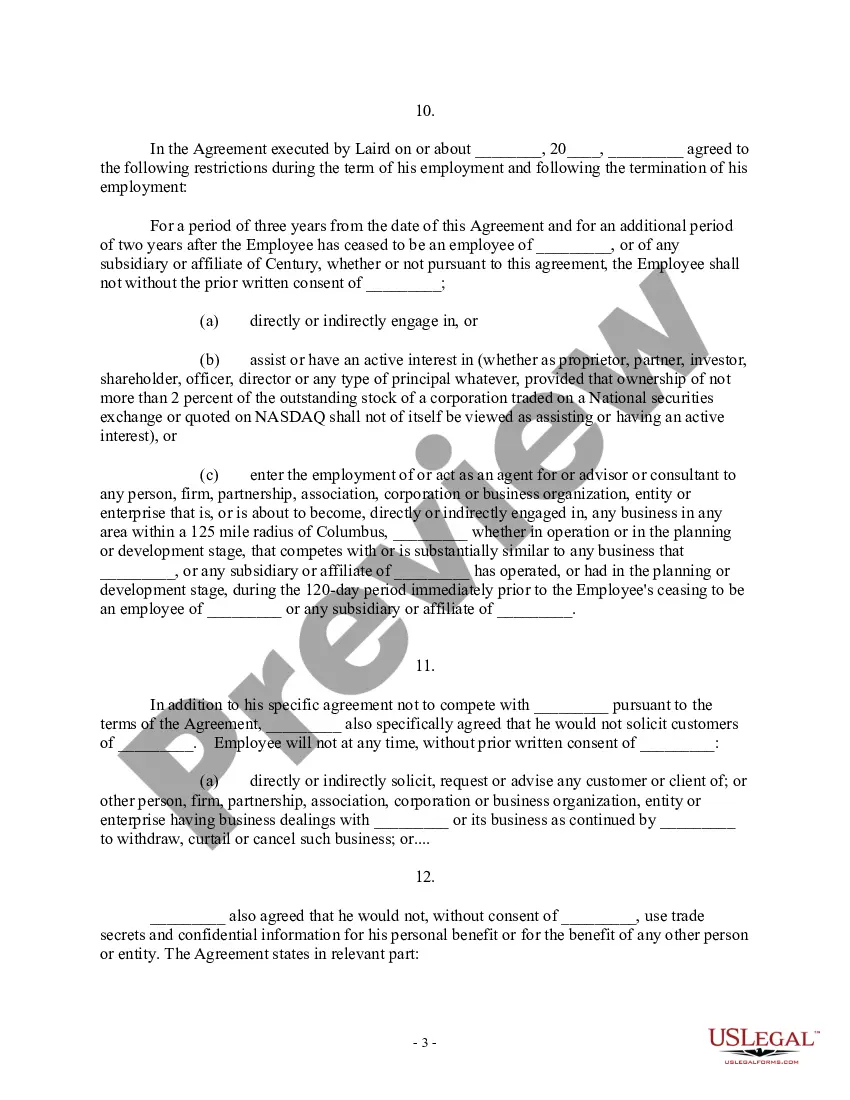
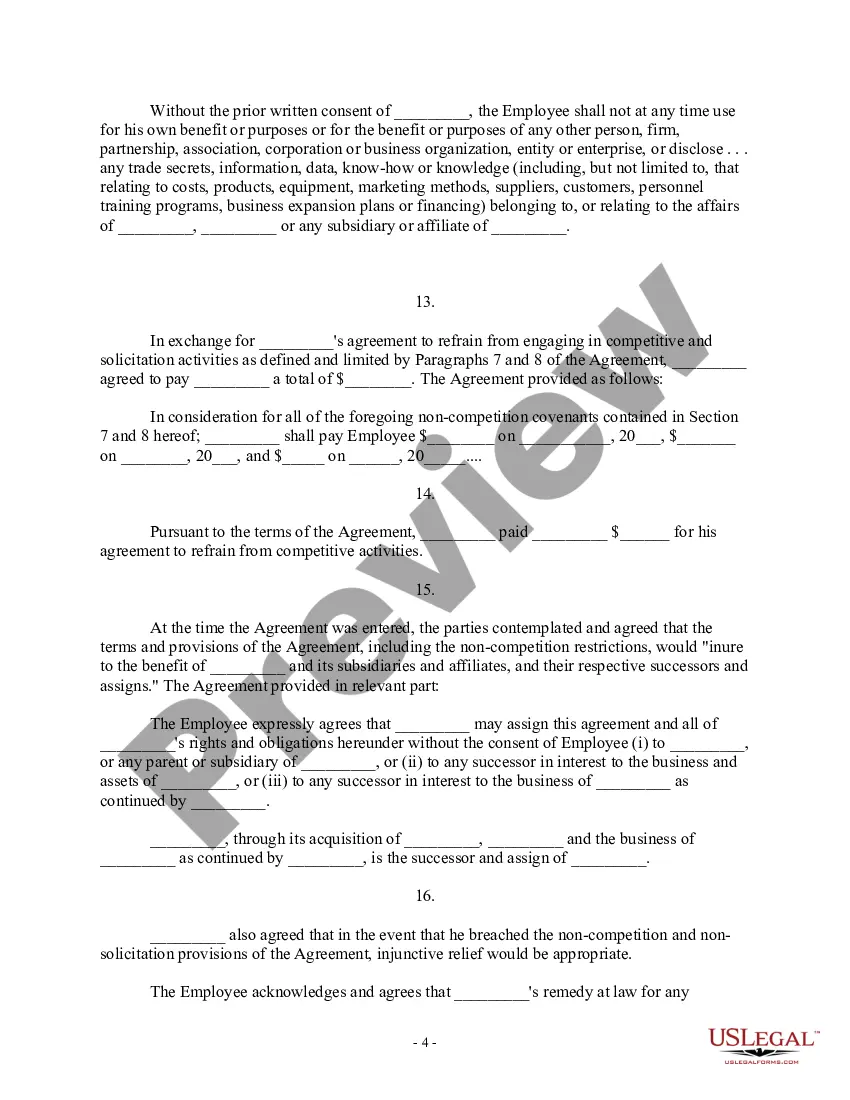
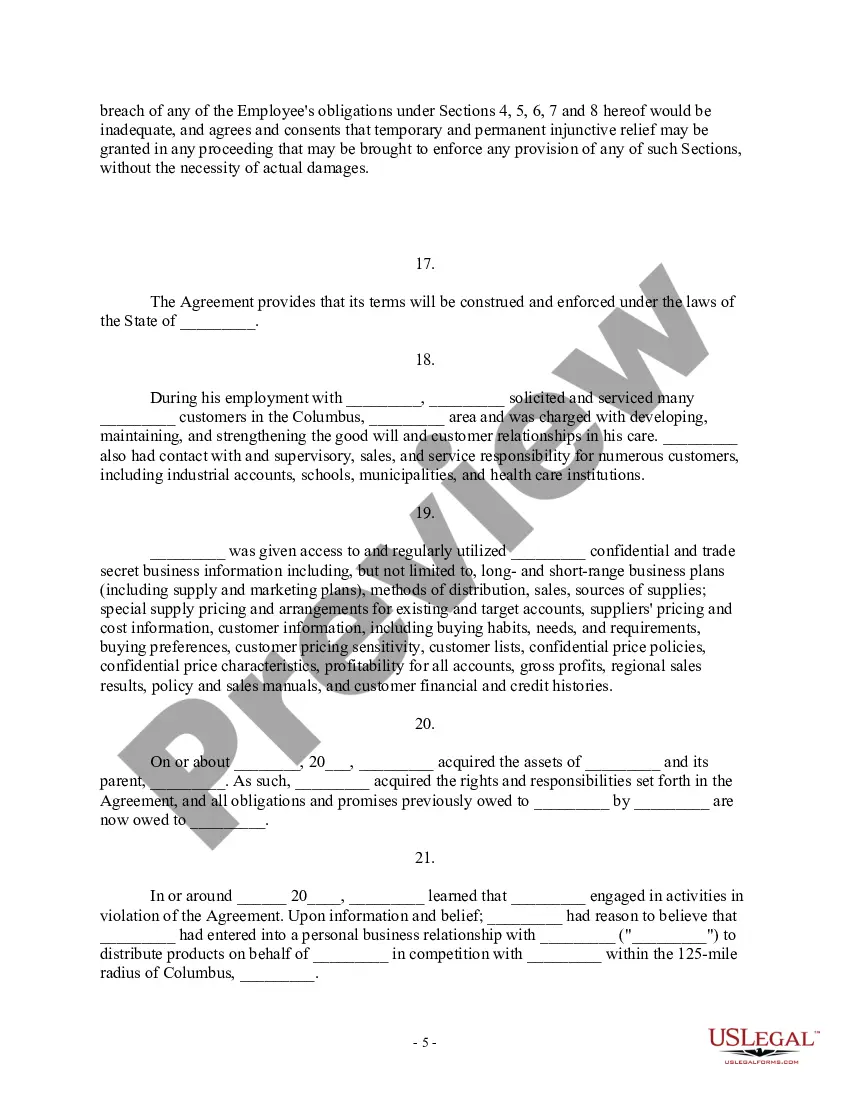




Get your form ready online
Our built-in tools help you complete, sign, share, and store your documents in one place.
Make edits, fill in missing information, and update formatting in US Legal Forms—just like you would in MS Word.
Download a copy, print it, send it by email, or mail it via USPS—whatever works best for your next step.
Sign and collect signatures with our SignNow integration. Send to multiple recipients, set reminders, and more. Go Premium to unlock E-Sign.
If this form requires notarization, complete it online through a secure video call—no need to meet a notary in person or wait for an appointment.
We protect your documents and personal data by following strict security and privacy standards.

Make edits, fill in missing information, and update formatting in US Legal Forms—just like you would in MS Word.

Download a copy, print it, send it by email, or mail it via USPS—whatever works best for your next step.

Sign and collect signatures with our SignNow integration. Send to multiple recipients, set reminders, and more. Go Premium to unlock E-Sign.

If this form requires notarization, complete it online through a secure video call—no need to meet a notary in person or wait for an appointment.

We protect your documents and personal data by following strict security and privacy standards.
Looking for another form?








Form popularity
FAQ
Injunctions can be granted in a variety of situations, such as in cases of intellectual property infringement, breach of contract, or defamation. An injunction is a powerful legal tool that acts as a court order requiring a party to do or cease doing specific actions.
In cases involving small businesses or individuals, punitive damages cannot exceed 10% of their net worth, with a maximum of $350,000.
An injunction is a court order requiring a person to do or cease doing a specific action. There are three types of injunctions: Permanent injunctions , Temporary restraining orders and preliminary injunctions . Temporary restraining orders (TRO) and preliminary injunctions are equitable in nature.
In determining whether to grant a preliminary injunction, Ohio's courts consider four factors: “(1) The likelihood or probability of a plaintiff's success on the merits, (2) whether the issuance of the injunction will prevent irreparable harm to the plaintiff, (3) what injury to others will be caused by the granting of ...
Injunctive relief is a court-ordered remedy that compels or prevents specific actions when monetary damages are inadequate and irreparable harm is likely. It includes temporary and permanent injunctions, which aim to maintain the status quo or provide long-term protection after a legal decision.
In determining whether to grant a preliminary injunction, Ohio's courts consider four factors: “(1) The likelihood or probability of a plaintiff's success on the merits, (2) whether the issuance of the injunction will prevent irreparable harm to the plaintiff, (3) what injury to others will be caused by the granting of ...
Prohibitory Injunctions: These are the most common type and essentially tell the respondent what they cannot do. This could include anything from contacting a specific person (the petitioner) to coming near their home, workplace, or even a certain distance from their children's school.
The plaintiff has the burden of proving that the defendant has breached the contract and that injunctive relief is necessary to prevent further harm. The plaintiff must also prove that the harm caused by the breach cannot be adequately compensated through monetary damages alone.
Examples: “I am asking the court to grant me a _____ month/year injunction.” “I want no contact in person, at home, by phone, at work, by mail or through third parties.” “I would consider any contact in the future to be a violation.” Tell the court why you would like the temporary restraining order injunction.
In the case of a hearing, the applicant will present their arguments to a judge. If the judge is persuaded to make an order, they will grant an interim injunction and list a 'return hearing'. At the return hearing, the court will listen to the arguments of both parties and decide whether to make a 'final injunction'.
