Injunctive Relief Agreement With Attorney In North Carolina
Description

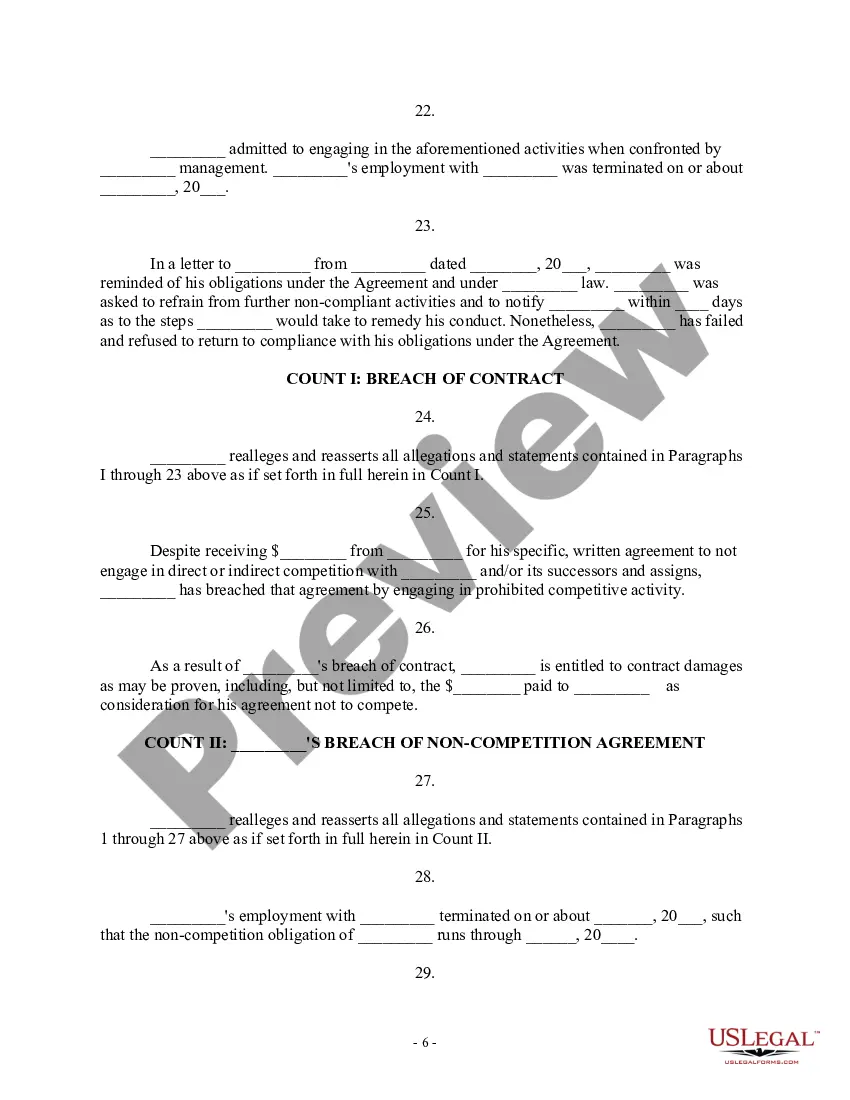
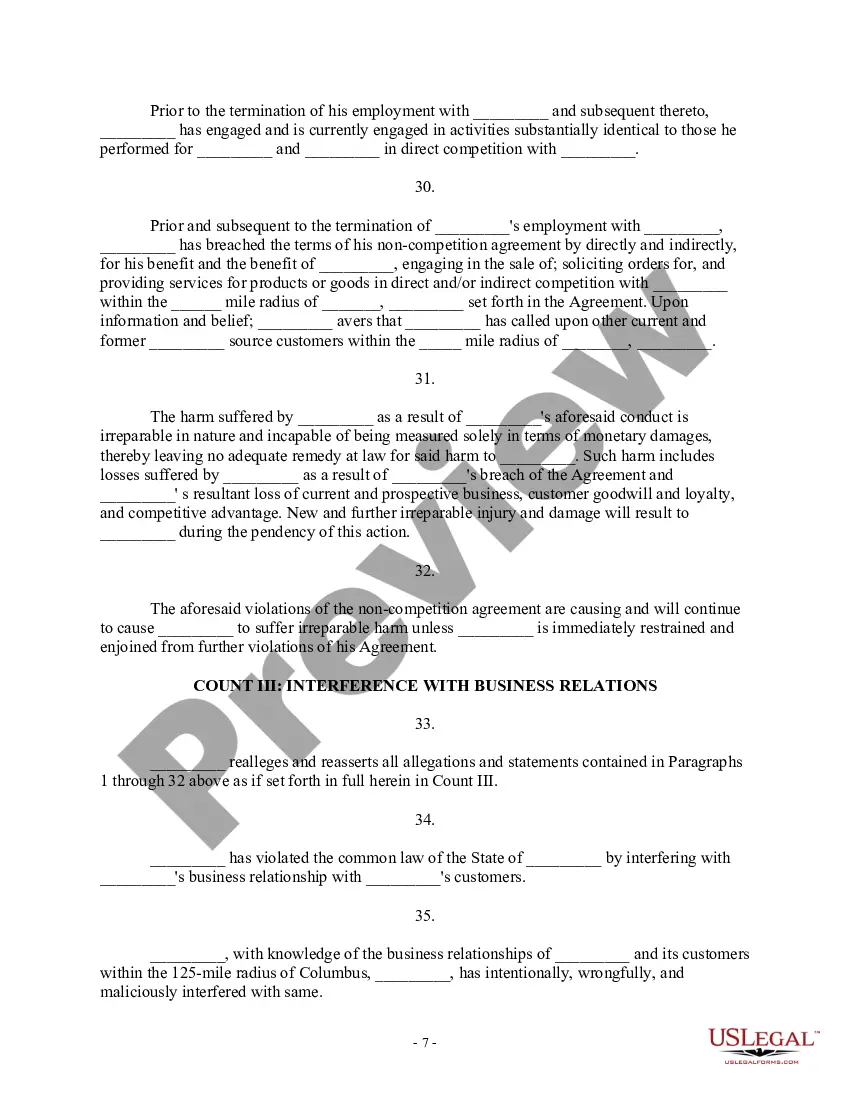
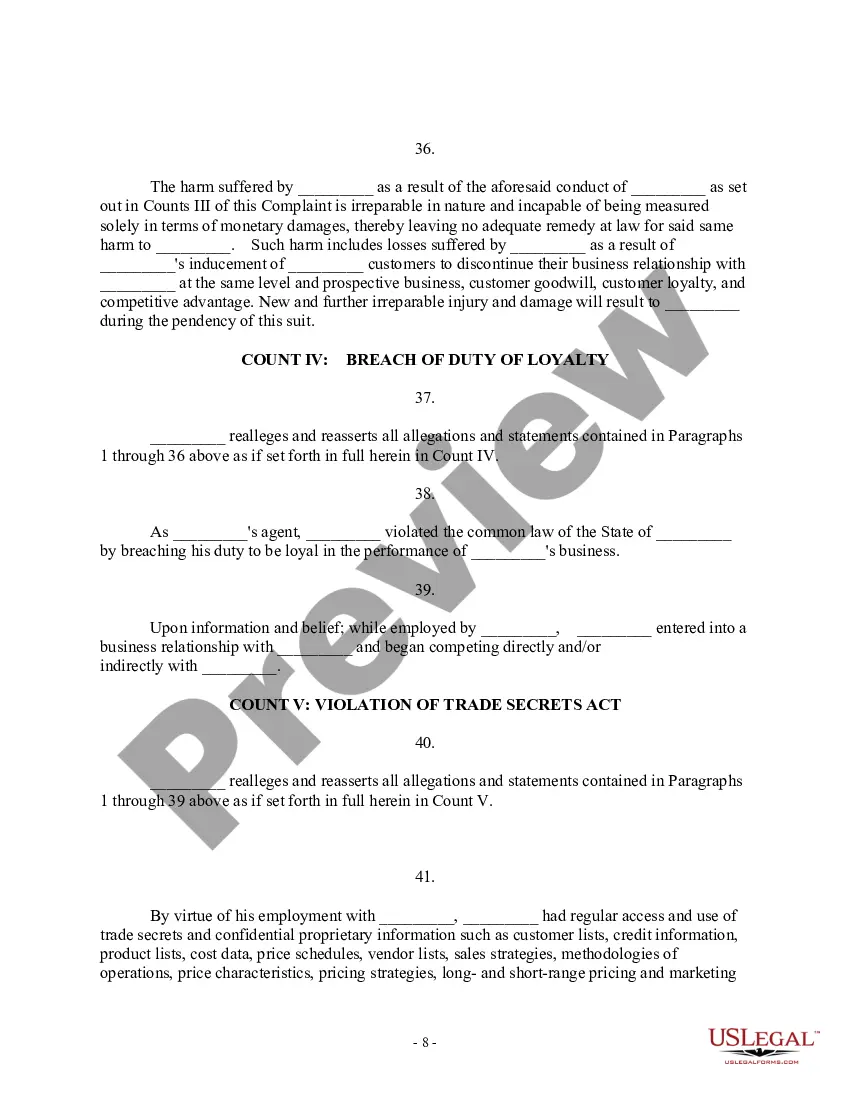
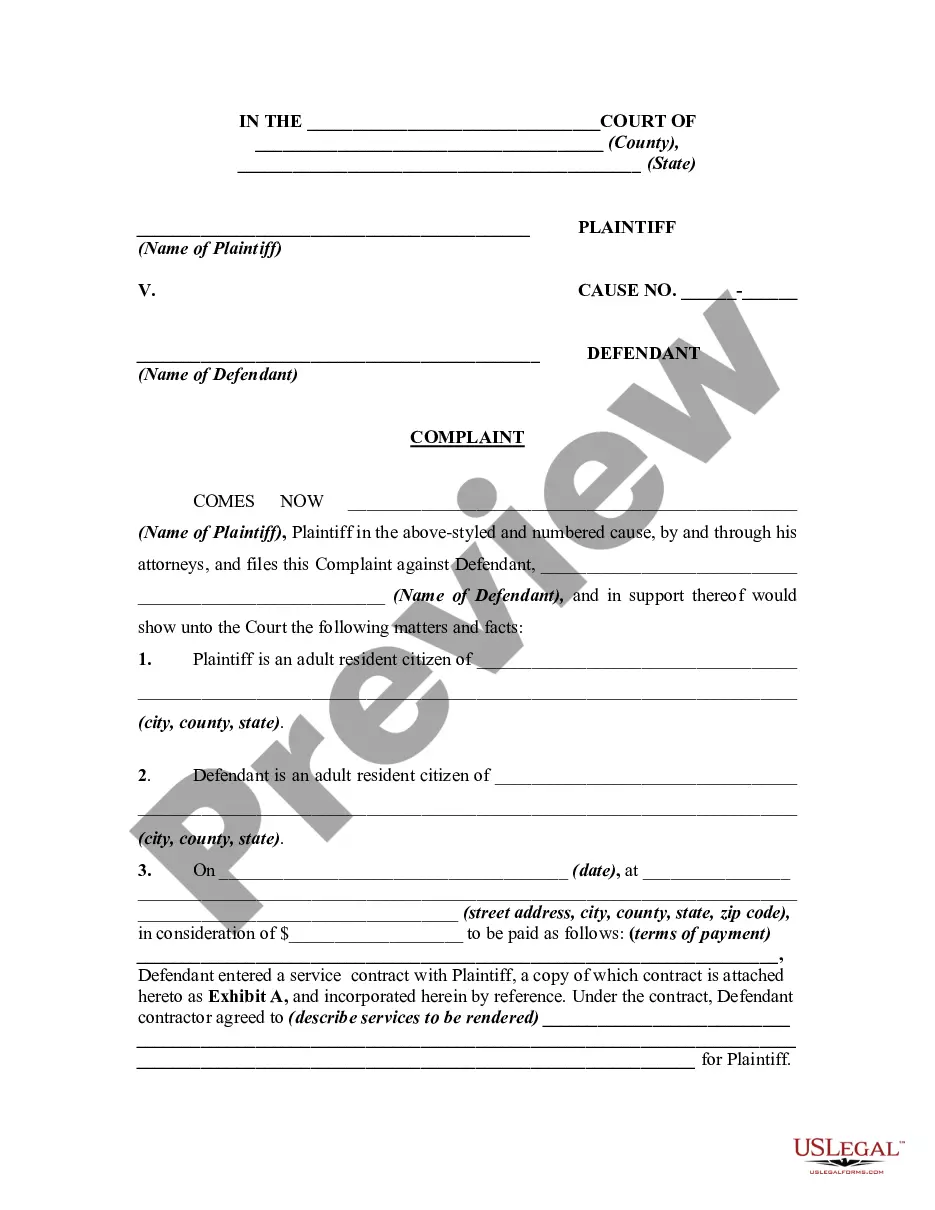

Get your form ready online
Our built-in tools help you complete, sign, share, and store your documents in one place.
Make edits, fill in missing information, and update formatting in US Legal Forms—just like you would in MS Word.
Download a copy, print it, send it by email, or mail it via USPS—whatever works best for your next step.
Sign and collect signatures with our SignNow integration. Send to multiple recipients, set reminders, and more. Go Premium to unlock E-Sign.
If this form requires notarization, complete it online through a secure video call—no need to meet a notary in person or wait for an appointment.
We protect your documents and personal data by following strict security and privacy standards.

Make edits, fill in missing information, and update formatting in US Legal Forms—just like you would in MS Word.

Download a copy, print it, send it by email, or mail it via USPS—whatever works best for your next step.

Sign and collect signatures with our SignNow integration. Send to multiple recipients, set reminders, and more. Go Premium to unlock E-Sign.

If this form requires notarization, complete it online through a secure video call—no need to meet a notary in person or wait for an appointment.

We protect your documents and personal data by following strict security and privacy standards.
Looking for another form?

Form popularity
FAQ
Injunctive relief, also known as an injunction , is a court-ordered remedy which restricts a party from committing specific actions or requires a party to complete specific actions.
The party seeking a preliminary injunctive relief must demonstrate: Irreparable injury in the absence of such an order; That the threatened injury to the moving party outweighs the harm to the opposing party resulting from the order ; That the injunction is not adverse to public interest; and.
Rule 65. – No preliminary injunction shall be issued without notice to the adverse party. (b) Temporary restraining order; notice; hearing; duration.
Unlike monetary damages, which compensate for past harm, injunctive relief is focused on preventing future harm, particularly when monetary remedies would be insufficient. Injunctions are an equitable remedy, meaning they seek fairness rather than strictly following legal entitlements.
When a power of attorney is used to transfer land or to do business on behalf of a person who has become incapacitated, it must be recorded. As a general rule, however, a power of attorney does not need to be recorded in North Carolina in order to be effective.
The 65 percent law in North Carolina dictates that eligible inmates must serve at least 65 percent of their minimum sentence before they can be considered for parole. This is not a guarantee of release; rather, it's a crucial threshold that initiates the parole process.
An injunction is a court order requiring a person to do or cease doing a specific action. There are three types of injunctions: Permanent injunctions , Temporary restraining orders and preliminary injunctions . Temporary restraining orders (TRO) and preliminary injunctions are equitable in nature.
Rule 65. – No preliminary injunction shall be issued without notice to the adverse party. (b) Temporary restraining order; notice; hearing; duration.
Injunctive relief usually takes one of three forms: temporary restraining order (TRO), preliminary injunction, and permanent injunction. As their modifying terms imply, each has a different level of the time commitment involved.
The party seeking a preliminary injunctive relief must demonstrate: (1) irreparable injury in the absence of such an order; (2) that the threatened injury to the moving party outweighs the harm to the opposing party resulting from the order; (3) that the injunction is not adverse to public interest; and (4) that the ...
