Injunctive Relief For Threatened Breach In Nassau
Description

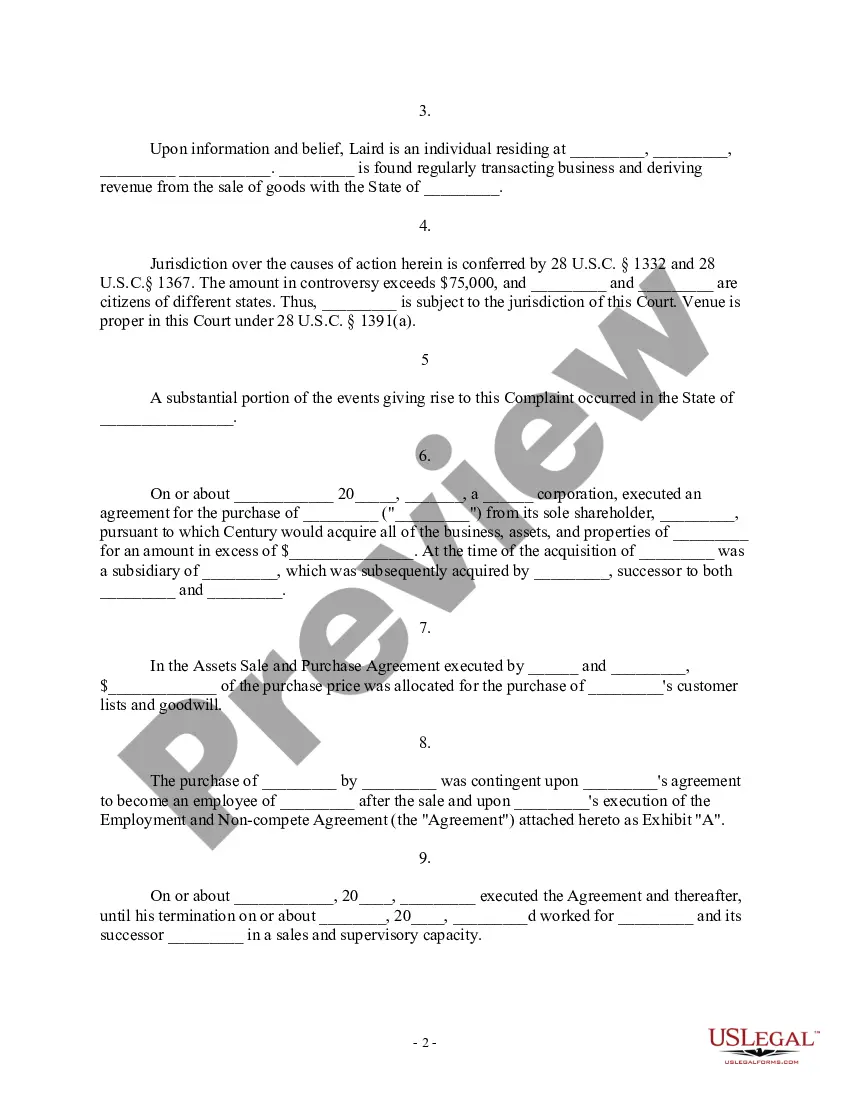
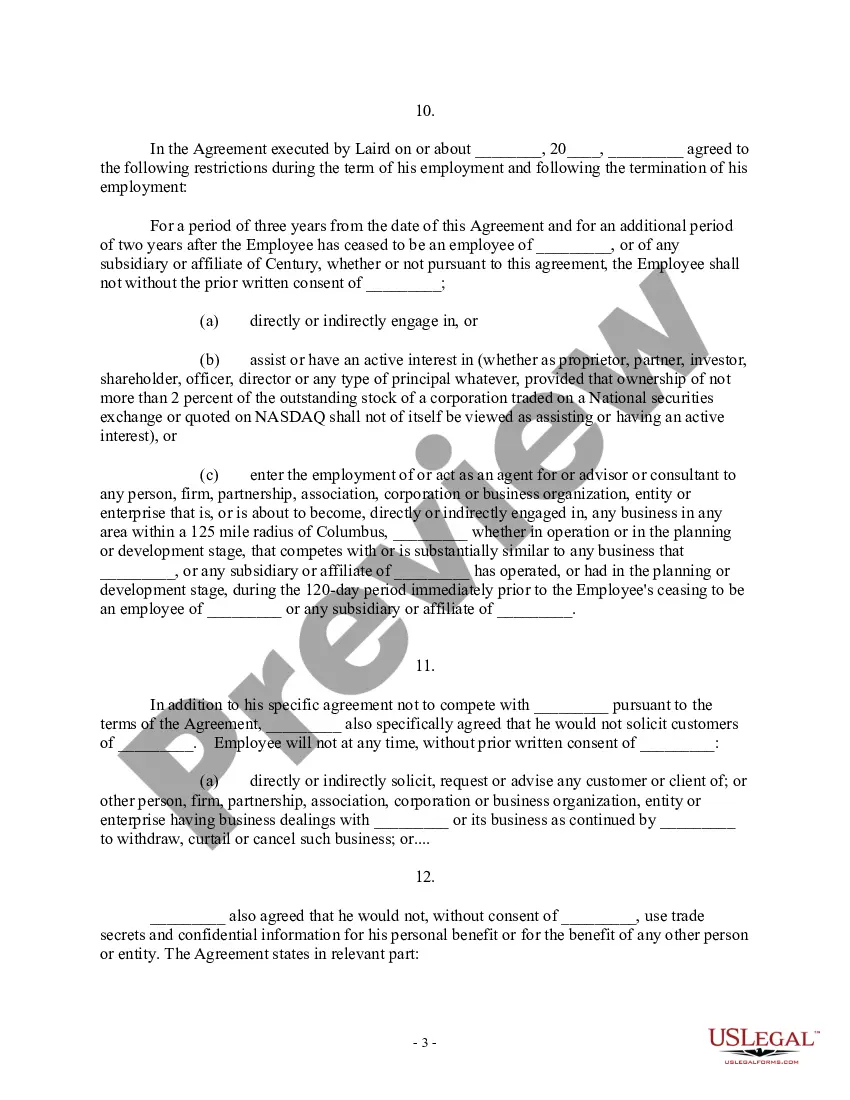
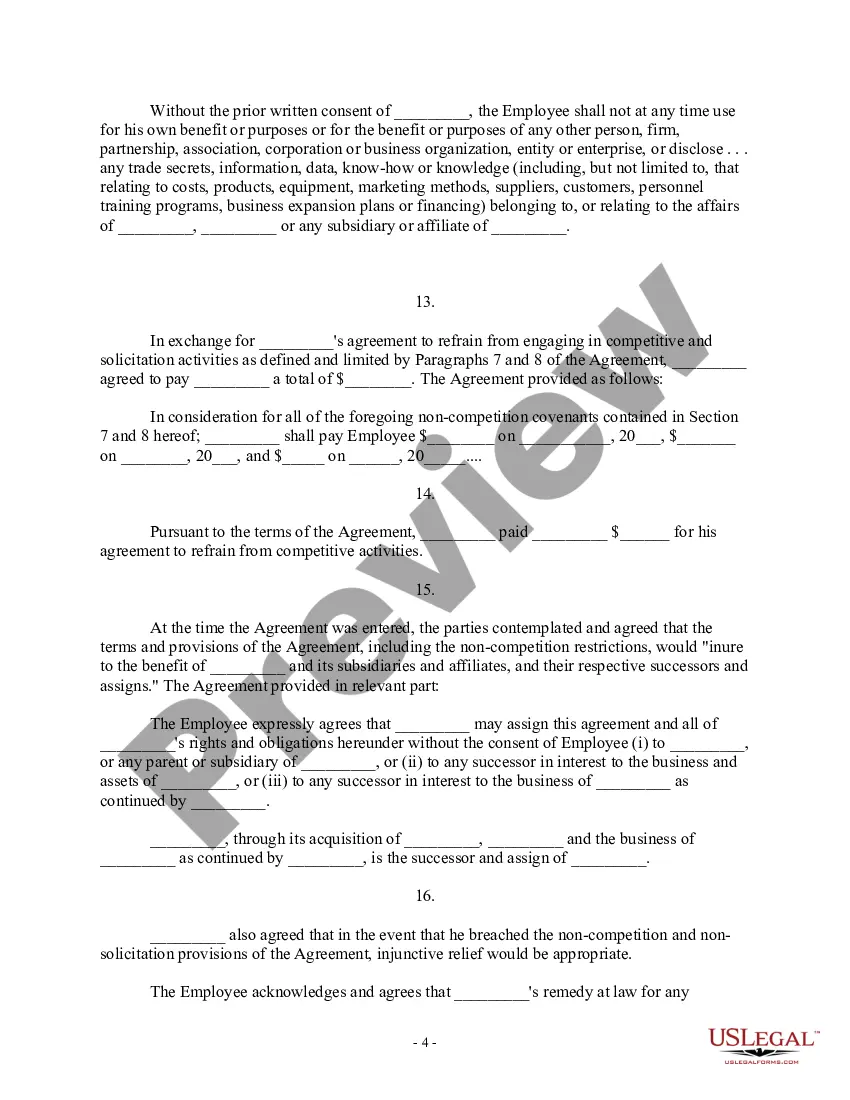
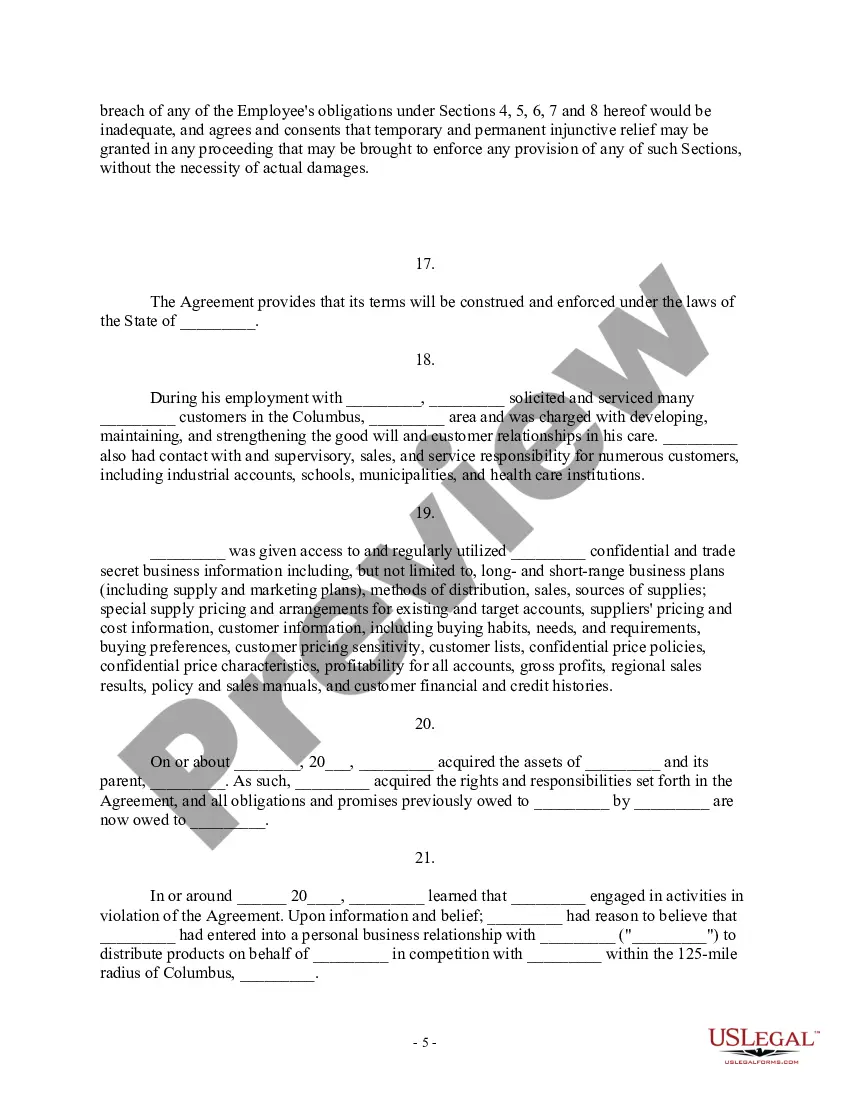
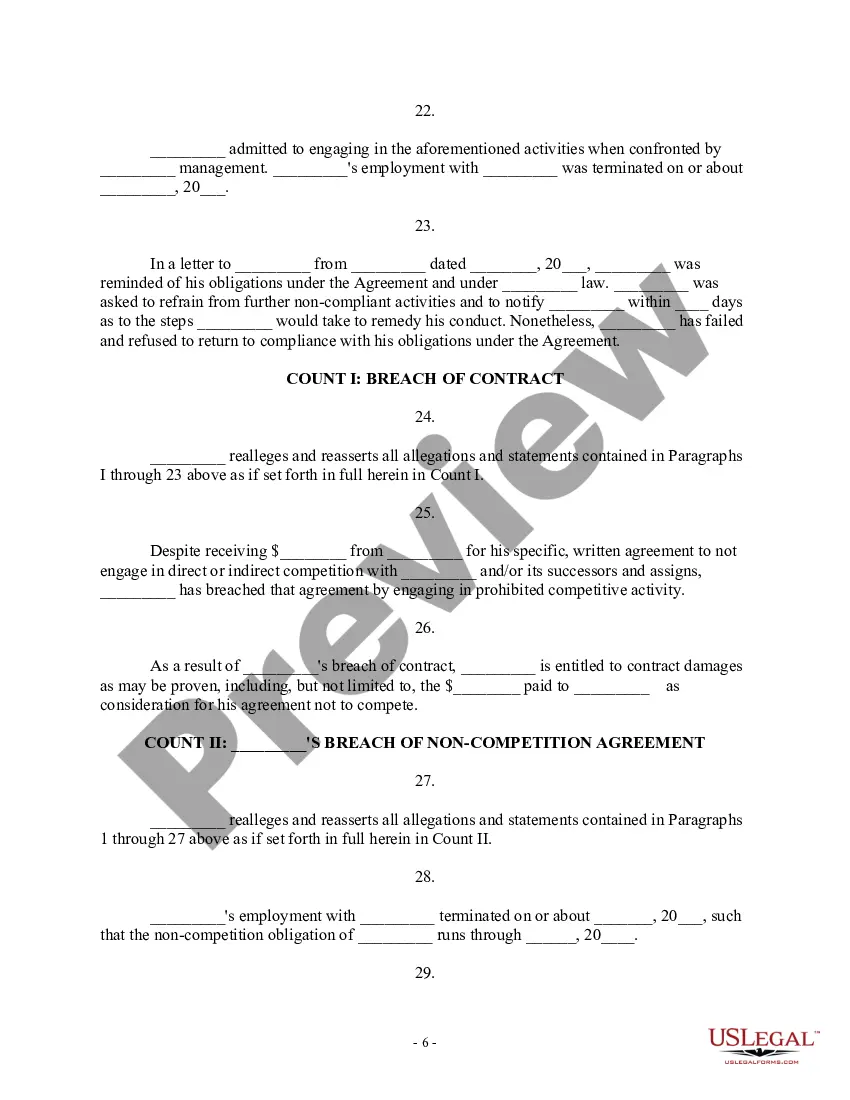
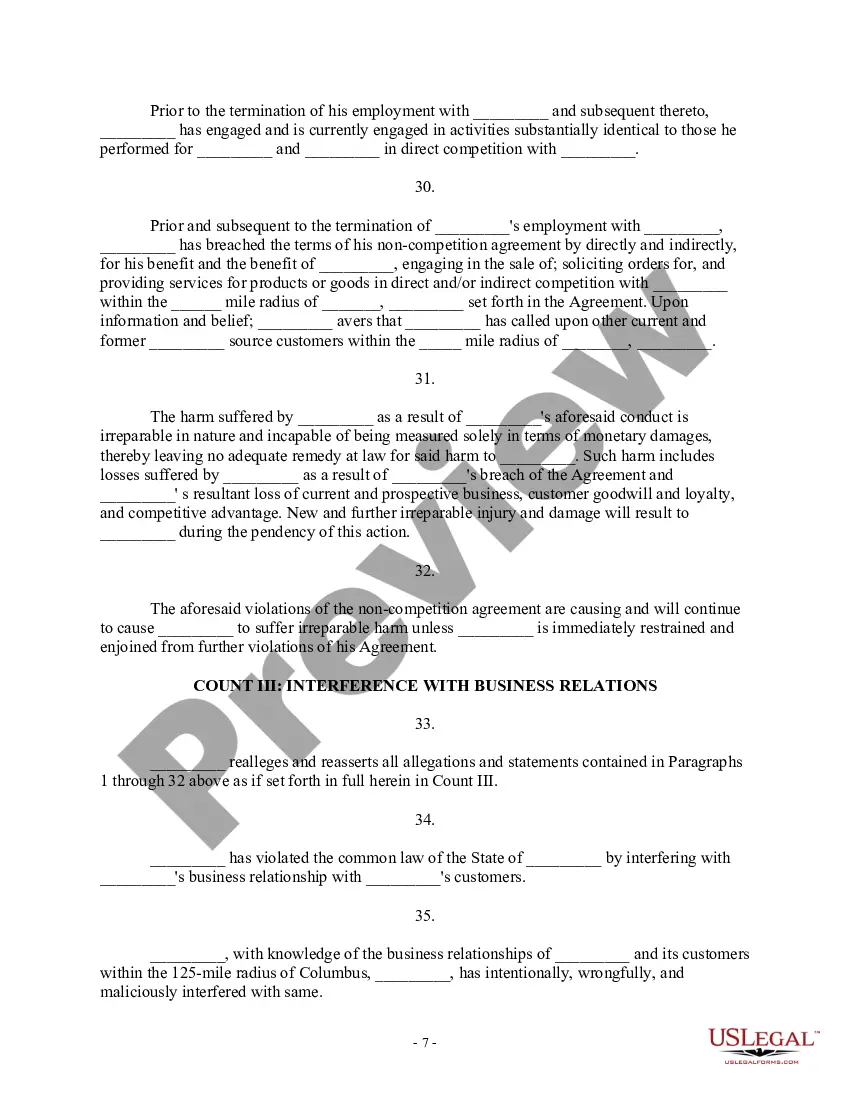
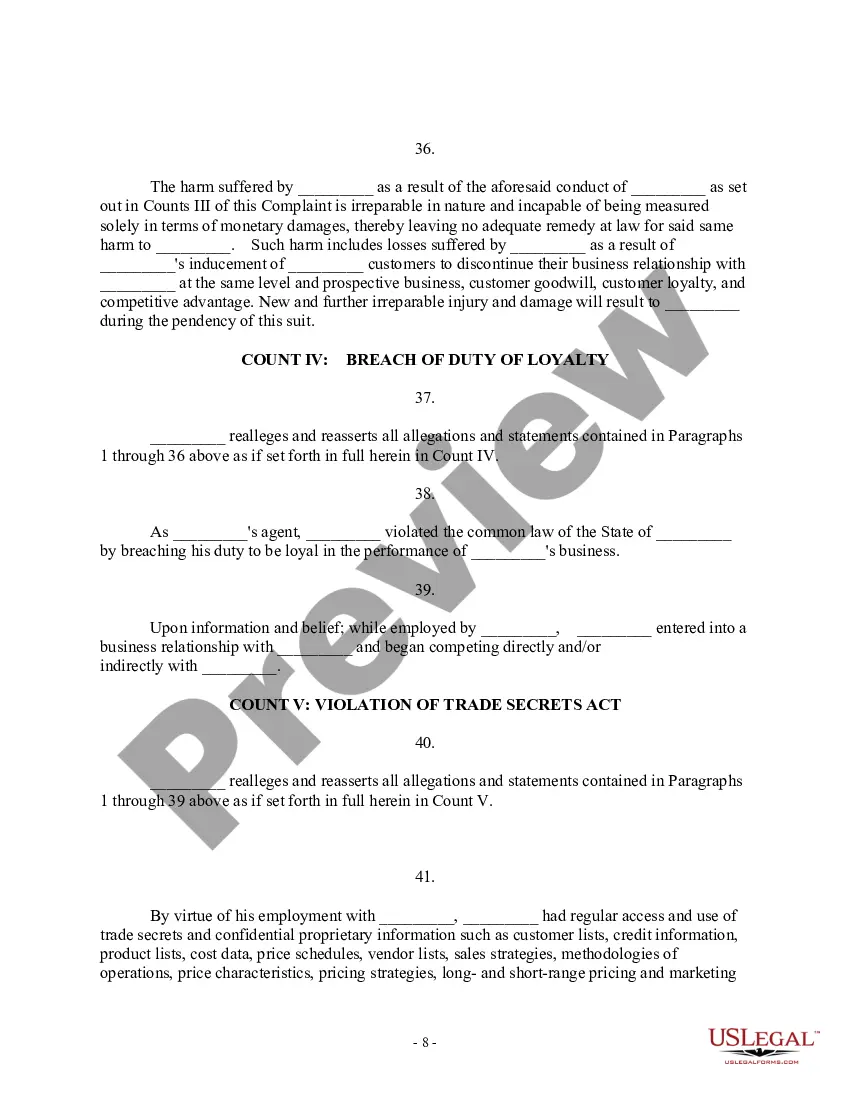
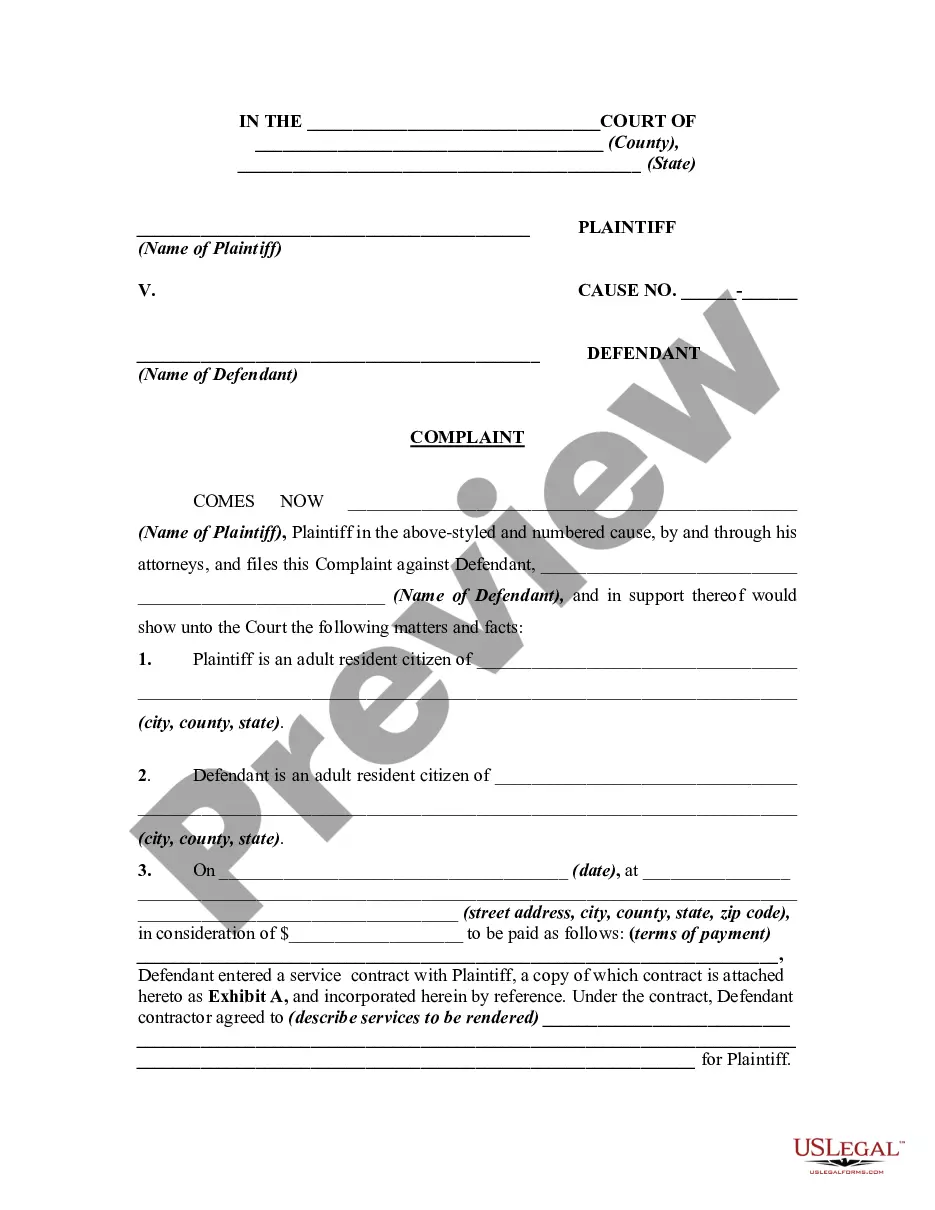

Get your form ready online
Our built-in tools help you complete, sign, share, and store your documents in one place.
Make edits, fill in missing information, and update formatting in US Legal Forms—just like you would in MS Word.
Download a copy, print it, send it by email, or mail it via USPS—whatever works best for your next step.
Sign and collect signatures with our SignNow integration. Send to multiple recipients, set reminders, and more. Go Premium to unlock E-Sign.
If this form requires notarization, complete it online through a secure video call—no need to meet a notary in person or wait for an appointment.
We protect your documents and personal data by following strict security and privacy standards.

Make edits, fill in missing information, and update formatting in US Legal Forms—just like you would in MS Word.

Download a copy, print it, send it by email, or mail it via USPS—whatever works best for your next step.

Sign and collect signatures with our SignNow integration. Send to multiple recipients, set reminders, and more. Go Premium to unlock E-Sign.

If this form requires notarization, complete it online through a secure video call—no need to meet a notary in person or wait for an appointment.

We protect your documents and personal data by following strict security and privacy standards.
Looking for another form?









Form popularity
FAQ
Injunctive relief, also known as an “injunction,” is a legal remedy that may be sought from the courts to require a defendant to stop doing something (or requiring them to do something).
In this comprehensive guide, we'll explore all four main types of breach of contract: minor, material, fundamental, and anticipatory. We'll break down their key characteristics, illustrate them with practical examples, and provide insights into the potential consequences of each.
Further, a breach of contract generally falls under one of two categories: Actual breach: When one party refuses to fully perform the terms of the contract. Anticipatory breach: When a party states in advance that they will not be delivering on the terms of the contract.
THREATENED BREACH means any indication, verbal or otherwise, of such Shareholder's intention to breach, or of such Shareholder's impending breach of, any of the provisions of this Section 13.
6 Common Remedies for Breach of Contract in Business Compensatory Damages in Contract Law. Specific Performance as a Contract Remedy. Legal Injunctions in Contract Disputes. Rescission for Material Breach of Contract. Liquidated Damages in Contract Cases. Awarding Nominal Damages in Contract Violations.
Injunctive relief is a legal remedy that can be awarded by a court to prevent a party from taking certain actions or to require them to take certain actions. It is a form of equitable remedy that is used when monetary damages are not sufficient to remedy a breach of contract.
THREATENED BREACH means any indication, verbal or otherwise, of such Shareholder's intention to breach, or of such Shareholder's impending breach of, any of the provisions of this Section 13.
3 Types of Breach of Contract Material Breach. Minor Breach. Repudiation. Mitigating Breach of Contract Risks: Proactive Measures.
In the case of a hearing, the applicant will present their arguments to a judge. If the judge is persuaded to make an order, they will grant an interim injunction and list a 'return hearing'. At the return hearing, the court will listen to the arguments of both parties and decide whether to make a 'final injunction'.
The party seeking a preliminary injunctive relief must demonstrate: (1) irreparable injury in the absence of such an order; (2) that the threatened injury to the moving party outweighs the harm to the opposing party resulting from the order; (3) that the injunction is not adverse to public interest; and (4) that the ...
