Injunctive Relief Agreement With Japan In Montgomery
Description






Form popularity
FAQ
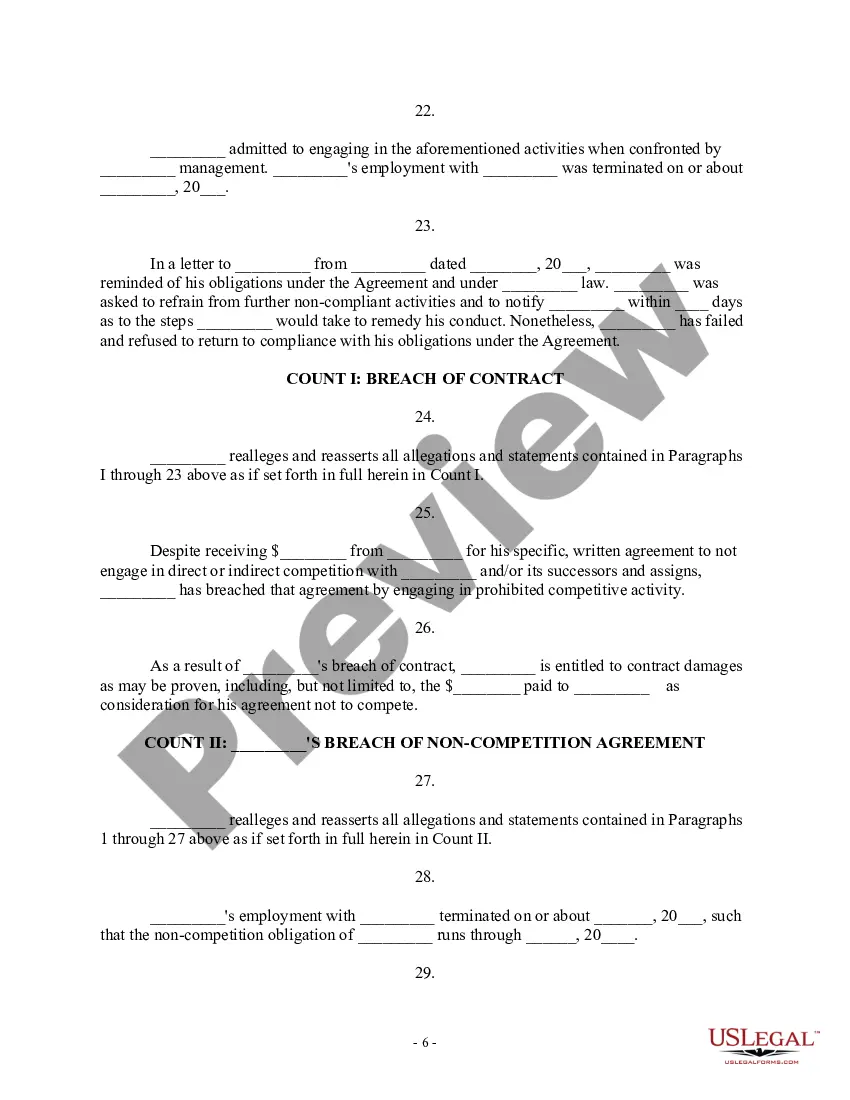
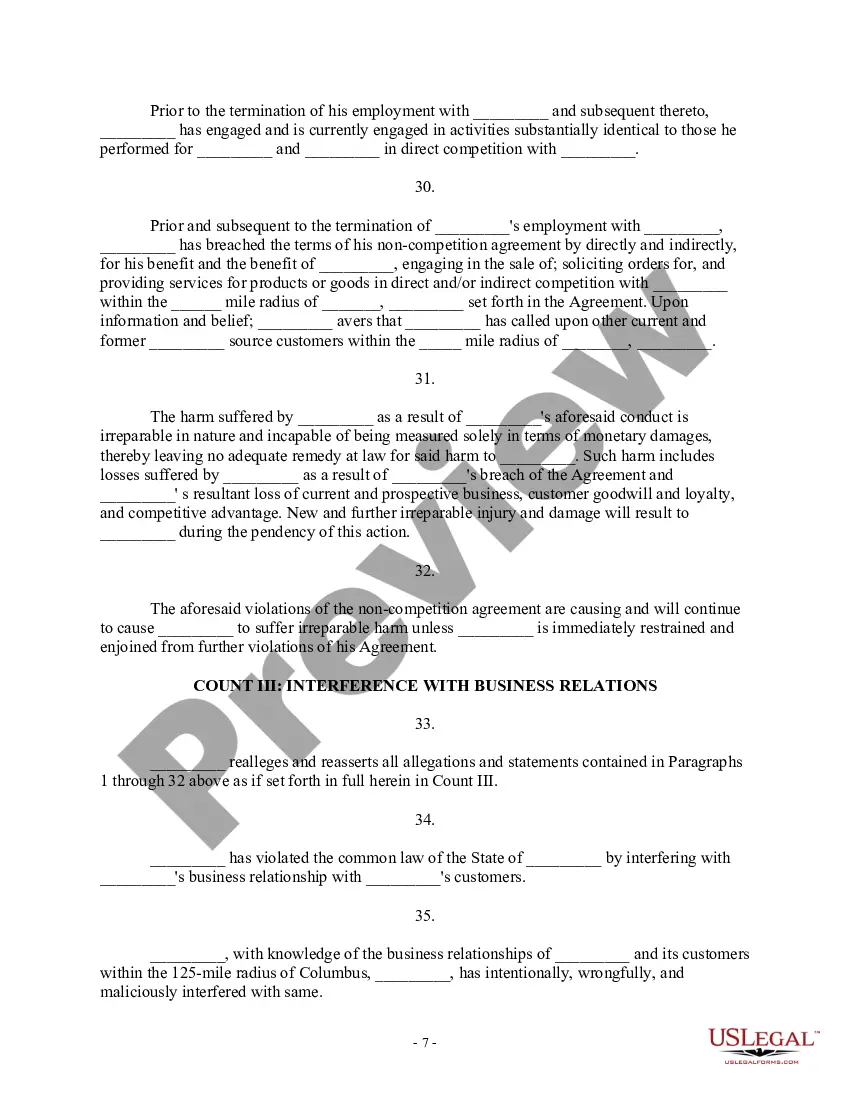
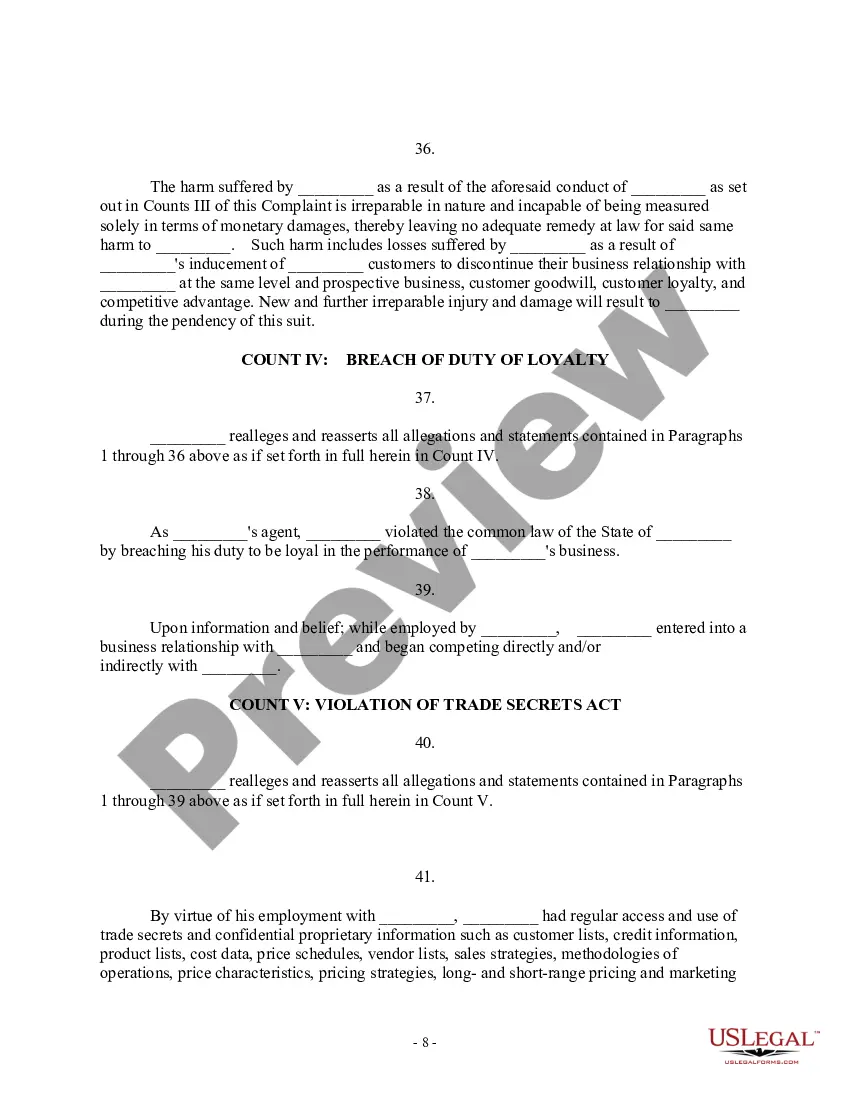
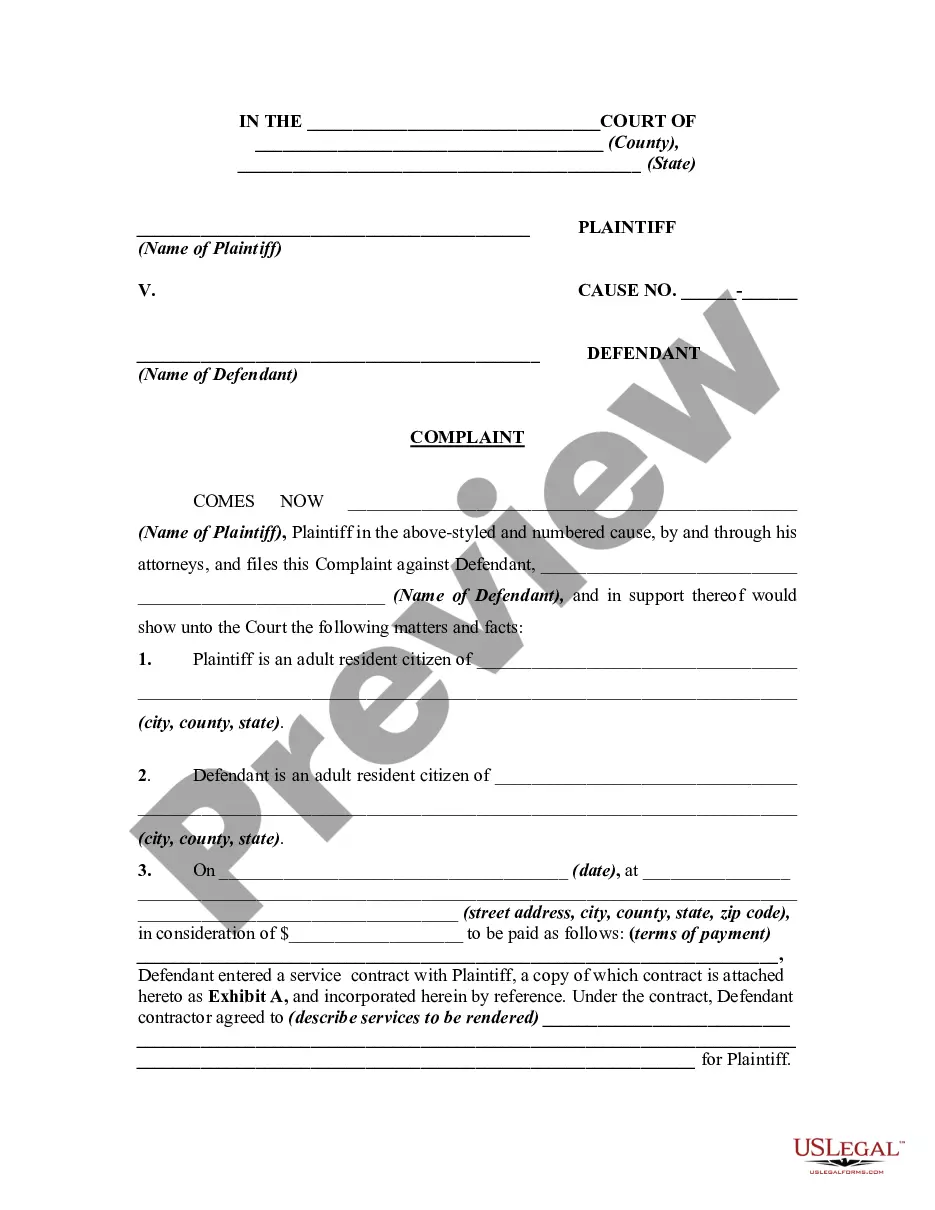
Injunctive relief, also known as an “injunction,” is a legal remedy that may be sought from the courts to require a defendant to stop doing something (or requiring them to do something).
A motion to enforce settlement is a legal recourse often utilized to compel adherence to agreed-upon terms. By filing this motion, parties seek judicial intervention to ensure compliance with the settlement agreement.
To warrant preliminary injunctive relief, the moving party must show (1) a substantial likelihood of success on the merits, (2) that it would suffer irrepa- rable injury if the injunction were not granted, (3) that an injunction would not substantially injure other interested parties, and (4) that the public interest ...
The party seeking a preliminary injunctive relief must demonstrate: (1) irreparable injury in the absence of such an order; (2) that the threatened injury to the moving party outweighs the harm to the opposing party resulting from the order; (3) that the injunction is not adverse to public interest; and (4) that the ...
There are many eq- uitable affirmative defenses to injunctive relief, such as laches, prematurity, and unclean hands. In most cases in which injunctions are denied, it is for the moving party's failure to satisfy its burden of proof.
The party seeking a preliminary injunctive relief must demonstrate: (1) irreparable injury in the absence of such an order; (2) that the threatened injury to the moving party outweighs the harm to the opposing party resulting from the order; (3) that the injunction is not adverse to public interest; and (4) that the ...
At the outset of settlement negotiations, list all individuals and entities—both for the plaintiff and the defendant—that the agreement will cover. ✔ List all legal issues to be settled. List all claims your adversary may legally release via settlement. Verify the agreement covers these claims.
These courts consider: (1) the likelihood of success on the merits; (2) irreparable harm if the injunction is not granted; (3) whether a balancing of the relevant equities favors the injunction; and (4) whether the issuance of the injunction is in the public interest.
In many cases, a contract will include an injunctive relief clause stating that one or both parties are entitled to relief to prevent them from suffering harm due to a breach of contract.
