Injunctive Relief Agreement Without Court In Minnesota
Description

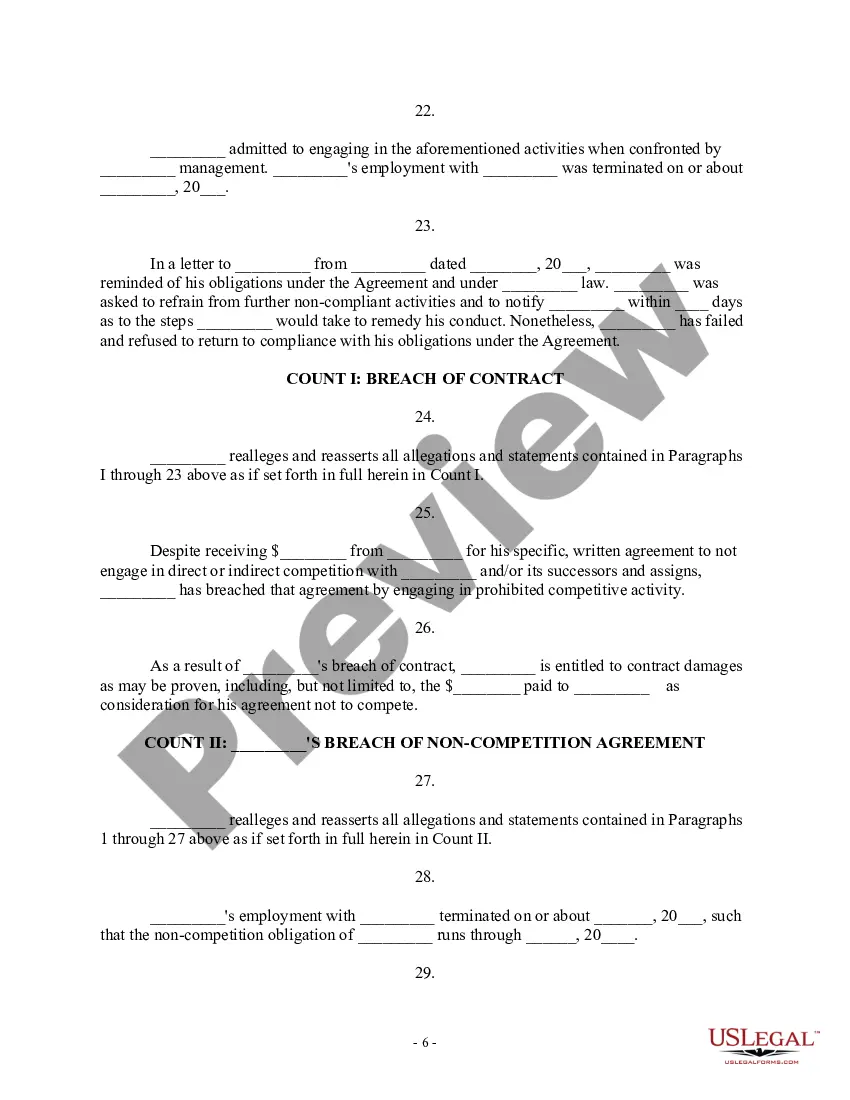
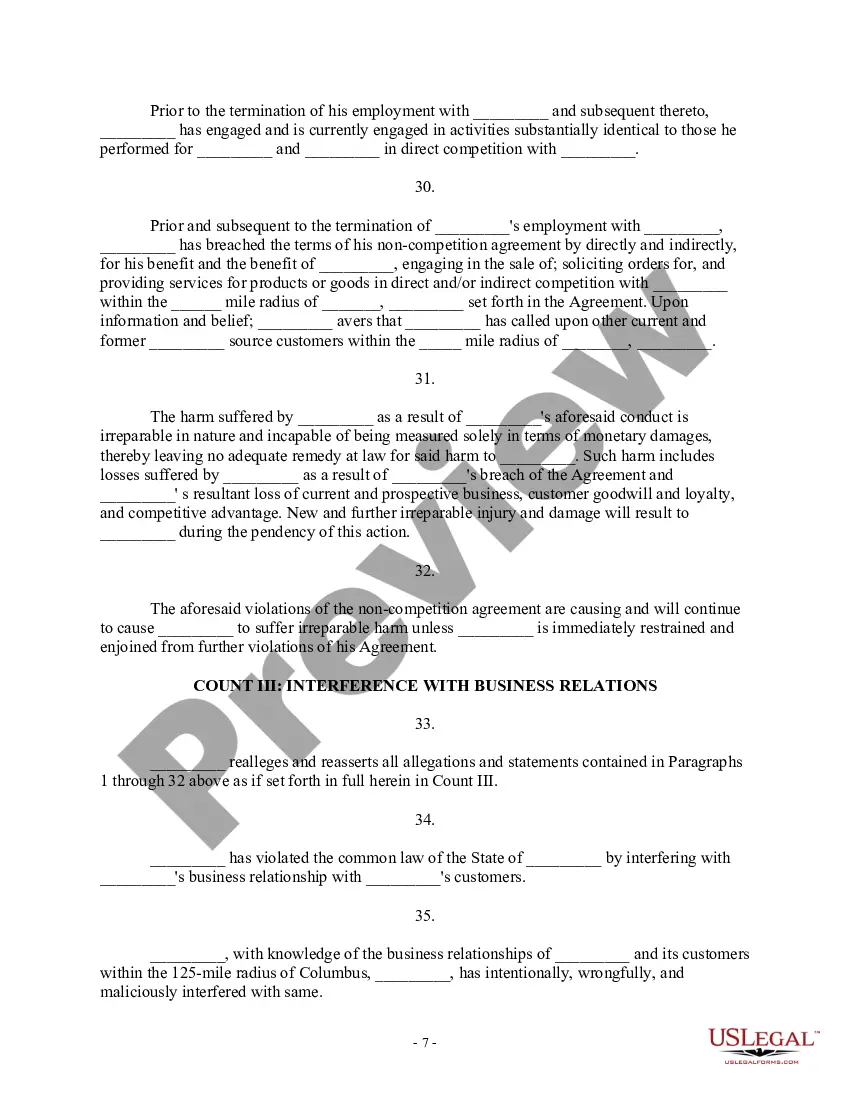
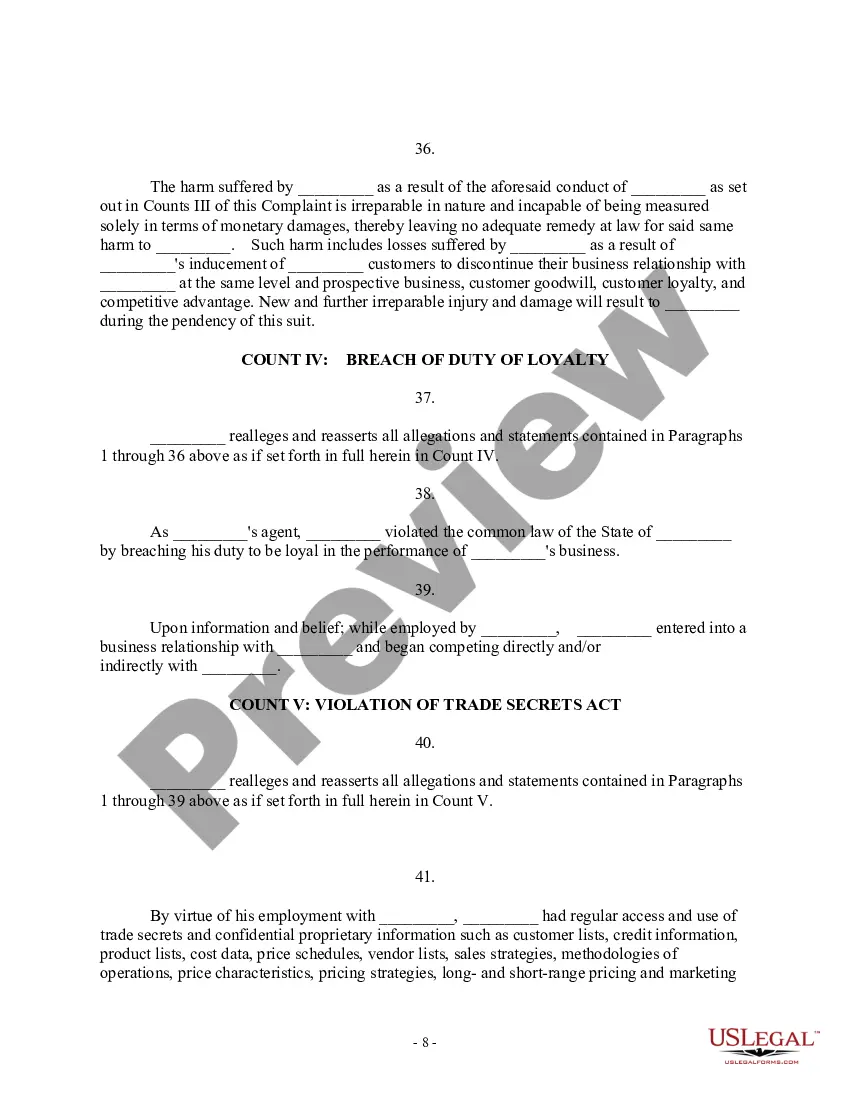
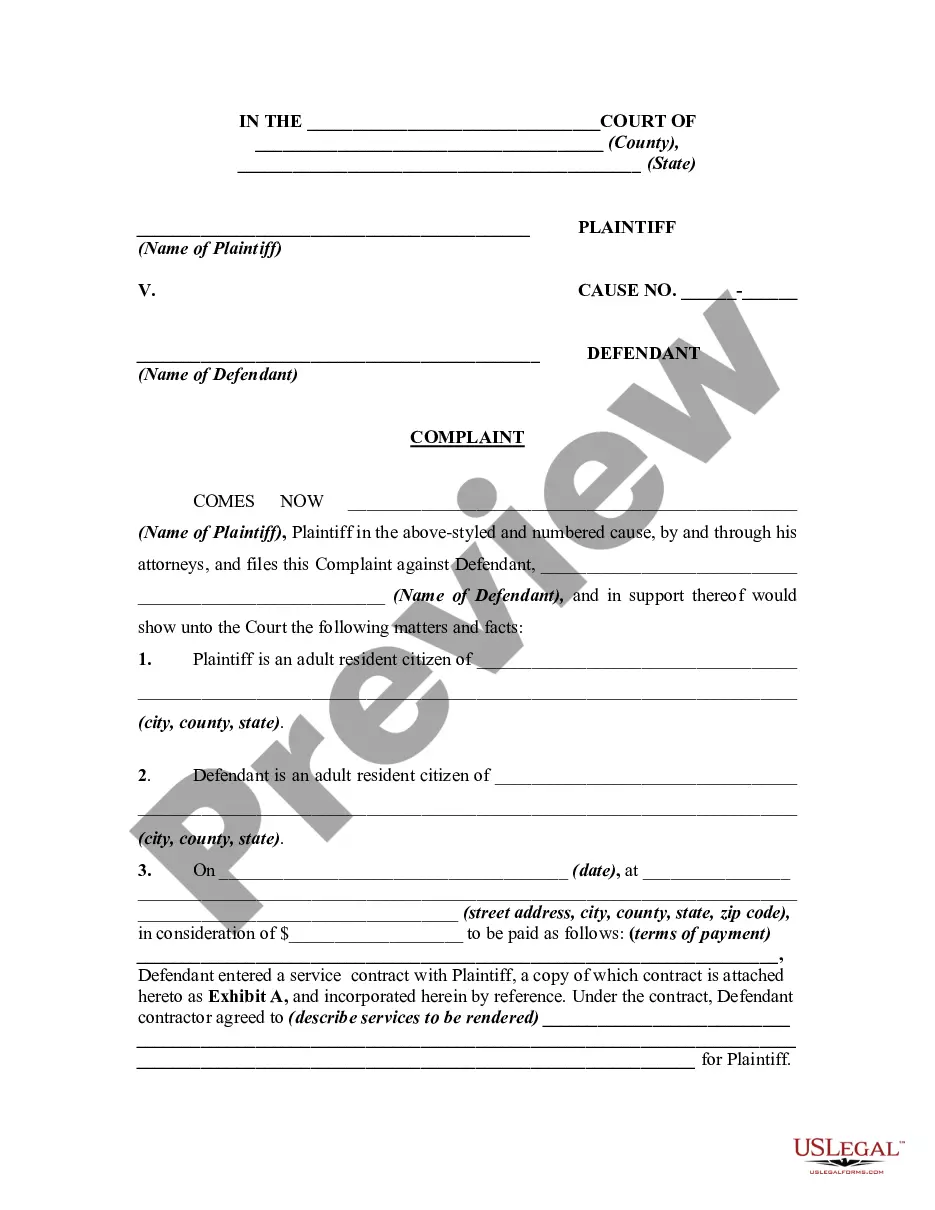

Get your form ready online
Our built-in tools help you complete, sign, share, and store your documents in one place.
Make edits, fill in missing information, and update formatting in US Legal Forms—just like you would in MS Word.
Download a copy, print it, send it by email, or mail it via USPS—whatever works best for your next step.
Sign and collect signatures with our SignNow integration. Send to multiple recipients, set reminders, and more. Go Premium to unlock E-Sign.
If this form requires notarization, complete it online through a secure video call—no need to meet a notary in person or wait for an appointment.
We protect your documents and personal data by following strict security and privacy standards.

Make edits, fill in missing information, and update formatting in US Legal Forms—just like you would in MS Word.

Download a copy, print it, send it by email, or mail it via USPS—whatever works best for your next step.

Sign and collect signatures with our SignNow integration. Send to multiple recipients, set reminders, and more. Go Premium to unlock E-Sign.

If this form requires notarization, complete it online through a secure video call—no need to meet a notary in person or wait for an appointment.

We protect your documents and personal data by following strict security and privacy standards.
Looking for another form?








Form popularity
FAQ
Rule 63. Disability or Disqualification of Judge; Notice to Remove; Assignment of a Judge.
The party seeking a preliminary injunctive relief must demonstrate: (1) irreparable injury in the absence of such an order; (2) that the threatened injury to the moving party outweighs the harm to the opposing party resulting from the order; (3) that the injunction is not adverse to public interest; and (4) that the ...
Rule 69. In aid of the judgment or execution, the judgment creditor, or successor in interest when that interest appears of record, may obtain discovery from any person, including the judgment debtor, in the manner provided by these rules.
Rule 33. No party may serve more than a total of 50 interrogatories upon any other party unless permitted to do so by the court upon motion, notice and a showing of good cause. In computing the total number of interrogatories each subdivision of separate questions shall be counted as an interrogatory.
Rule 21. Parties may be dropped or added by order of the court on motion of any party or upon the court's own initiative at any stage of the action and on such terms as are just. Any claim against a party may be severed and proceeded with separately.
Injunctive relief, also known as an injunction, is a remedy which restrains a party from doing certain acts or requires a party to act in a certain way. It is generally only available when there is no other remedy at law and irreparable harm will result if the relief is not granted.
State judges can apparently be sued for injunctive relief, albeit in limited circumstances. Plaintiffs should apparently first seek, and federal courts should first award, declaratory relief before reaching for the more drastic remedy of an injunctive decree.
In many cases, a contract will include an injunctive relief clause stating that one or both parties are entitled to relief to prevent them from suffering harm due to a breach of contract.
Contempt of Court and Enforcement If a party fails to comply with the order, the court can hold the party in contempt of court. Contempt of court can result in fines, imprisonment, or both. The injured party can also seek enforcement of the injunctive order through the legal system.
