Injunctive Relief For In Massachusetts
Description

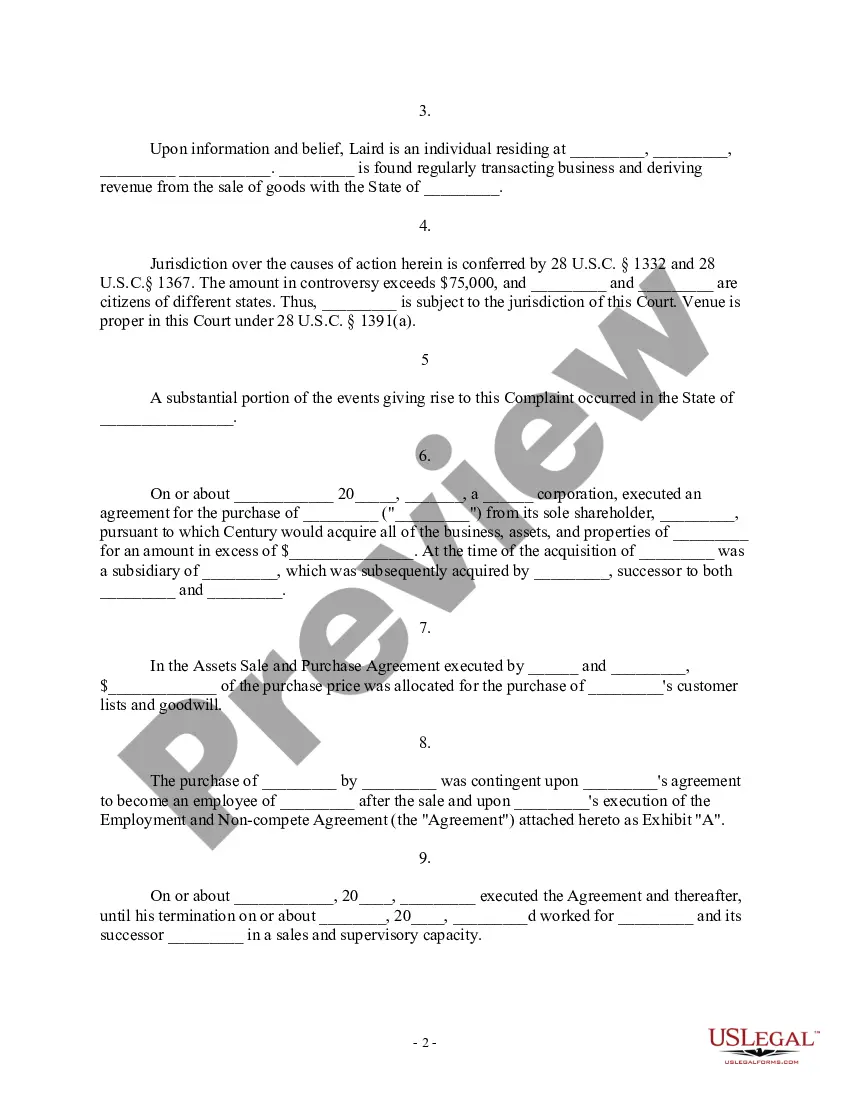
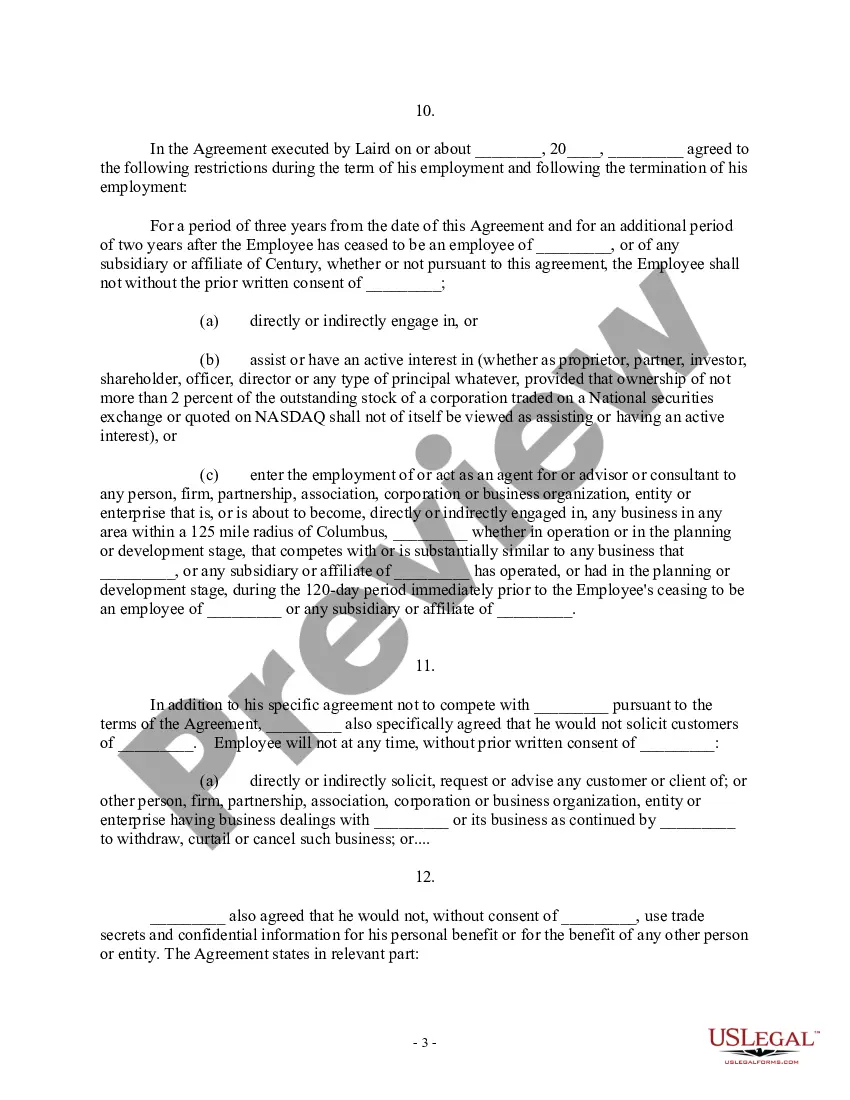
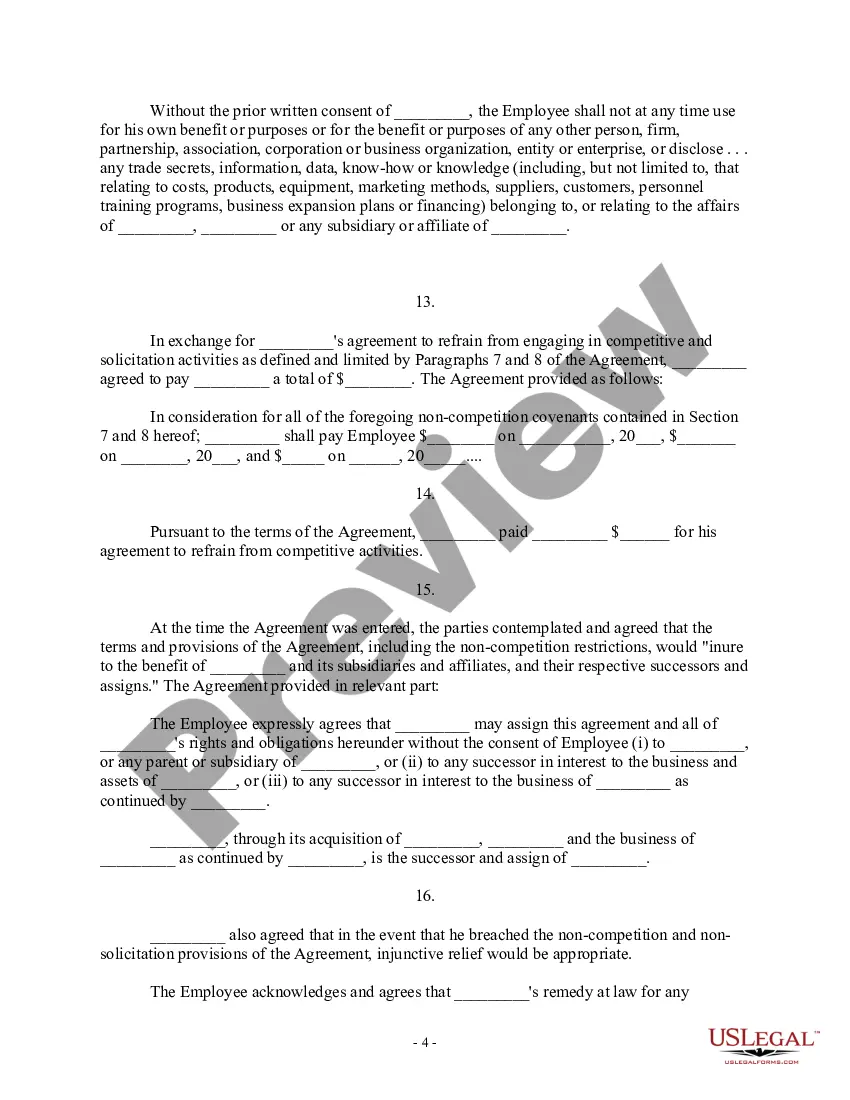
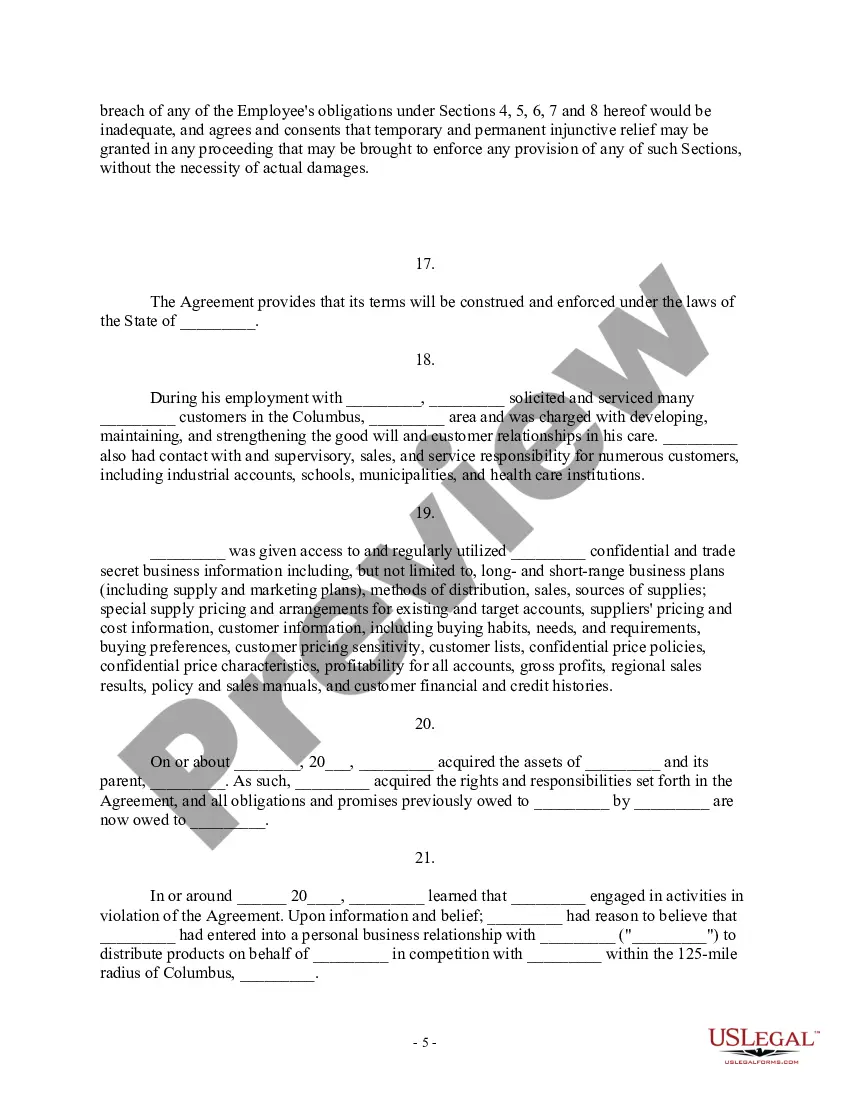
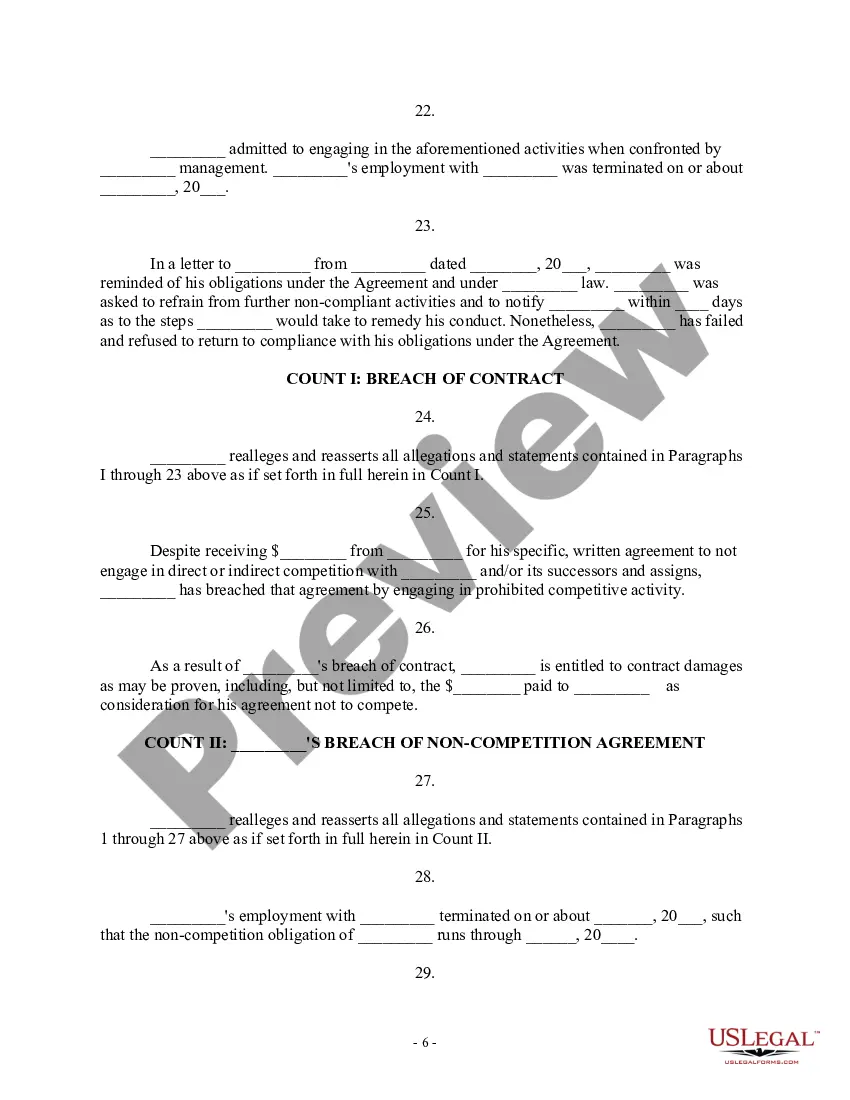
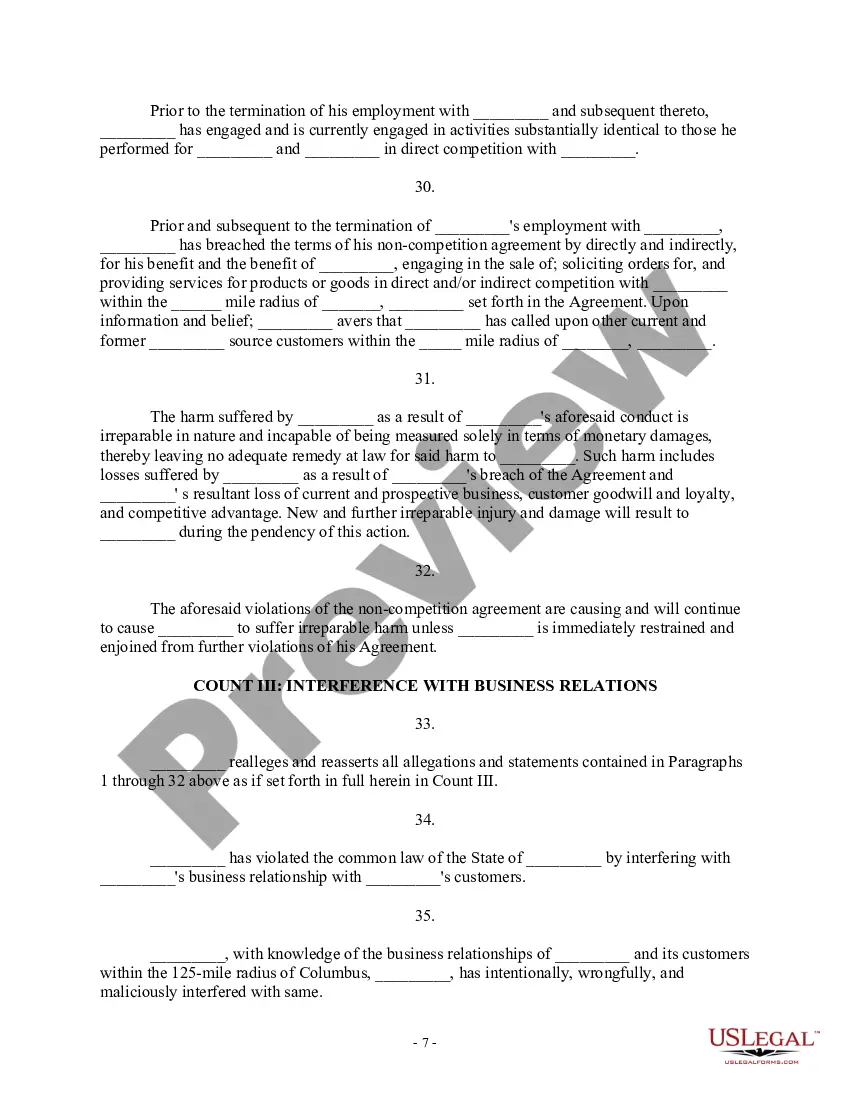
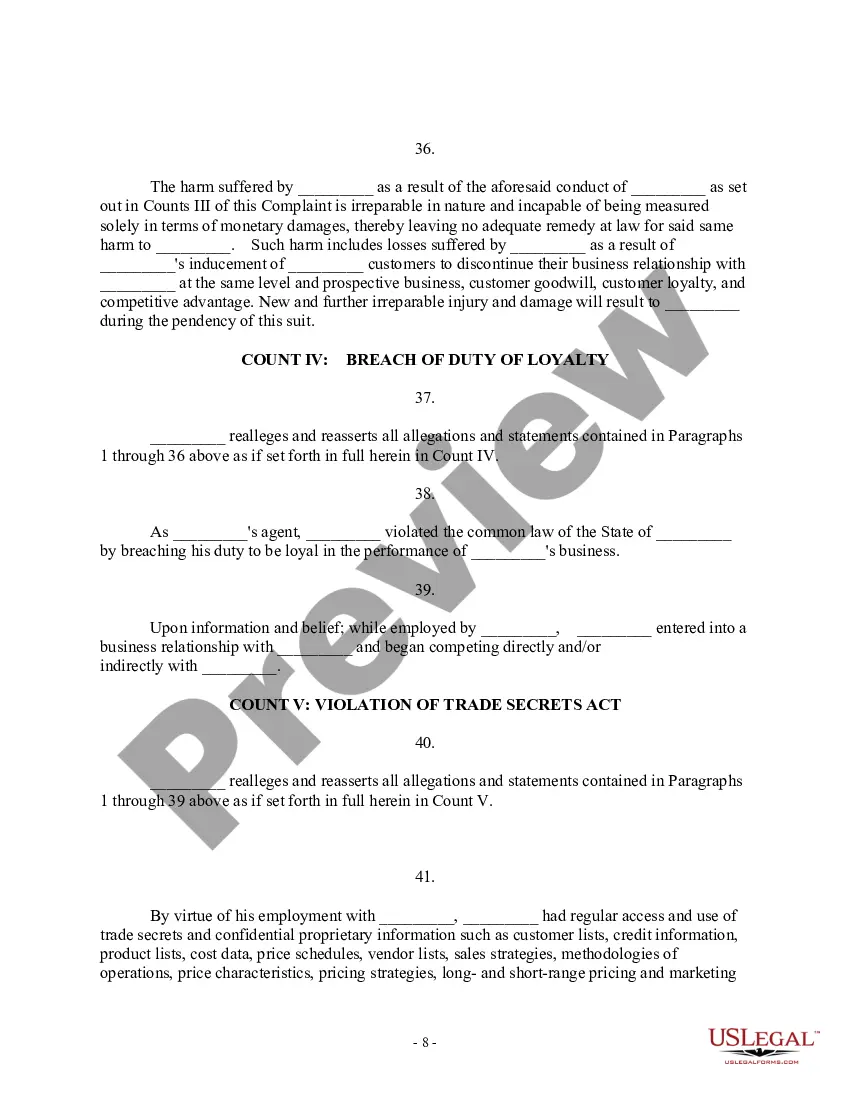
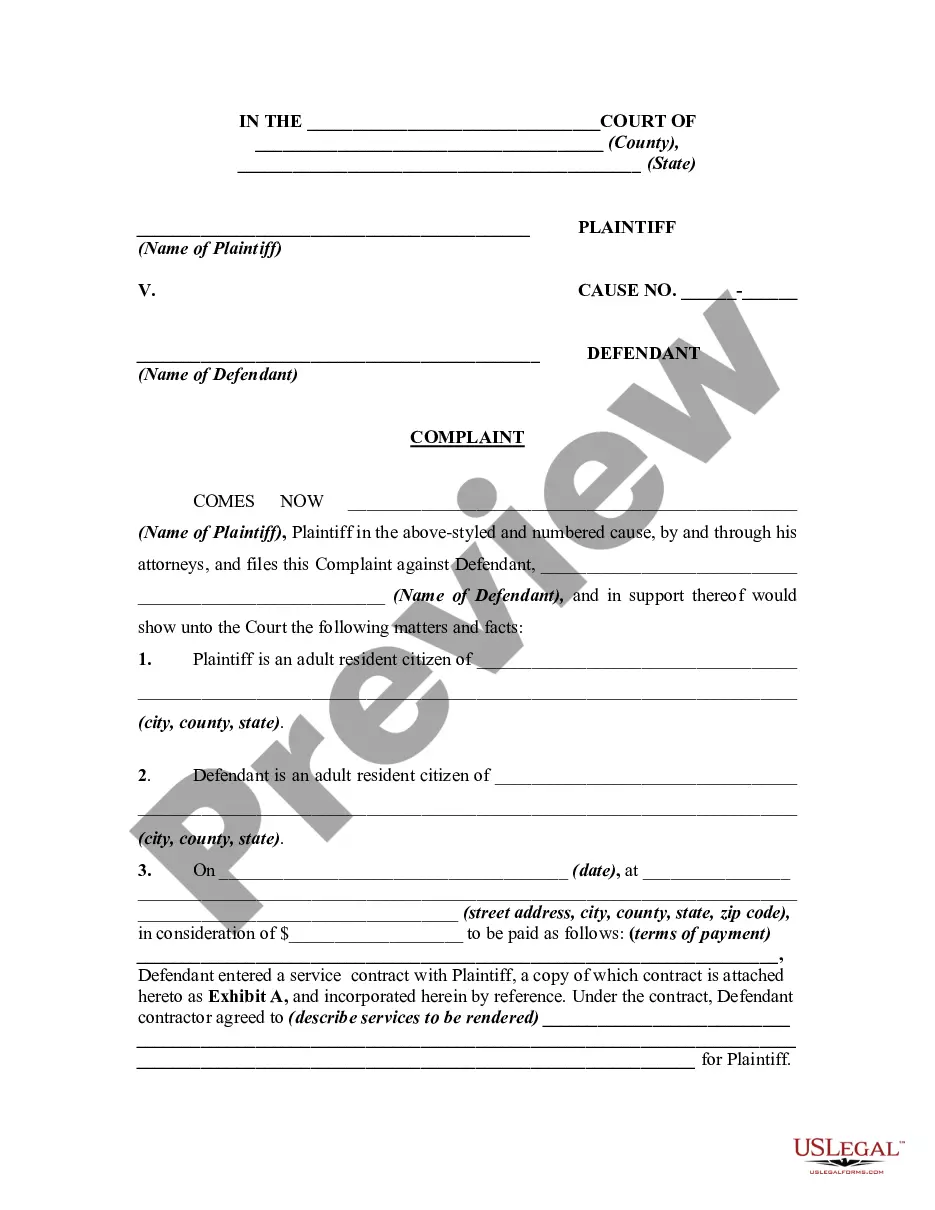

Get your form ready online
Our built-in tools help you complete, sign, share, and store your documents in one place.
Make edits, fill in missing information, and update formatting in US Legal Forms—just like you would in MS Word.
Download a copy, print it, send it by email, or mail it via USPS—whatever works best for your next step.
Sign and collect signatures with our SignNow integration. Send to multiple recipients, set reminders, and more. Go Premium to unlock E-Sign.
If this form requires notarization, complete it online through a secure video call—no need to meet a notary in person or wait for an appointment.
We protect your documents and personal data by following strict security and privacy standards.

Make edits, fill in missing information, and update formatting in US Legal Forms—just like you would in MS Word.

Download a copy, print it, send it by email, or mail it via USPS—whatever works best for your next step.

Sign and collect signatures with our SignNow integration. Send to multiple recipients, set reminders, and more. Go Premium to unlock E-Sign.

If this form requires notarization, complete it online through a secure video call—no need to meet a notary in person or wait for an appointment.

We protect your documents and personal data by following strict security and privacy standards.
Looking for another form?


Form popularity
FAQ
Rule 55(a) authorizes the entry of default when the opposing party has "failed to plead or otherwise defend". The language includes a defendant's complete failure to file any papers at all, as well as his failure, after filing an appearance, to file an answer.
Rule 65 lays out the requirements for obtaining immediate relief (a temporary restraining order, or TRO), as well as intermediate relief (a preliminary injunction), and permanent relief (a judgment, or final decree).
Generally speaking, there are two kinds of relief available through an injunction: prohibitory and mandatory. A prohibitory injunction is the most common form of injunction, and directs a party to refrain from acting in a certain manner.
Standard for Preliminary Injunctive Relief: What matters as to each party is not the raw amount of irreparable harm the party might conceivably suffer, but rather the risk of such harm in light of the party's chance of success on the merits.
To qualify for a retirement benefit you must be vested in your retirement system. Vesting means you have met the minimum service requirements to qualify for a benefit. For most members, that means you have a minimum of 10 years of full-time creditable service. You would still have to meet the minimum age requirements.
Massachusetts Rule 65 of Civil Procedure allows those in litigation to bring a motion for an injunction against the other party. At Law Offices of Alan M. Cohen & Associates LLC, we often use injunctions to prevent debtors from hiding their assets.
The judge may declare a mistrial as to any charges upon which the jury cannot agree upon a verdict; provided, however, that the judge may first require the jury to return verdicts on those charges upon which the jury can agree and direct that such verdicts be received and recorded.
Generally, injunctive relief is only available when there is no other adequate remedy available and irreparable harm will result if the relief is not granted.
Examples: “I am asking the court to grant me a _____ month/year injunction.” “I want no contact in person, at home, by phone, at work, by mail or through third parties.” “I would consider any contact in the future to be a violation.” Tell the court why you would like the temporary restraining order injunction.
Injunctions may be granted to restrain a wide range of acts: a breach of contract, such as a contract against engaging in a competing business; the commission of a tort (e.g., a nuisance); an injury to property (e.g., the of a wall on the plaintiff's land); wrongful expulsion (e.g., from a club or a trade ...
