Complaint Injunctive Form Format In Massachusetts
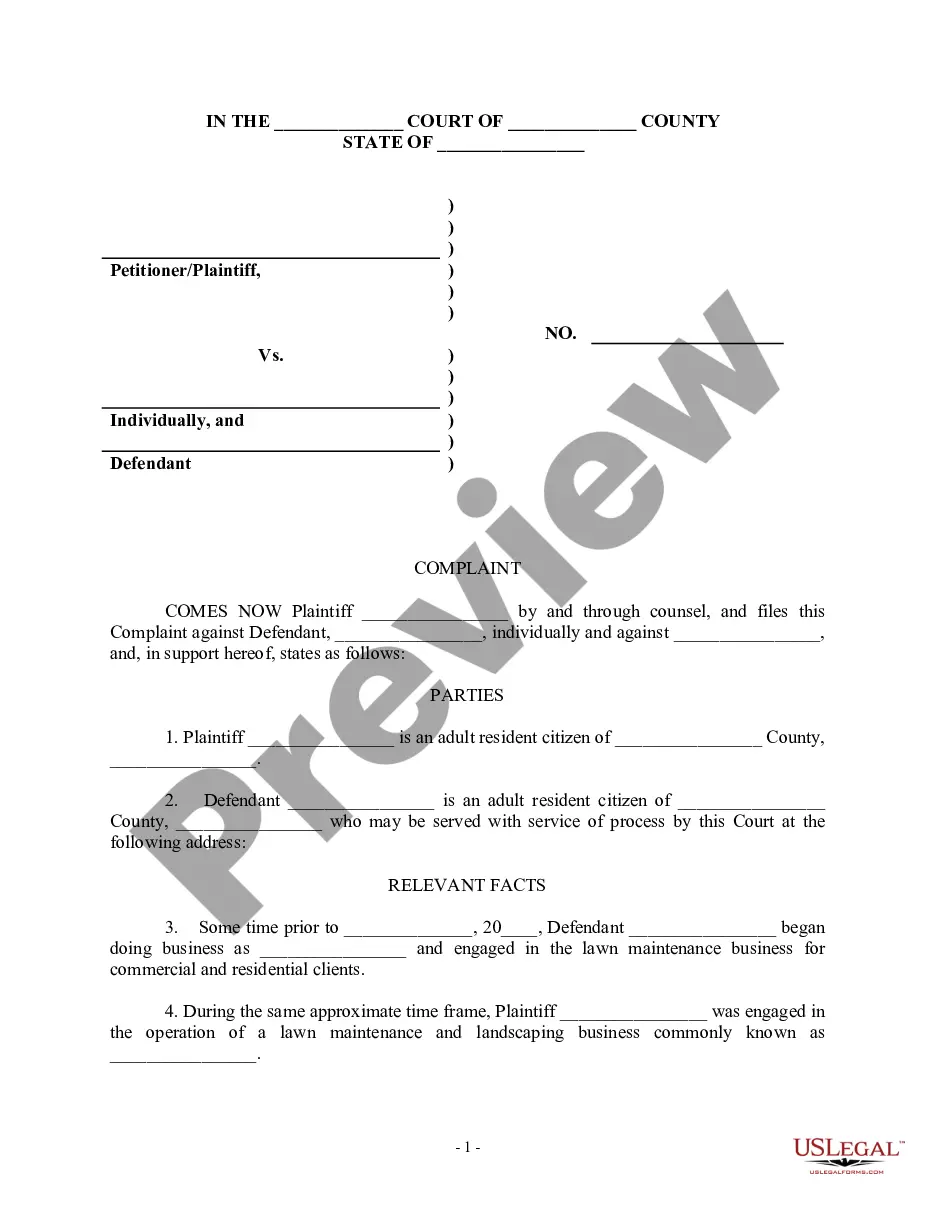
Description

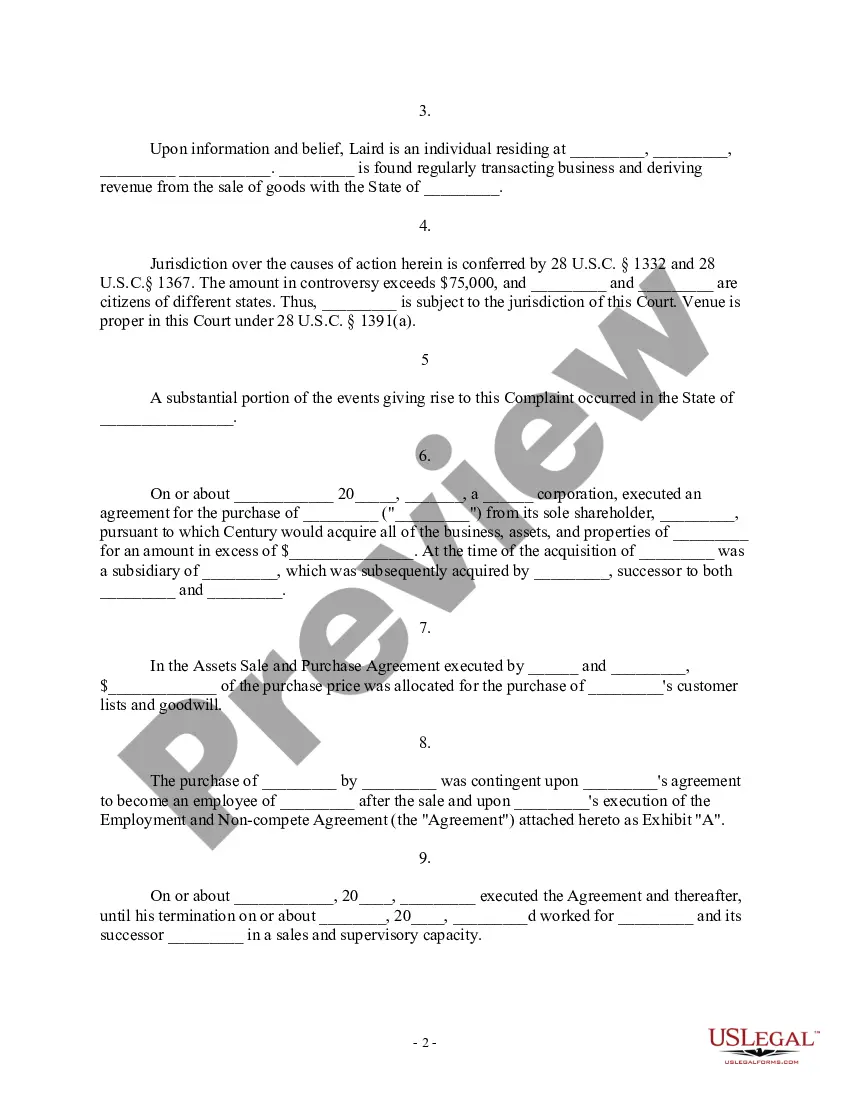
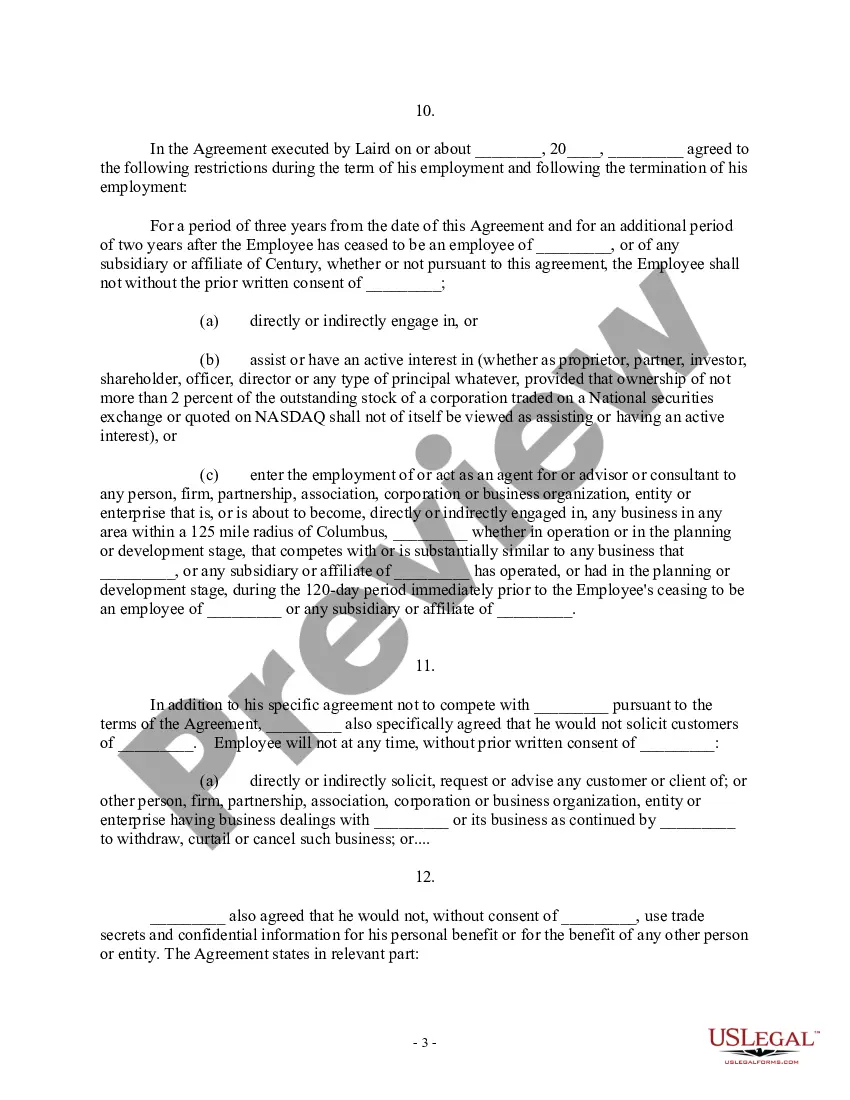
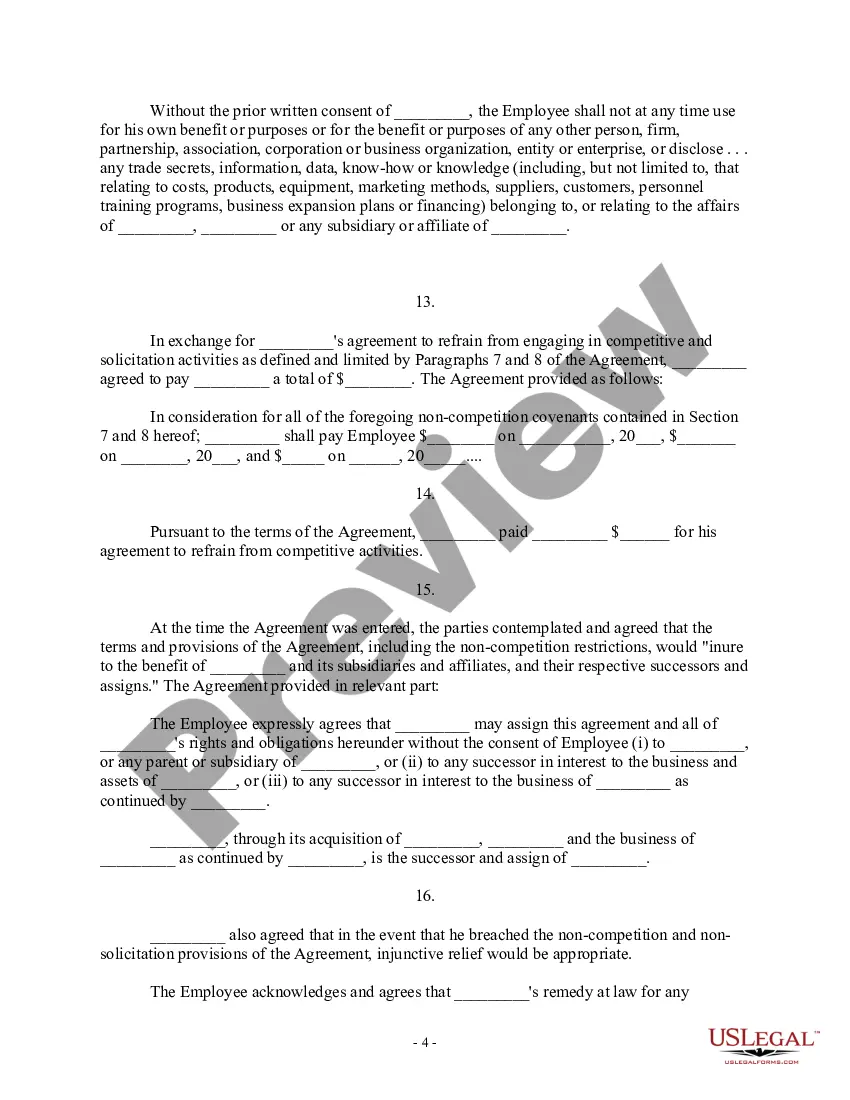
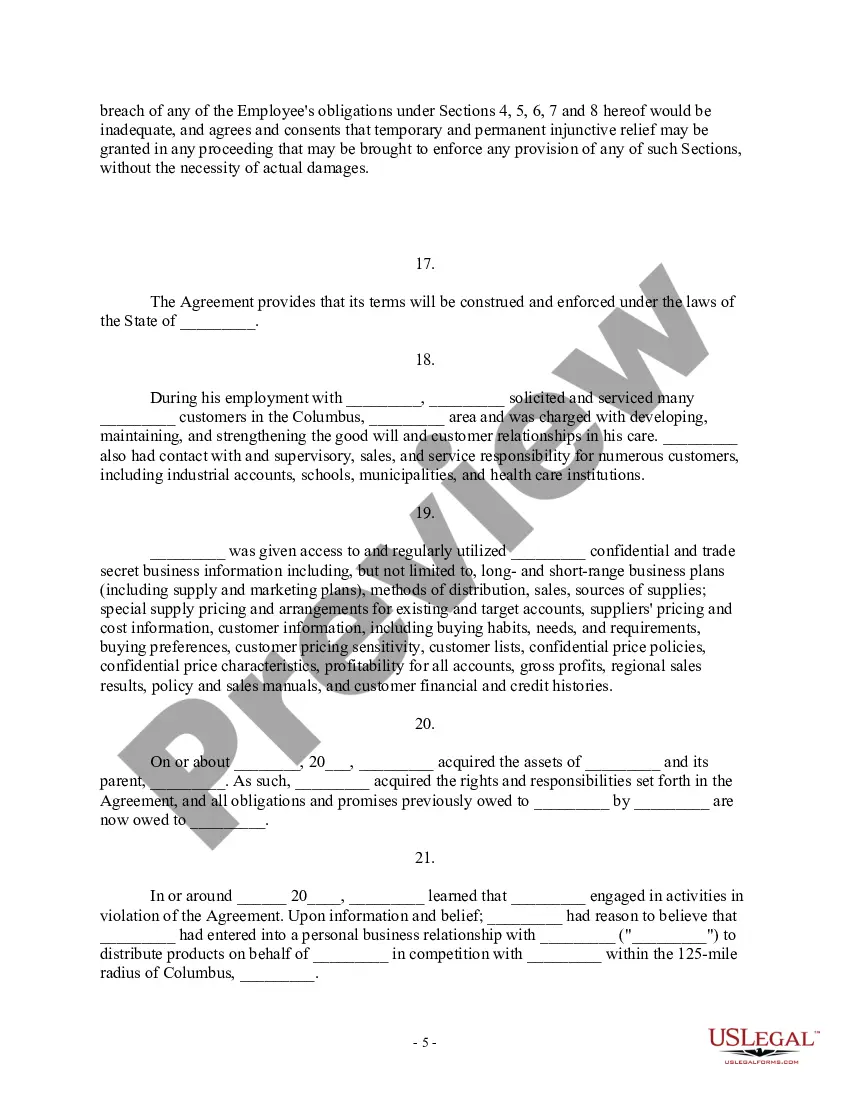
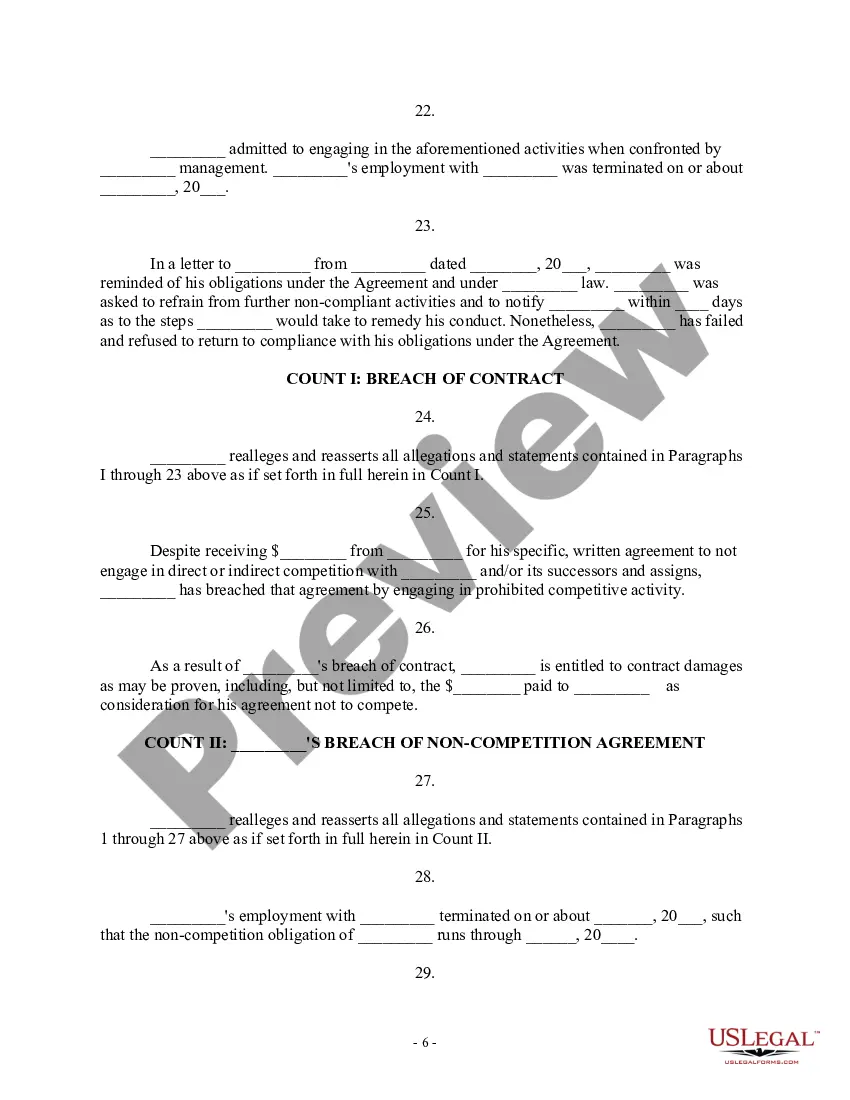
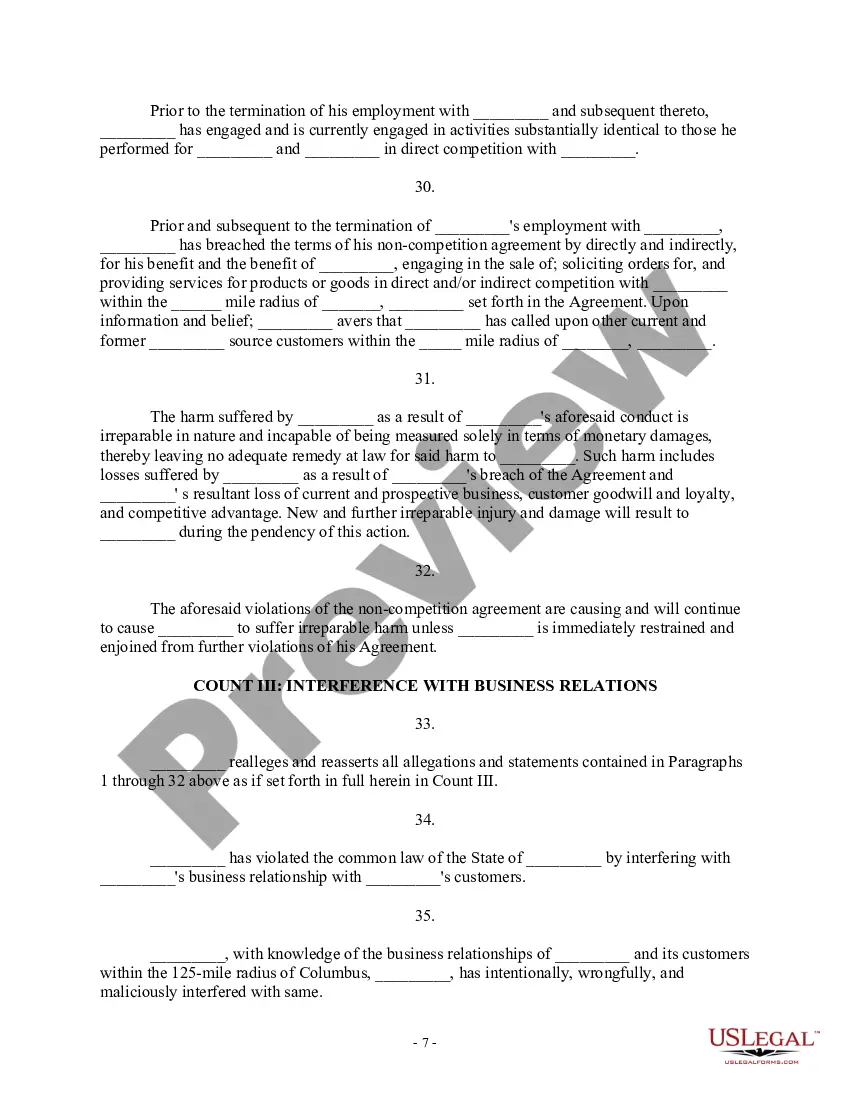
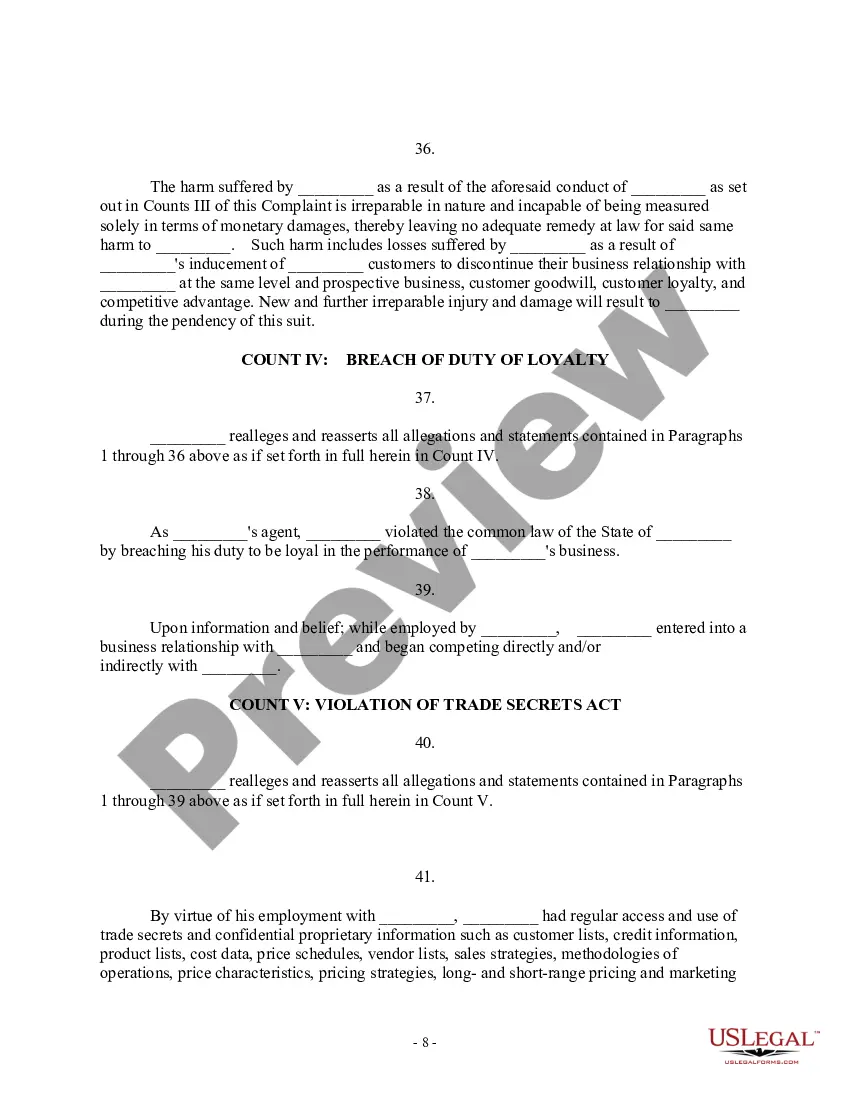

Get your form ready online
Our built-in tools help you complete, sign, share, and store your documents in one place.
Make edits, fill in missing information, and update formatting in US Legal Forms—just like you would in MS Word.
Download a copy, print it, send it by email, or mail it via USPS—whatever works best for your next step.
Sign and collect signatures with our SignNow integration. Send to multiple recipients, set reminders, and more. Go Premium to unlock E-Sign.
If this form requires notarization, complete it online through a secure video call—no need to meet a notary in person or wait for an appointment.
We protect your documents and personal data by following strict security and privacy standards.

Make edits, fill in missing information, and update formatting in US Legal Forms—just like you would in MS Word.

Download a copy, print it, send it by email, or mail it via USPS—whatever works best for your next step.

Sign and collect signatures with our SignNow integration. Send to multiple recipients, set reminders, and more. Go Premium to unlock E-Sign.

If this form requires notarization, complete it online through a secure video call—no need to meet a notary in person or wait for an appointment.

We protect your documents and personal data by following strict security and privacy standards.
Looking for another form?


Form popularity
FAQ
A complaint where the plaintiff (or, in limited cases, the plaintiff's counsel) swears to the allegations, demonstrating to a court that the plaintiff has investigated the charges against the defendant and found them to be of substance.
Personal injury lawsuits such as those stemming from car accidents, medical malpractice, or slip and fall incidents are a one type of civil suit. Other common civil lawsuits include breach of contract, product liability, divorce and family law, property disputes, and housing disputes.
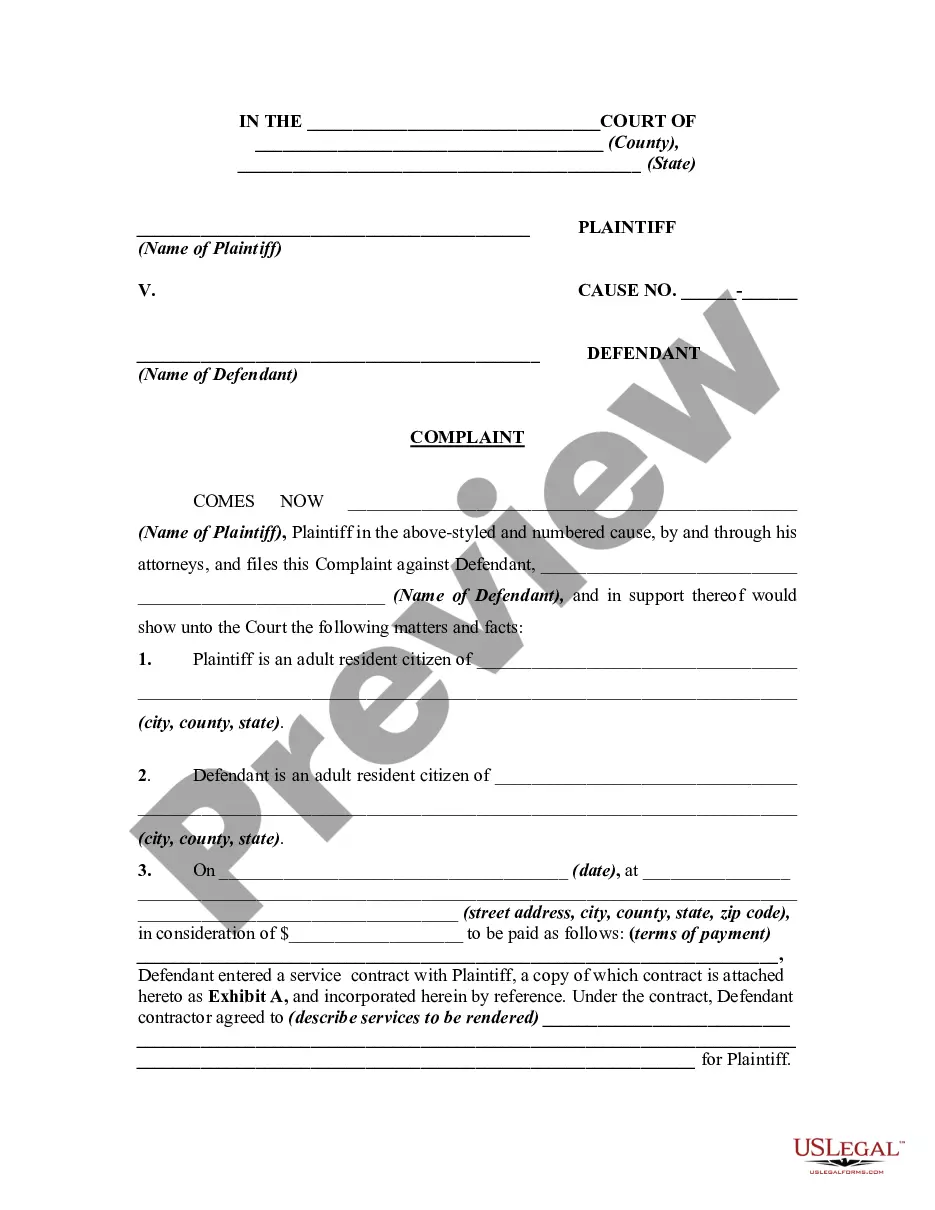
A caption identifying the plaintiff and defendant, and the court in which the complaint is being filed. A brief description of the parties (e.g., their name and address). Allegations demonstrating that the court has subject matter jurisdiction, personal jurisdiction, and venue to adjudicate the claims in the complaint.
A complaint is the pleading that starts a case. Essentially, a document that sets forth a jurisdictional basis for the court's power, the plaintiff's cause of action, and a demand for judicial relief. A plaintiff starts a civil action by filing a pleading called a complaint.
In essence, a legal complaint initiates a lawsuit, while a lawsuit encompasses the entire process of resolving the dispute in court. The existence of a lawsuit and its course through the judicial process is also referred to as “litigation.”
Read your summons carefully — it will tell you how much time you have to answer. You should file an answer in court to the complaint within 20 days of receiving the summons and complaint or 7 days if it's a Complaint for Contempt. Be sure to get your answer to the plaintiff and the court by that deadline.
The Legal Ombudsman's Top tips for responding to complaints 1 Keep it simple. Avoid jargon, pretentious language and using legal / technical terms. 2 Be timely. 3 Take it seriously. 4 Acknowledge stress or inconvenience caused. 5 Don't be afraid to apologise. 6 Appreciate feedback. 7 Be clear.
Injunctive relief, also known as an injunction, is a remedy which restrains a party from doing certain acts or requires a party to act in a certain way. It is generally only available when there is no other remedy at law and irreparable harm will result if the relief is not granted.
If I get served with a complaint, what do I do? Read the summons and the complaint or petition. It is important to read both the summons (or citation) and the complaint (or petition) very carefully. Write and file an answer. Serve the other party with a copy of the answer.
State as briefly as possible the facts showing that each plaintiff is entitled to the injunction or other relief sought. State how each defendant was involved and what each defendant did that caused the plaintiff harm or violated the plaintiff's rights, including the dates and places of that involvement or conduct.