Damages For Wrongful Injunction In Los Angeles
Description

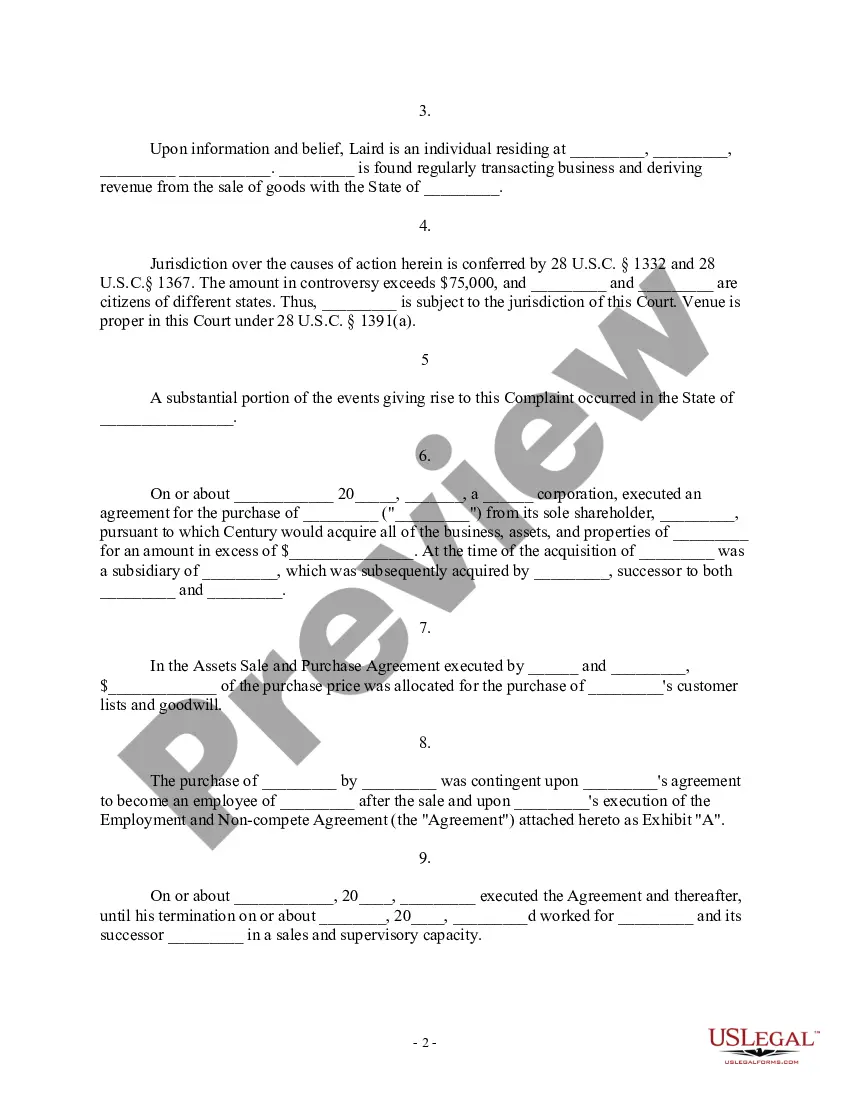
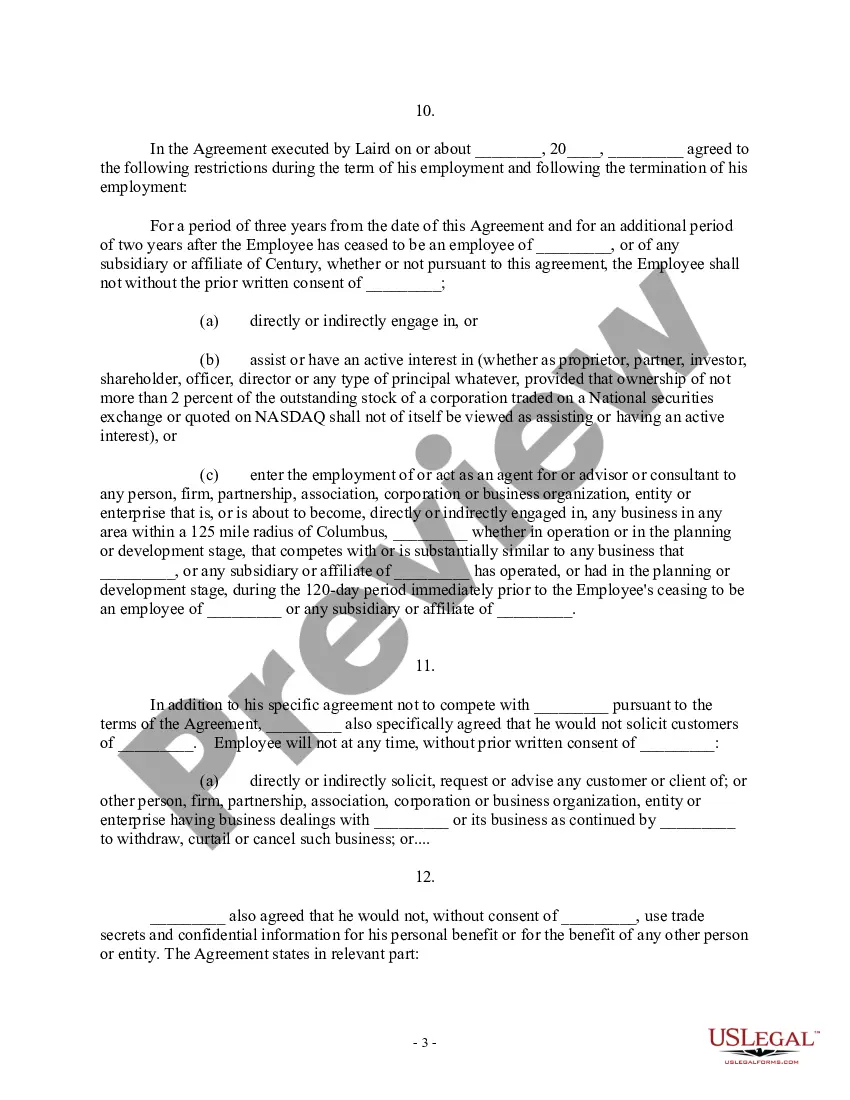
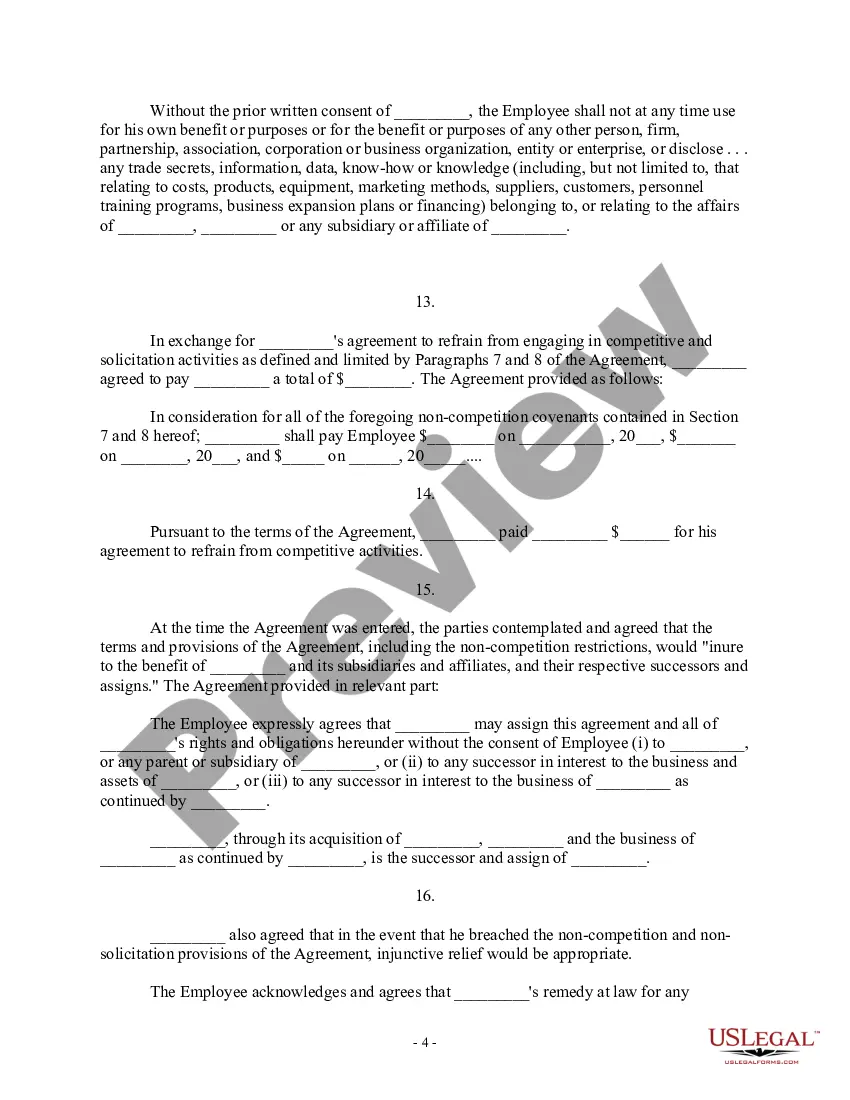
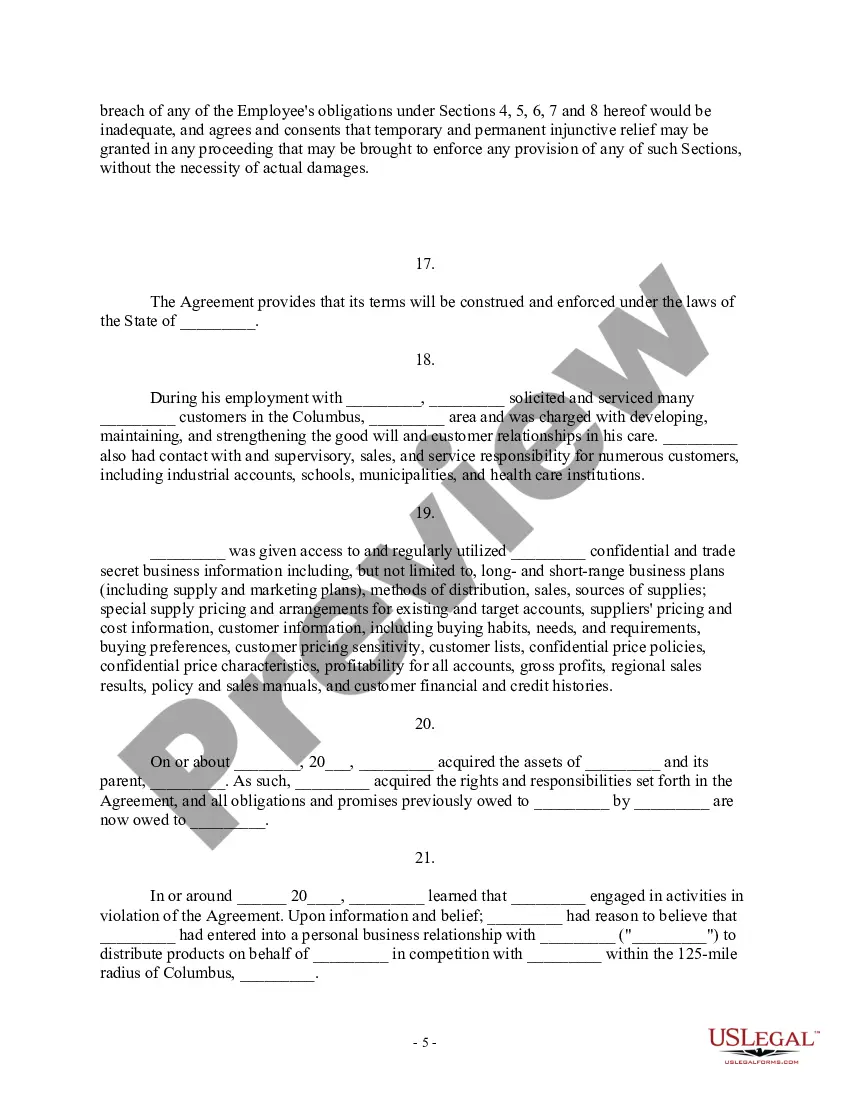

Get your form ready online
Our built-in tools help you complete, sign, share, and store your documents in one place.
Make edits, fill in missing information, and update formatting in US Legal Forms—just like you would in MS Word.
Download a copy, print it, send it by email, or mail it via USPS—whatever works best for your next step.
Sign and collect signatures with our SignNow integration. Send to multiple recipients, set reminders, and more. Go Premium to unlock E-Sign.
If this form requires notarization, complete it online through a secure video call—no need to meet a notary in person or wait for an appointment.
We protect your documents and personal data by following strict security and privacy standards.

Make edits, fill in missing information, and update formatting in US Legal Forms—just like you would in MS Word.

Download a copy, print it, send it by email, or mail it via USPS—whatever works best for your next step.

Sign and collect signatures with our SignNow integration. Send to multiple recipients, set reminders, and more. Go Premium to unlock E-Sign.

If this form requires notarization, complete it online through a secure video call—no need to meet a notary in person or wait for an appointment.

We protect your documents and personal data by following strict security and privacy standards.
Looking for another form?






Form popularity
FAQ
A writ of attachment is a form of prejudgment process in which the court orders the seizure or attachment of property specifically described in the writ. Such property is seized and maintained in the custody of a designated official, usually the U.S. Marshal, under order and supervision of the court.
Los Angeles Superior Court, Local Rules, rule 3.214(a) sets a schedule for the amount of attorney fees recoverable by a prevailing party on a contract.
(a) The liability of a plaintiff for causing a wrongful attachment under Section 490.010 includes both of the following: (1) All damages proximately caused to the defendant by the wrongful attachment. (2) All costs and expenses, including attorney's fees, reasonably expended in defeating the attachment.
(a) The liability of a plaintiff for causing a wrongful attachment under Section 490.010 includes both of the following: (1) All damages proximately caused to the defendant by the wrongful attachment. (2) All costs and expenses, including attorney's fees, reasonably expended in defeating the attachment.
Injunctive relief is a legal remedy that can be awarded by a court to prevent a party from taking certain actions or to require them to take certain actions. It is a form of equitable remedy that is used when monetary damages are not sufficient to remedy a breach of contract.
In an action for abuse of process, an injured person could recover only the actual damage s/he suffered as a natural and probable consequence of abuse. Remote, indefinite, or speculative damages are not recoverable.
To seek a permanent injunction, the plaintiff must pass the four-step test: (1) that the plaintiff has suffered an irreparable injury; (2) that remedies available at law, such as monetary damages, are inadequate to compensate for the injury; (3) that the remedy in equity is warranted upon consideration of the balance ...
In addition to economic damages, individuals can also seek compensation specifically for emotional distress caused by governmental actions or negligence.
Severe emotional distress: Settlements involving severe emotional distress, such as PTSD or ongoing mental health conditions that significantly impact daily life, can result in settlements of $100,000 or more.
No you cannot sue them for emotional distress. Government agencies are generally immune from lawsuits. In addition, these type of lawsuits are when someone specifically or negligently causes distress.