Complaint Injunctive Form Format In Kings
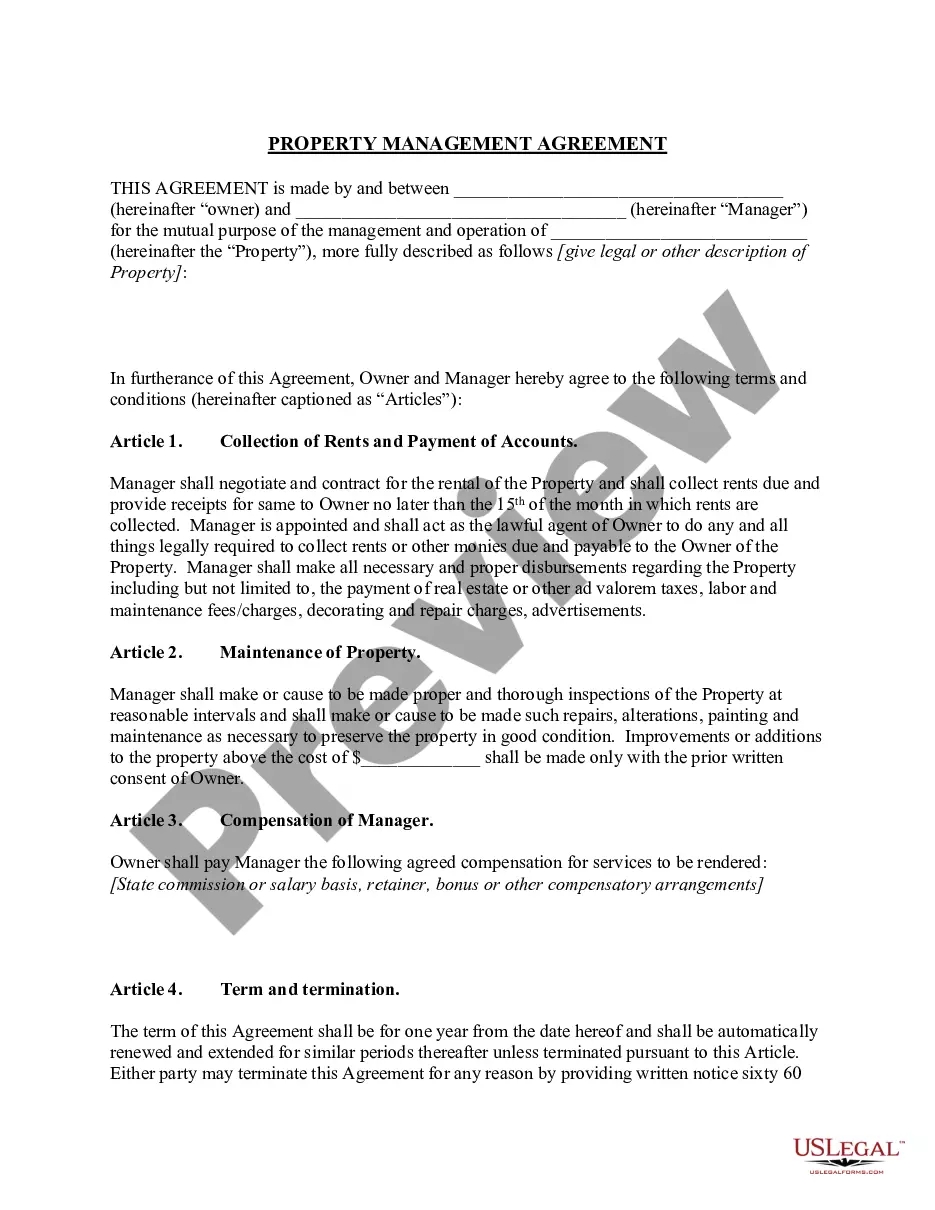
Description













Get your form ready online
Our built-in tools help you complete, sign, share, and store your documents in one place.
Make edits, fill in missing information, and update formatting in US Legal Forms—just like you would in MS Word.
Download a copy, print it, send it by email, or mail it via USPS—whatever works best for your next step.
Sign and collect signatures with our SignNow integration. Send to multiple recipients, set reminders, and more. Go Premium to unlock E-Sign.
If this form requires notarization, complete it online through a secure video call—no need to meet a notary in person or wait for an appointment.
We protect your documents and personal data by following strict security and privacy standards.

Make edits, fill in missing information, and update formatting in US Legal Forms—just like you would in MS Word.

Download a copy, print it, send it by email, or mail it via USPS—whatever works best for your next step.

Sign and collect signatures with our SignNow integration. Send to multiple recipients, set reminders, and more. Go Premium to unlock E-Sign.

If this form requires notarization, complete it online through a secure video call—no need to meet a notary in person or wait for an appointment.

We protect your documents and personal data by following strict security and privacy standards.
Looking for another form?





Form popularity
FAQ
Use certified copies of marriage and divorce certificates or name change orders as proof to notify these federal and state agencies that you changed your name. Social Security card. Driver's license or state ID card. Tax returns. U.S. passport. Naturalization certificate and certificate of citizenship. Veterans benefits.
To get started you can use the Supreme Court Adult Name Change Petition Program to change your name. The adult name change form is used to ask (or “petition”) the NY State Supreme Court to change your name. The petition (court paper) may be filed in the Supreme Court in the county where the person lives.
The Brooklyn Supreme Courthouse is located on Adams Street between Joralemon and Johnson Streets. It also houses the Registrar's Office, County Clerk, and Surrogate's Court. Construction on the Supreme Courthouse began in 1955.
You can either answer the summons in writing or in person. If you answer in person, you must go to the courthouse clerk's office and tell the clerk about your defenses to the plaintiff's claims. The clerk will check off the boxes in a Consumer Credit Transaction Answer In Person form.
After a summons with notice is served, the defendant will demand that the plaintiff serve a complaint. The plaintiff must then have the complaint served within 20 days after being served with the demand, or the case may be dismissed.
In most situations, you must have a very good reason to change your name, and a judge must approve your request and issue a name change order unless the name change is related to marital status. You may change your first name, middle name, and/or last name to a new name or names.
The Kings County Supreme Court handles felony criminal and civil matters, including name changes, matrimonial cases, foreclosures, mental hygiene applications, and elder law cases. Explore the website for sample forms and guides, court procedures, and information regarding a pending case.
The Court of Appeals is New York's highest court, composed of a Chief Judge and six Associate Judges. In general, the Court of Appeals hears civil and criminal cases on appeal from the other appellate courts. Its review is generally limited to questions of law.