Complaint Relief Without Surgery In Illinois
Description










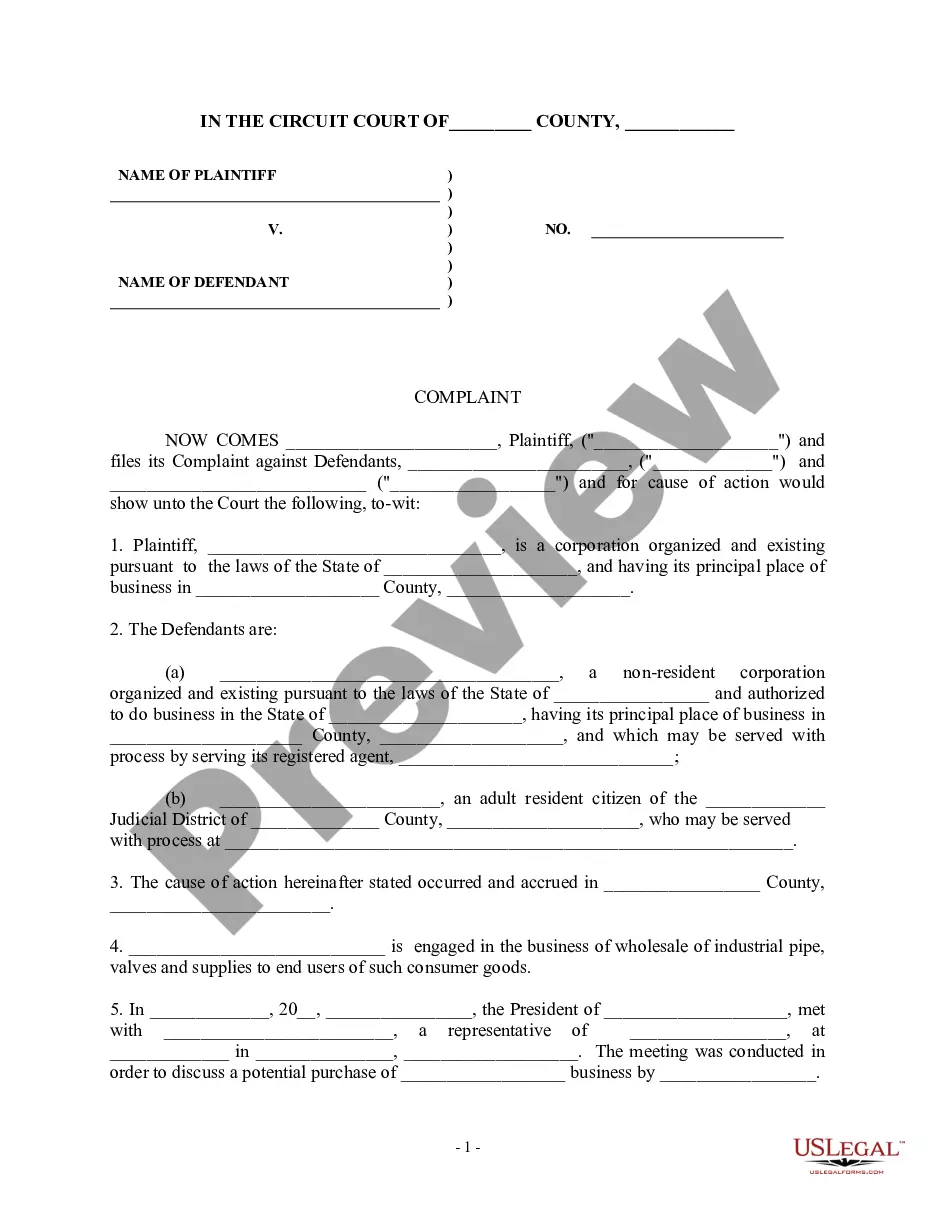


Get your form ready online
Our built-in tools help you complete, sign, share, and store your documents in one place.
Make edits, fill in missing information, and update formatting in US Legal Forms—just like you would in MS Word.
Download a copy, print it, send it by email, or mail it via USPS—whatever works best for your next step.
Sign and collect signatures with our SignNow integration. Send to multiple recipients, set reminders, and more. Go Premium to unlock E-Sign.
If this form requires notarization, complete it online through a secure video call—no need to meet a notary in person or wait for an appointment.
We protect your documents and personal data by following strict security and privacy standards.

Make edits, fill in missing information, and update formatting in US Legal Forms—just like you would in MS Word.

Download a copy, print it, send it by email, or mail it via USPS—whatever works best for your next step.

Sign and collect signatures with our SignNow integration. Send to multiple recipients, set reminders, and more. Go Premium to unlock E-Sign.

If this form requires notarization, complete it online through a secure video call—no need to meet a notary in person or wait for an appointment.

We protect your documents and personal data by following strict security and privacy standards.
Looking for another form?







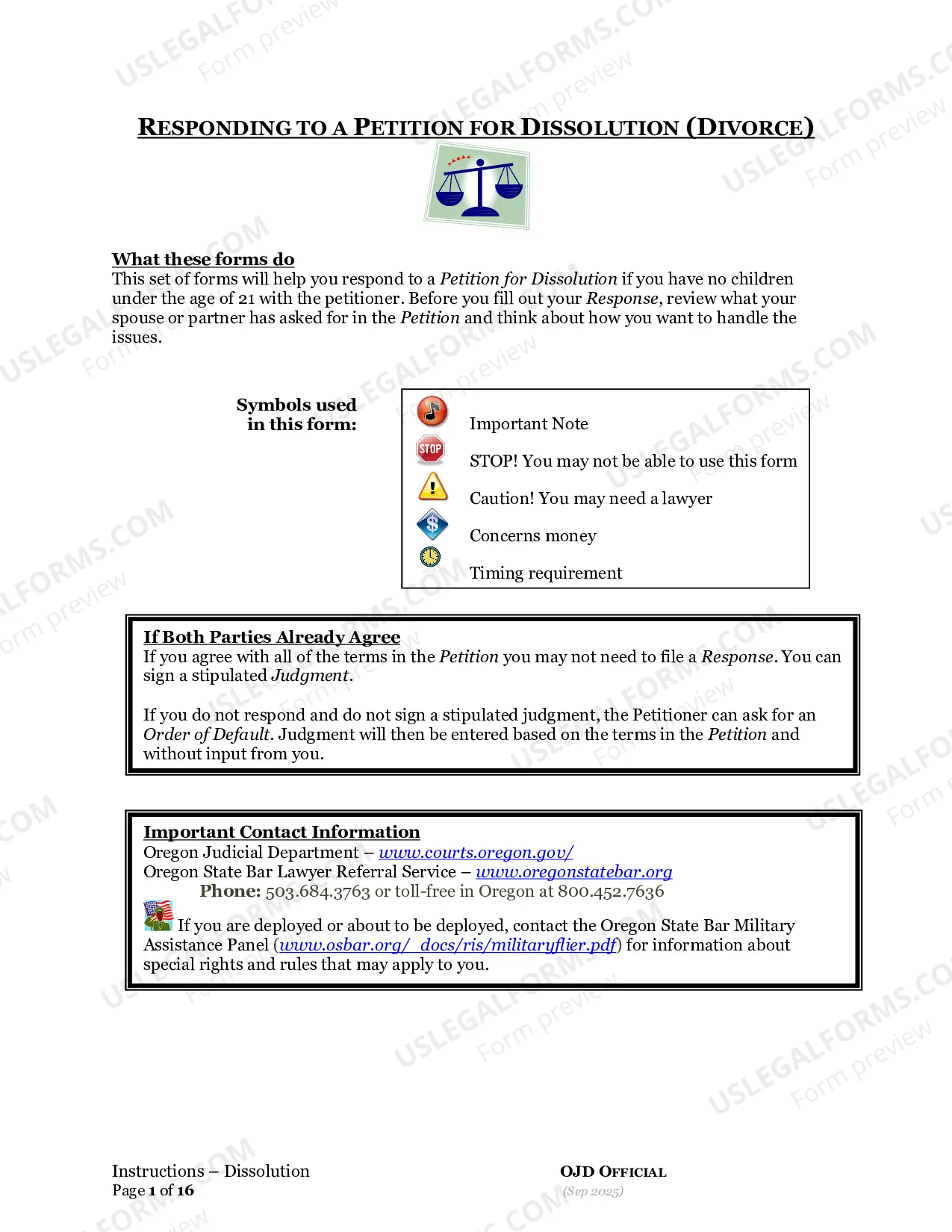


Form popularity
FAQ
A Petition for Rule to Show Cause may be used by a person who says that another person has not followed a court order or judgment. The person who files the petition is called the petitioner; The other person is called the respondent. The petition will: Say which order or judgment has not been followed, and.
2-619. Involuntary dismissal based upon certain defects or defenses. (1) That the court does not have jurisdiction of the subject matter of the action, provided the defect cannot be removed by a transfer of the case to a court having jurisdiction.
Section 2-1301(e) provides litigants with the option to bring a motion to vacate a non-final or final order during the course of litigation. 735 ILCS 5/2-1301(e). Under section 2-1301(e), a litigant can move to vacate a non-final order or judgment at any time before that order or judgment becomes final.
If a claim or defense is founded upon a written instrument, a copy thereof, or of so much of the same as is relevant, must be attached to the pleading as an exhibit or recited therein, unless the pleader attaches to his or her pleading an affidavit stating facts showing that the instrument is not accessible to him or ...
2-1401. Relief from judgments. (a) Relief from final orders and judgments, after 30 days from the entry thereof, may be had upon petition as provided in this Section. Writs of error coram nobis and coram vobis, bills of review, and bills in the nature of bills of review are abolished.
2-607. Bills of particulars. (a) Within the time a party is to respond to a pleading, that party may, if allegations are so wanting in details that the responding party should be entitled to a bill of particulars, file and serve a notice demanding it.
“The petition is the proper remedy of a party seeking to set aside a judgment rendered against him by a court whenever he was unjustly deprived of a hearing, was prevented from taking an appeal, or a judgment or final order entered because of fraud, accident, mistake or excusable negligence” (Lasam v.
As the name suggests, a temporary relief order is a legally binding decree that grants temporary financial relief to one of the parties during the divorce process. This relief can be in many forms. In the scenario above, the order would instruct the party with financial means to support the spouse with none.
File a complaint with government or consumer programs File a complaint with your local consumer protection office. Notify the Better Business Bureau (BBB) in your area about your problem. The BBB tries to resolve complaints against companies. Report scams and suspicious communications to the Federal Trade Commission.
Writing an Effective Complaint The effective com- plaint letter is written to the Chief Executive Officer of the hospital or health plan and has four ele- ments: 1) a compliment, 2) detailed description of the event, 3) expression of disappointment, and 4) a proposed resolution.