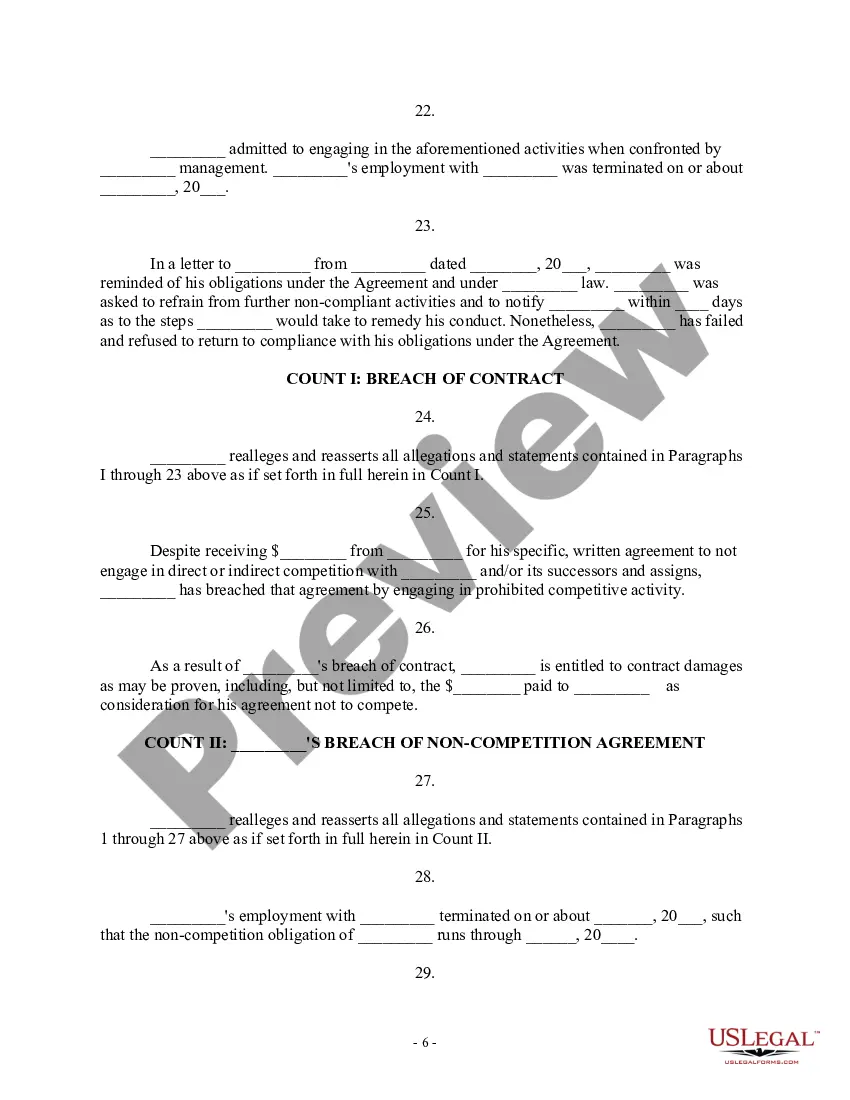
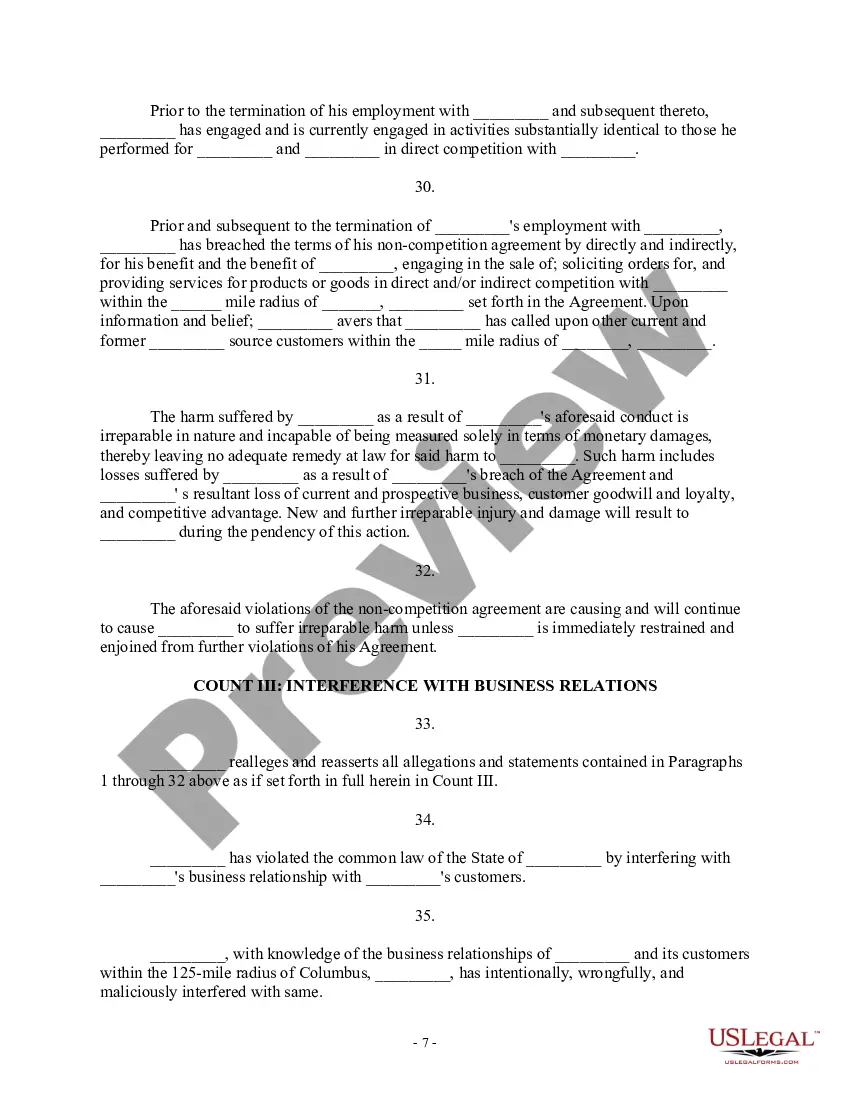
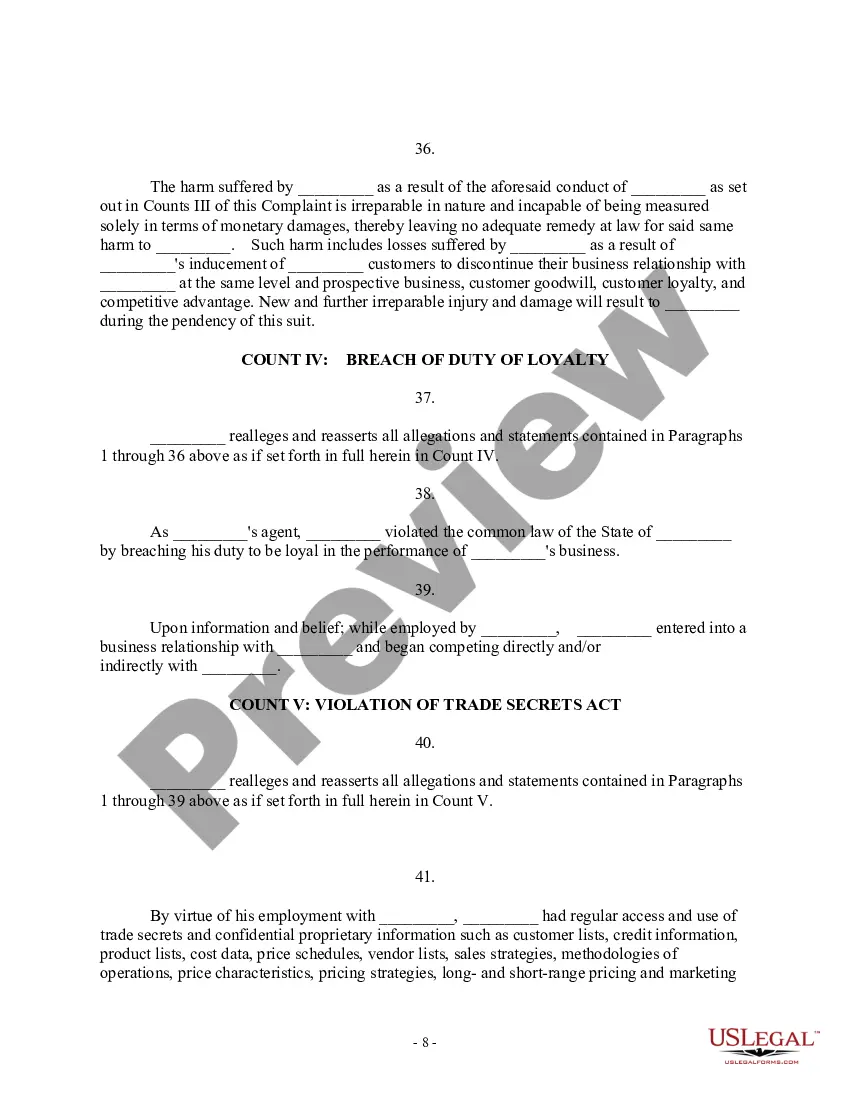
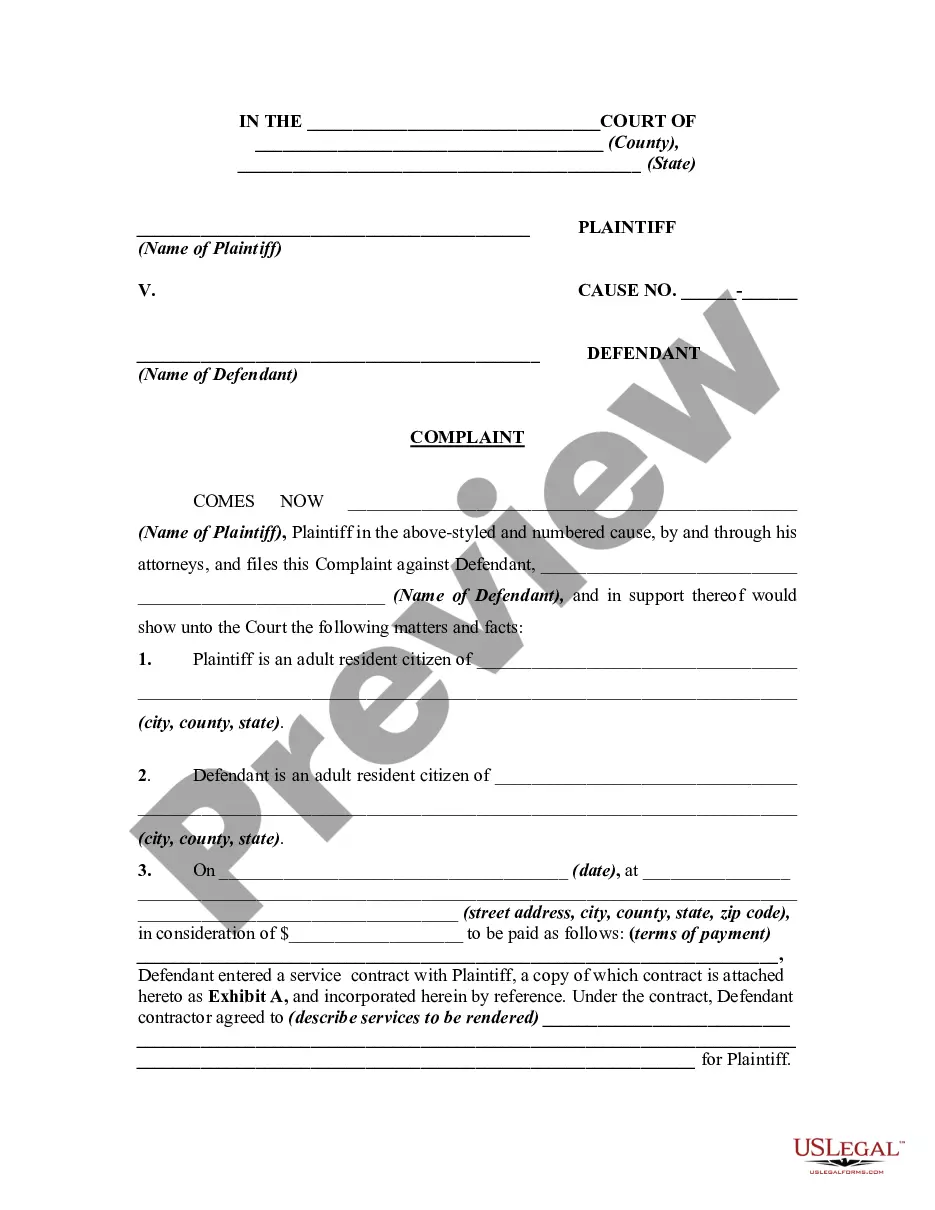
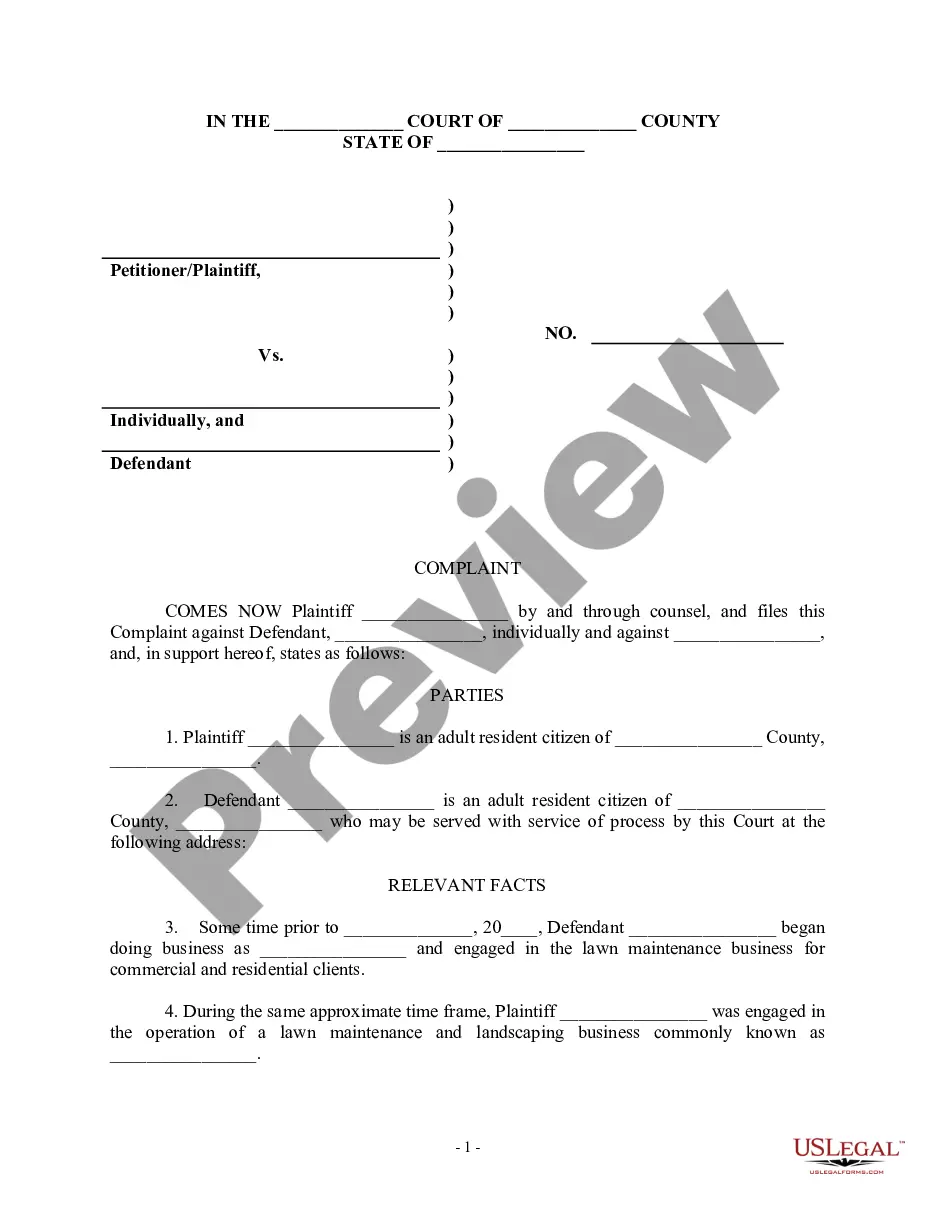
Complaint Prayer For Relief Example In Illinois
Description


Get your form ready online
Our built-in tools help you complete, sign, share, and store your documents in one place.
Make edits, fill in missing information, and update formatting in US Legal Forms—just like you would in MS Word.
Download a copy, print it, send it by email, or mail it via USPS—whatever works best for your next step.
Sign and collect signatures with our SignNow integration. Send to multiple recipients, set reminders, and more. Go Premium to unlock E-Sign.
If this form requires notarization, complete it online through a secure video call—no need to meet a notary in person or wait for an appointment.
We protect your documents and personal data by following strict security and privacy standards.

Make edits, fill in missing information, and update formatting in US Legal Forms—just like you would in MS Word.

Download a copy, print it, send it by email, or mail it via USPS—whatever works best for your next step.

Sign and collect signatures with our SignNow integration. Send to multiple recipients, set reminders, and more. Go Premium to unlock E-Sign.

If this form requires notarization, complete it online through a secure video call—no need to meet a notary in person or wait for an appointment.

We protect your documents and personal data by following strict security and privacy standards.
Looking for another form?


Form popularity
FAQ
Affirmative defenses such as lack of capacity, duress, fraud, misrepresentation, undue influence, and mistake of fact all relate to the issue of mutual consent and make a contract voidable. The burden of pleading and proving such defenses rests on the party asserting them.
A reply to affirmative defenses generally contains the following elements, in this order: • A caption • Denials and admissions of the allegations of the affirmative defenses • Signature of the plaintiff's attorney (or the plaintiff, if unrepresented) When drafting the reply, be sure to address each allegation of the ...
Under the codes the pleadings are generally limited. A reply is sometimes required to an affirmative defense in the answer.
2-607. Bills of particulars. (a) Within the time a party is to respond to a pleading, that party may, if allegations are so wanting in details that the responding party should be entitled to a bill of particulars, file and serve a notice demanding it.
It's usually best to file your affirmative defenses with your answer in a single document that has two main sections. You must meet all the elements (requirements) of each defense you assert. If any element is missing, your defense can be easily defeated. Each defense should be stated as a set of facts.
(b) To recover punitive damages in cases described in subsection (a), a plaintiff must show by clear and convincing evidence that the defendant's conduct was with evil motive or with a reckless and outrageous indifference to a highly unreasonable risk of harm and with a conscious indifference to the rights and safety ...
The party raising the affirmative defense has the burden of proof on establishing that it applies. Raising an affirmative defense does not prevent a party from also raising other defenses. Self-defense, entrapment, insanity, necessity, and respondeat superior are some examples of affirmative defenses.
The prayer for relief is the part of complaint where a plaintiff states the damages or other remedies it is seeking from the court in a lawsuit. Federal Rules of Civil Procedure 8(a)(3) requires that a plaintiff's pleadings contains a prayer for relief. The prayer is often located at the end of the complaint.
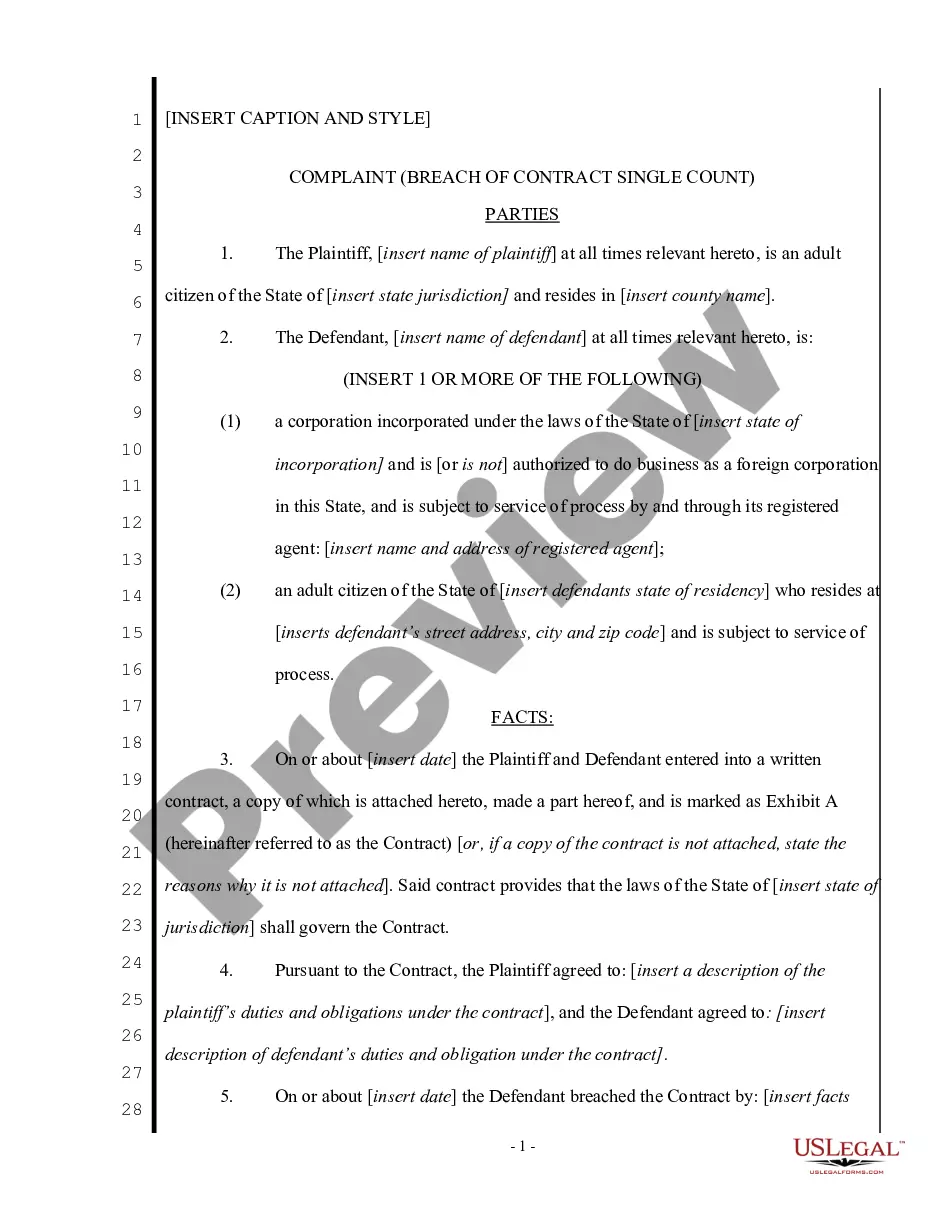
A prayer for relief, a demand for judgement, and the 'wherefore' clause are components found in a legal complaint. The prayer for relief describes the specific remedy sought by the plaintiff, the demand for judgement requests a specific decision, and the 'wherefore' clause asks the court to grant the relief requested.