Complaint Relief Without Surgery In Houston
Description


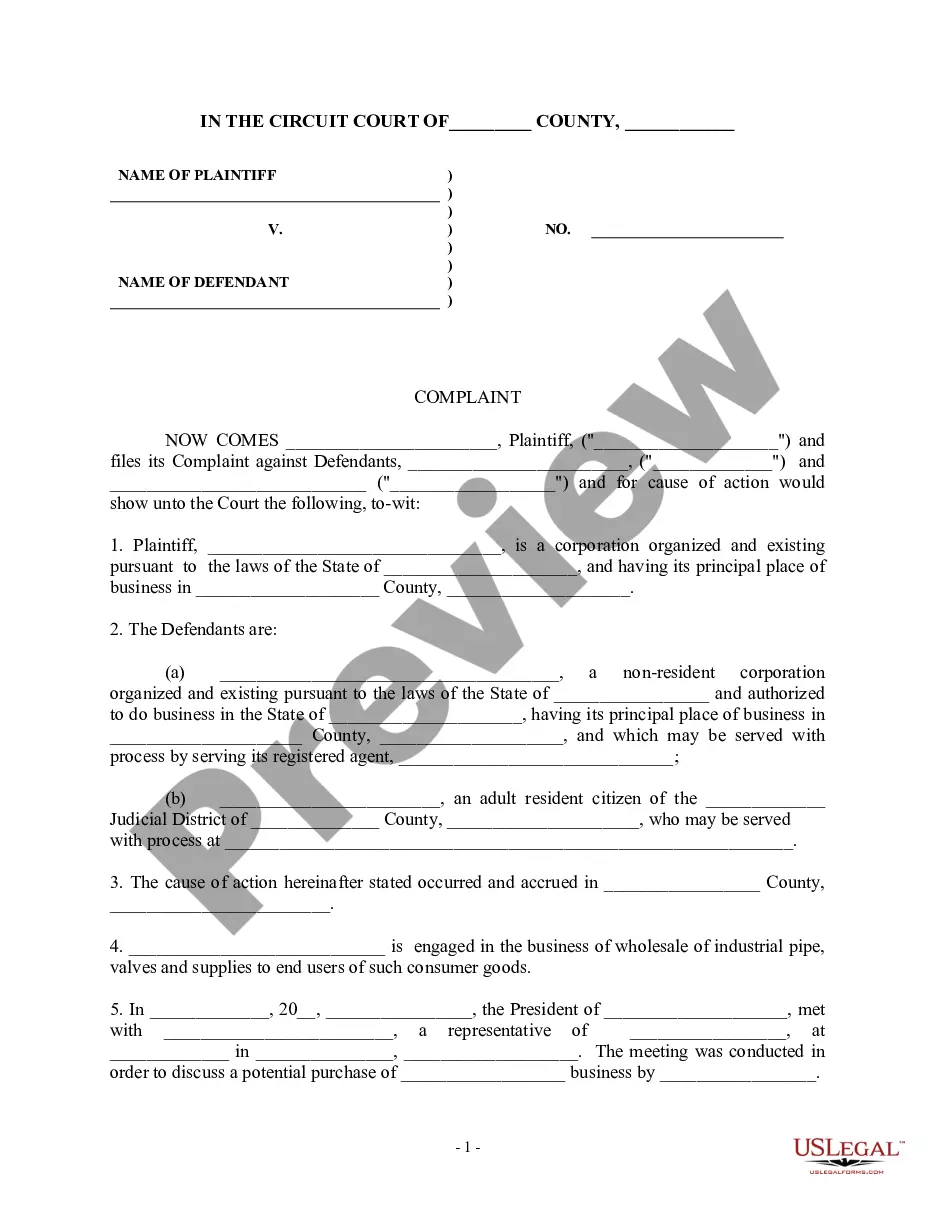

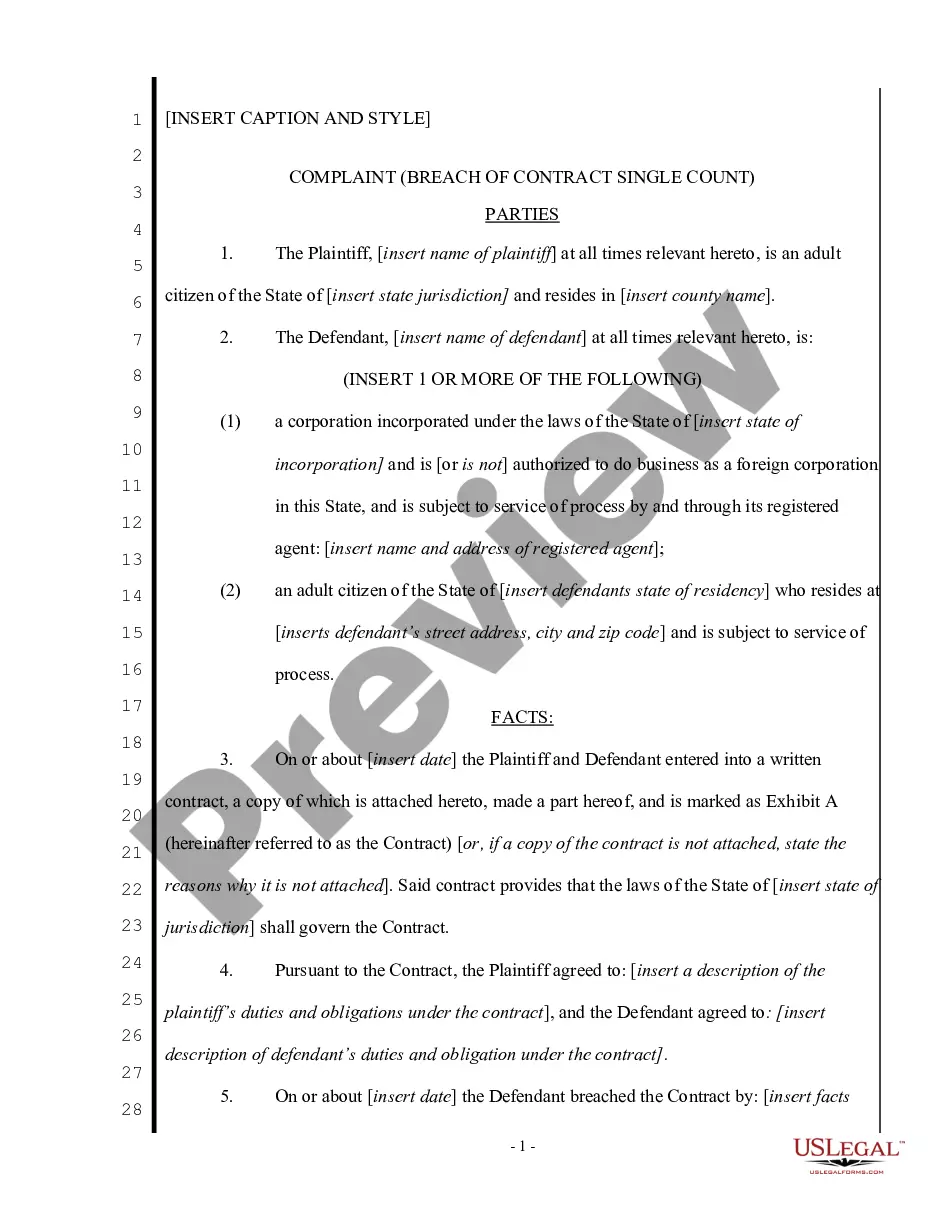
Get your form ready online
Our built-in tools help you complete, sign, share, and store your documents in one place.
Make edits, fill in missing information, and update formatting in US Legal Forms—just like you would in MS Word.
Download a copy, print it, send it by email, or mail it via USPS—whatever works best for your next step.
Sign and collect signatures with our SignNow integration. Send to multiple recipients, set reminders, and more. Go Premium to unlock E-Sign.
If this form requires notarization, complete it online through a secure video call—no need to meet a notary in person or wait for an appointment.
We protect your documents and personal data by following strict security and privacy standards.

Make edits, fill in missing information, and update formatting in US Legal Forms—just like you would in MS Word.

Download a copy, print it, send it by email, or mail it via USPS—whatever works best for your next step.

Sign and collect signatures with our SignNow integration. Send to multiple recipients, set reminders, and more. Go Premium to unlock E-Sign.

If this form requires notarization, complete it online through a secure video call—no need to meet a notary in person or wait for an appointment.

We protect your documents and personal data by following strict security and privacy standards.
Looking for another form?





Form popularity
FAQ
Conclusion: Going to small claims court may be worth it for $500, but it will determine how you weigh your costs versus benefits. At a minimum, it is worth it to send a demand letter.
The complainant (person making the complaint) must, in good faith, make full, fair, and honest disclosure of all facts and circumstances known to him/her at the time the complaint is made. The facts, as presented, must be in the form of an affidavit and signed under oath.
Threatening someone with small claims court can be considered unethical, especially if the threat is made without a genuine intention to pursue legal action. Here are some points to consider:
In most places the first step would be to make a claim in court. You could hire a debt collection agency as well, although many only do what you can do yourself - call, write and then raise a court case. However, be careful. Costs could easily exceed the amount owed very fast.
You can make a complaint by mail or fax, but HHS prefers that people submit online via the Texas Unified Licensure Information Portal (TULIP) or call 1-800-458-9858 so we can get all of the information right away to investigate and resolve a complaint.
Be clear and brief. Cover all the relevant points but be as brief as you can. Avoid writing long letters or emails – you might feel the need to write in great detail but usually this is not required. Make it easy to read by using numbered lists and headings to highlight the important issues.
File a complaint with government or consumer programs File a complaint with your local consumer protection office. Notify the Better Business Bureau (BBB) in your area about your problem. The BBB tries to resolve complaints against companies. Report scams and suspicious communications to the Federal Trade Commission.
File a complaint with government or consumer programs File a complaint with your local consumer protection office. Notify the Better Business Bureau (BBB) in your area about your problem. The BBB tries to resolve complaints against companies. Report scams and suspicious communications to the Federal Trade Commission.
Formal complaint means a signed document or electronic submission by a complainant, alleging a violation and requesting its investigation.
Dear name of your employer / HR manager/ line manager, I am writing to raise a formal grievance. I have a problem with / complaint about give details. Optional I have evidence in the form of give details. I would be grateful if you could let me know when I can meet you to talk about my grievance.
