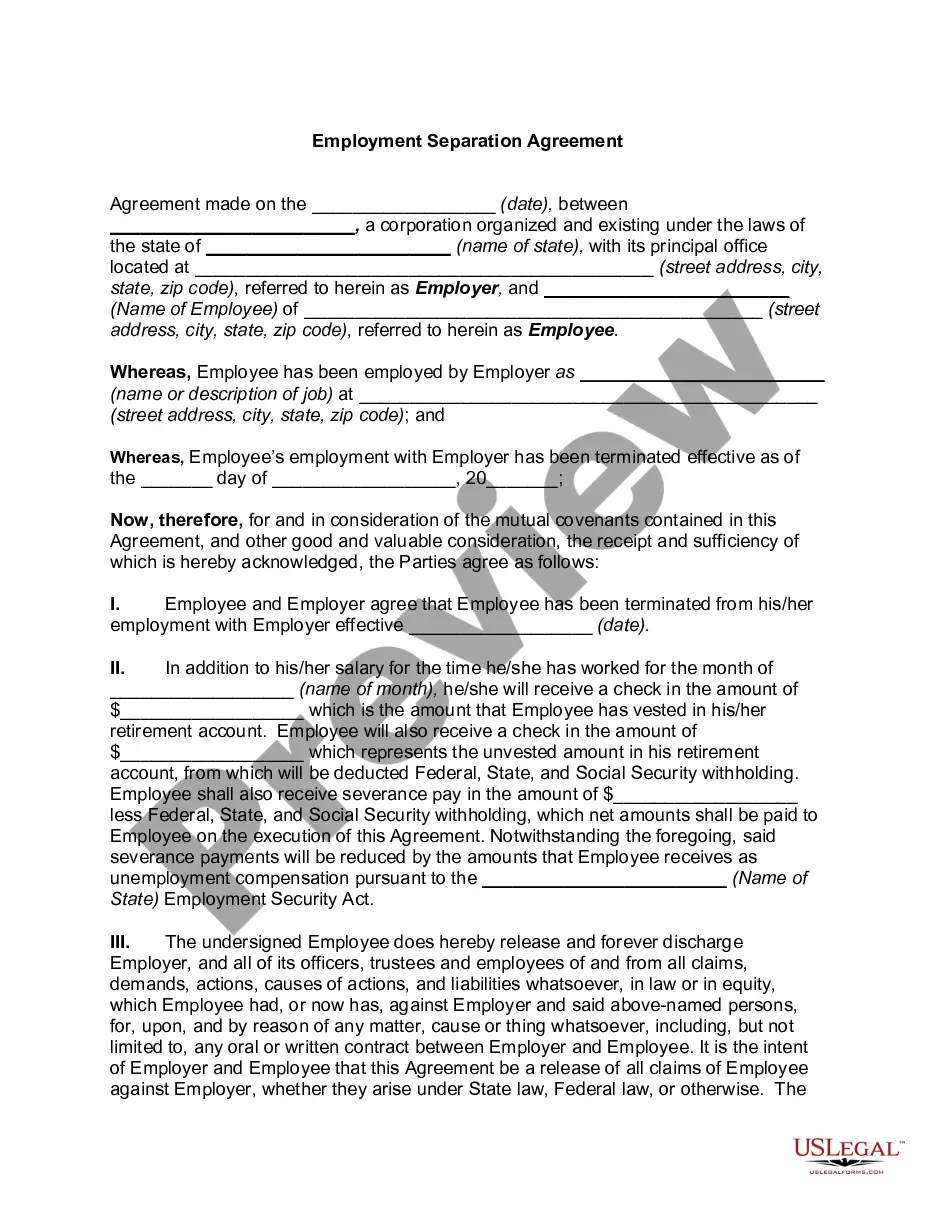
Injunctive Relief Agreement For Damages In Georgia
Description

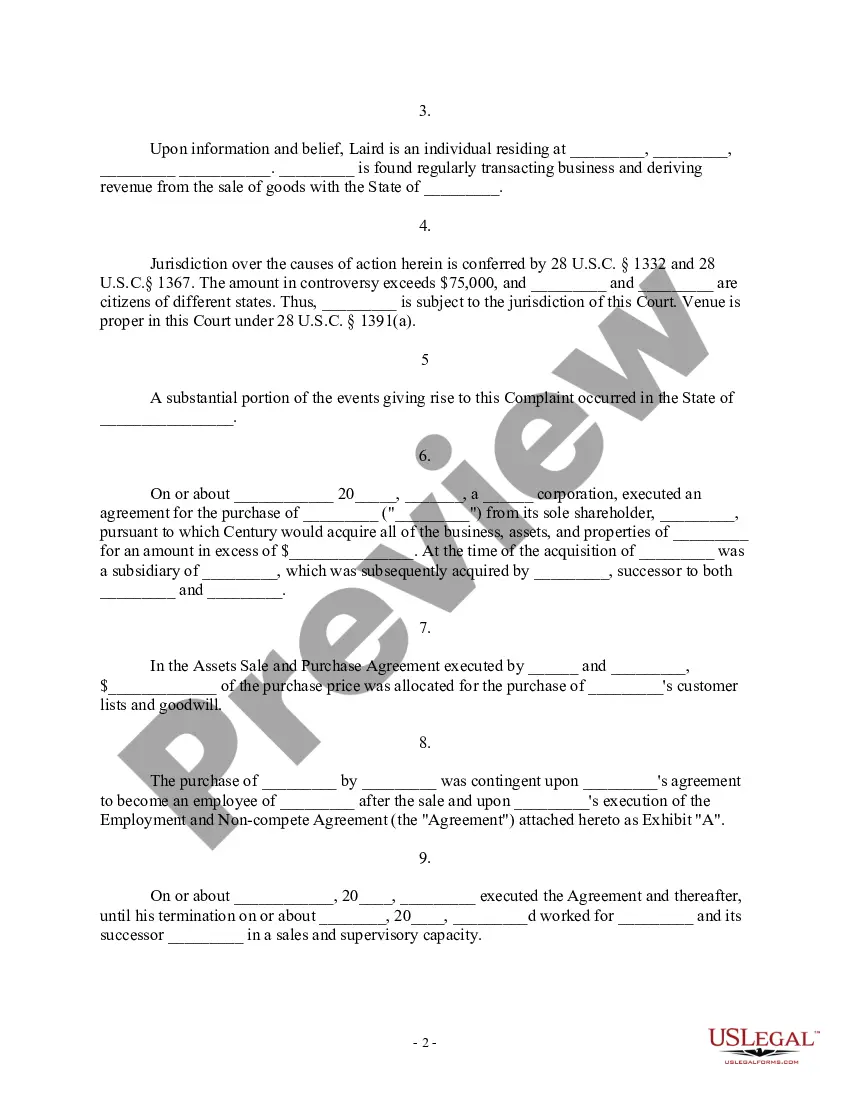
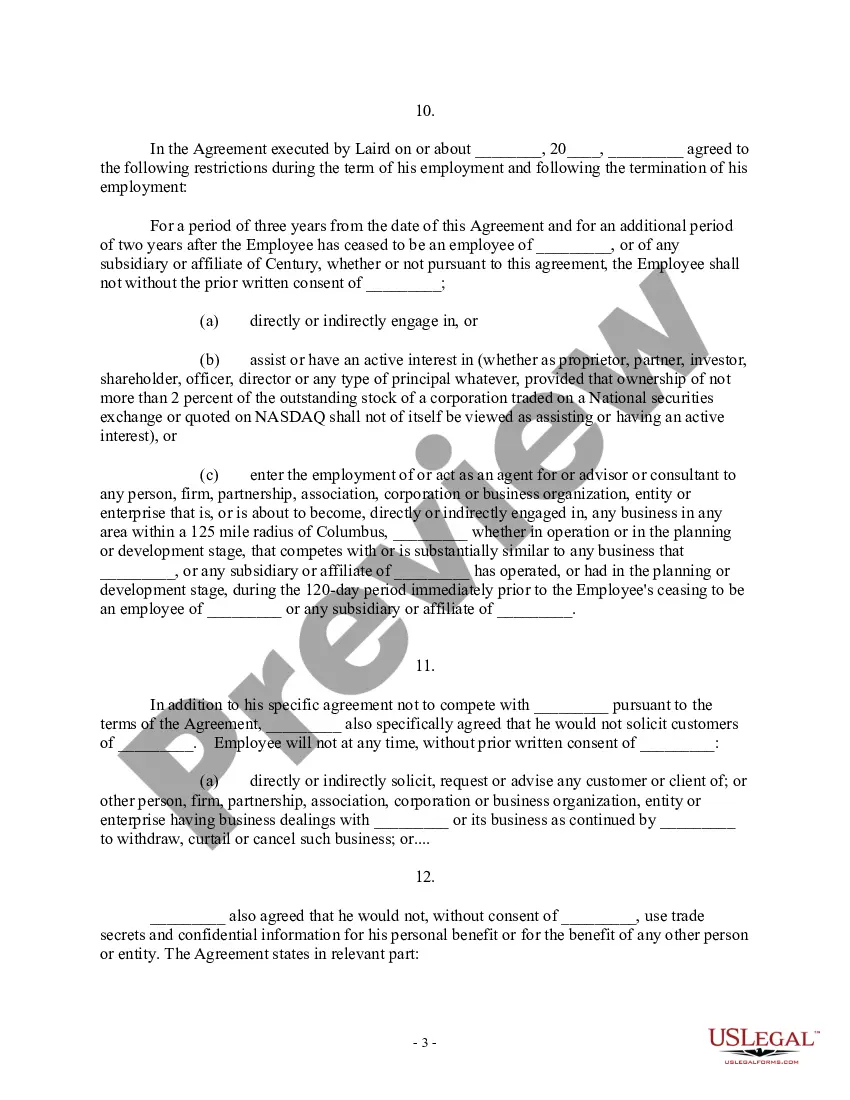
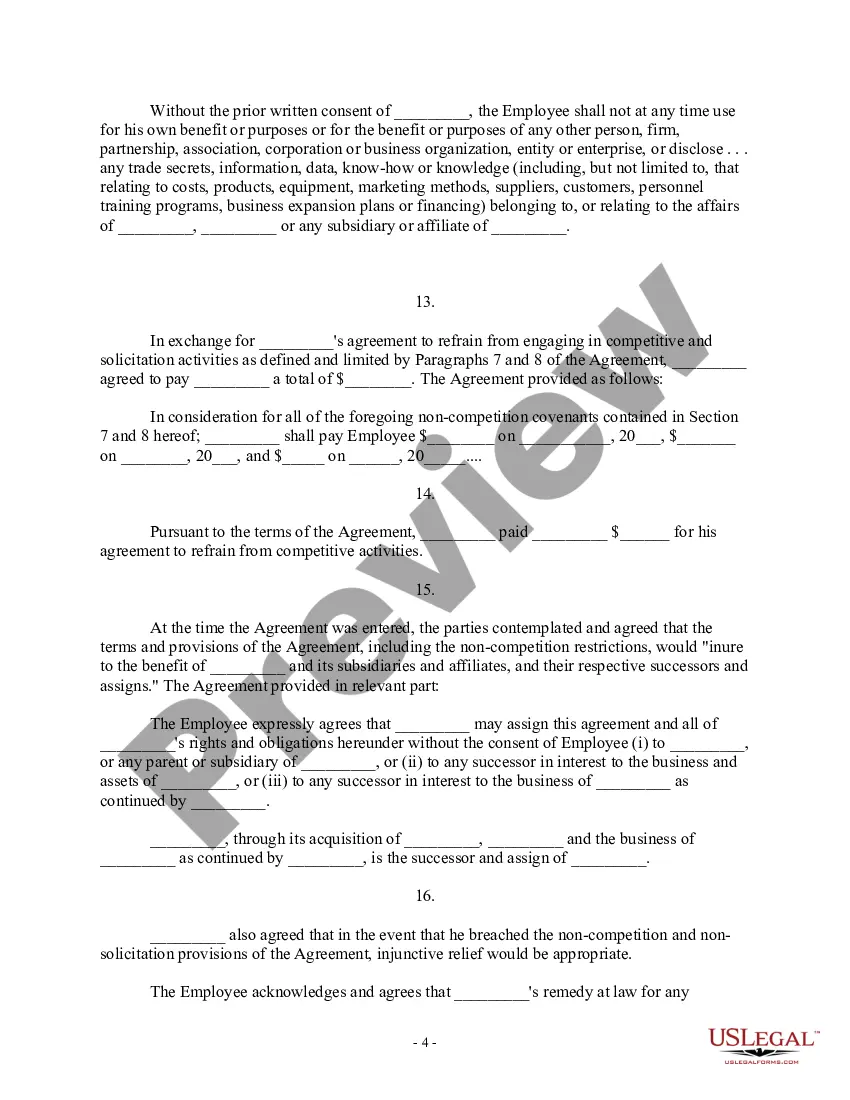
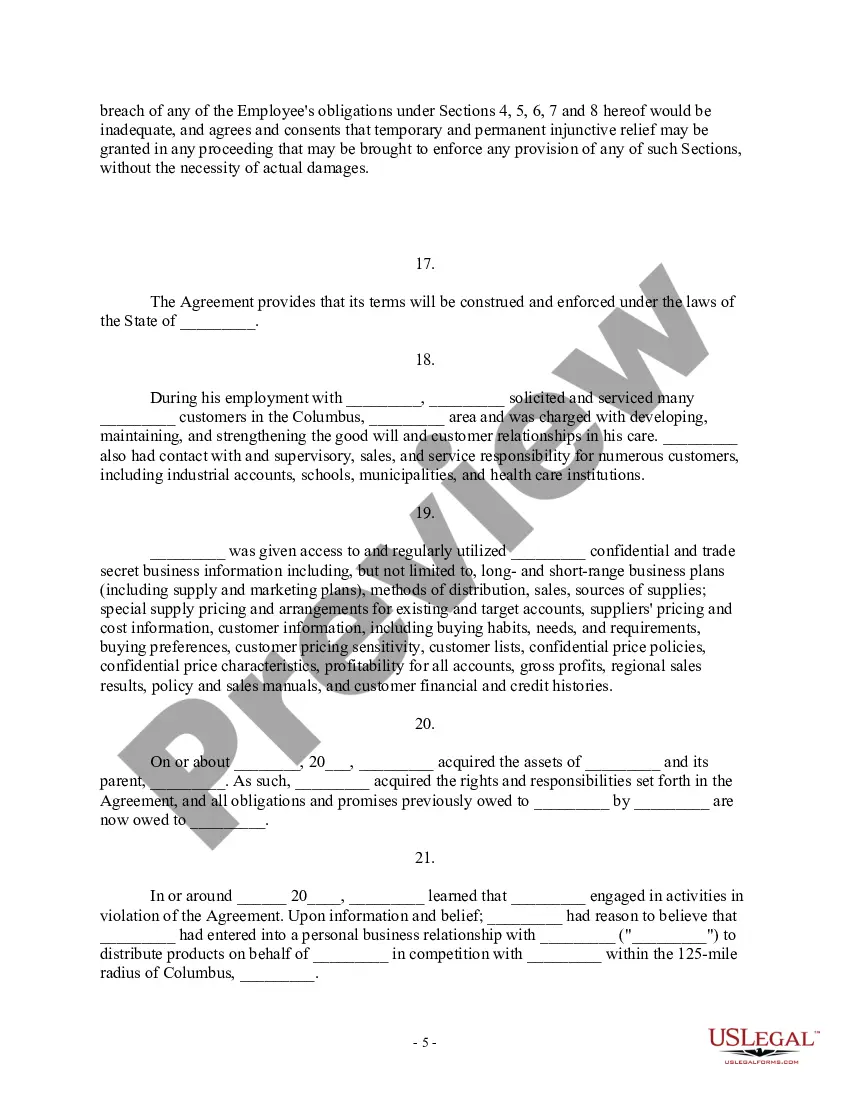
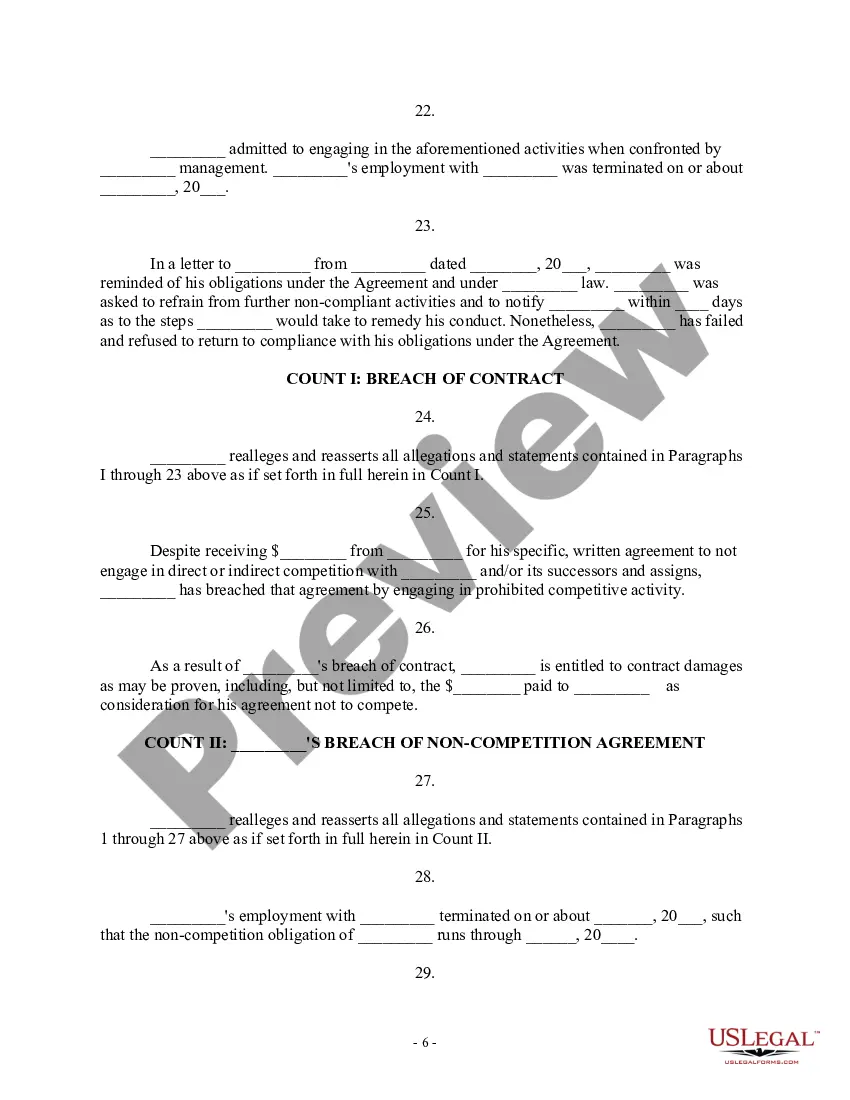
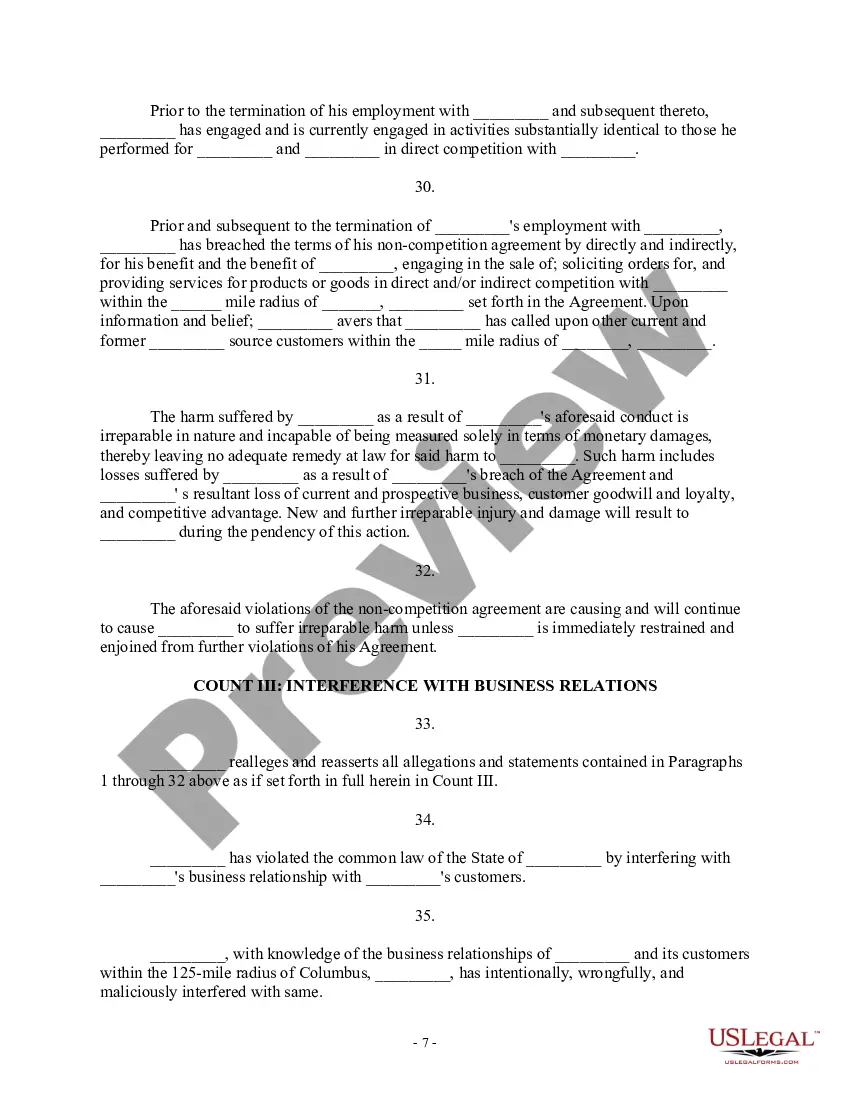
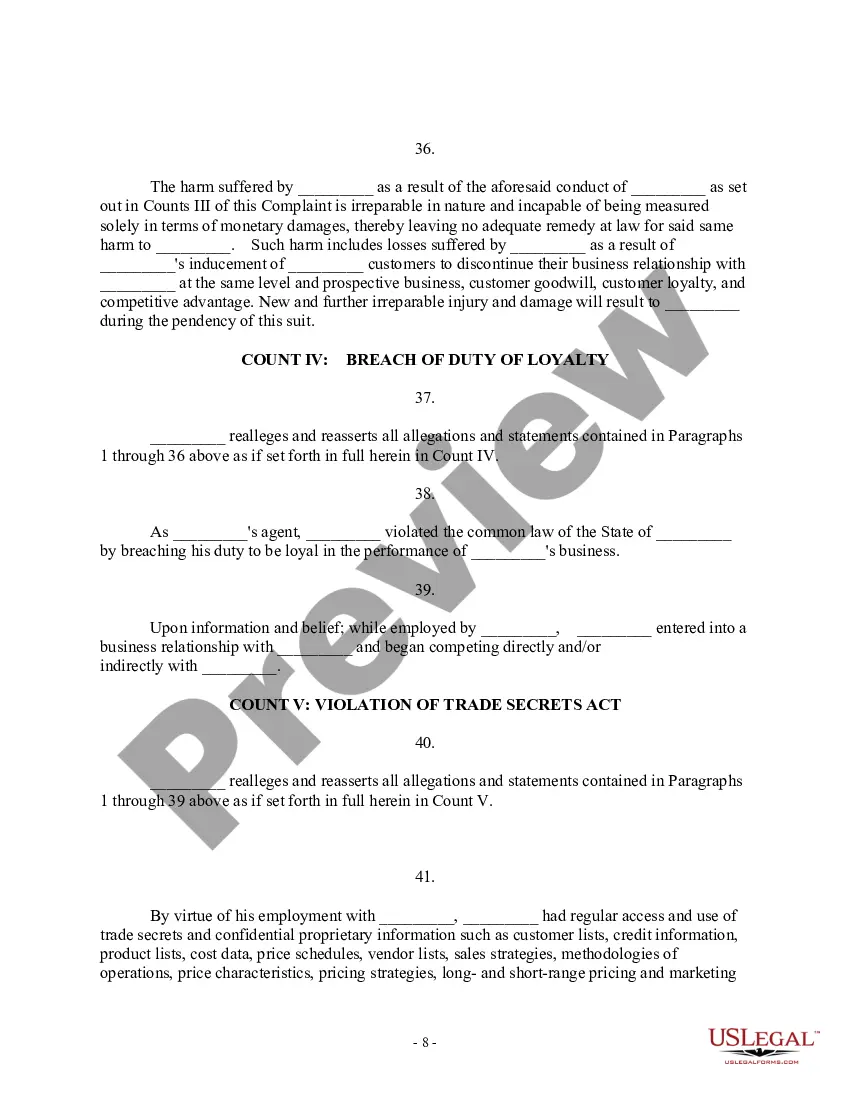
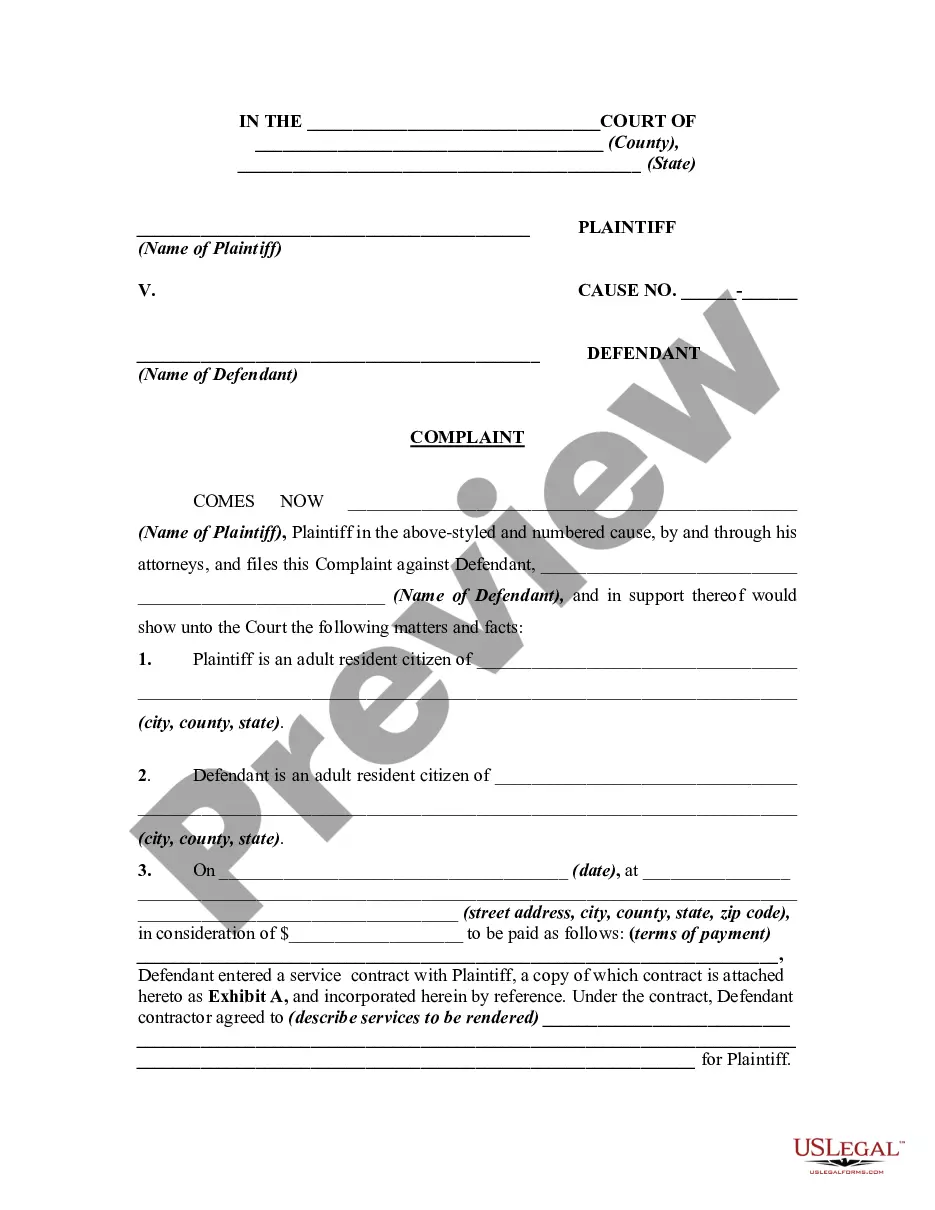


Get your form ready online
Our built-in tools help you complete, sign, share, and store your documents in one place.
Make edits, fill in missing information, and update formatting in US Legal Forms—just like you would in MS Word.
Download a copy, print it, send it by email, or mail it via USPS—whatever works best for your next step.
Sign and collect signatures with our SignNow integration. Send to multiple recipients, set reminders, and more. Go Premium to unlock E-Sign.
If this form requires notarization, complete it online through a secure video call—no need to meet a notary in person or wait for an appointment.
We protect your documents and personal data by following strict security and privacy standards.

Make edits, fill in missing information, and update formatting in US Legal Forms—just like you would in MS Word.

Download a copy, print it, send it by email, or mail it via USPS—whatever works best for your next step.

Sign and collect signatures with our SignNow integration. Send to multiple recipients, set reminders, and more. Go Premium to unlock E-Sign.

If this form requires notarization, complete it online through a secure video call—no need to meet a notary in person or wait for an appointment.

We protect your documents and personal data by following strict security and privacy standards.
Looking for another form?






Form popularity
FAQ
Although the test for obtaining a TRO or PI may vary slightly across jurisdictions, generally a plaintiff seeking preliminary injunctive relief must satisfy a four-factor test: (1) that he or she is likely to succeed on the merits of his claims; (2) that he or she is likely to suffer irreparable harm without ...
Injunction Examples 1) Infringement Of Intellectual Property. The infringement of intellectual property, even for a day, can be incredibly costly to the owner of the property. 2) Theft Of Clients. 3) Minority Shareholder Freezeouts. 4) Breaches Of Fiduciary Duties. 5) Breach of Contract. 6) Bankruptcy.
A prohibitory injunction is the most common form of injunction, and directs a party to refrain from acting in a certain manner. Examples of a prohibitory injunction are cease and desist orders such as an order stopping a bulldozer prior to the razing of an historic building.
Injunctive relief is a legal remedy that can be awarded by a court to prevent a party from taking certain actions or to require them to take certain actions. It is a form of equitable remedy that is used when monetary damages are not sufficient to remedy a breach of contract.
A temporary restraining order (TRO) is a common preliminary injunctive relief example. For instance, a court order placing the sale of a company on hold while a breach of fiduciary duty or a shareholder derivative lawsuit is ongoing.
Here are some of the most common examples: Theft of Clients: If a former employee poaches a company's clients, the innocent party may try to stop the former client from causing further damage. While the severity of this penalty depends on a few variables, a TRO can put client theft to a necessary stop.
Injunctive relief usually takes one of three forms: temporary restraining order (TRO), preliminary injunction, and permanent injunction.
The purpose of this form of relief is to prevent future wrong. Such orders, when issued before a judgement, are known as preliminary injunctions that can be punished as contempt if not obeyed. Due to its coercive force, a grant of injunctive relief is subject to immediate review by an appellate court.
In many cases, a contract will include an injunctive relief clause stating that one or both parties are entitled to relief to prevent them from suffering harm due to a breach of contract.
Injunctive relief usually takes one of three forms: temporary restraining order (TRO), preliminary injunction, and permanent injunction. As their modifying terms imply, each has a different level of the time commitment involved.
