Injunctive Relief Agreement For Breach In Georgia
Description





Get your form ready online
Our built-in tools help you complete, sign, share, and store your documents in one place.
Make edits, fill in missing information, and update formatting in US Legal Forms—just like you would in MS Word.
Download a copy, print it, send it by email, or mail it via USPS—whatever works best for your next step.
Sign and collect signatures with our SignNow integration. Send to multiple recipients, set reminders, and more. Go Premium to unlock E-Sign.
If this form requires notarization, complete it online through a secure video call—no need to meet a notary in person or wait for an appointment.
We protect your documents and personal data by following strict security and privacy standards.

Make edits, fill in missing information, and update formatting in US Legal Forms—just like you would in MS Word.

Download a copy, print it, send it by email, or mail it via USPS—whatever works best for your next step.

Sign and collect signatures with our SignNow integration. Send to multiple recipients, set reminders, and more. Go Premium to unlock E-Sign.

If this form requires notarization, complete it online through a secure video call—no need to meet a notary in person or wait for an appointment.

We protect your documents and personal data by following strict security and privacy standards.
Looking for another form?



Form popularity
FAQ
Fraud or Misrepresentation: If the non-breaching party misled or misrepresented information during contract negotiation, the breaching party might use this as a defense. Duress or Coercion: If one party was forced or coerced into signing the contract against their will, they might argue that the contract is not valid.
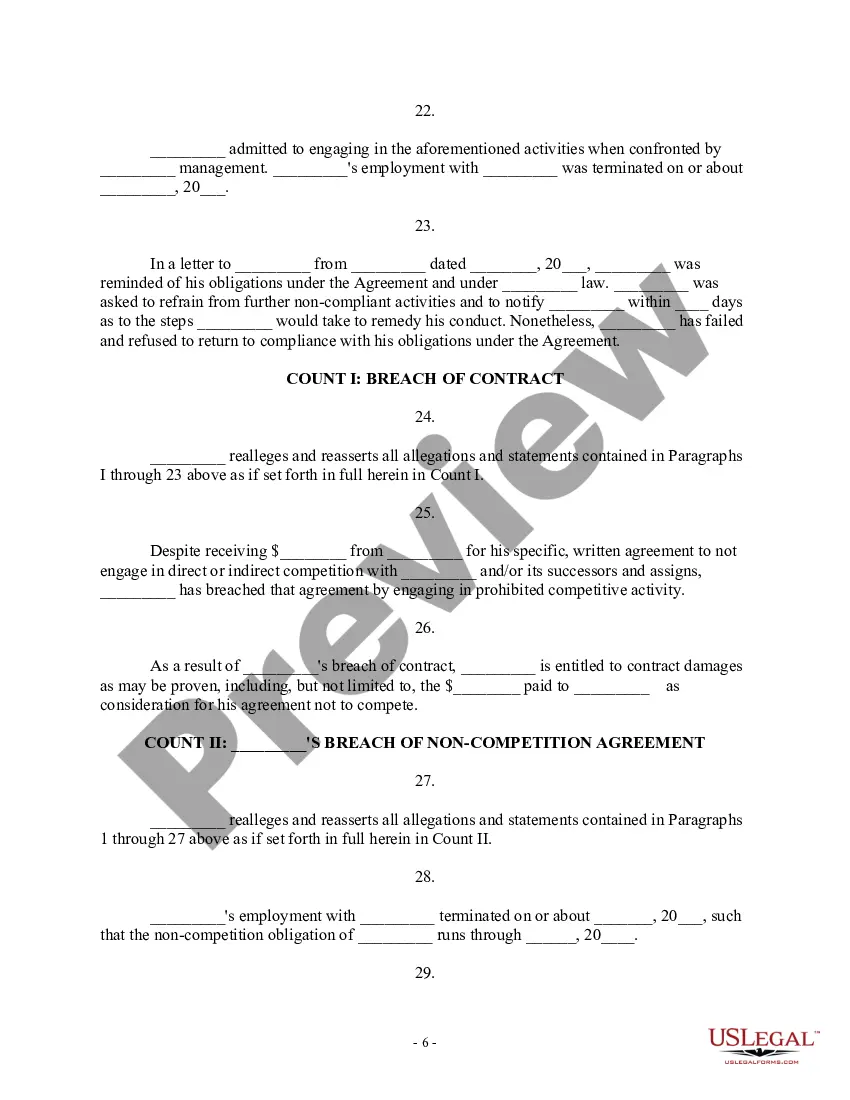
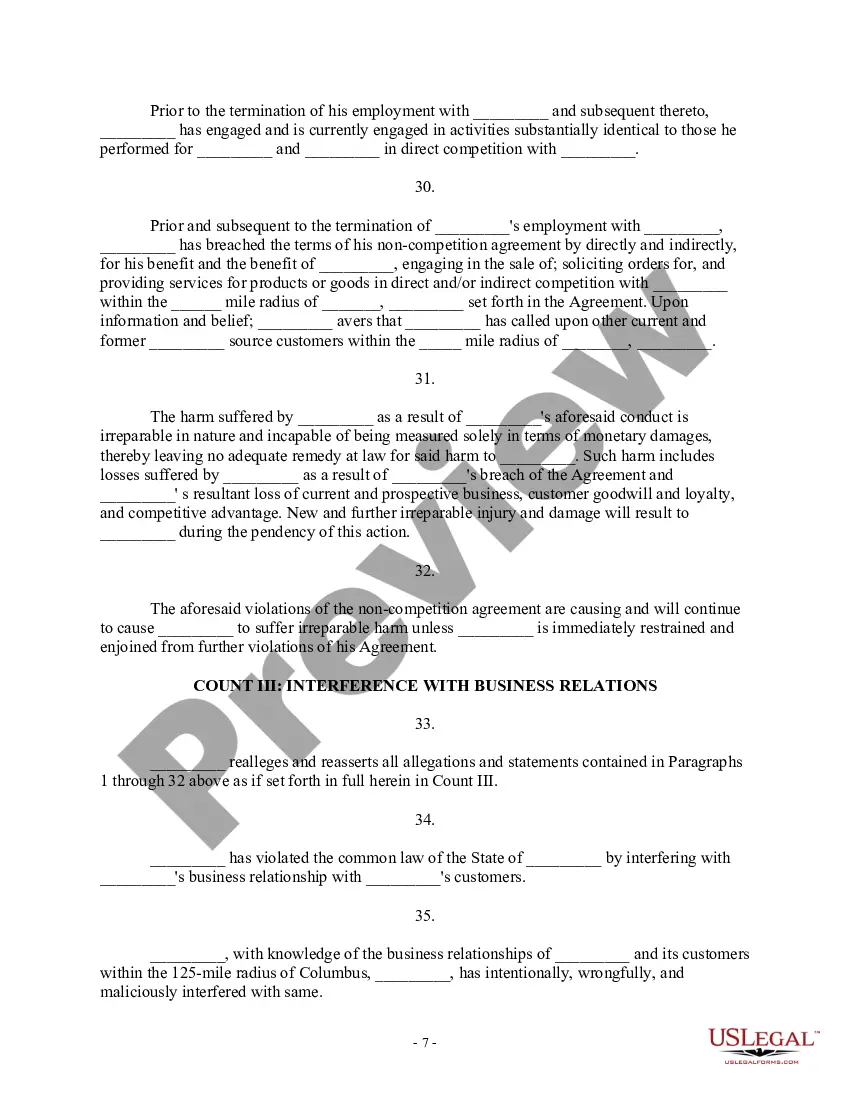
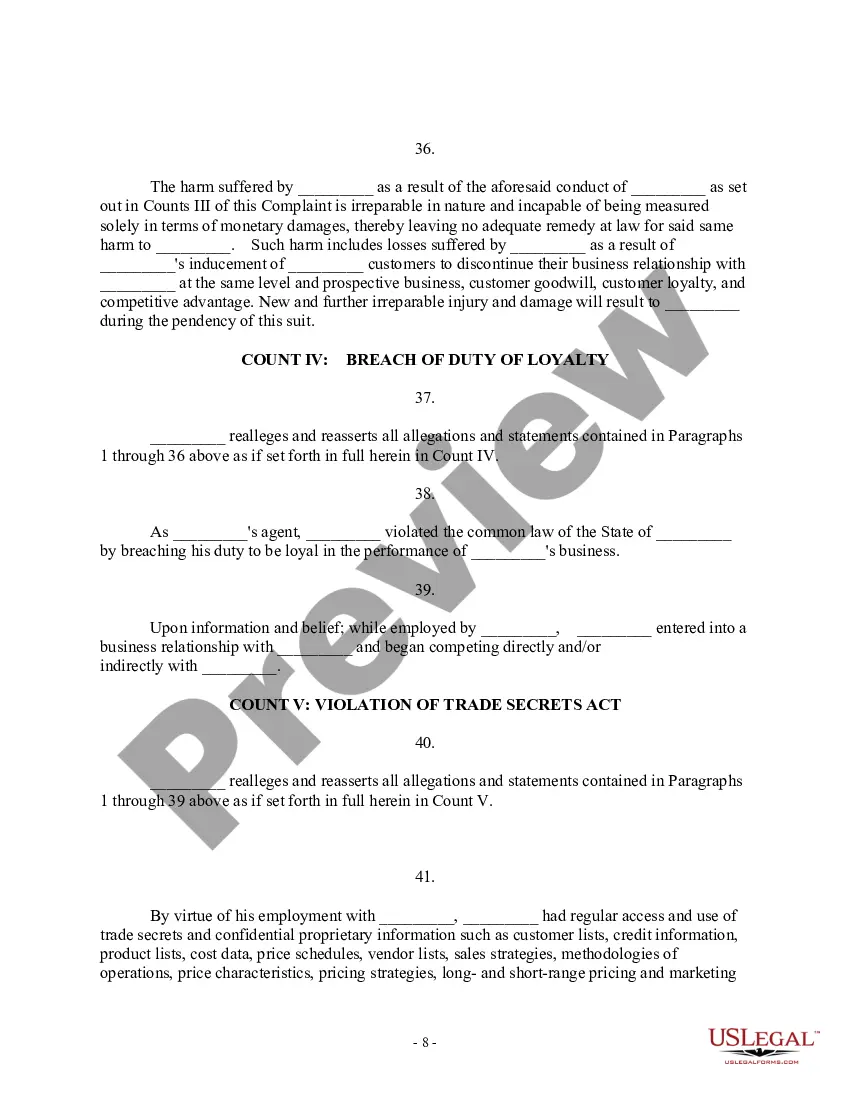
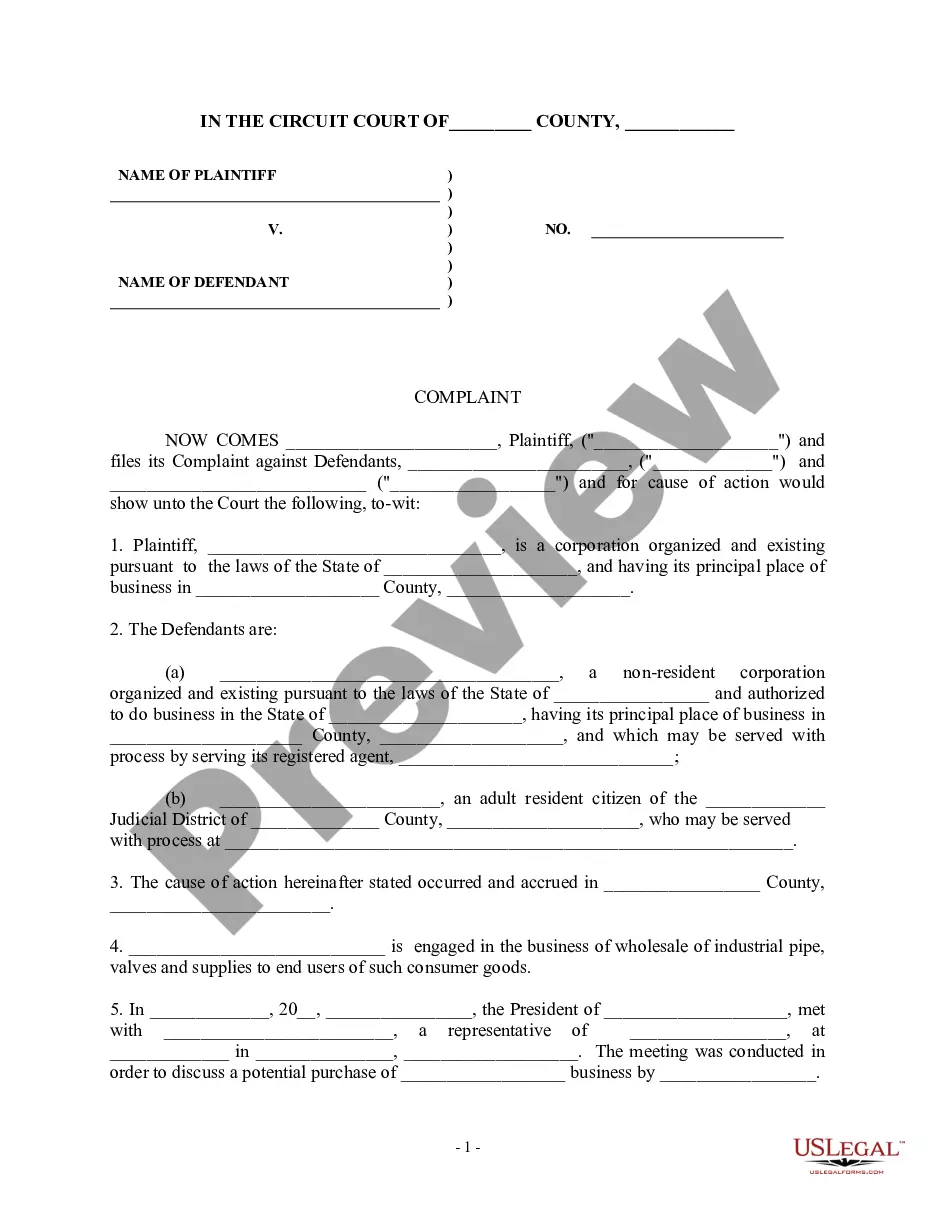
Injunctive relief is a legal remedy that can be awarded by a court to prevent a party from taking certain actions or to require them to take certain actions. It is a form of equitable remedy that is used when monetary damages are not sufficient to remedy a breach of contract.
§ 9-15-14(b) authorizes an award of attorney fees when, among other things, a party “unnecessarily expanded the proceedings through improper conduct or acted to cause delay.” And an award of damages under this code section is “intended not only to sanction or deter litigation abuses but also to recompense litigants who ...
Possessing a Firearm While on Probation in Georgia § 16-11-131(b). Anyone who violates this statute will have committed a felony punishable by a prison term between one and ten years. A second or subsequent conviction will result in a prison term between five and ten years.
Georgia Code Title 13. Contracts § 13-6-2. Damages recoverable for a breach of contract are such as arise naturally and ing to the usual course of things from such breach and such as the parties contemplated, when the contract was made, as the probable result of its breach.
Every order granting an injunction and every restraining order shall be specific in terms; shall describe in reasonable detail, and not by reference to the complaint or other document, the act or acts sought to be restrained; and is binding only upon the parties to the action, their officers, agents, servants, ...
There are essentially two conditions requested for mandatory injunctions: (a) the defendant must be obliged to perform an act and any such breach of the obliged act must be claimed by the plaintiff; (b) the reliefs, as asked for, must be enforceable by the court.
These courts consider: (1) the likelihood of success on the merits; (2) irreparable harm if the injunction is not granted; (3) whether a balancing of the relevant equities favors the injunction; and (4) whether the issuance of the injunction is in the public interest.
Injunctive relief usually takes one of three forms: temporary restraining order (TRO), preliminary injunction, and permanent injunction. As their modifying terms imply, each has a different level of the time commitment involved.
Once the plaintiff proves that a valid contract existed, they must show that they upheld their part. After that, the plaintiff must show that the defendant did not fulfill their obligations. And finally there must be evidence of actual damages that the plaintiff suffered as a result.
