Bbbdownload Complaint Form For Employees In Fulton
Description

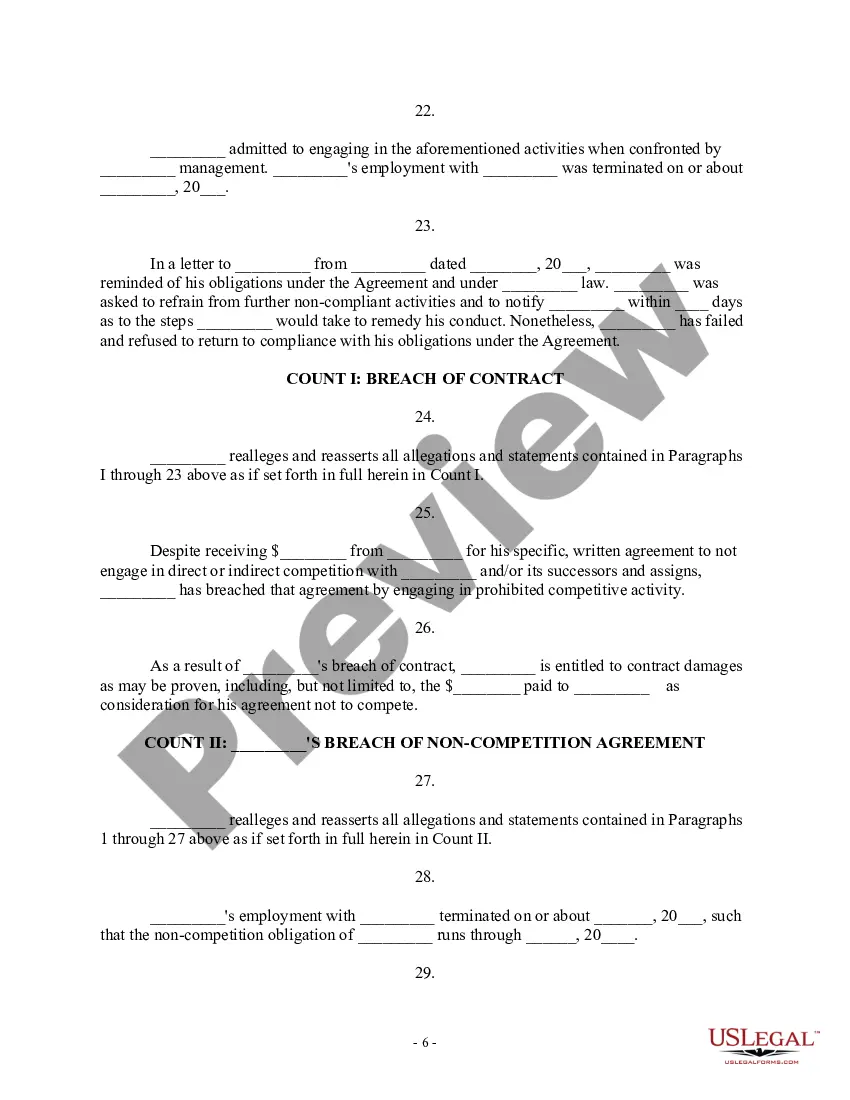
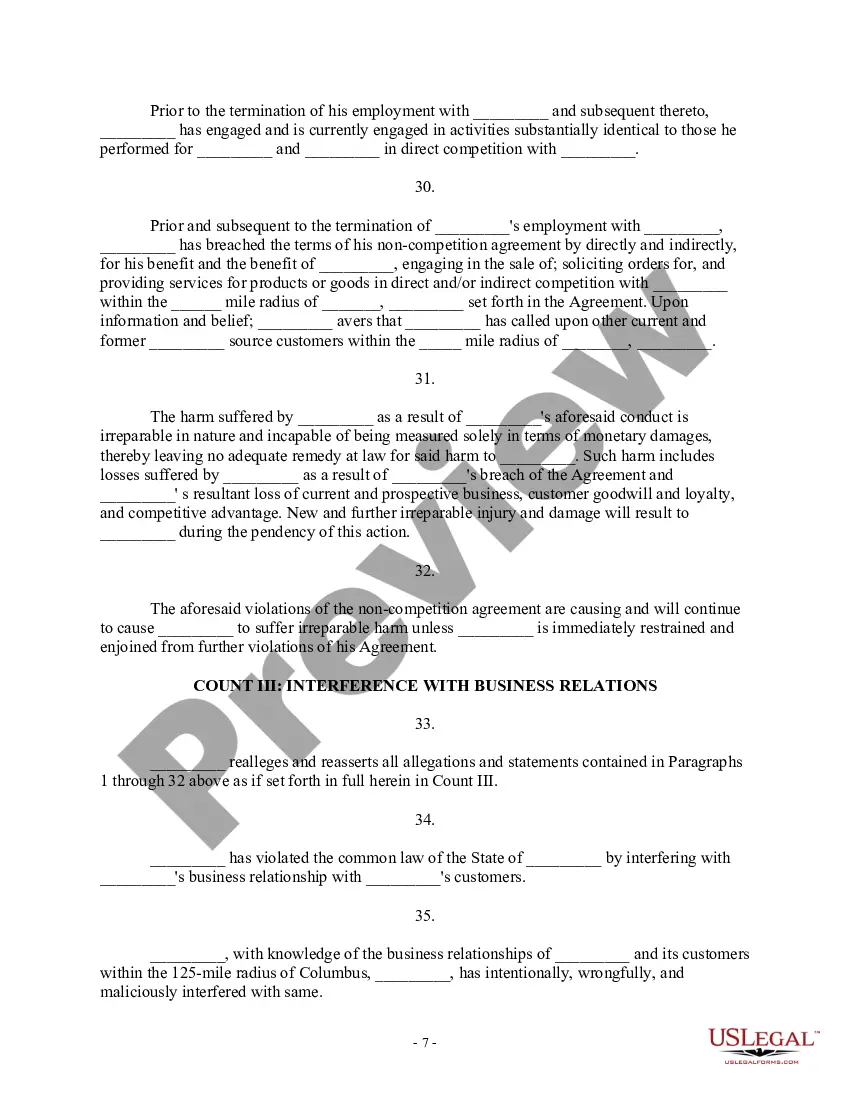
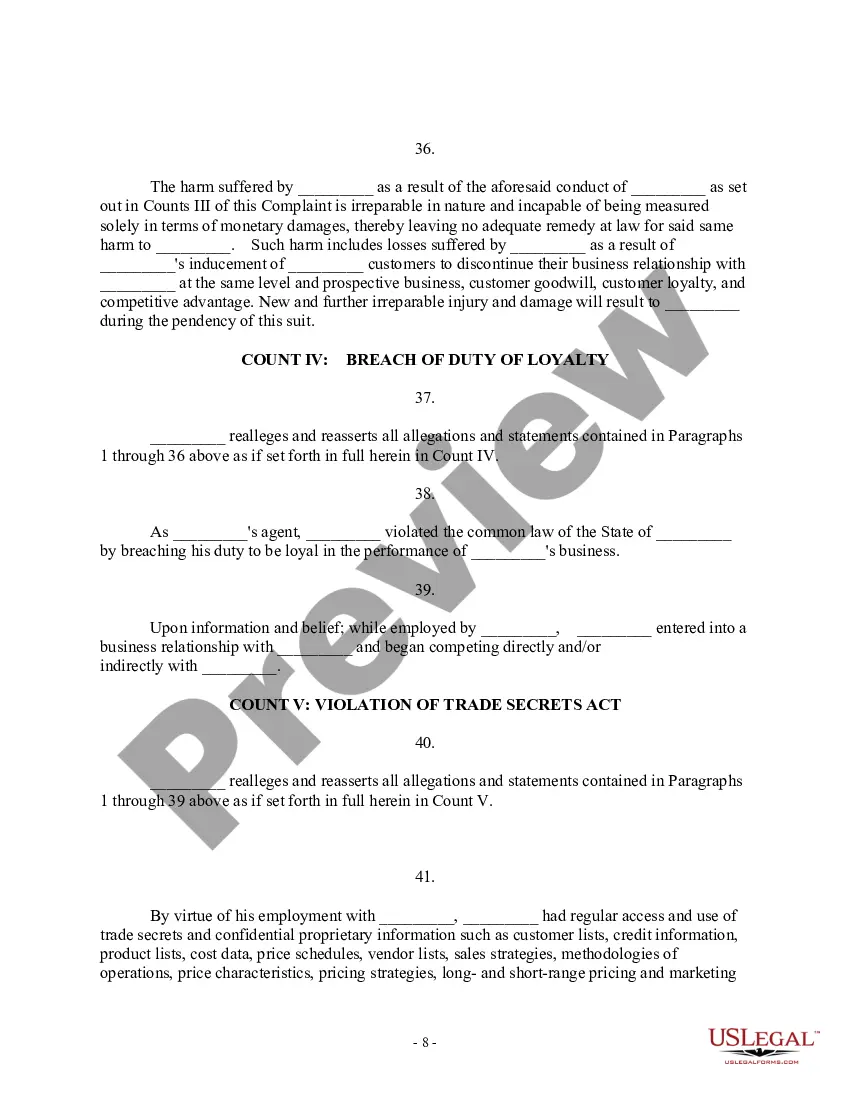
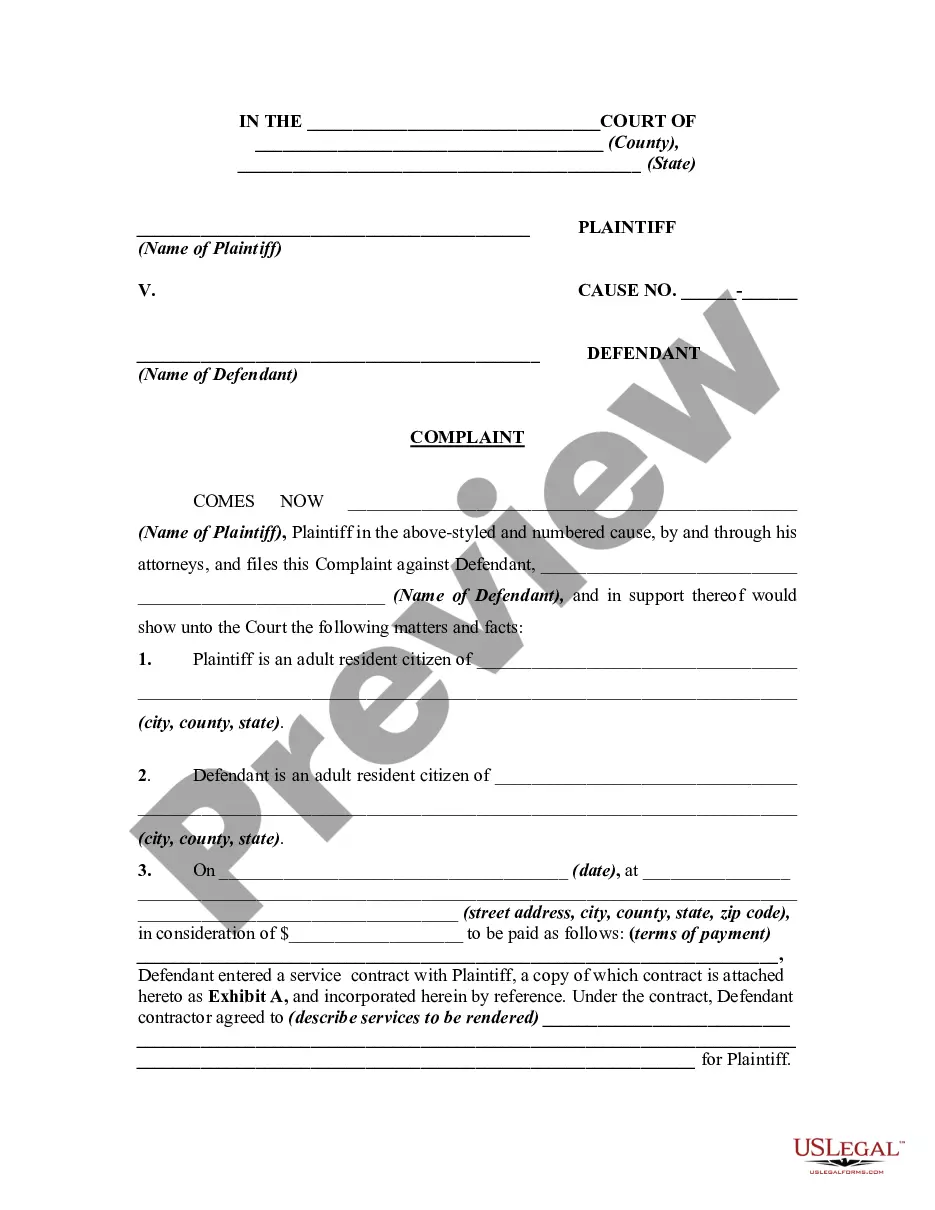
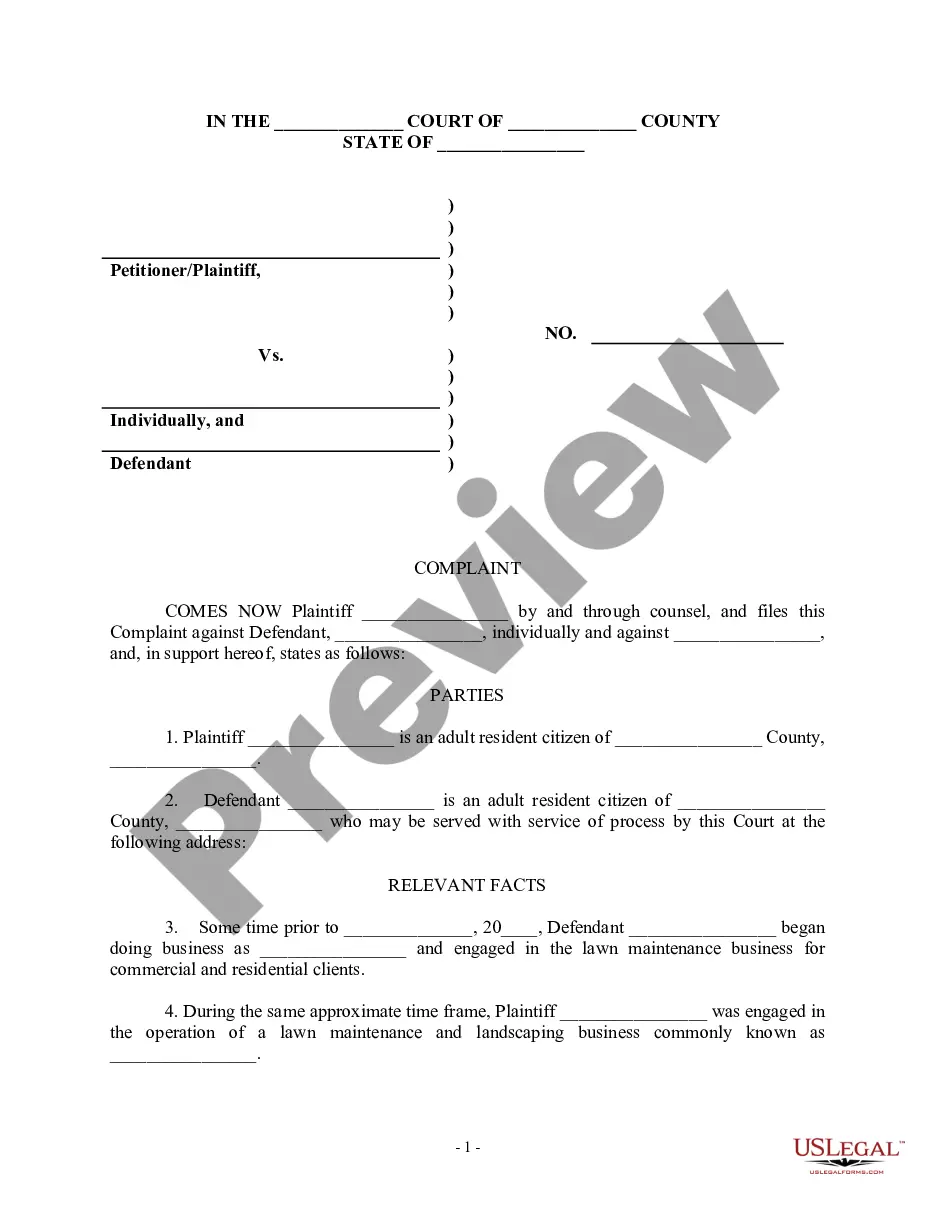
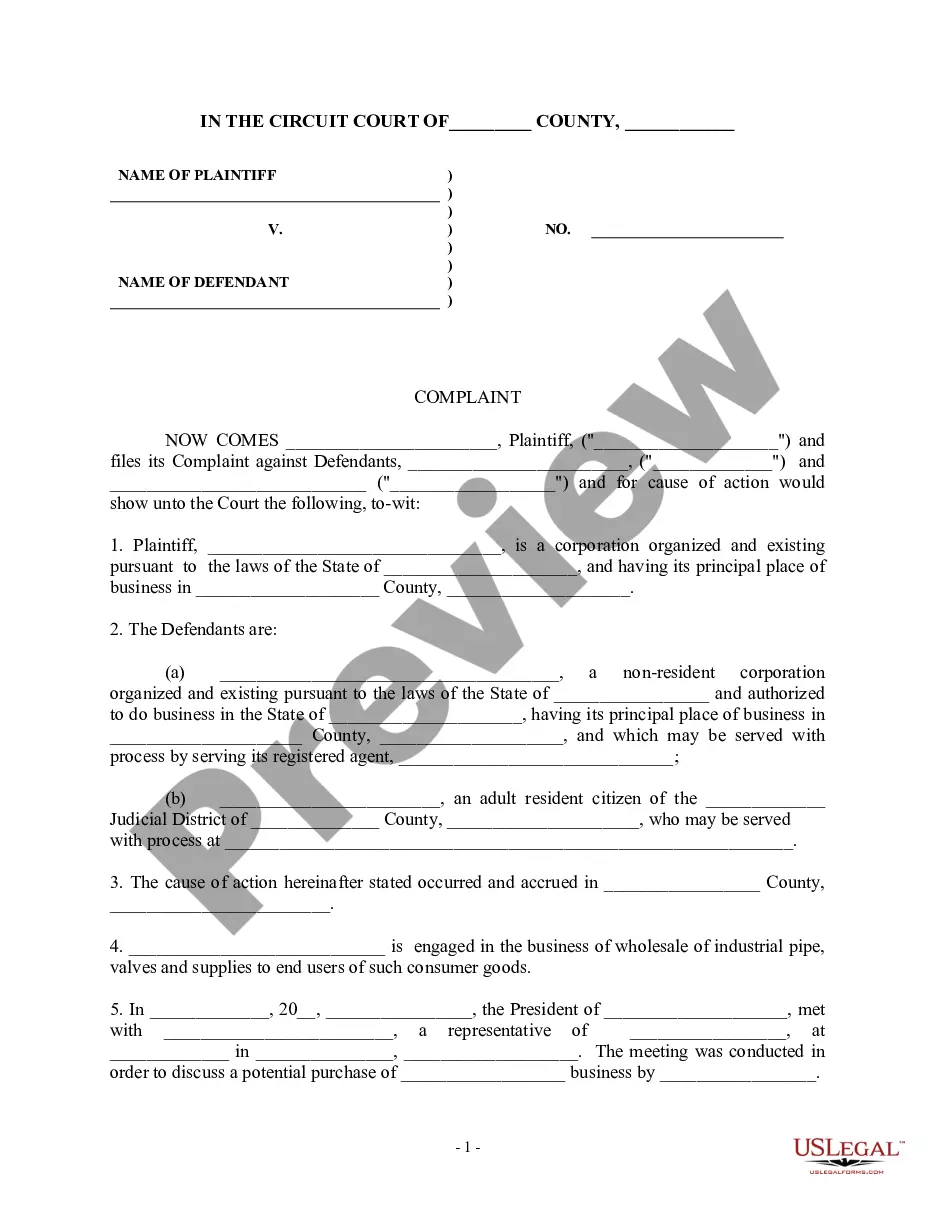

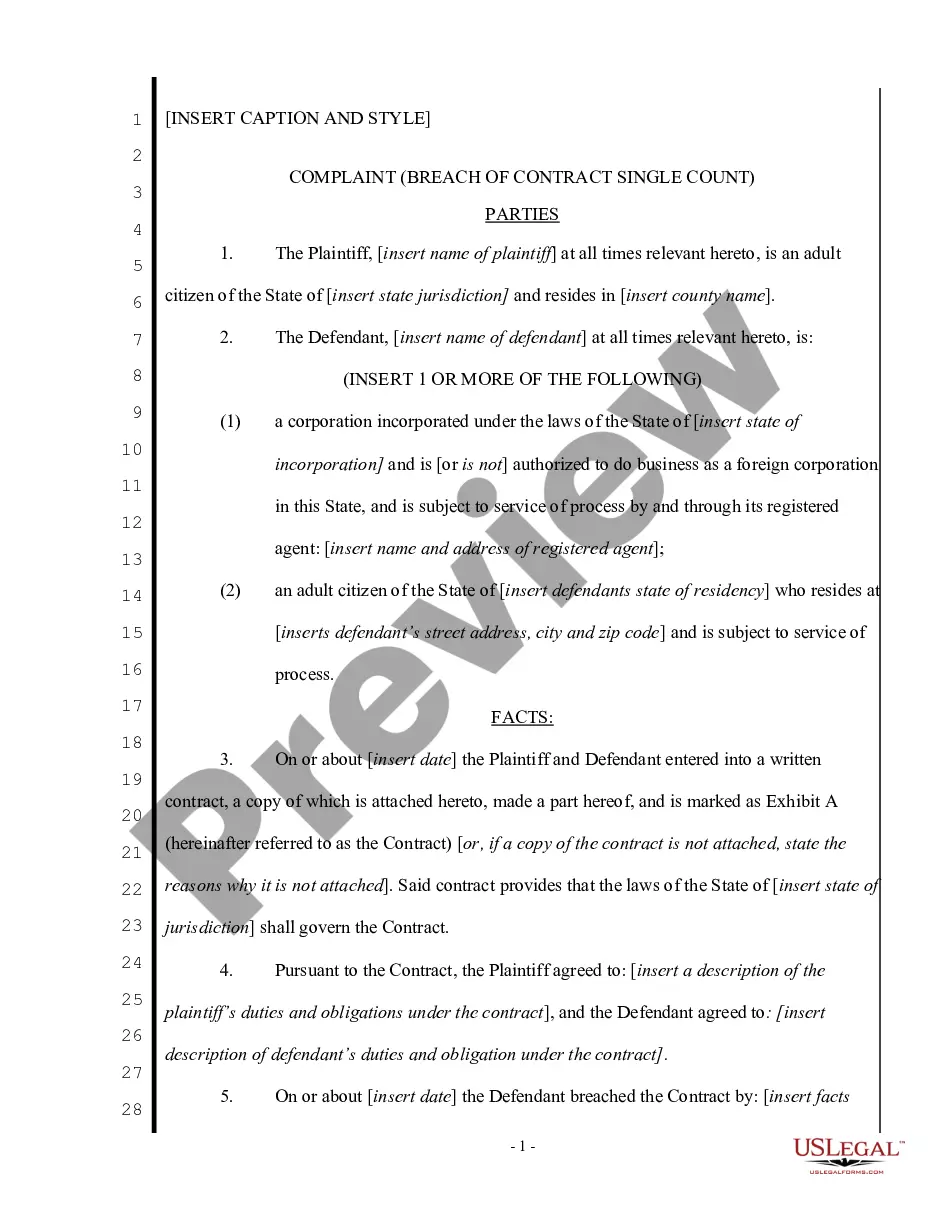
Get your form ready online
Our built-in tools help you complete, sign, share, and store your documents in one place.
Make edits, fill in missing information, and update formatting in US Legal Forms—just like you would in MS Word.
Download a copy, print it, send it by email, or mail it via USPS—whatever works best for your next step.
Sign and collect signatures with our SignNow integration. Send to multiple recipients, set reminders, and more. Go Premium to unlock E-Sign.
If this form requires notarization, complete it online through a secure video call—no need to meet a notary in person or wait for an appointment.
We protect your documents and personal data by following strict security and privacy standards.

Make edits, fill in missing information, and update formatting in US Legal Forms—just like you would in MS Word.

Download a copy, print it, send it by email, or mail it via USPS—whatever works best for your next step.

Sign and collect signatures with our SignNow integration. Send to multiple recipients, set reminders, and more. Go Premium to unlock E-Sign.

If this form requires notarization, complete it online through a secure video call—no need to meet a notary in person or wait for an appointment.

We protect your documents and personal data by following strict security and privacy standards.
Looking for another form?







Form popularity
FAQ
EEO Counselor If you do not settle the dispute during counseling or through ADR, you can file a formal discrimination complaint against the agency with the agency's EEO Office. You must file within 15 days from the day you receive notice from your EEO Counselor about how to file.
Lack of candor or providing false information. Providing false information on official documents, during investigations, or in other capacities is a kind of misconduct. Examples include falsifying time cards, lying about your credentials, or failing to discuss what you know during an internal investigation.
Complaints alleging prohibited personnel practices should be directed to the Office of Special Counsel (OSC). OSC receives, investigates, and prosecutes allegations of prohibited personnel practices. Information can be found at .
Office of the Inspector General | Office of Personnel Management.
Complaints alleging prohibited personnel practices should be directed to the Office of Special Counsel (OSC). OSC receives, investigates, and prosecutes allegations of prohibited personnel practices. Information can be found at .
File a complaint with your local consumer protection office or the state agency that regulates the company. Notify the Better Business Bureau (BBB) in your area about your problem. The BBB tries to resolve your complaints against companies.
How to Write a Complaint Letter? Start with a Professional Salutation. Provide a Clear and Concise Opening. Describe the Problem. Include Supporting Evidence. State Your Desired Resolution. Express Your Expectations. Maintain a Professional Tone. Proofread and Revise.
Tips for writing a successful complaint letter Structure. Address the letter to a real person. Be honest and straightforward. Maintain a firm but respectful tone, and avoid aggressive, accusing language. Include your contact information. Tell them what you want. Do not threaten action. Keep copies and records.
Basic rules keep your letter to the point. You need to give enough detail for your employer to be able to investigate your complaint properly. keep to the facts. never use abusive or offensive language. explain how you felt about the behaviour you are complaining about but don't use emotive language.
Employee Complaint Letter Identify exactly the kind of workplace harassment that took place. Write down the details about the harassment. Introduce yourself and your purpose. Present the facts of the harassment. Explain in great detail how you responded. Proffer a solution to the issue. Avoid using offensive language.
