Injunctive Relief Without Bond In Dallas
Description


Get your form ready online
Our built-in tools help you complete, sign, share, and store your documents in one place.
Make edits, fill in missing information, and update formatting in US Legal Forms—just like you would in MS Word.
Download a copy, print it, send it by email, or mail it via USPS—whatever works best for your next step.
Sign and collect signatures with our SignNow integration. Send to multiple recipients, set reminders, and more. Go Premium to unlock E-Sign.
If this form requires notarization, complete it online through a secure video call—no need to meet a notary in person or wait for an appointment.
We protect your documents and personal data by following strict security and privacy standards.

Make edits, fill in missing information, and update formatting in US Legal Forms—just like you would in MS Word.

Download a copy, print it, send it by email, or mail it via USPS—whatever works best for your next step.

Sign and collect signatures with our SignNow integration. Send to multiple recipients, set reminders, and more. Go Premium to unlock E-Sign.

If this form requires notarization, complete it online through a secure video call—no need to meet a notary in person or wait for an appointment.

We protect your documents and personal data by following strict security and privacy standards.
Looking for another form?







Form popularity
FAQ
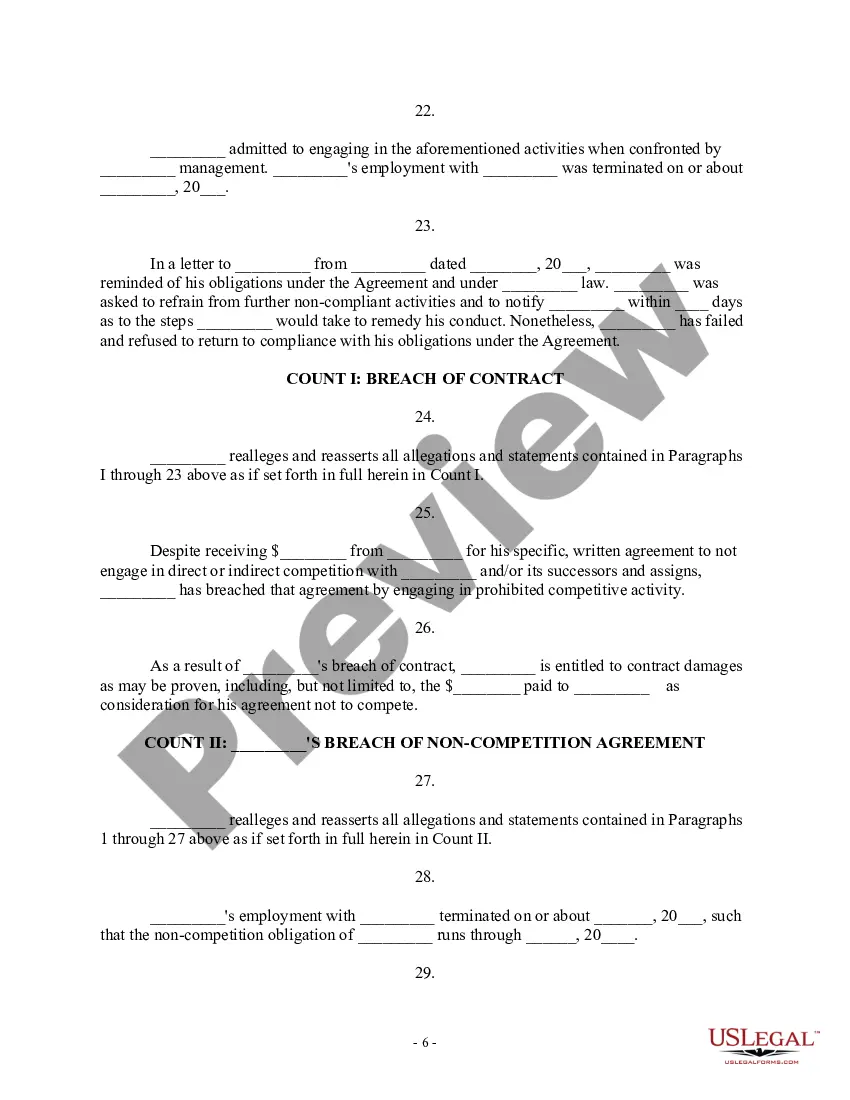
Permanent Injunctions In order to obtain a Permanent Injunction, a hearing is required with both Parties present. The Court must find that the injunction is in the Best Interest of the Child or that significant harm could exist in the absence of the injunction.
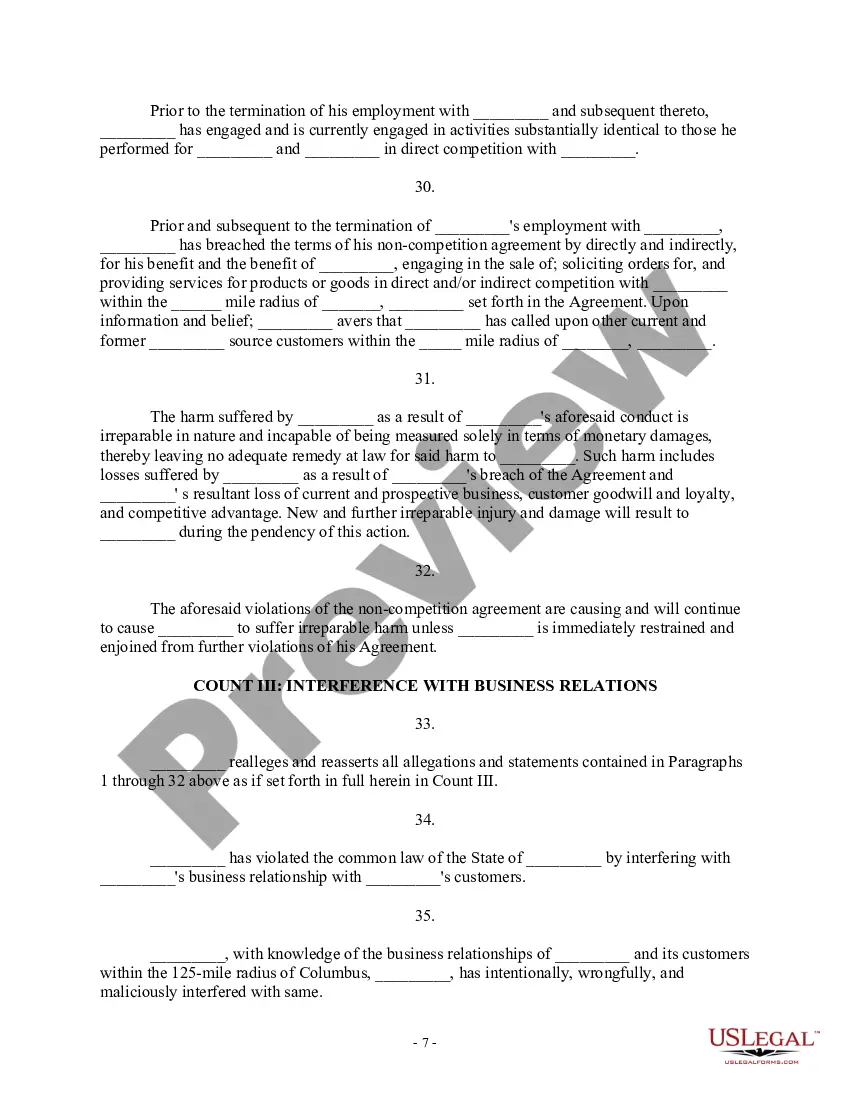
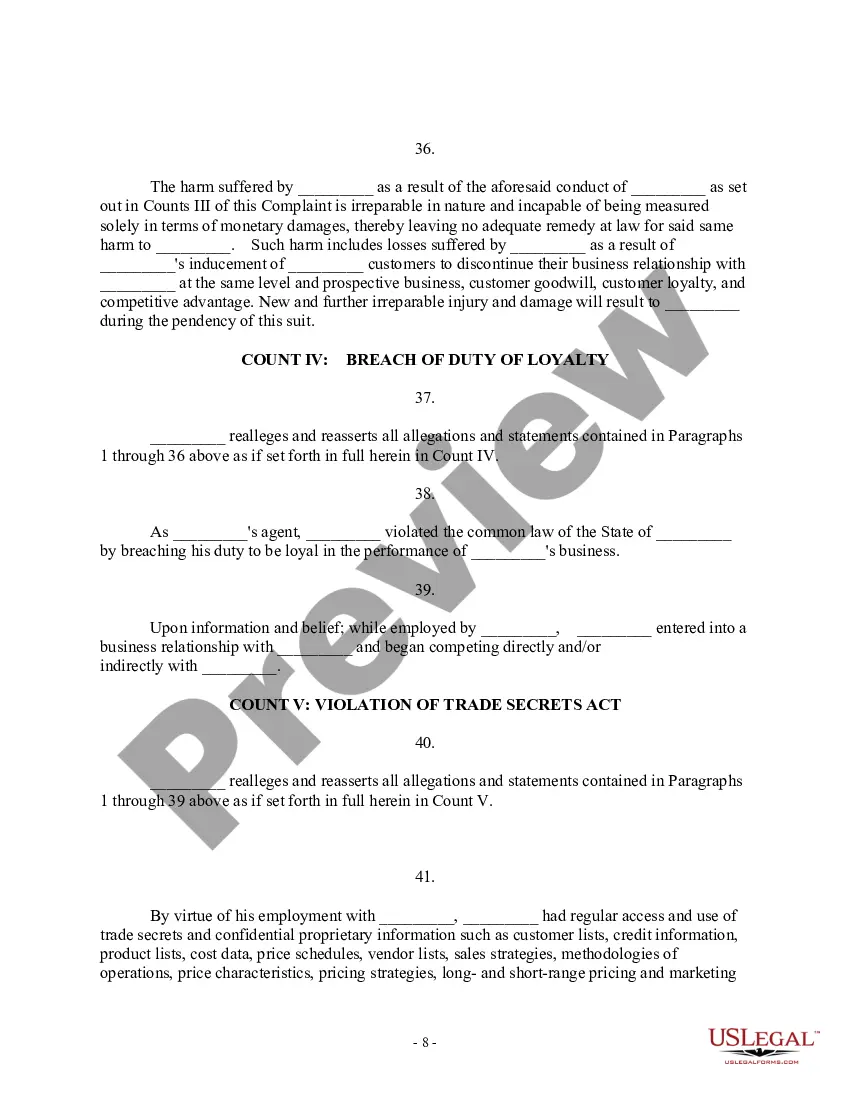
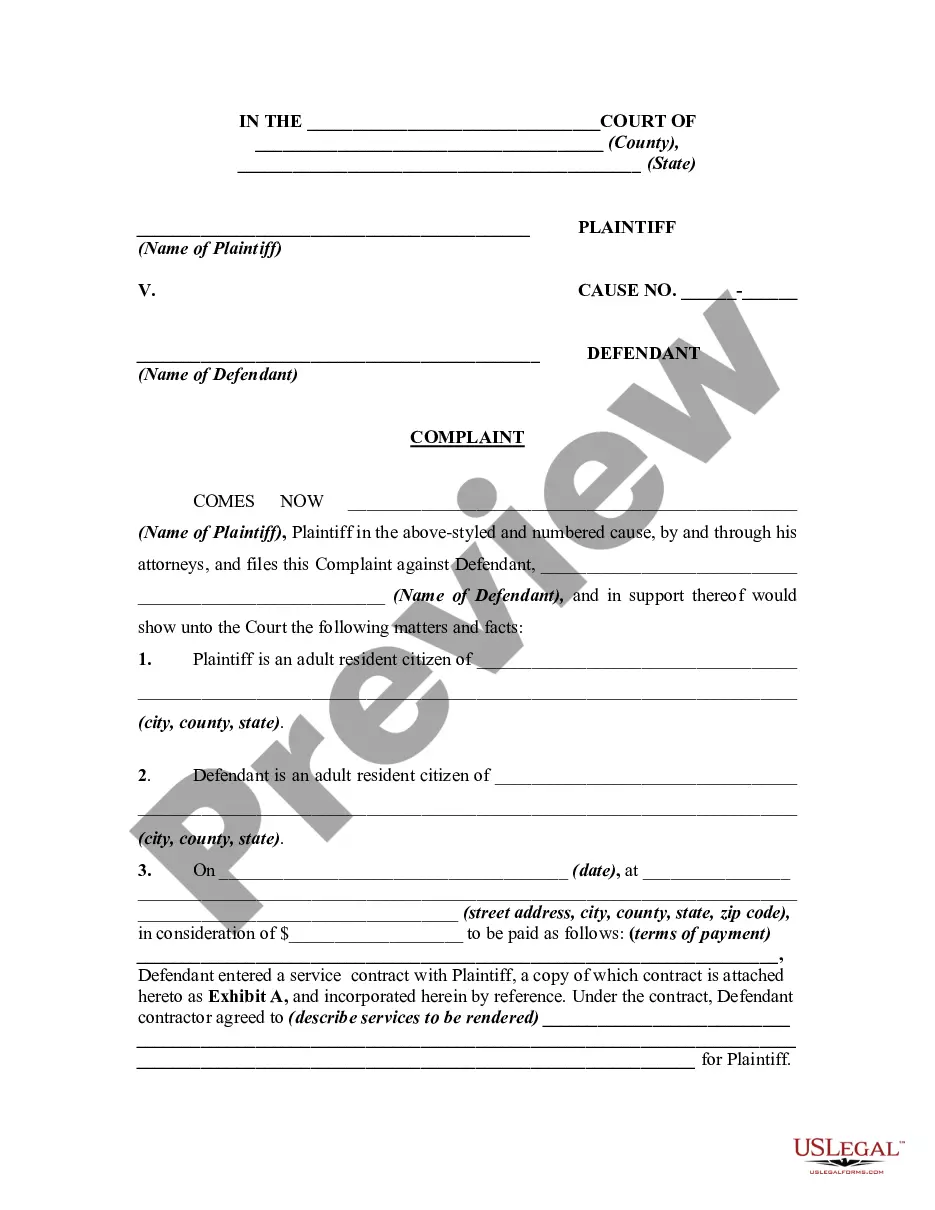
To be entitled to a temporary injunction, the applicant must plead a cause of action and show a probable right to recover on that cause of action and a probable, imminent, and irreparable injury in the interim. “Imminent” means that the injury is relatively certain to occur rather than being remote and speculative.
The special exceptions must be in writing and must state the legal grounds for the challenge to the sufficiency of the plaintiff's pleading. The defendant must serve the special exceptions on the plaintiff or their attorney, along with a notice of hearing setting a date for a hearing on the special exceptions.
Every order granting an injunction and every restraining order shall set forth the reasons for its issuance; shall be specific in terms; shall describe in reasonable detail and not by reference to the complaint or other document, the act or acts sought to be restrained; and is binding only upon the parties to the ...
(No. 118) Question: Rule 107 provides that no default judgment shall be granted in any cause until the citation with the officer's return thereon shall have been on file with the clerk of the court ten days before the default judgment is taken.
Texas Rule of Civil Procedure 683 requires that every temporary injunction order shall include an order setting the matter or trial on the merits. The court held that requirement was mandatory, and any order that omitted that requirement was subject to being declared void and dissolved.
To obtain a temporary injunction, the applicant must plead and prove three specific elements: (1) a cause of action against the defendant; (2) a probable right to the relief sought; and (3) a probable, imminent, and irreparable injury in the interim.
On the direction of the Texas Supreme Court, a task force reviewed the issues and drafted an amendment to Texas Rule of Civil Procedure 173. Revised Rule 173 makes it clear to guardians ad litem that they are appointed to represent the minor or incapacitated adult's interests and are not appointed as their attorney.
(11) A plaintiff seeking a preliminary injunction bears the burden of presenting facts which show a reasonable probability that he will succeed on the merits.
The party seeking a preliminary injunction must demonstrate that they will suffer irreparable harm if the injunction is not granted. Irreparable harm means that the harm cannot be adequately compensated by monetary damages or any other remedy except an injunction.
