Injunctive Relief For In Cuyahoga
Description

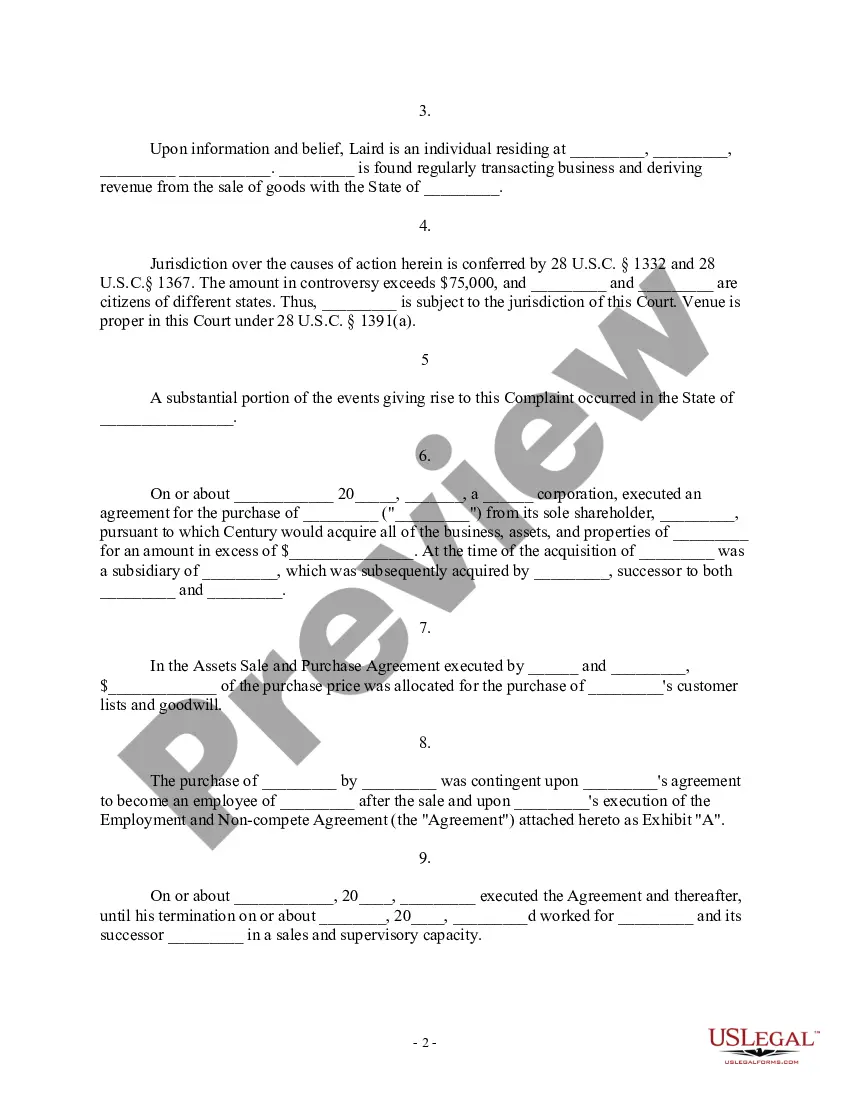
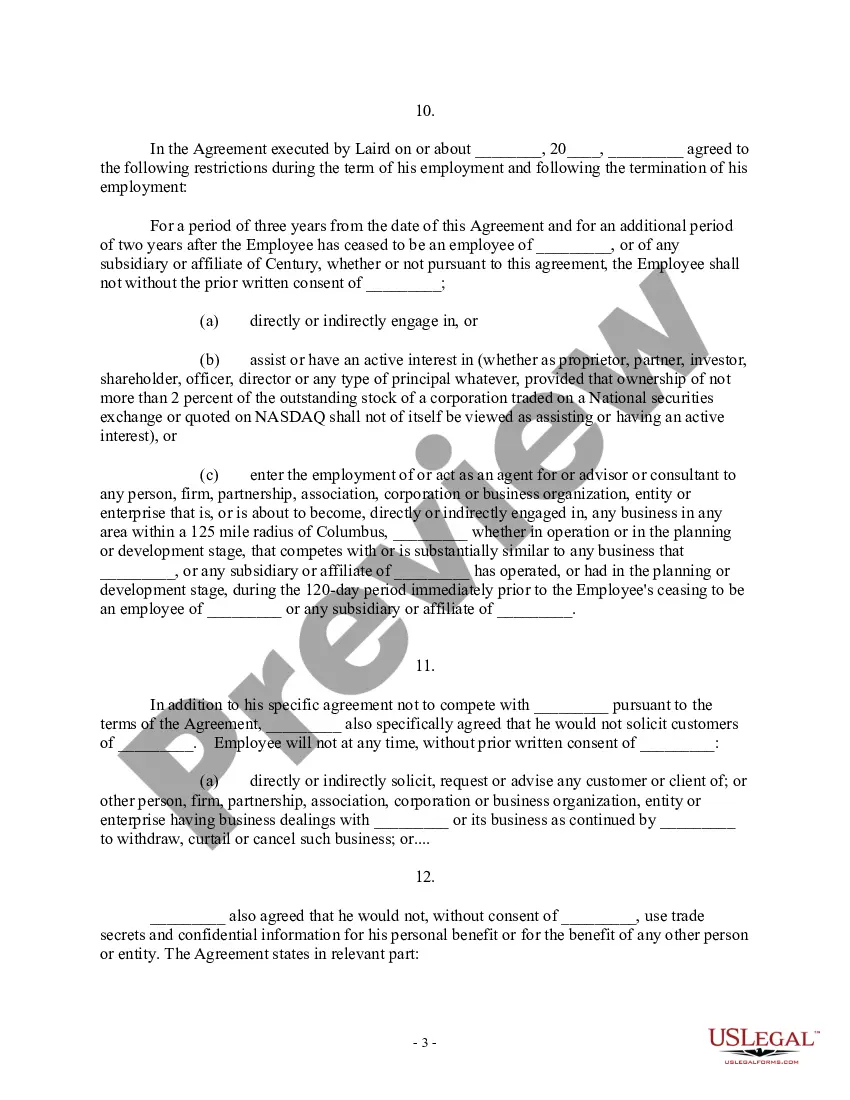
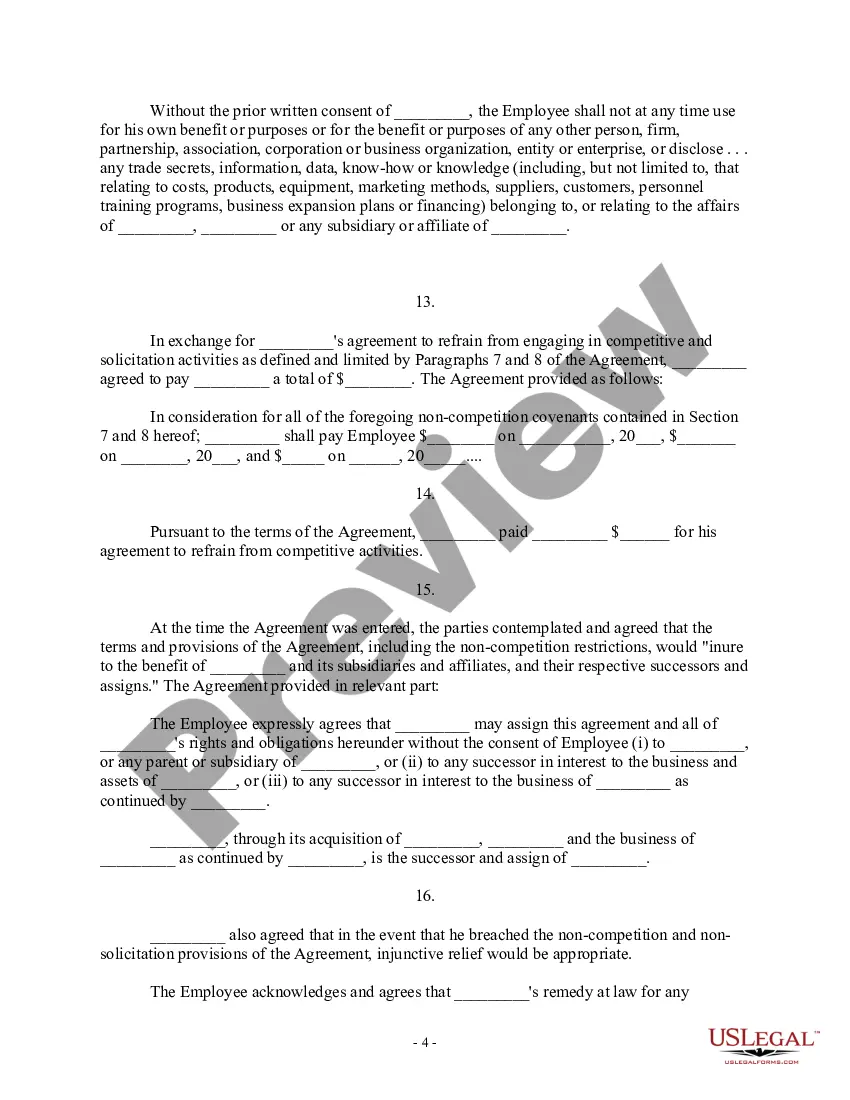
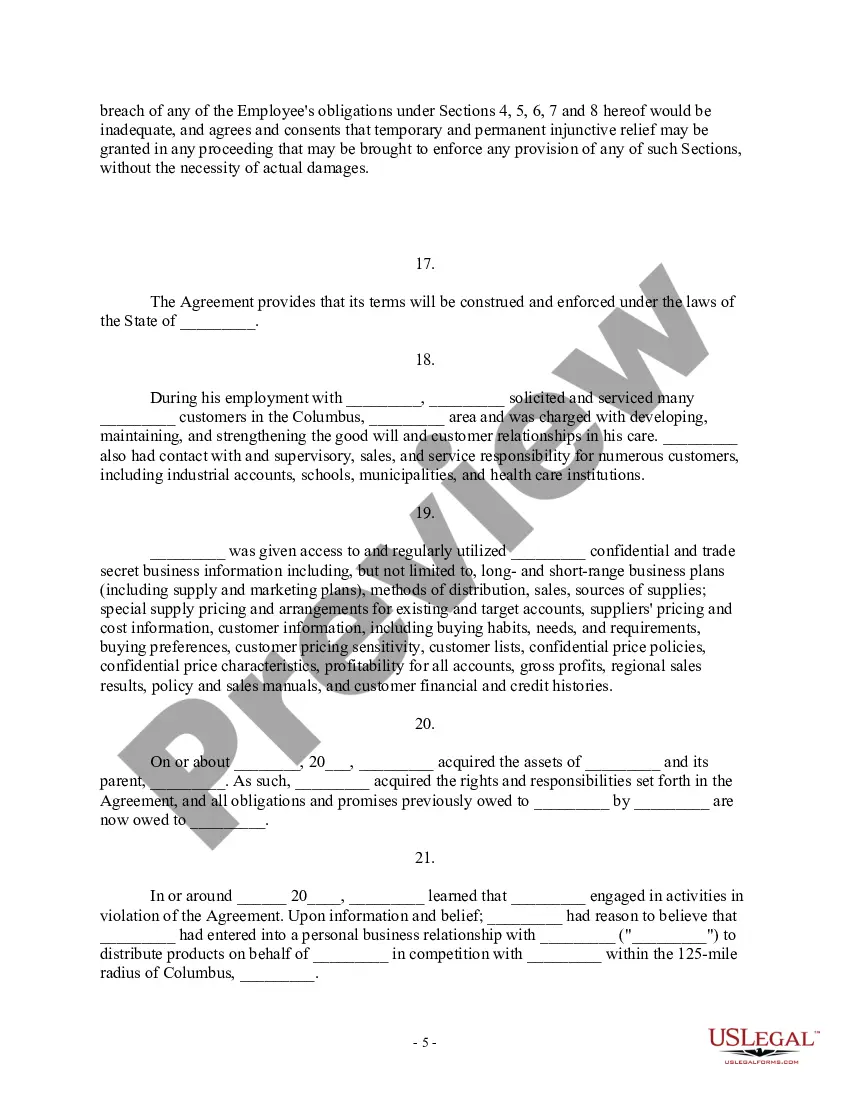




Get your form ready online
Our built-in tools help you complete, sign, share, and store your documents in one place.
Make edits, fill in missing information, and update formatting in US Legal Forms—just like you would in MS Word.
Download a copy, print it, send it by email, or mail it via USPS—whatever works best for your next step.
Sign and collect signatures with our SignNow integration. Send to multiple recipients, set reminders, and more. Go Premium to unlock E-Sign.
If this form requires notarization, complete it online through a secure video call—no need to meet a notary in person or wait for an appointment.
We protect your documents and personal data by following strict security and privacy standards.

Make edits, fill in missing information, and update formatting in US Legal Forms—just like you would in MS Word.

Download a copy, print it, send it by email, or mail it via USPS—whatever works best for your next step.

Sign and collect signatures with our SignNow integration. Send to multiple recipients, set reminders, and more. Go Premium to unlock E-Sign.

If this form requires notarization, complete it online through a secure video call—no need to meet a notary in person or wait for an appointment.

We protect your documents and personal data by following strict security and privacy standards.
Looking for another form?





Form popularity
FAQ
The Cuyahoga County Administrative Procedures Act establishes the Administrative Rules Board (ARB) in Section 205.09 of the County Code. The Act governs how County entities may adopt, amend, or rescind administrative policies, rules and regulations in Chapter 113 of the County Code.
Length and Format of Motion Papers: Pursuant to Local Rule 11-6, Memoranda of Points and Authorities in support of or in opposition to motions shall not exceed twenty five (25) pages, absent leave of Court. Replies shall not exceed ten (10) pages.
R. 11 governs the signing of pleadings, motions and other documents. For a “willful” violation of this rule, an attorney or pro se party, upon motion of a party or upon the court's own motion, may be subjected to appropriate action, including an award to the opposing party of expenses and reasonable attorney fees.
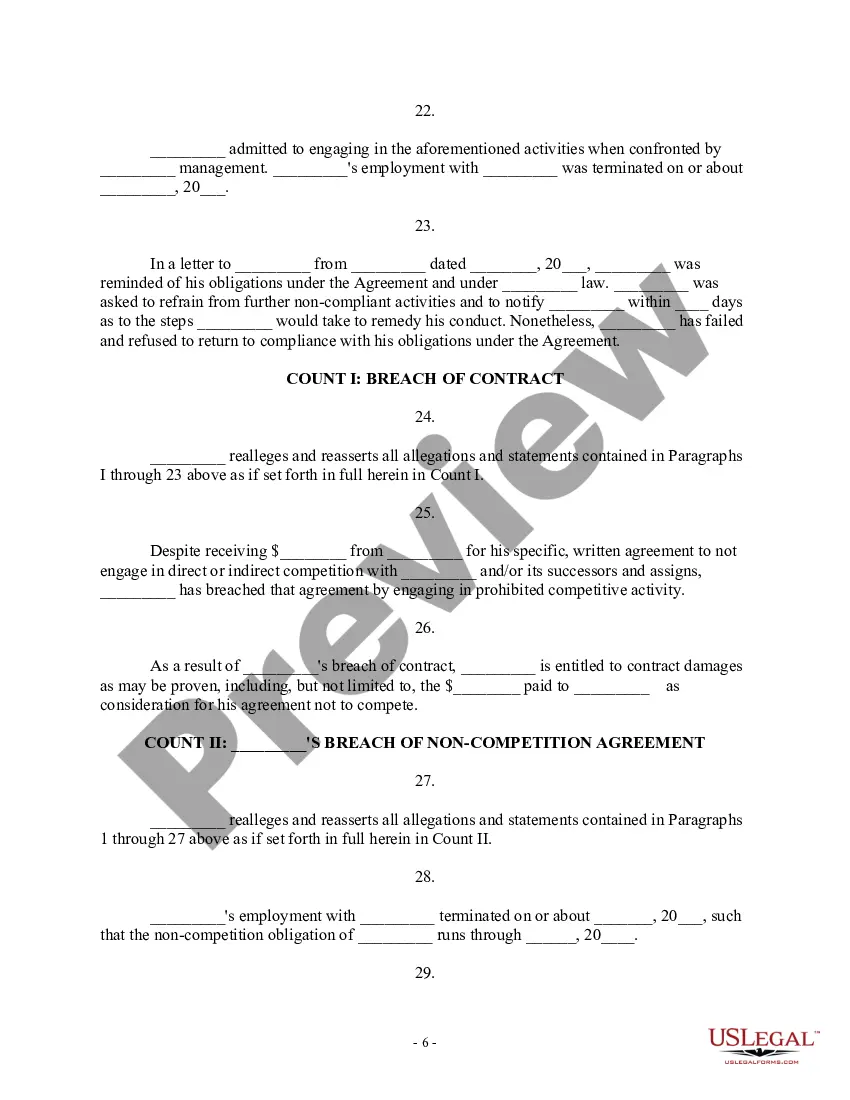
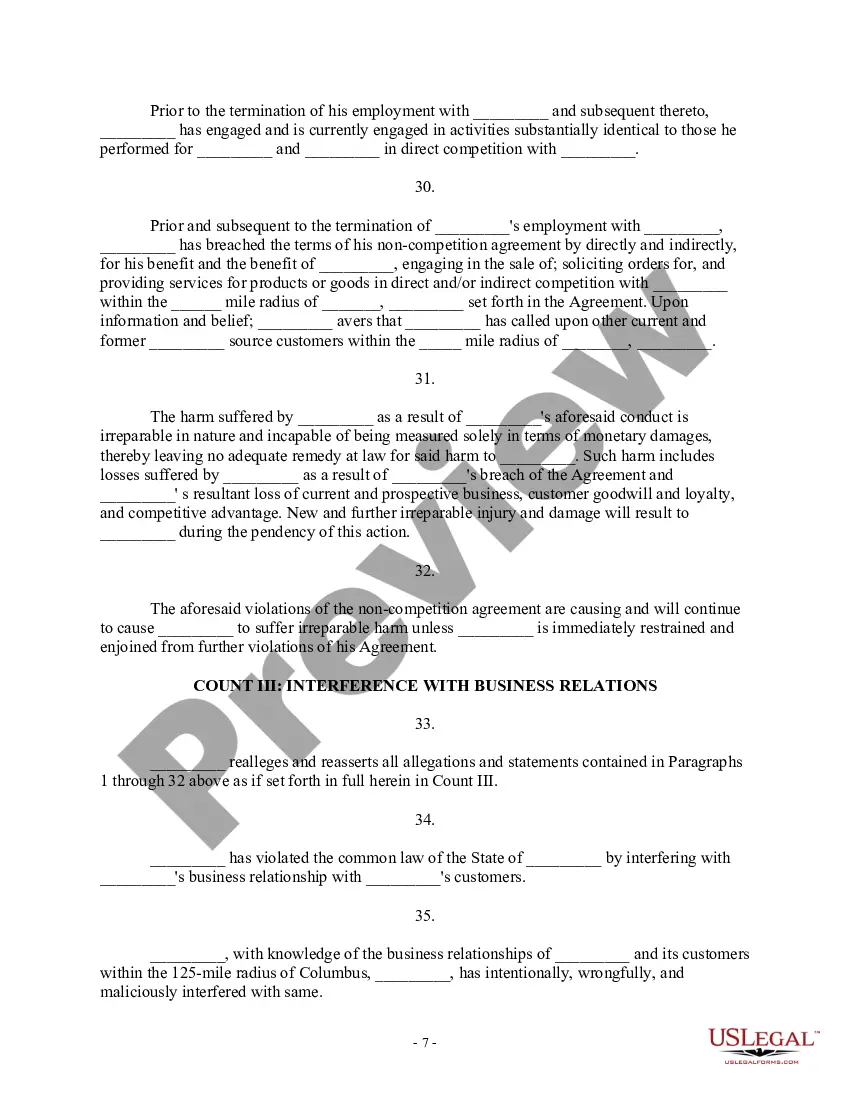
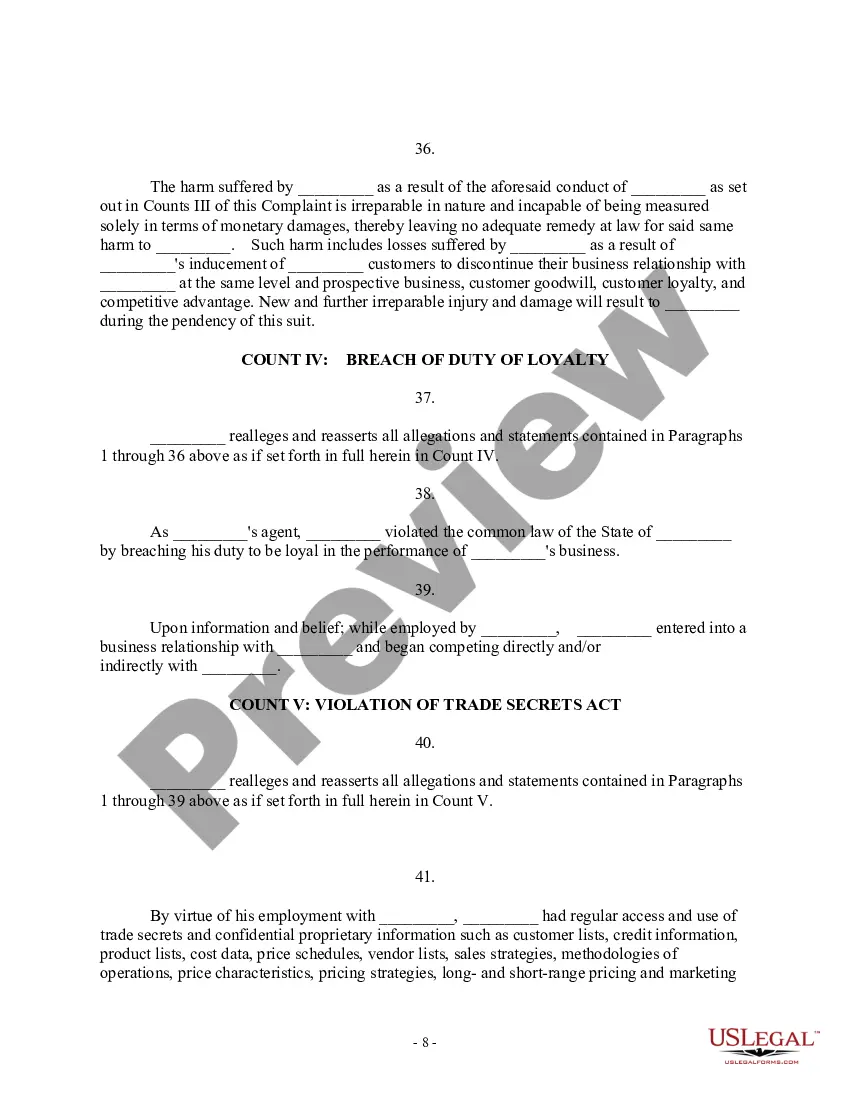
Generally, injunctive relief is only available when there is no other adequate remedy available and irreparable harm will result if the relief is not granted.
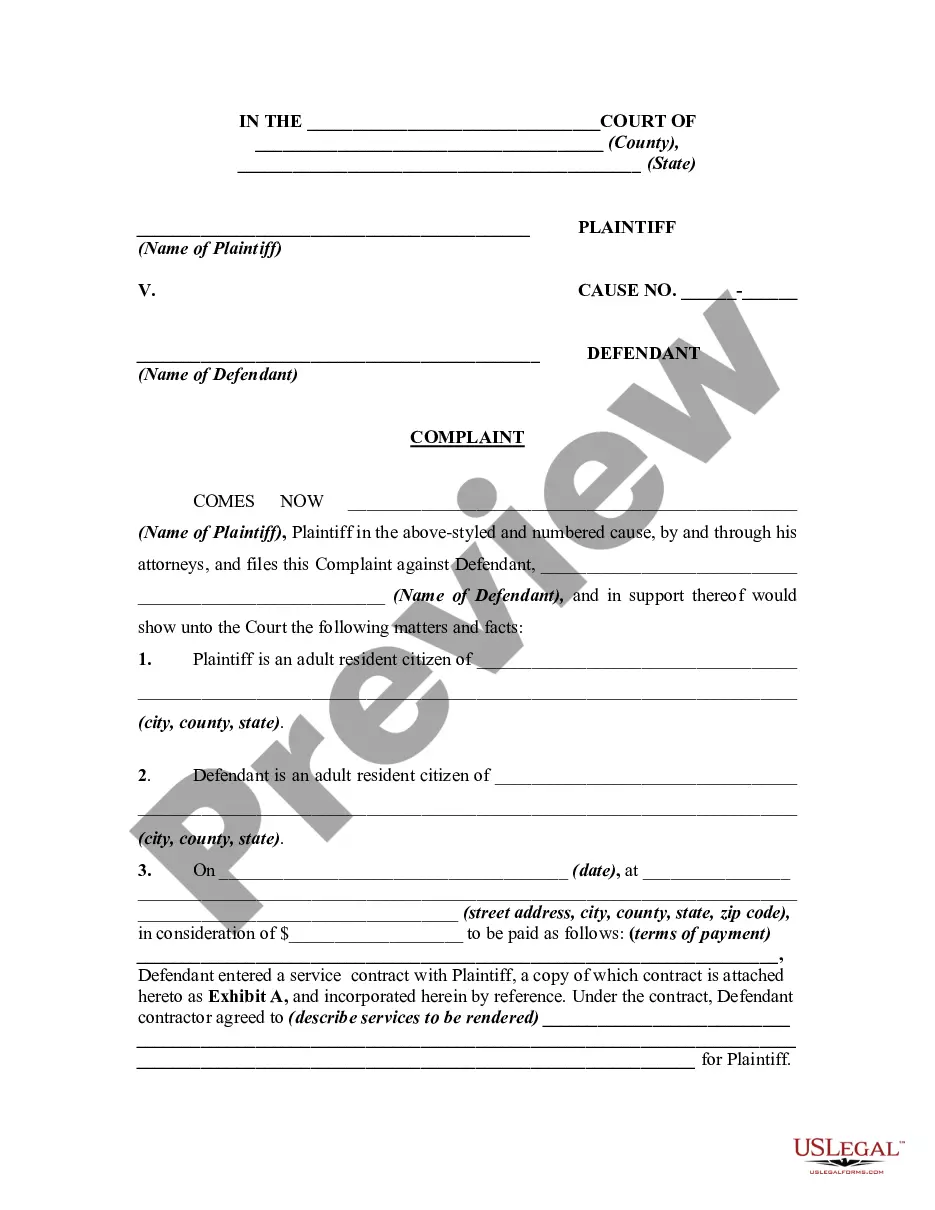
10.0 ENTRY OF APPEARANCE AND WITHDRAWAL OF COUNSEL In civil cases, entry of appearance by counsel may be effected by signature of counsel on a pleading, motion or letter to the Court. In criminal cases, entry of appearance by counsel shall be on a form provided by the Court or by letter to the Court signed by counsel.
11.0 HEARING AND SUBMISSION OF MOTIONS If the motion requires consideration of facts not appearing of record, the movant shall serve and file copies of all affidavits, depositions, photographs or documentary evidence which the movant desires to submit in support of the motion.
Prohibitory Injunctions: These are the most common type and essentially tell the respondent what they cannot do. This could include anything from contacting a specific person (the petitioner) to coming near their home, workplace, or even a certain distance from their children's school.
The injunctive relief clause is a contractual provision that allows a party to seek a court-ordered injunction to prevent the other party from engaging in specific actions that could cause irreparable harm.
To seek a permanent injunction, the plaintiff must pass the four-step test: (1) that the plaintiff has suffered an irreparable injury; (2) that remedies available at law, such as monetary damages, are inadequate to compensate for the injury; (3) that the remedy in equity is warranted upon consideration of the balance ...
The plaintiff has the burden of proving that the defendant has breached the contract and that injunctive relief is necessary to prevent further harm. The plaintiff must also prove that the harm caused by the breach cannot be adequately compensated through monetary damages alone.
