Injunctive Relief For Defamation In Clark
Description

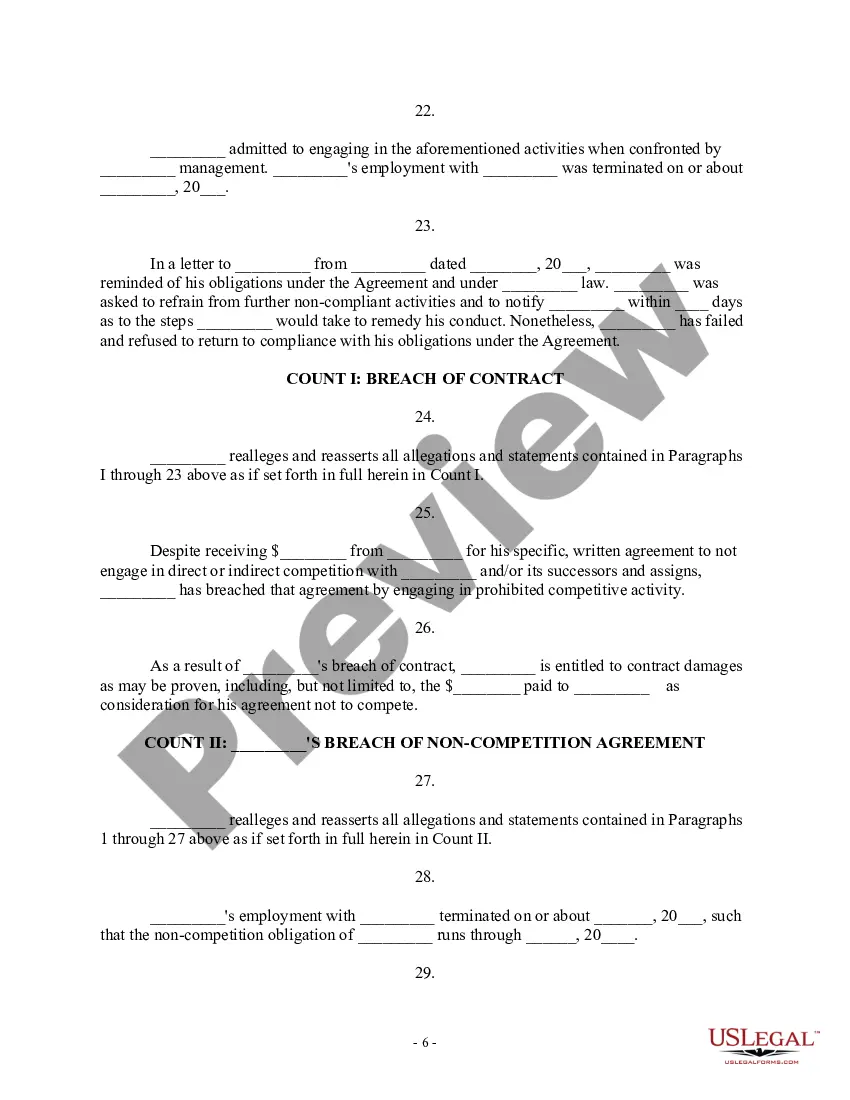
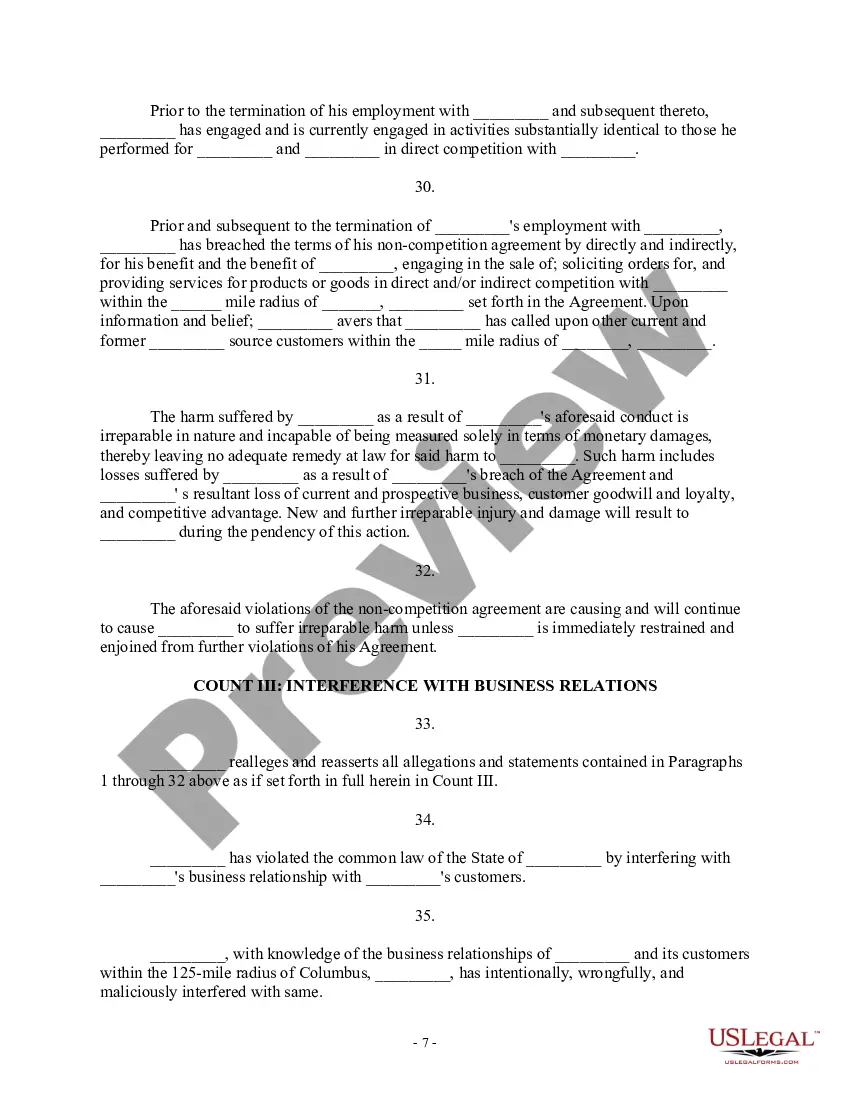
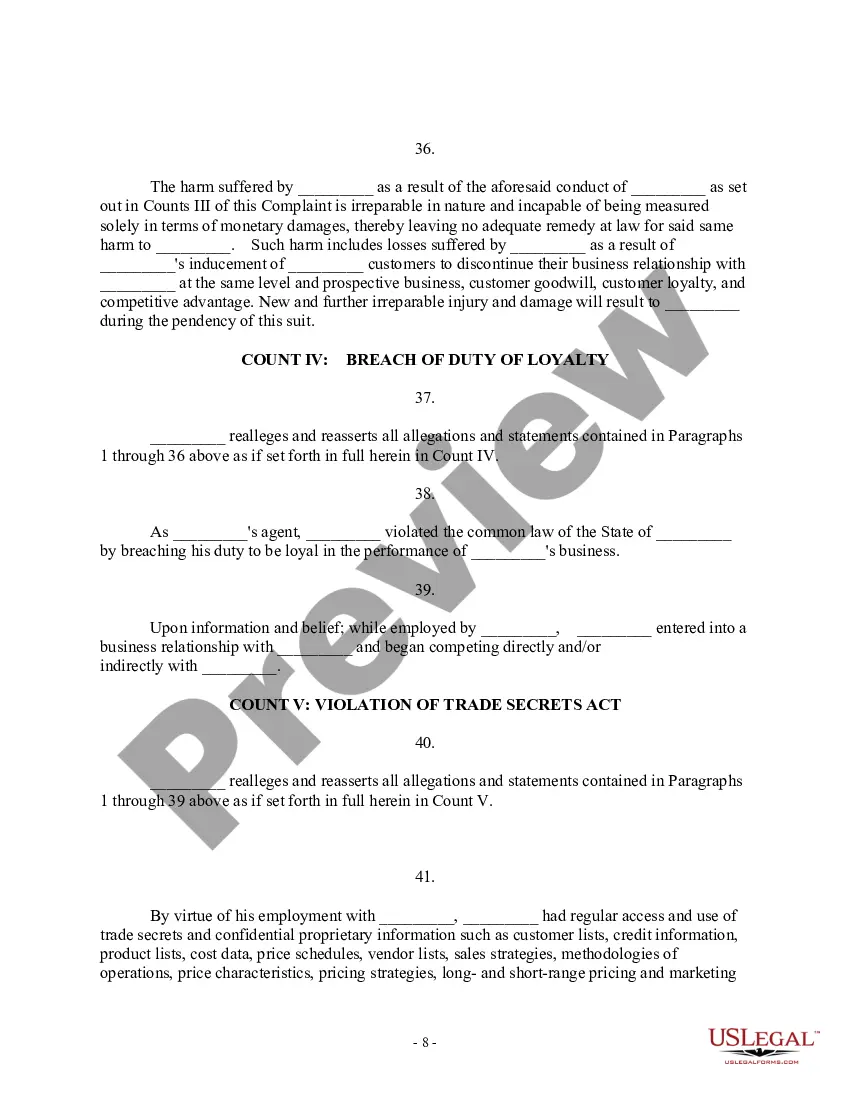
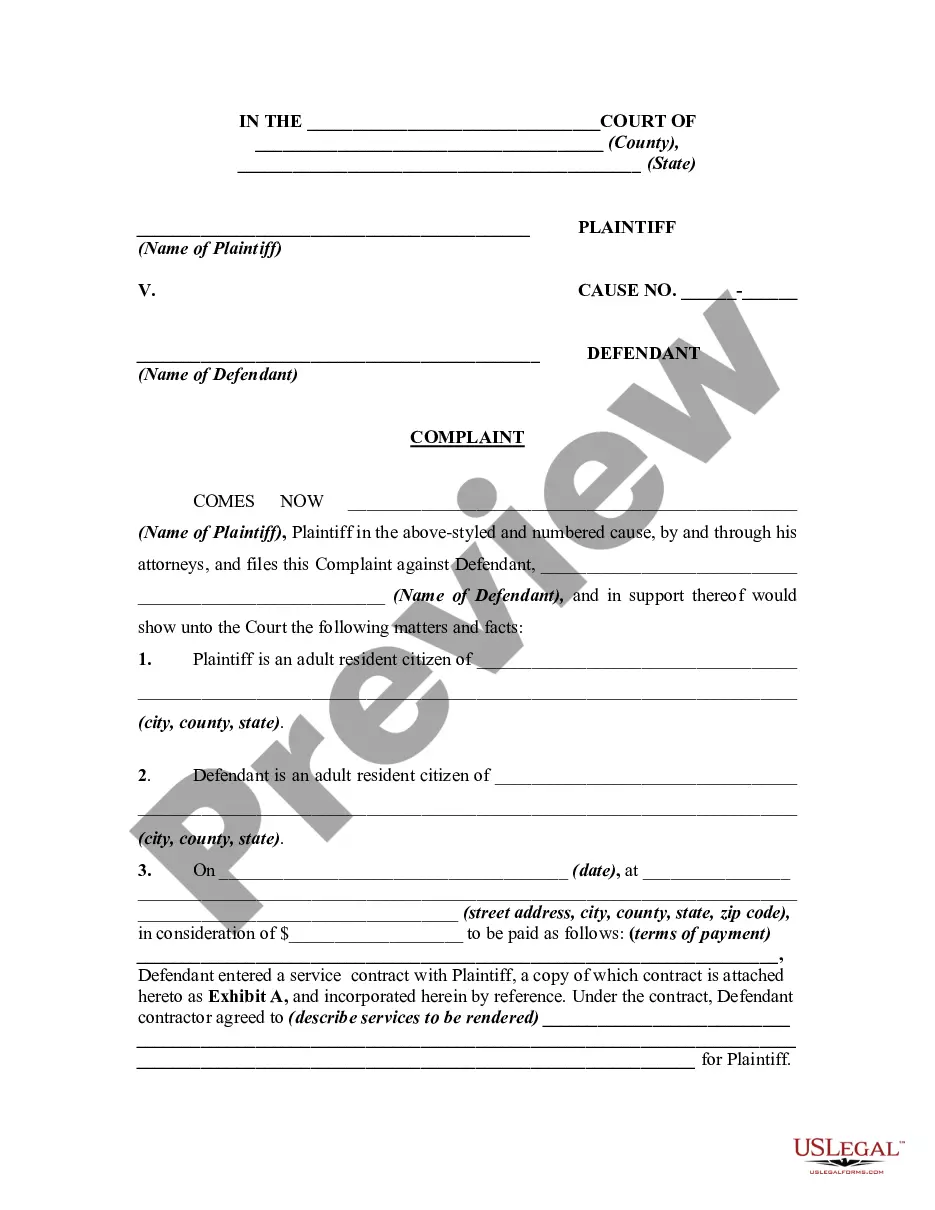

Get your form ready online
Our built-in tools help you complete, sign, share, and store your documents in one place.
Make edits, fill in missing information, and update formatting in US Legal Forms—just like you would in MS Word.
Download a copy, print it, send it by email, or mail it via USPS—whatever works best for your next step.
Sign and collect signatures with our SignNow integration. Send to multiple recipients, set reminders, and more. Go Premium to unlock E-Sign.
If this form requires notarization, complete it online through a secure video call—no need to meet a notary in person or wait for an appointment.
We protect your documents and personal data by following strict security and privacy standards.

Make edits, fill in missing information, and update formatting in US Legal Forms—just like you would in MS Word.

Download a copy, print it, send it by email, or mail it via USPS—whatever works best for your next step.

Sign and collect signatures with our SignNow integration. Send to multiple recipients, set reminders, and more. Go Premium to unlock E-Sign.

If this form requires notarization, complete it online through a secure video call—no need to meet a notary in person or wait for an appointment.

We protect your documents and personal data by following strict security and privacy standards.
Looking for another form?










Form popularity
FAQ
California Supreme Court Holds that Defamatory Speech May Be Enjoined After Trial. On April 26, 2007, a fractured California Supreme Court determined that a defendant may be permanently enjoined from repeating statements that have been adjudicated at trial to be defamatory.
Truth is widely accepted as a complete defense to all defamation claims. An absolute privilege is also a complete defense to a defamation claim. Among other examples, this includes statements made by witnesses during a judicial proceedings.
Truth is an absolute defence to defamation. The defendant must prove that the defamatory statements were, in fact, true.
The party seeking a preliminary injunctive relief must demonstrate: (1) irreparable injury in the absence of such an order; (2) that the threatened injury to the moving party outweighs the harm to the opposing party resulting from the order; (3) that the injunction is not adverse to public interest; and (4) that the ...
Truth is the best defense to defamation. For example if sued for calling a person a criminal, then the defendant could produce a valid record of a criminal conviction, properly certified and exemplified and the defendant would probably be granted summary judgement.
The most common defenses to defamation are: 1) truth; 2) consent; 3) privilege; and 4) the statute of limitations. Perhaps the most distinct aspect of the defamation cause of action is that falsity is required. In other words, the statement publicized about the plaintiff must be false in order to prove defamation.
Truth is the first, and easiest, defense to a defamation claim. As discussed in the elements of defamation, the statement about you must have been false. If a Defendant can show that the statements were true, or even substantially true, then they could defeat a claim for defamation.
To warrant preliminary injunctive relief, the moving party must show (1) a substantial likelihood of success on the merits, (2) that it would suffer irrepa- rable injury if the injunction were not granted, (3) that an injunction would not substantially injure other interested parties, and (4) that the public interest ...
Using an injunction carries disadvantages as well. For one, courts generally use injunctions only to prevent a party from doing something. Aside from specific performance, where a court forces a party to fulfill a contractual obligation, it is more difficult to use an injunction to force another party to do something.
