Injunctive Relief Agreement With Mexico In Arizona
Description





Form popularity
FAQ
The party seeking a preliminary injunctive relief must demonstrate: (1) irreparable injury in the absence of such an order; (2) that the threatened injury to the moving party outweighs the harm to the opposing party resulting from the order; (3) that the injunction is not adverse to public interest; and (4) that the ...
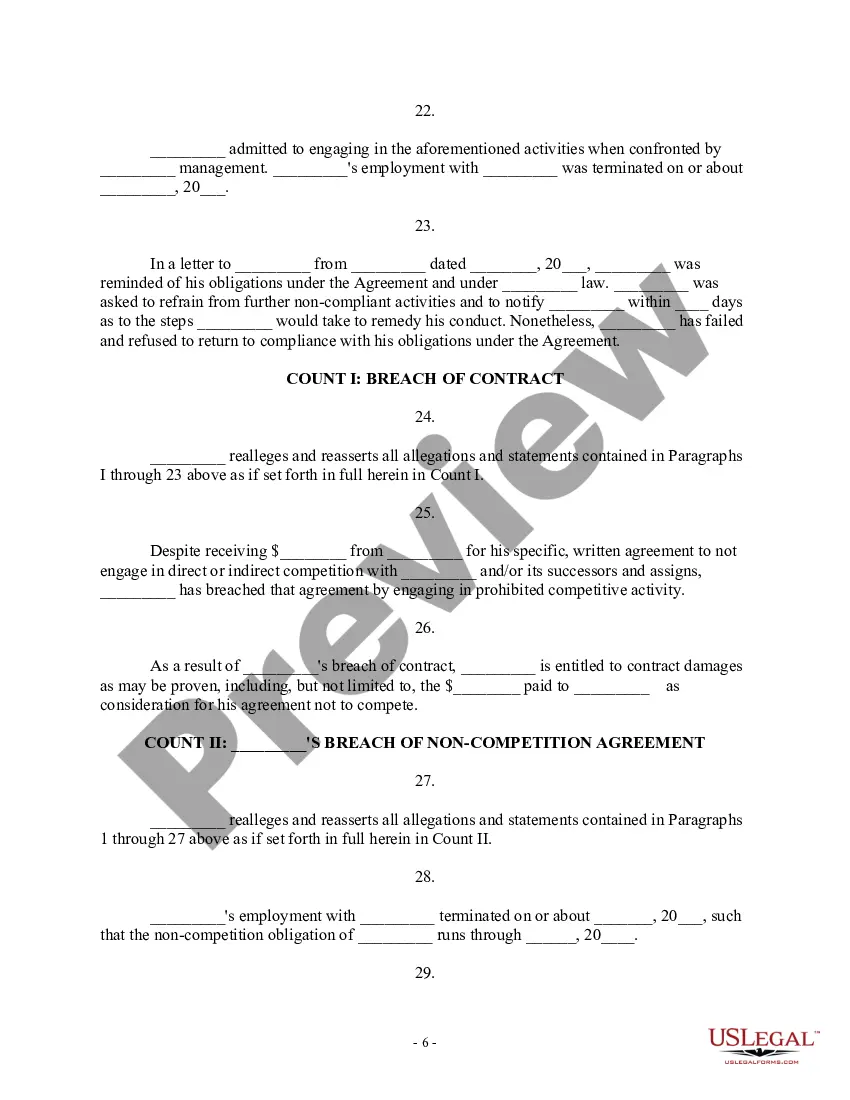
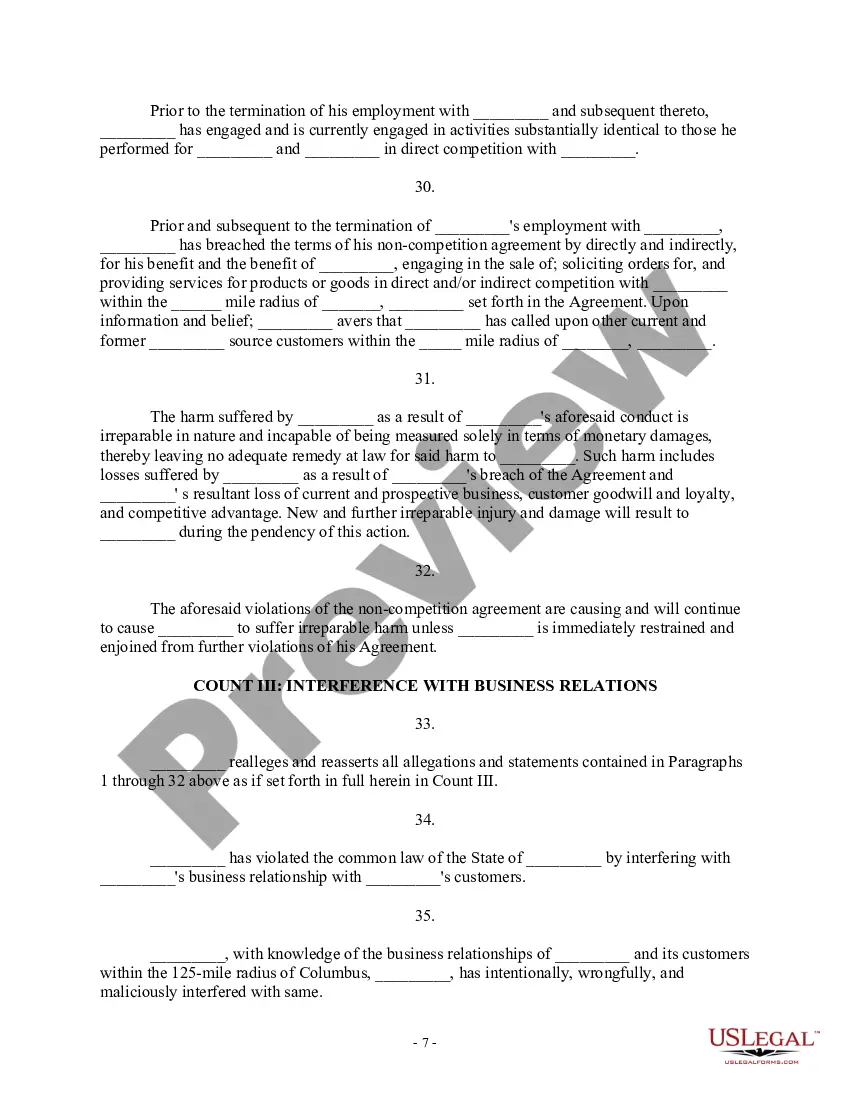
In many cases, a contract will include an injunctive relief clause stating that one or both parties are entitled to relief to prevent them from suffering harm due to a breach of contract.
Contempt of Court and Enforcement If a party fails to comply with the order, the court can hold the party in contempt of court. Contempt of court can result in fines, imprisonment, or both. The injured party can also seek enforcement of the injunctive order through the legal system.
Served By. The injunction or order is served by a U.S. Marshal or another person, presumably a law enforcement officer, specifically appointed by the court in ance with Federal Rule of Civil Procedure 4.1(a).
Rule 65 - Injunctions and Restraining Orders (a) Preliminary Injunction or Temporary Restraining Order. (1)Notice. Except as provided in Rule 65(b), the court may issue a preliminary injunction or a temporary restraining order only with notice to the adverse party.
In the case of a hearing, the applicant will present their arguments to a judge. If the judge is persuaded to make an order, they will grant an interim injunction and list a 'return hearing'. At the return hearing, the court will listen to the arguments of both parties and decide whether to make a 'final injunction'.
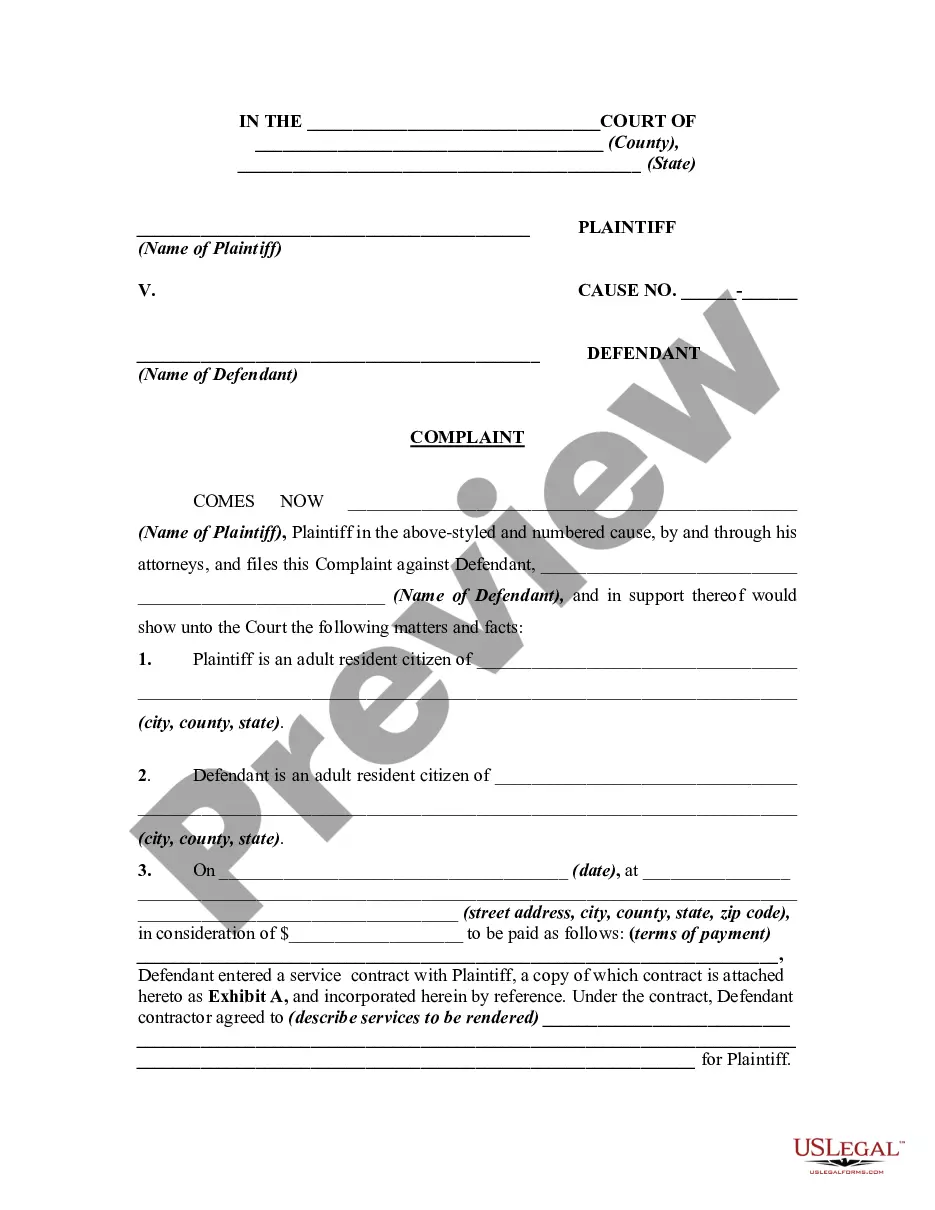
The plaintiff has the burden of proving that the defendant has breached the contract and that injunctive relief is necessary to prevent further harm. The plaintiff must also prove that the harm caused by the breach cannot be adequately compensated through monetary damages alone.
To seek a permanent injunction, the plaintiff must pass the four-step test: (1) that the plaintiff has suffered an irreparable injury; (2) that remedies available at law, such as monetary damages, are inadequate to compensate for the injury; (3) that the remedy in equity is warranted upon consideration of the balance ...
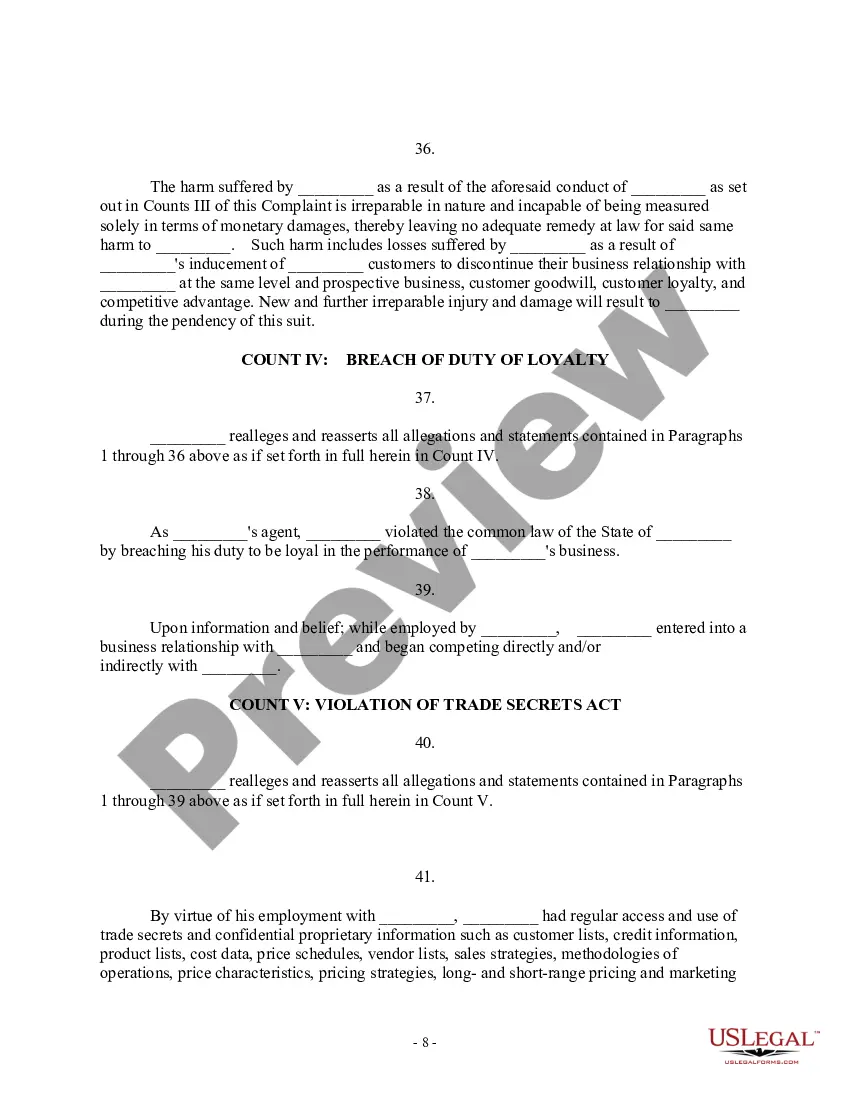
What Is an Example of Injunctive Relief? Theft of Clients: If a former employee poaches a company's clients, the innocent party may try to stop the former client from causing further damage. Breach of Contract: Injunctive relief is an effective way to stop an offending party from continuing to breach a contract.
To warrant preliminary injunctive relief, the moving party must show (1) a substantial likelihood of success on the merits, (2) that it would suffer irrepa- rable injury if the injunction were not granted, (3) that an injunction would not substantially injure other interested parties, and (4) that the public interest ...
