Bbb Download Complaint Form For Divorce In Arizona
Description

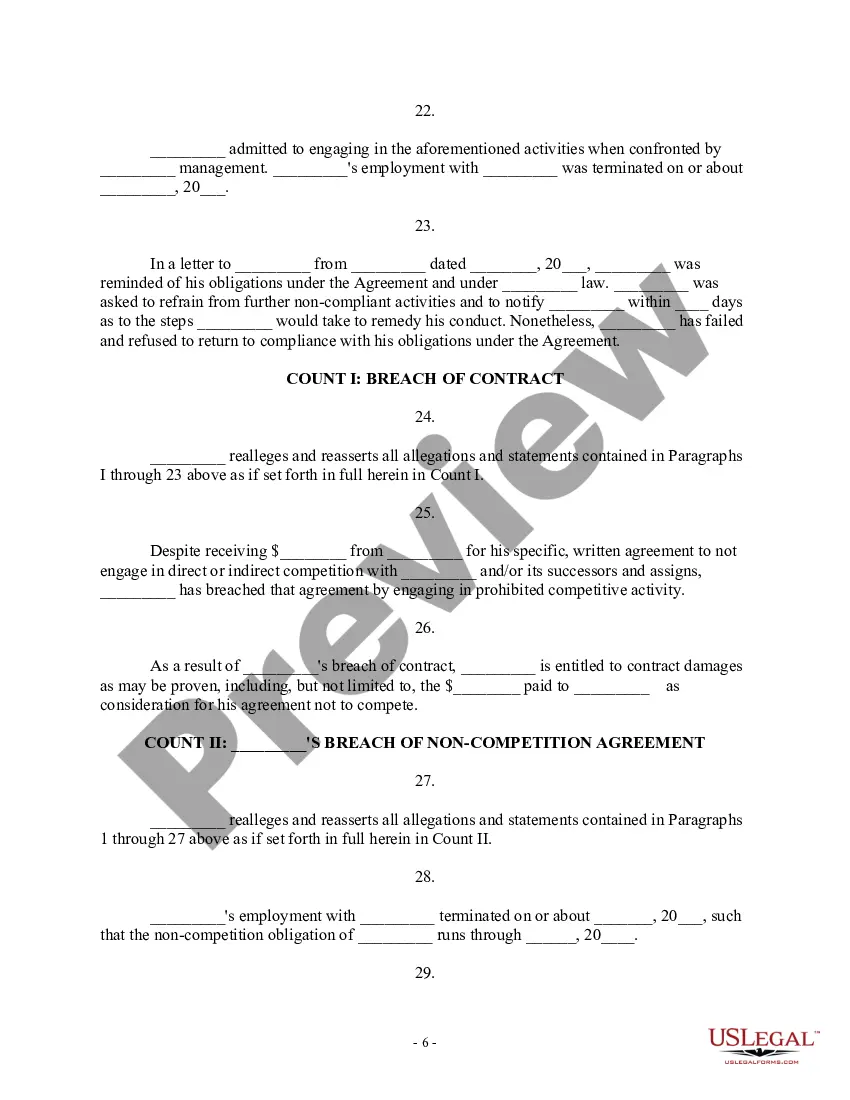
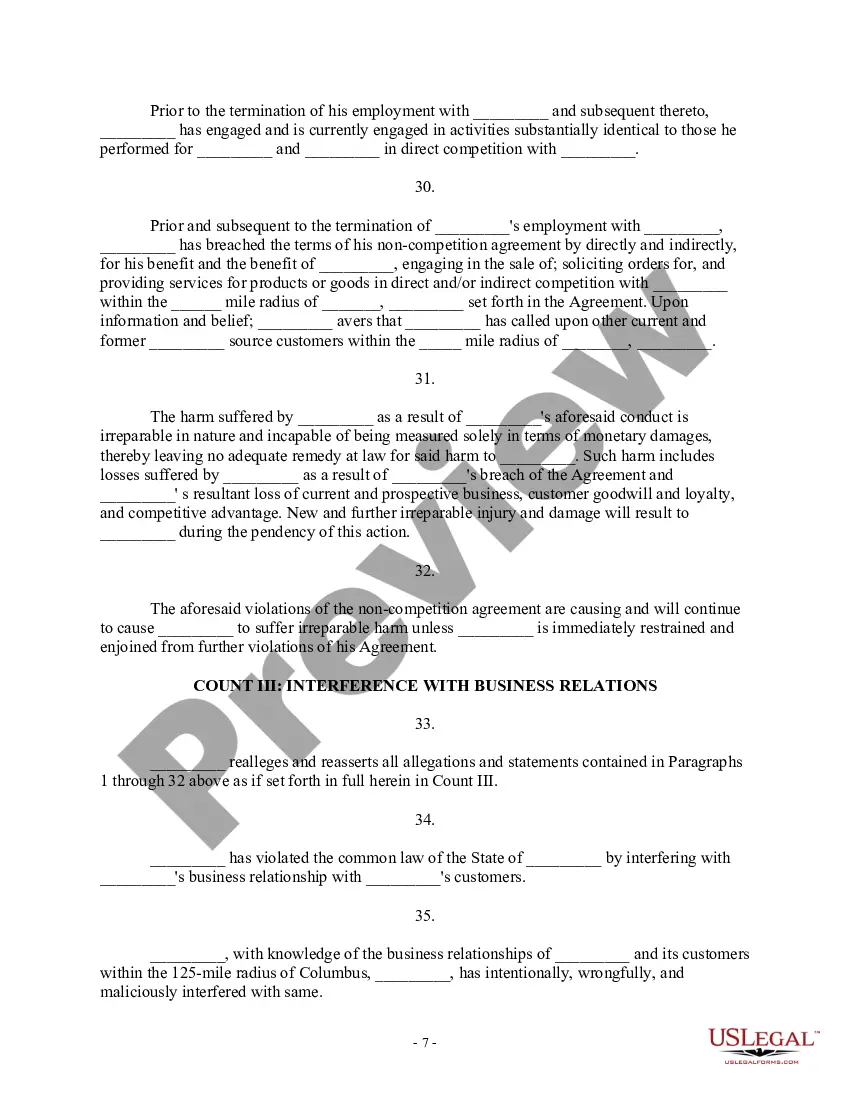
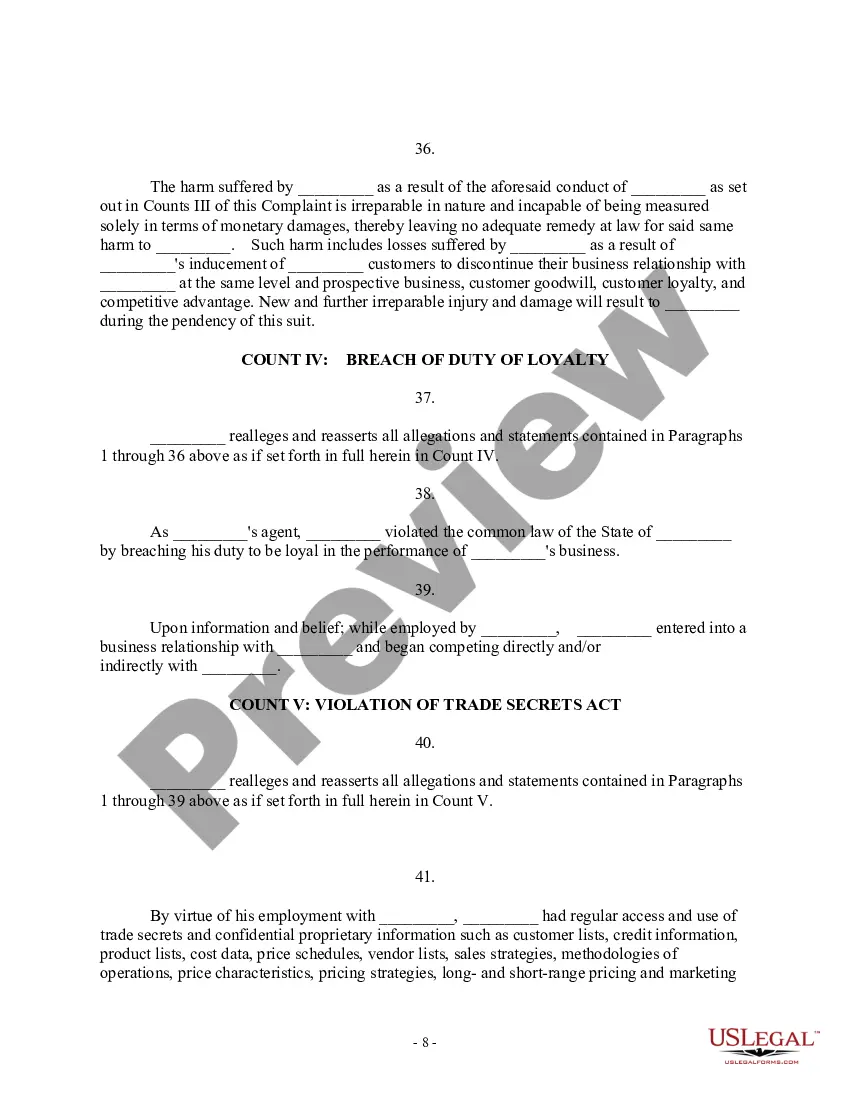

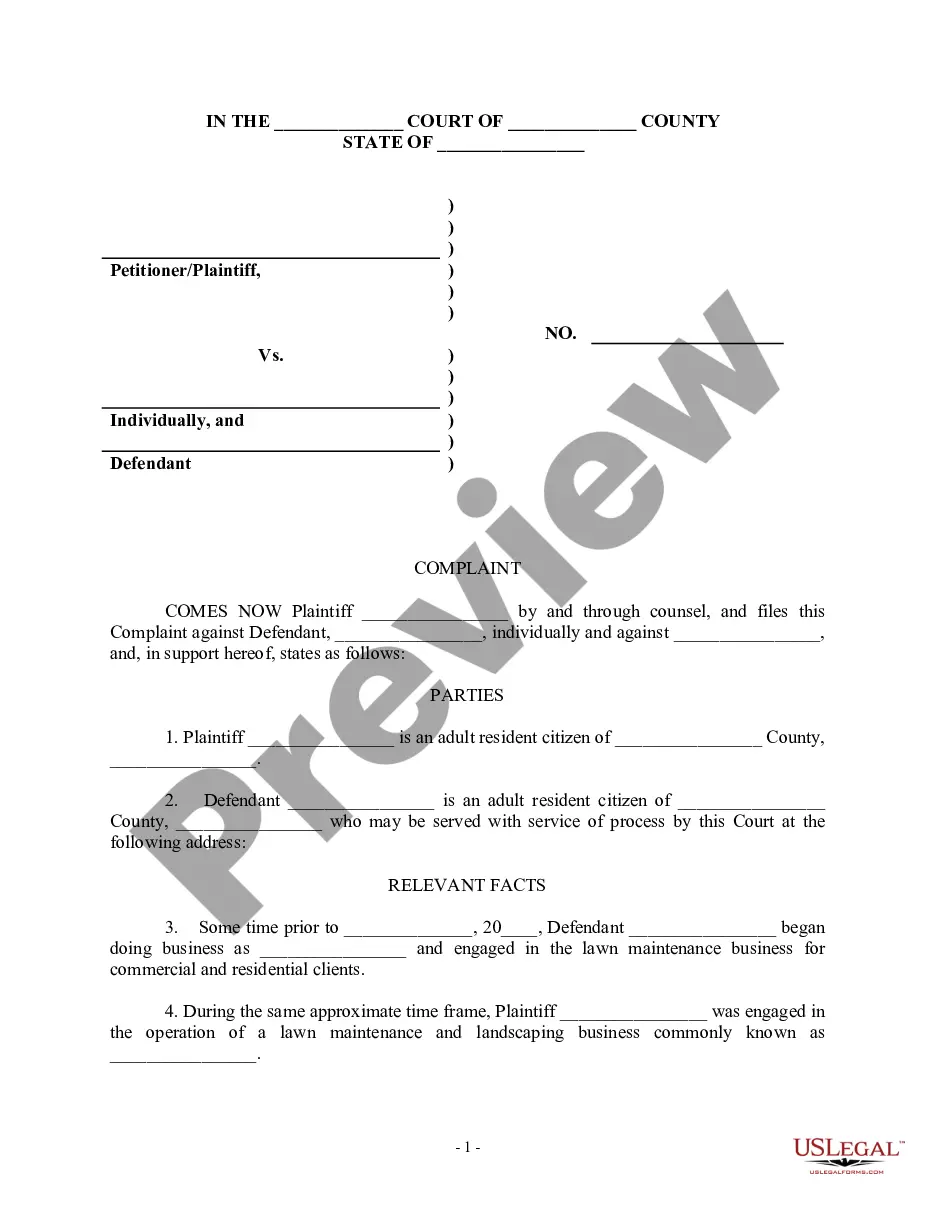

Get your form ready online
Our built-in tools help you complete, sign, share, and store your documents in one place.
Make edits, fill in missing information, and update formatting in US Legal Forms—just like you would in MS Word.
Download a copy, print it, send it by email, or mail it via USPS—whatever works best for your next step.
Sign and collect signatures with our SignNow integration. Send to multiple recipients, set reminders, and more. Go Premium to unlock E-Sign.
If this form requires notarization, complete it online through a secure video call—no need to meet a notary in person or wait for an appointment.
We protect your documents and personal data by following strict security and privacy standards.

Make edits, fill in missing information, and update formatting in US Legal Forms—just like you would in MS Word.

Download a copy, print it, send it by email, or mail it via USPS—whatever works best for your next step.

Sign and collect signatures with our SignNow integration. Send to multiple recipients, set reminders, and more. Go Premium to unlock E-Sign.

If this form requires notarization, complete it online through a secure video call—no need to meet a notary in person or wait for an appointment.

We protect your documents and personal data by following strict security and privacy standards.
Looking for another form?





Form popularity
FAQ
If you're doing it on your own, however, you may contact your court clerk for information on how to do this. The motion has to state what your ex-spouse isn't doing, what areas he or she is in violation of. It must clarify why he or she ought to be held in contempt of the divorce decree. You must prove your case.
Contact the Clerk of the Superior Court for the county in which the divorce was filed in. Divorce decrees filed before 1950 may be held by the Arizona State Archives, depending on the county. Contact the Clerk of the Superior Court for the county they were filed in.
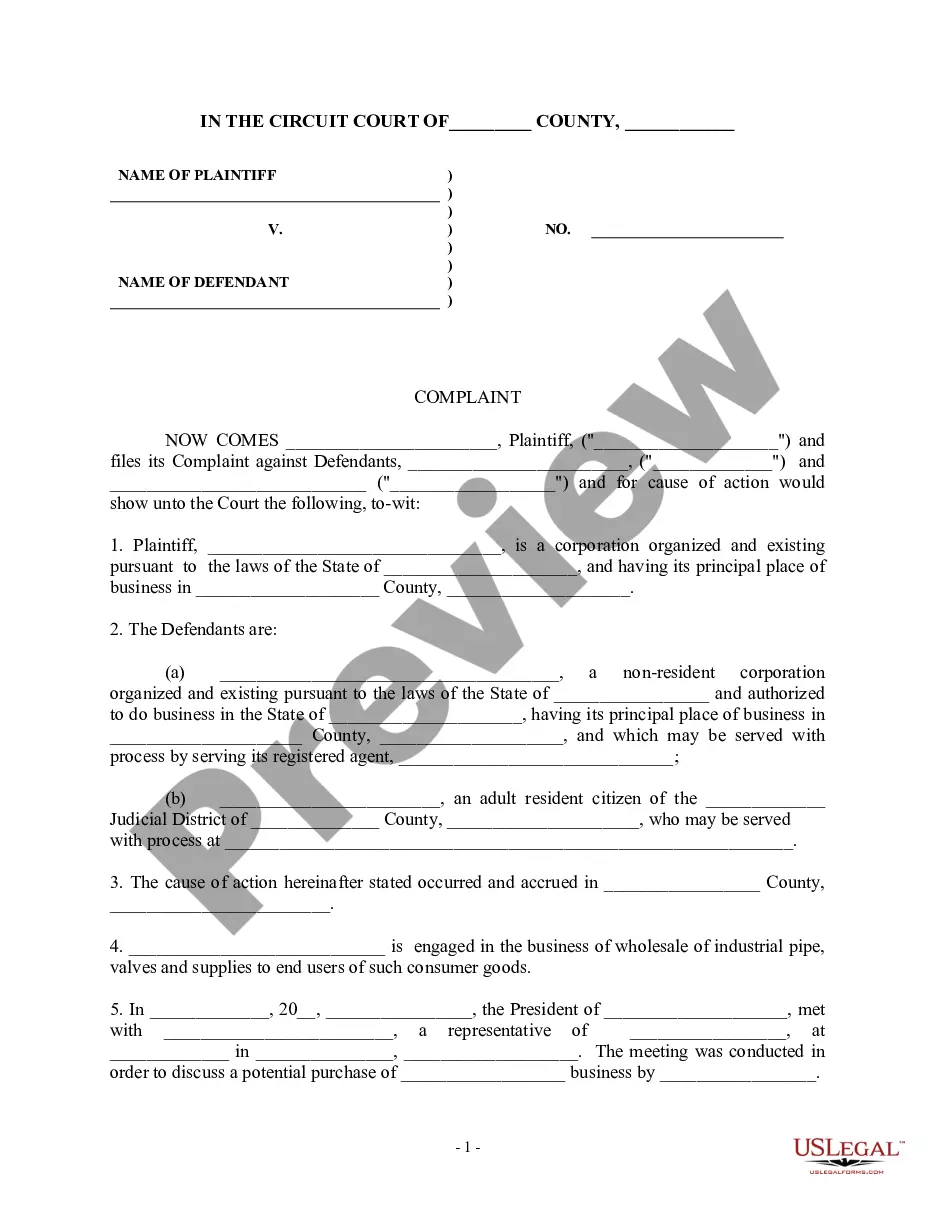
The plaintiff files a document (complaint) with the clerk of the court stating the reasons why the plaintiff is suing the defendant, and what action the plaintiff wants the court to take. A copy of the complaint and a summons are delivered to (served on) the defendant.
Yes. You need your final divorce order. Each court is different. However, today, most judges simply sign them. The ``stamp'' will be the automatically-generated docket information appearing on each page when the court, your attorney, or even you, file something electronically in the court's record/docket.
Divorce papers, much like marriage certificates, are considered public records in Arizona. The purpose of making these and other court documents available to the public is to ensure transparency of the court system.
Contact the Clerk of the Superior Court for the county in which the divorce was filed in. Divorce decrees filed before 1950 may be held by the Arizona State Archives, depending on the county. Contact the Clerk of the Superior Court for the county they were filed in.
File Complaint Online: Mail/Fax: Mailing Address: NYC Department of Consumer and Worker Protection. Consumer Services Division. 42 Broadway, 9th Floor. New York, NY 10004. Fax: (212) 487-4482.
The complaint alleges a problem experienced with the services or products the business provided or allegedly agreed to provide. The complaint is not in litigation when filed with BBB and has not been resolved by a previous court action, arbitration, or settlement between the parties.
I have a problem with a business. Where can I get help? You may wish to file a consumer complaint with the North Carolina Consumer Protection Division. You can file a complaint online or call 1-877-5-NO-SCAM for assistance.
Via Better Business Bureau's website – file a complaint. Or by submitting a written letter of complaint to your BBB (please include your name, address and phone number, the company's name, address and phone number, a brief summary of the issue, and your desired resolution. You can find your BBB via the directory.
