Injunctive Relief For Patents In Allegheny
Description





Get your form ready online
Our built-in tools help you complete, sign, share, and store your documents in one place.
Make edits, fill in missing information, and update formatting in US Legal Forms—just like you would in MS Word.
Download a copy, print it, send it by email, or mail it via USPS—whatever works best for your next step.
Sign and collect signatures with our SignNow integration. Send to multiple recipients, set reminders, and more. Go Premium to unlock E-Sign.
If this form requires notarization, complete it online through a secure video call—no need to meet a notary in person or wait for an appointment.
We protect your documents and personal data by following strict security and privacy standards.

Make edits, fill in missing information, and update formatting in US Legal Forms—just like you would in MS Word.

Download a copy, print it, send it by email, or mail it via USPS—whatever works best for your next step.

Sign and collect signatures with our SignNow integration. Send to multiple recipients, set reminders, and more. Go Premium to unlock E-Sign.

If this form requires notarization, complete it online through a secure video call—no need to meet a notary in person or wait for an appointment.

We protect your documents and personal data by following strict security and privacy standards.
Looking for another form?









Form popularity
FAQ
Generally, injunctive relief is only available when there is no other adequate remedy available and irreparable harm will result if the relief is not granted.
The injunctive relief clause is a contractual provision that allows a party to seek a court-ordered injunction to prevent the other party from engaging in specific actions that could cause irreparable harm.
Injunctions remain widely used to require government officials to comply with the Constitution, and they are also frequently used in private law disputes about intellectual property, real property, and contracts.
The plaintiff has the burden of proving that the defendant has breached the contract and that injunctive relief is necessary to prevent further harm. The plaintiff must also prove that the harm caused by the breach cannot be adequately compensated through monetary damages alone.
Injunctive relief, also known as an injunction , is a court-ordered remedy which restricts a party from committing specific actions or requires a party to complete specific actions.
A plaintiff must demonstrate: (1) that it has suffered an irreparable injury; (2) that remedies available at law, such as monetary damages, are inadequate to compensate for that injury; (3) that, considering the balance of hardships between the plaintiff and defendant, a remedy in equity is warranted; and (4) that the ...
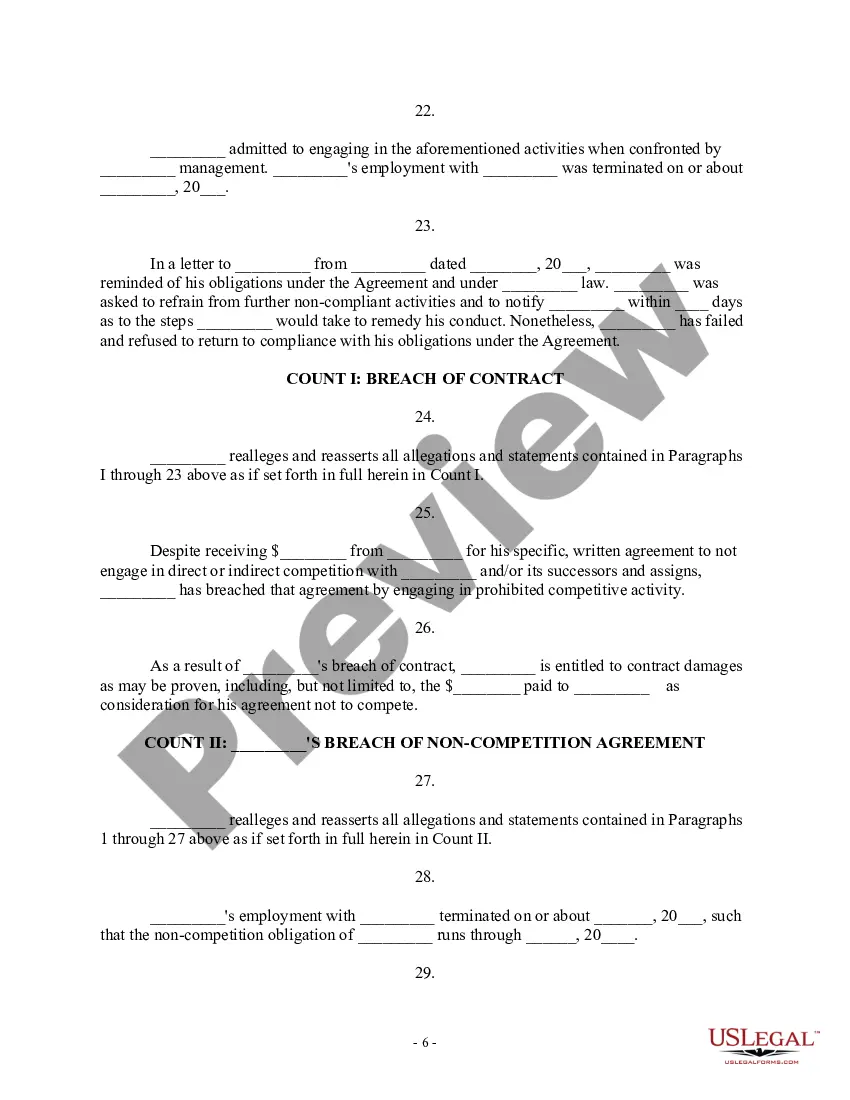
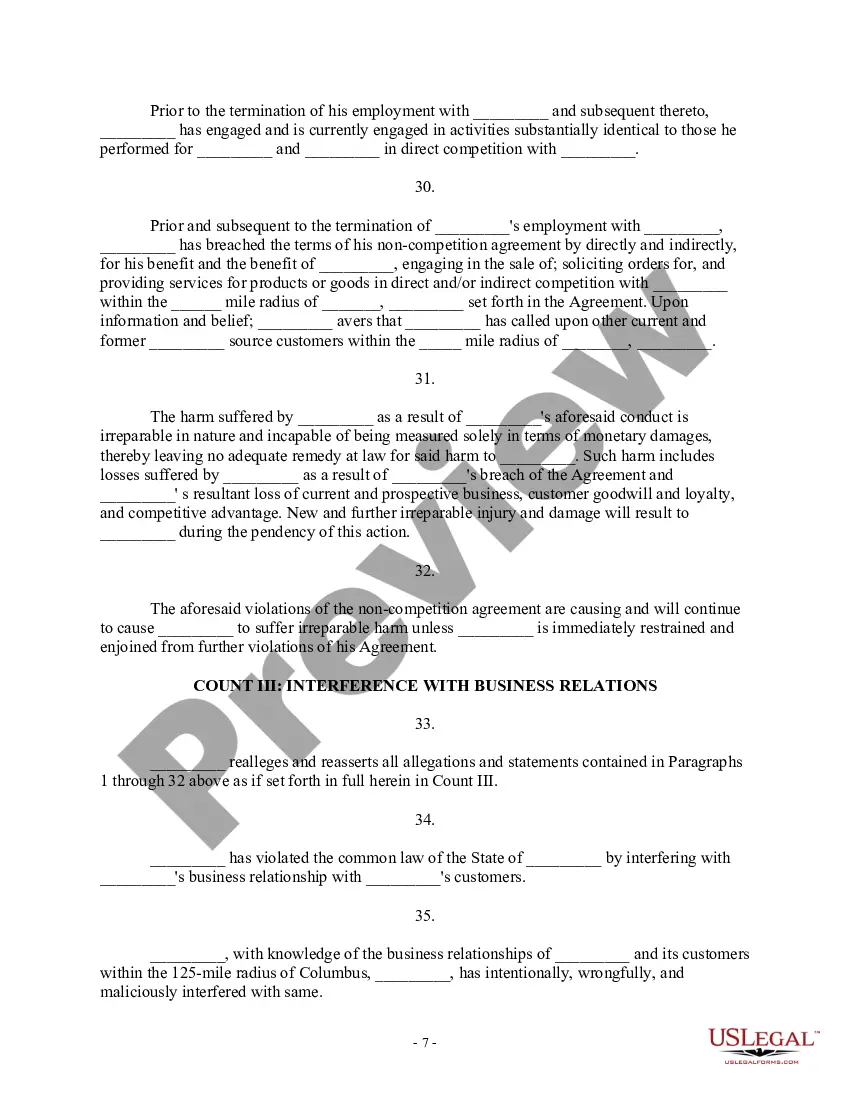
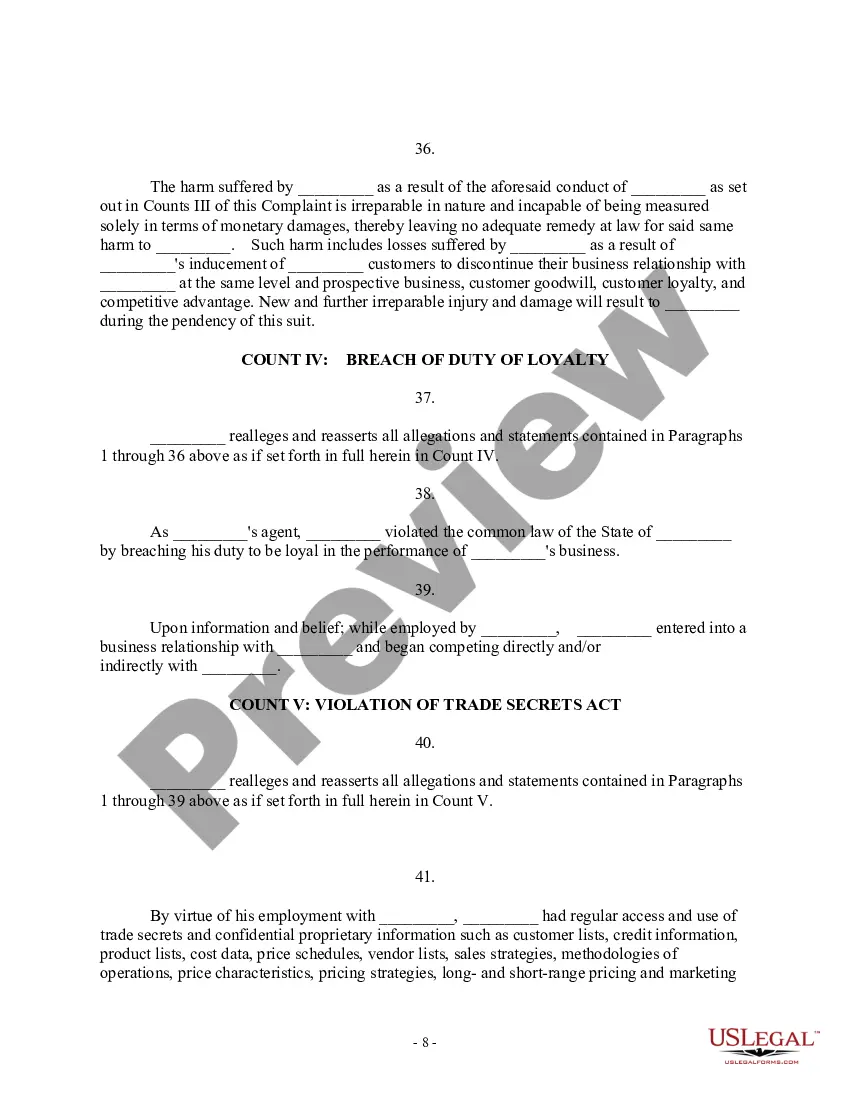
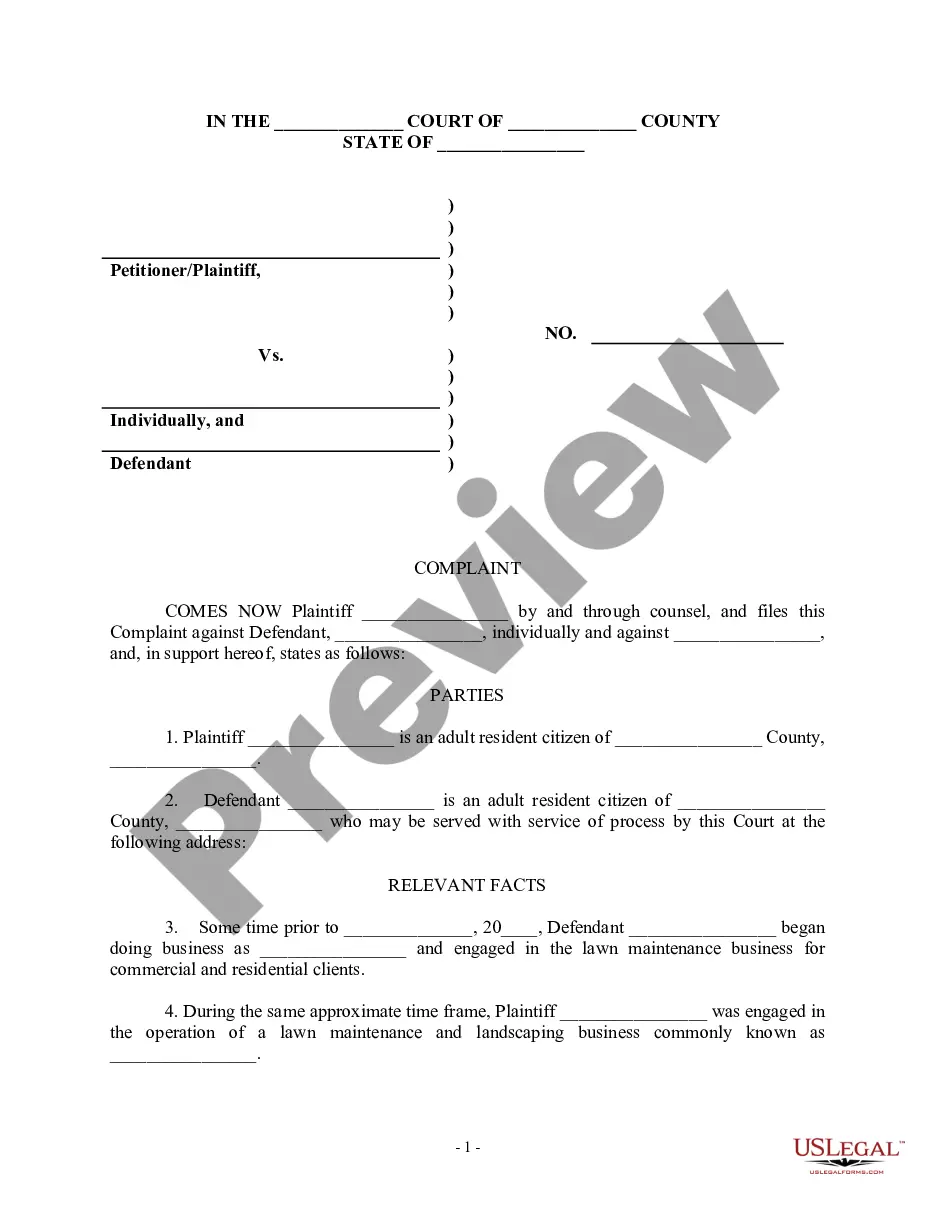
In many patent suits, patent holders seek injunctive relief to prevent an accused infringer from continuingto practice the patented invention. Whether an injunction can be granted depends on various considerations a judge may weigh under her equitable powers.
Equitable Remedies in Contract Law Injunctive relief is one of several equitable remedies that can be awarded in contract law. Other equitable remedies include specific performance, rescission, and reformation.
(a) A court shall issue a preliminary or special injunction only after written notice and hearing unless it appears to the satisfaction of the court that immediate and irreparable injury will be sustained before notice can be given or a hearing held, in which case the court may issue a preliminary or special injunction ...
