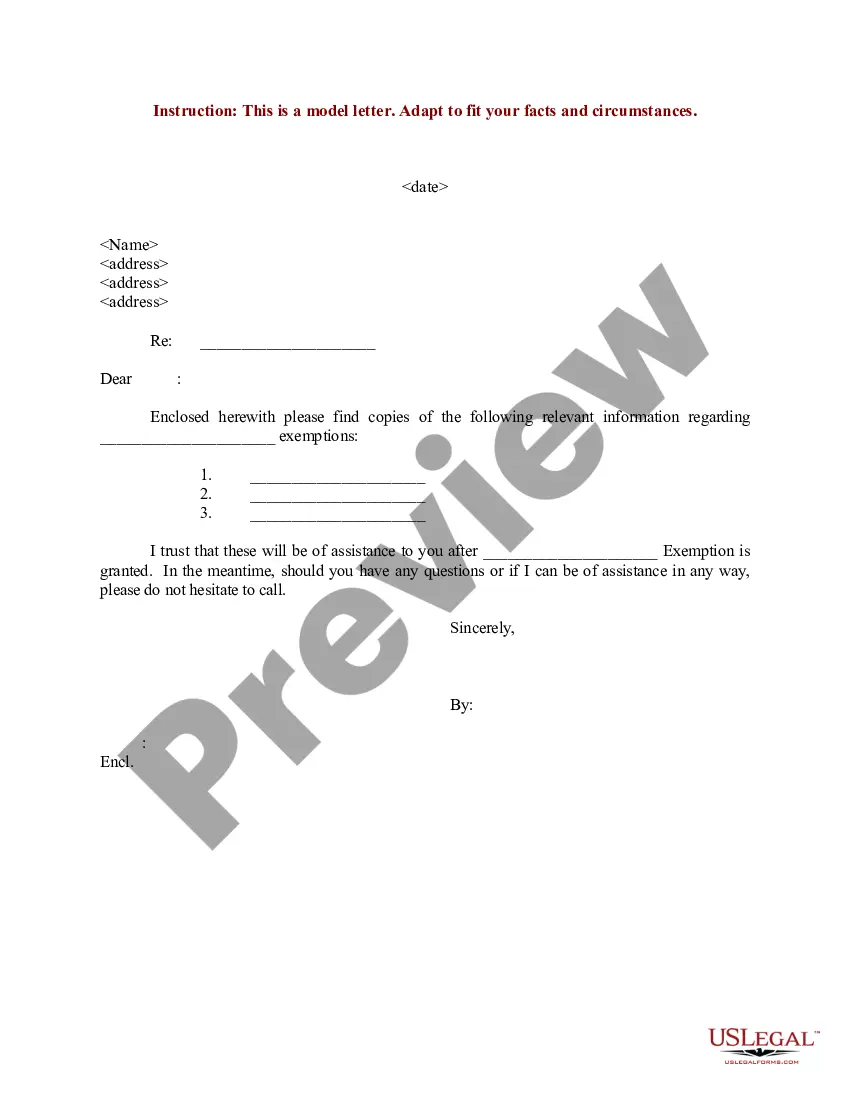
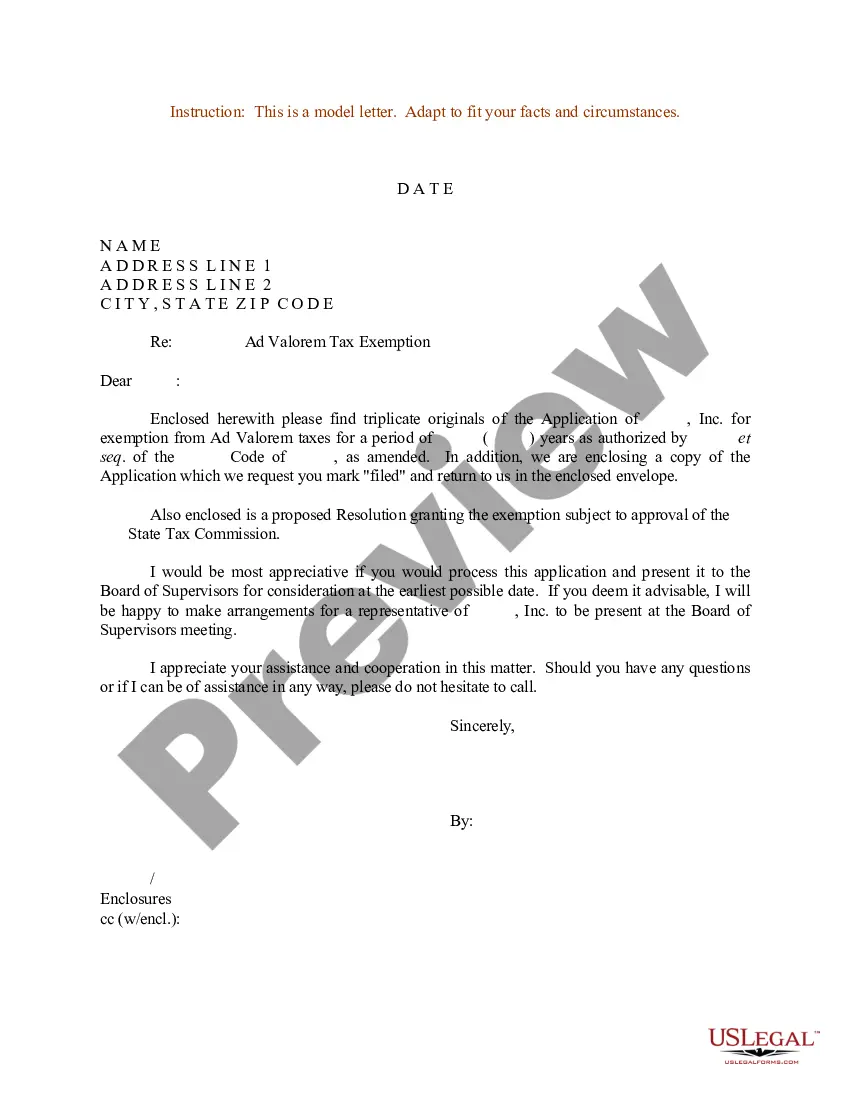
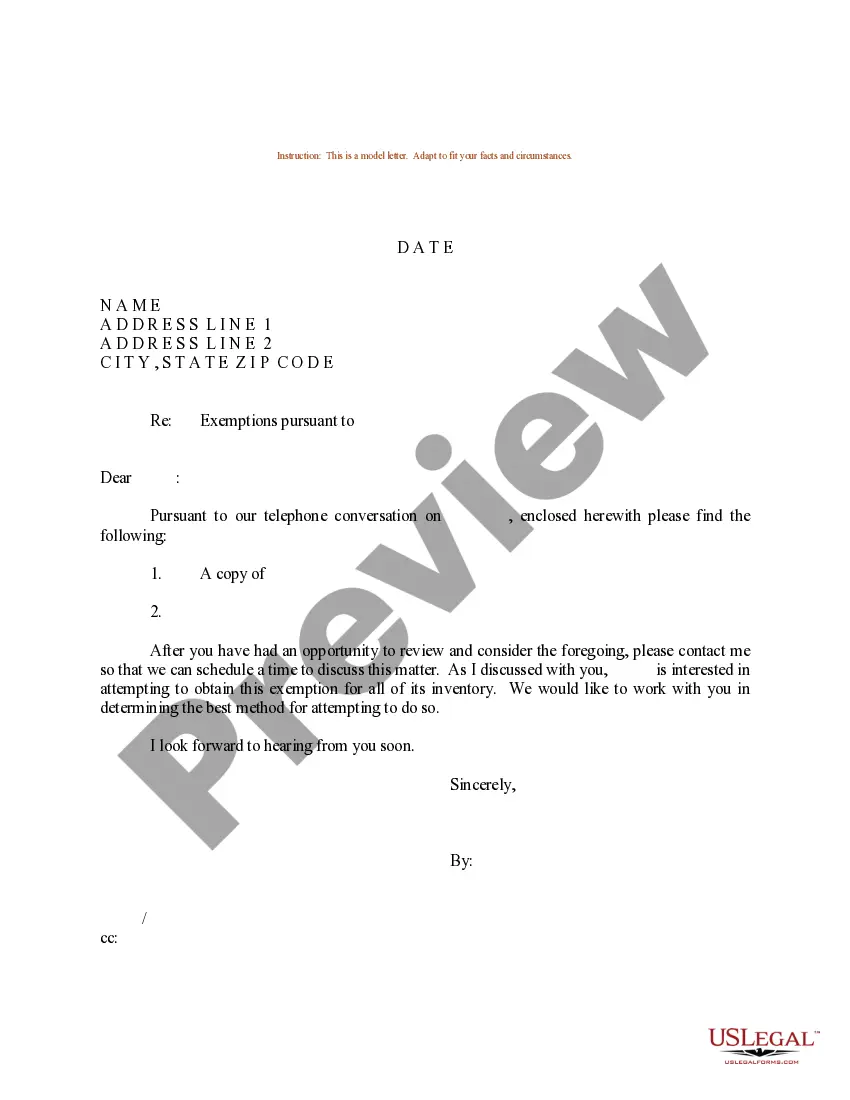
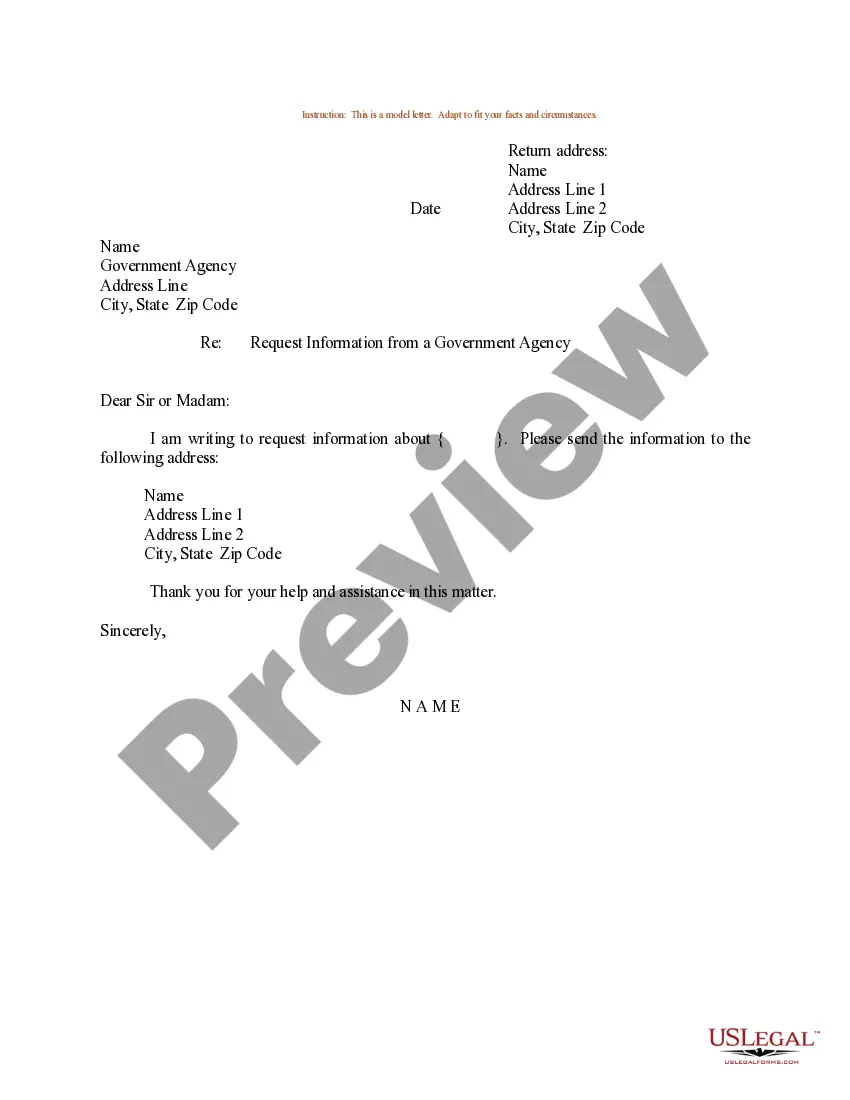
Sample Letter For Exemption In Texas
Description
Get your form ready online
Our built-in tools help you complete, sign, share, and store your documents in one place.
Make edits, fill in missing information, and update formatting in US Legal Forms—just like you would in MS Word.
Download a copy, print it, send it by email, or mail it via USPS—whatever works best for your next step.
Sign and collect signatures with our SignNow integration. Send to multiple recipients, set reminders, and more. Go Premium to unlock E-Sign.
If this form requires notarization, complete it online through a secure video call—no need to meet a notary in person or wait for an appointment.
We protect your documents and personal data by following strict security and privacy standards.

Make edits, fill in missing information, and update formatting in US Legal Forms—just like you would in MS Word.

Download a copy, print it, send it by email, or mail it via USPS—whatever works best for your next step.

Sign and collect signatures with our SignNow integration. Send to multiple recipients, set reminders, and more. Go Premium to unlock E-Sign.

If this form requires notarization, complete it online through a secure video call—no need to meet a notary in person or wait for an appointment.

We protect your documents and personal data by following strict security and privacy standards.
Looking for another form?

Form popularity
FAQ
Section 42.001 - Personal Property Exemption (a) Personal property, as described in Section 42.002, is exempt from garnishment, attachment, execution, or other seizure if: (1) the property is provided for a family and has an aggregate fair market value of not more than $100,000, exclusive of the amount of any liens, ...
Under section 42.001(a) of the Texas Property Code, families and single adults may exempt certain kinds of personal property from the claims of creditors as long as the combined fair market value of the property does not exceed: (1) $100,000 for a family; or (2) $50,000 for a single adult.
To apply for exemption, complete AP-204 and reference the statutory citation that establishes the exemption. Non-Texas corporations must also include a copy of the corporation's formation documents and a current Certificate of Existence issued by their state of incorporation.
LETTER OF EXEMPTION. This Letter of Exemption certifies that federal credit unions are exempt from all taxes imposed by the United States or by any state, territorial, or local taxing authority, except for local real or personal property tax.
Section 42.001 - Personal Property Exemption (a) Personal property, as described in Section 42.002, is exempt from garnishment, attachment, execution, or other seizure if: (1) the property is provided for a family and has an aggregate fair market value of not more than $100,000, exclusive of the amount of any liens, ...
Who should be filing exempt on taxes? As noted above, you can claim an exemption from federal withholdings if you expect a refund of all federal income tax withheld because you expect to have no tax liability and had no tax liability in the previous tax year.
The IRS determination letter notifies a nonprofit organization that its application for federal tax exemption under Section 501(c)(3) has been approved.
Provide the Demand for Tax Exemption Purpose or reason for requesting tax exempt status. Desired outcome or result of this request. Specific requirements or details for the Demand for Tax Exemption.
A tax exempt organization may need a letter to confirm its tax-exempt status or to reflect a change in its name or address.
How do we apply for an exemption? To apply for franchise and sales tax exemptions, complete and submit Form AP-204, Texas Application for Exemption – Federal and All Others (PDF) to the Comptroller's office. Include a copy of the IRS-issued exemption determination letter with any addenda.