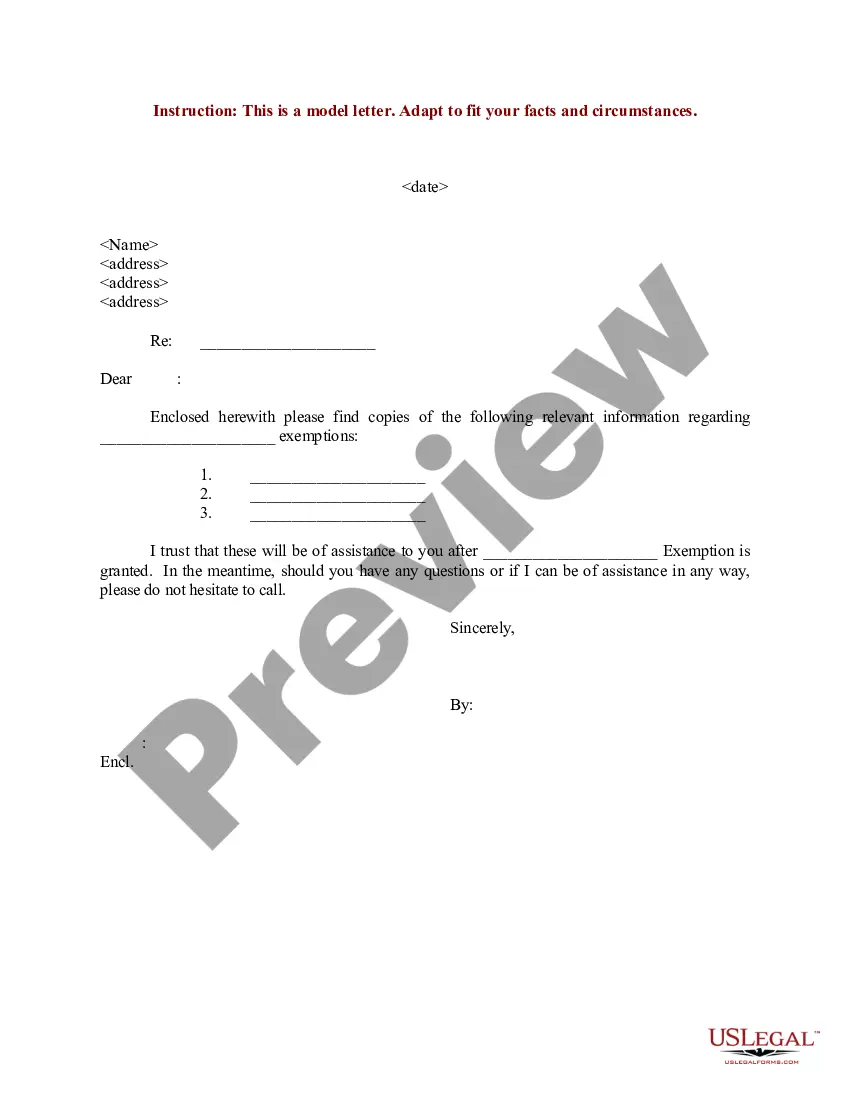
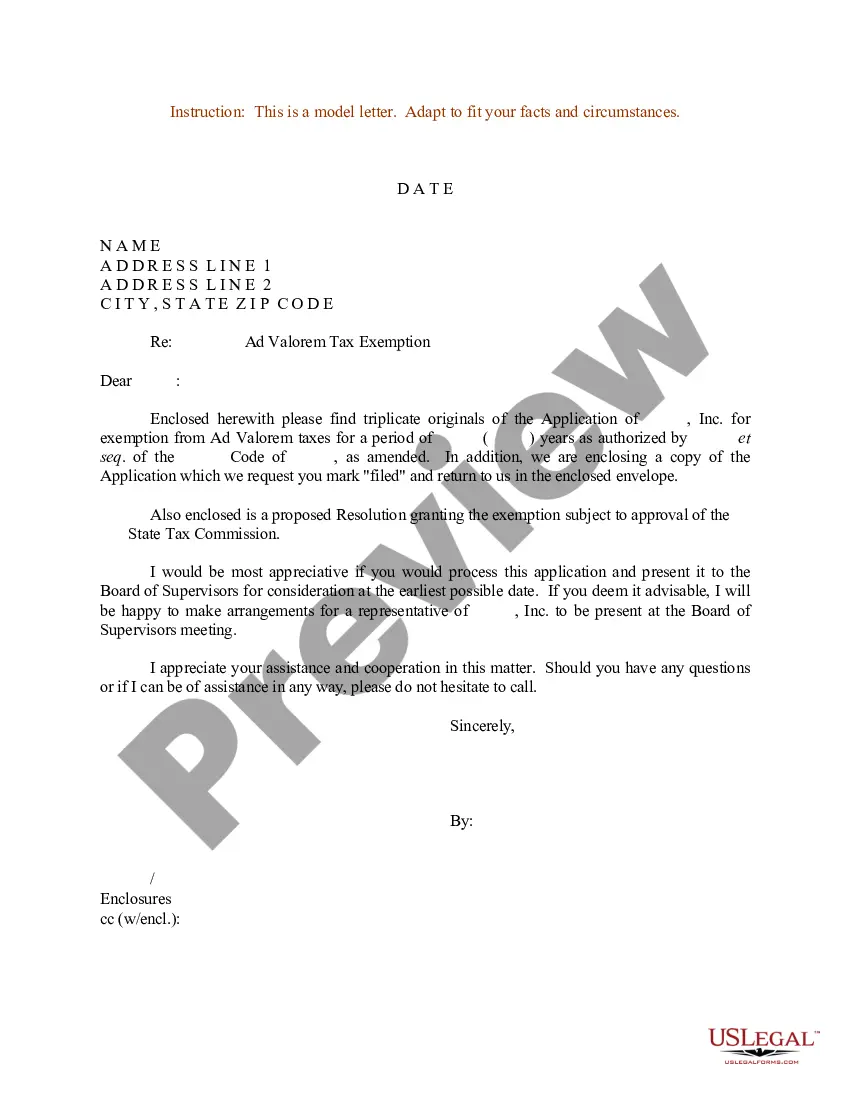
Sample Letter For Exemption In Mecklenburg
Description
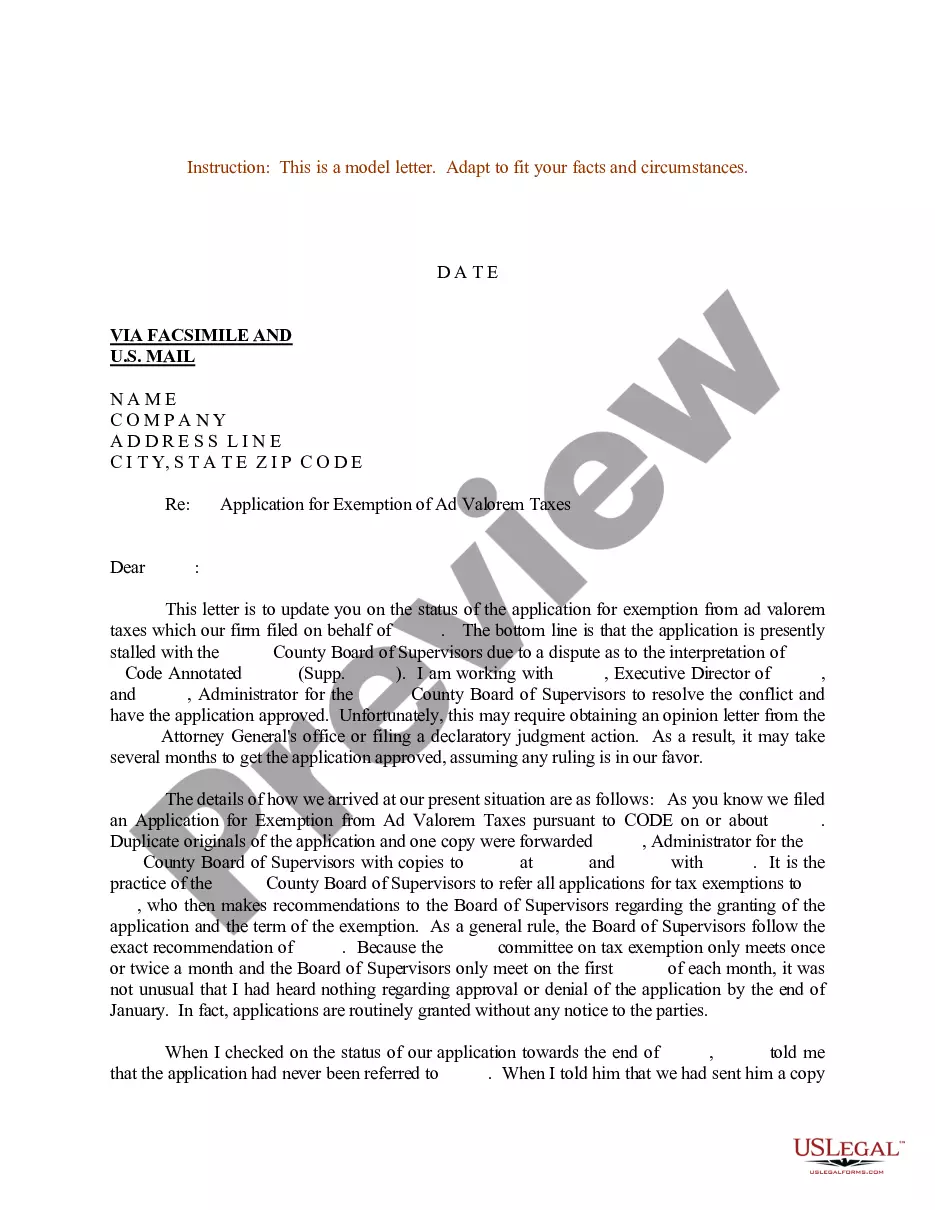
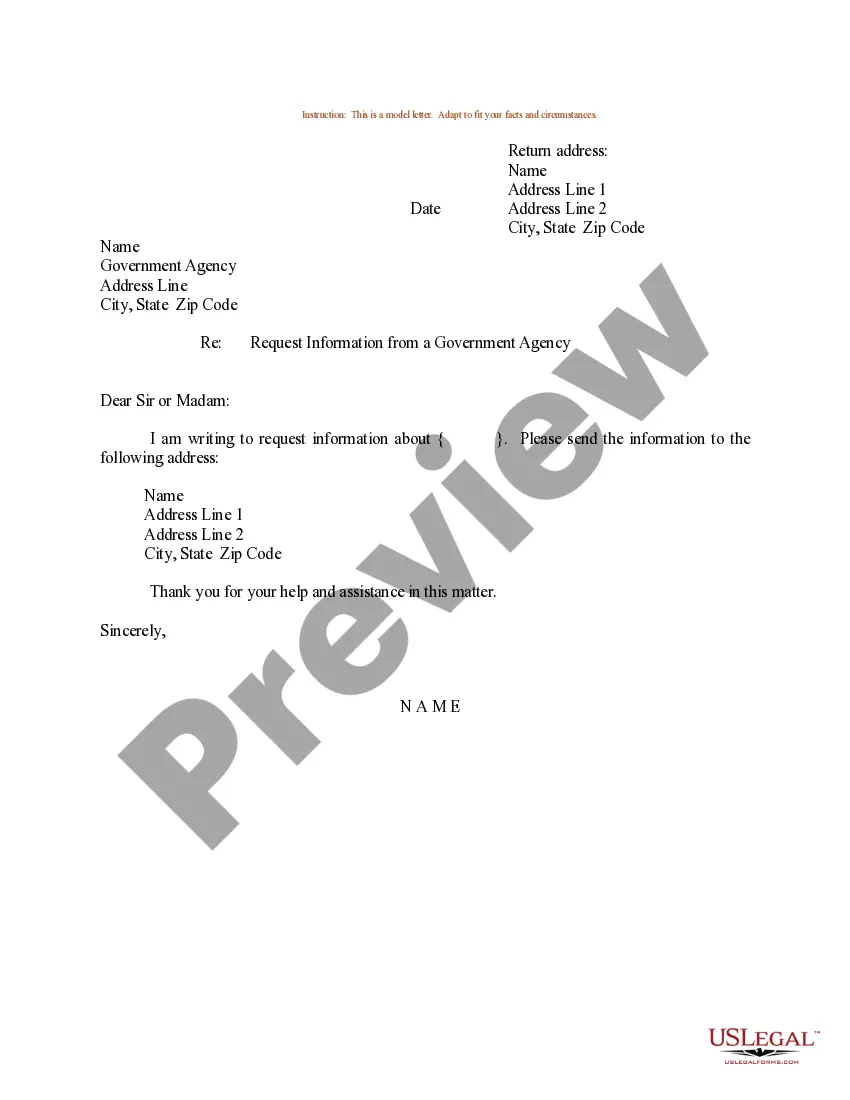
Get your form ready online
Our built-in tools help you complete, sign, share, and store your documents in one place.
Make edits, fill in missing information, and update formatting in US Legal Forms—just like you would in MS Word.
Download a copy, print it, send it by email, or mail it via USPS—whatever works best for your next step.
Sign and collect signatures with our SignNow integration. Send to multiple recipients, set reminders, and more. Go Premium to unlock E-Sign.
If this form requires notarization, complete it online through a secure video call—no need to meet a notary in person or wait for an appointment.
We protect your documents and personal data by following strict security and privacy standards.

Make edits, fill in missing information, and update formatting in US Legal Forms—just like you would in MS Word.

Download a copy, print it, send it by email, or mail it via USPS—whatever works best for your next step.

Sign and collect signatures with our SignNow integration. Send to multiple recipients, set reminders, and more. Go Premium to unlock E-Sign.

If this form requires notarization, complete it online through a secure video call—no need to meet a notary in person or wait for an appointment.

We protect your documents and personal data by following strict security and privacy standards.
Looking for another form?
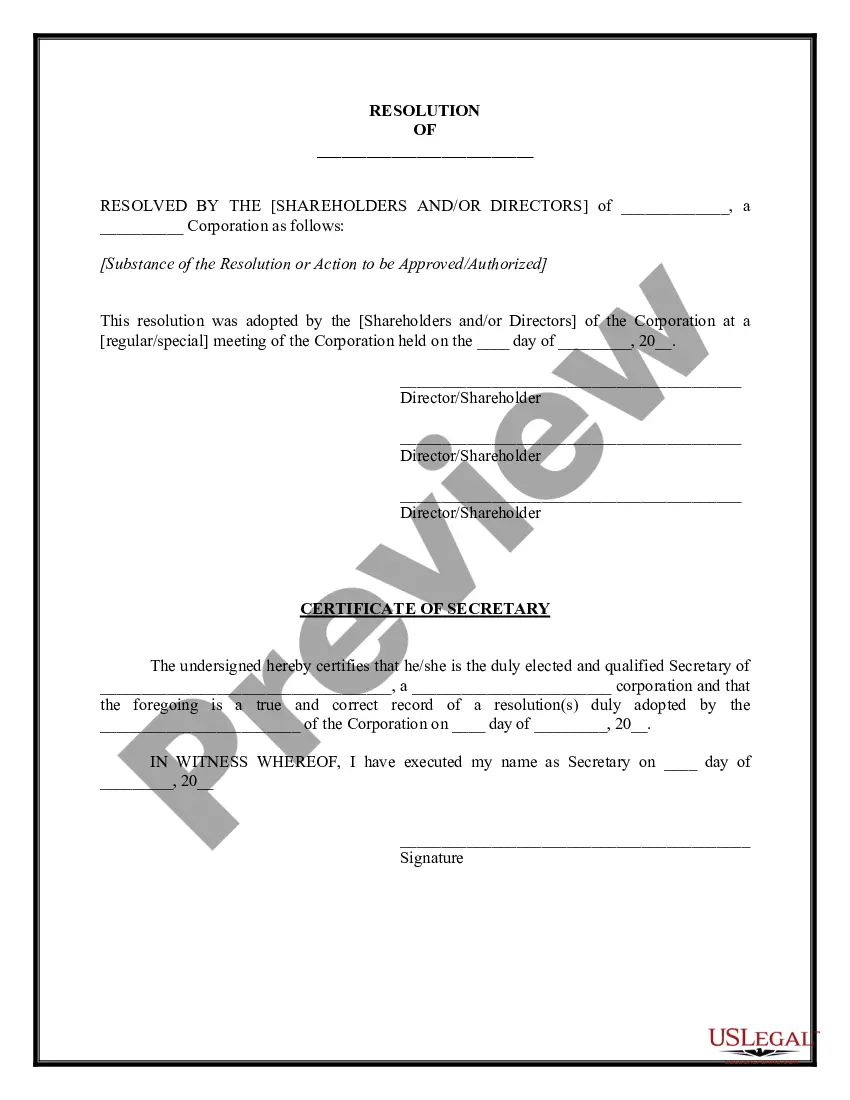



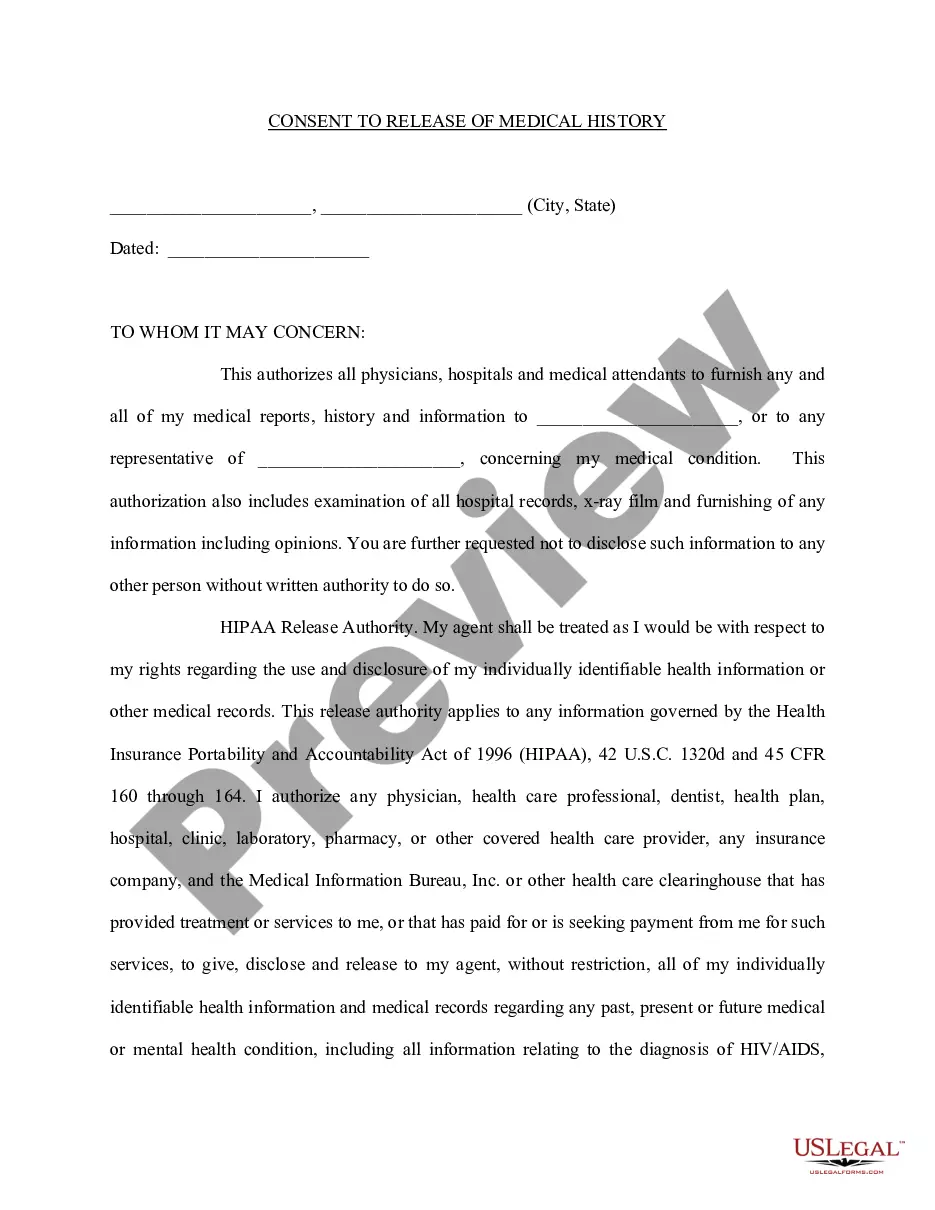



Form popularity
FAQ
The following states offer partial exemption on property taxes for seniors and people over 65. Hawaii. In Hawaii, if you're 65 or older, you could knock $160,000 off your home's assessed value, reducing your property tax liability. Louisiana. Alaska. New York. Washington. Mississippi. Florida. South Dakota.
North Carolina defers a portion of the property taxes on the appraised value of a permanent residence owned and occupied by a North Carolina resident who has owned and occupied the property at least five years, is at least 65 years of age or is totally and permanently disabled, and whose income does not exceed $55,050.
Use Form 843 to claim a refund or request an abatement of certain taxes, interest, penalties, fees, and additions to tax.
To obtain the group exemption, the central organization must submit a letter to the IRS rather than an application form. The central organization may submit this letter at the same time it submits Form 1023 (or the equivalent) or after it submits Form 1023.
Tax Relief Programs Elderly or Disabled Homestead Exemption. Elderly or Disabled Property Tax Deferral (Circuit Breaker) ... Disabled Veteran Homestead Exclusion. Present-Use Value Assessment. Builder Property Tax Exemptions. Historic Property Deferral.
The IRS determination letter notifies a nonprofit organization that its application for federal tax exemption under Section 501(c)(3) has been approved.
Provide the Demand for Tax Exemption Purpose or reason for requesting tax exempt status. Desired outcome or result of this request. Specific requirements or details for the Demand for Tax Exemption.
North Carolina excludes from property taxes a portion of the appraised value of a permanent residence owned and occupied by North Carolina residents aged 65 or older or totally and permanently disabled whose 2024 income does not exceed $37,900 annually.
North Carolina excludes from property taxes a portion of the appraised value of a permanent residence owned and occupied by North Carolina residents aged 65 or older or totally and permanently disabled whose 2024 income does not exceed $37,900 annually.
North Carolina defers a portion of the property taxes on the appraised value of a permanent residence owned and occupied by a North Carolina resident who has owned and occupied the property at least five years, is at least 65 years of age or is totally and permanently disabled, and whose income does not exceed $55,050.