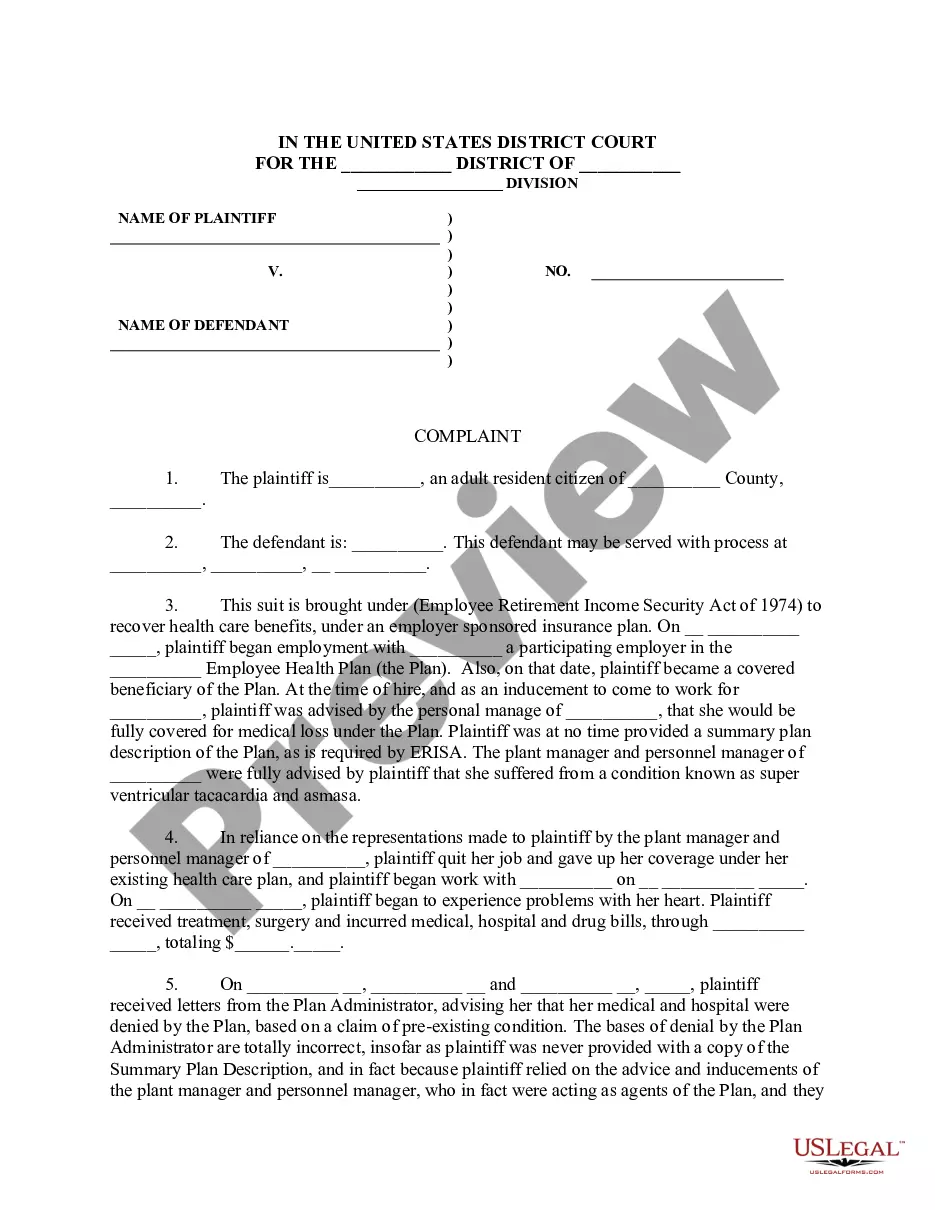
Performance Bonus Letter To Employee Template With Benefits In Tarrant
Description
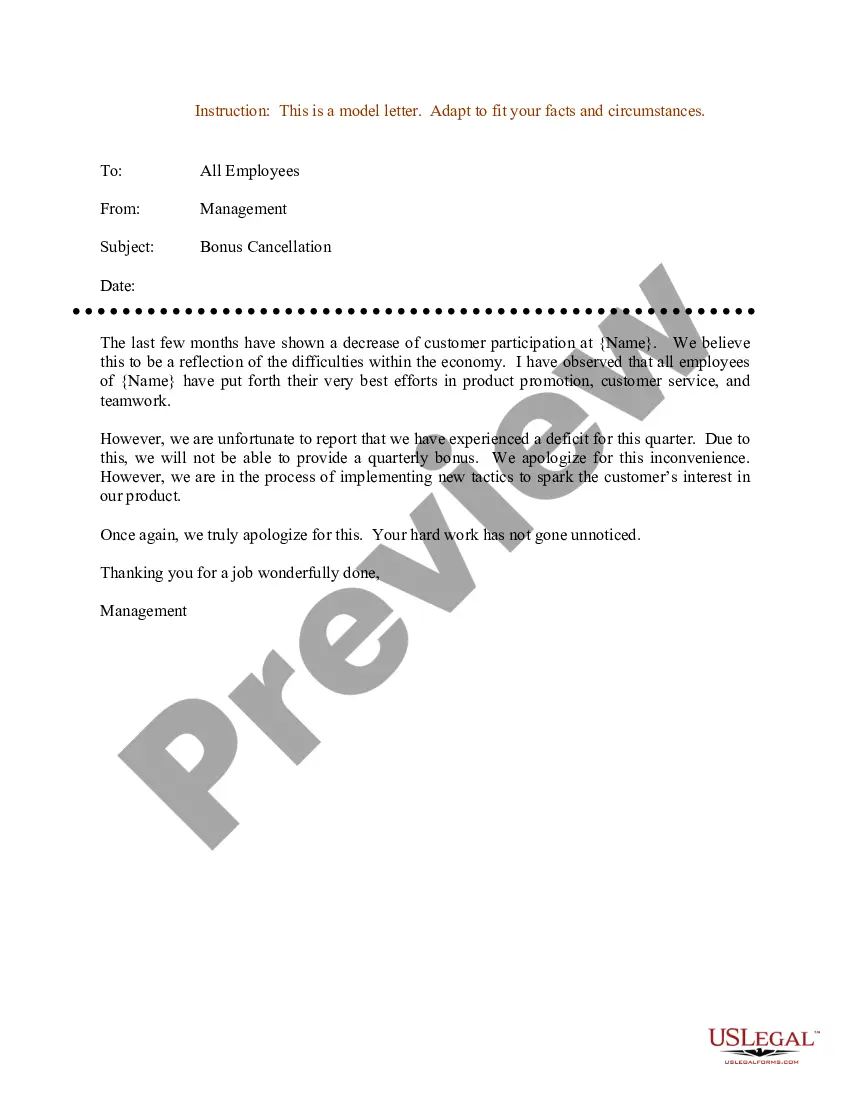
Get your form ready online
Our built-in tools help you complete, sign, share, and store your documents in one place.
Make edits, fill in missing information, and update formatting in US Legal Forms—just like you would in MS Word.
Download a copy, print it, send it by email, or mail it via USPS—whatever works best for your next step.
Sign and collect signatures with our SignNow integration. Send to multiple recipients, set reminders, and more. Go Premium to unlock E-Sign.
If this form requires notarization, complete it online through a secure video call—no need to meet a notary in person or wait for an appointment.
We protect your documents and personal data by following strict security and privacy standards.

Make edits, fill in missing information, and update formatting in US Legal Forms—just like you would in MS Word.

Download a copy, print it, send it by email, or mail it via USPS—whatever works best for your next step.

Sign and collect signatures with our SignNow integration. Send to multiple recipients, set reminders, and more. Go Premium to unlock E-Sign.

If this form requires notarization, complete it online through a secure video call—no need to meet a notary in person or wait for an appointment.

We protect your documents and personal data by following strict security and privacy standards.
Looking for another form?







Form popularity
FAQ
The typical bonus amount can range from 1% to 15% of an employee's salary, usually depending on a number of factors such as industry, company performance, and individual or team accomplishments. The average bonus for employees continues to rise over time. In 2020, the average employee bonus was only 8.1%.
A common structure is tiered bonuses. Here, employees can achieve different "levels" of bonuses based on their performance metrics. For instance, reaching 80% of a target might secure a smaller bonus, while achieving 120% may earn a significantly larger one.
One of the most common types of bonus is an annual bonus, which employers give out once a year. Annual bonuses are usually based on your overall performance, although companies who use profit-sharing rewards may distribute bonuses based on company success and profits.
Notify them that they're receiving a bonus and give a brief reason why. For example, if this bonus is for a particular achievement you can mention the specific action or project.
If you're asking for a bonus for a specific project, provide facts and figures about the outcome of the project and how it exceeded the stakeholders' requirements. If you're asking for a bonus for more general reasons, offer details about why you deserve it.
Pro tip: including the offer in your subject line is key, but you can exponentially boost the power of your incentive email subject line by adding a sense of urgency and elements of personalization, like your subscriber's name. You should also employ tactics like list segmentation and send-time optimization.
5 Employee appreciation letter best practices 1) Be timely. Appreciation is more impactful when it's immediate and in the moment. 2) Be specific. A generic “great job” might be easy to write, but it's just as easy to forget. 3) Make it genuine. 4) Give appreciation often. 5) Cultivate culture.
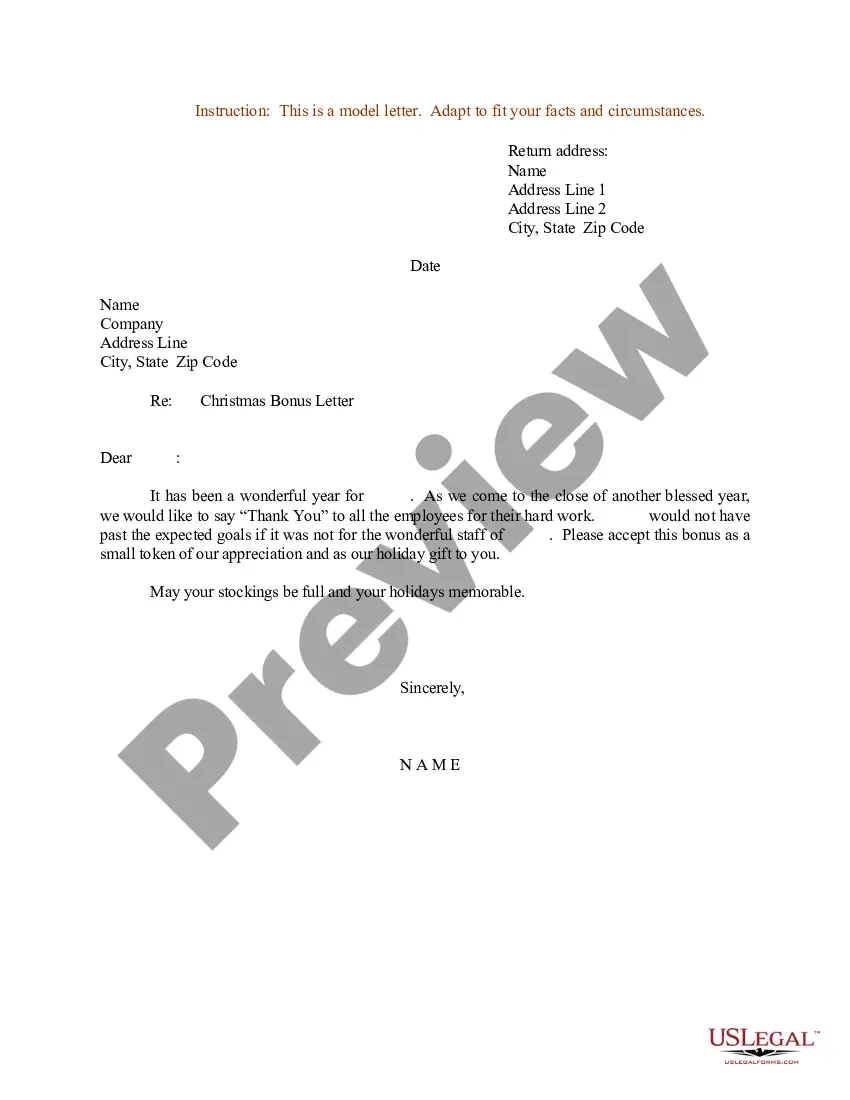
How to write a bonus letter Address the letter. In the beginning of the letter, label and address it like you start any correspondence with your team. Announce the bonus. Give details. Congratulate them. End the letter. Use a simple tone. Keep it brief. Consider a template.
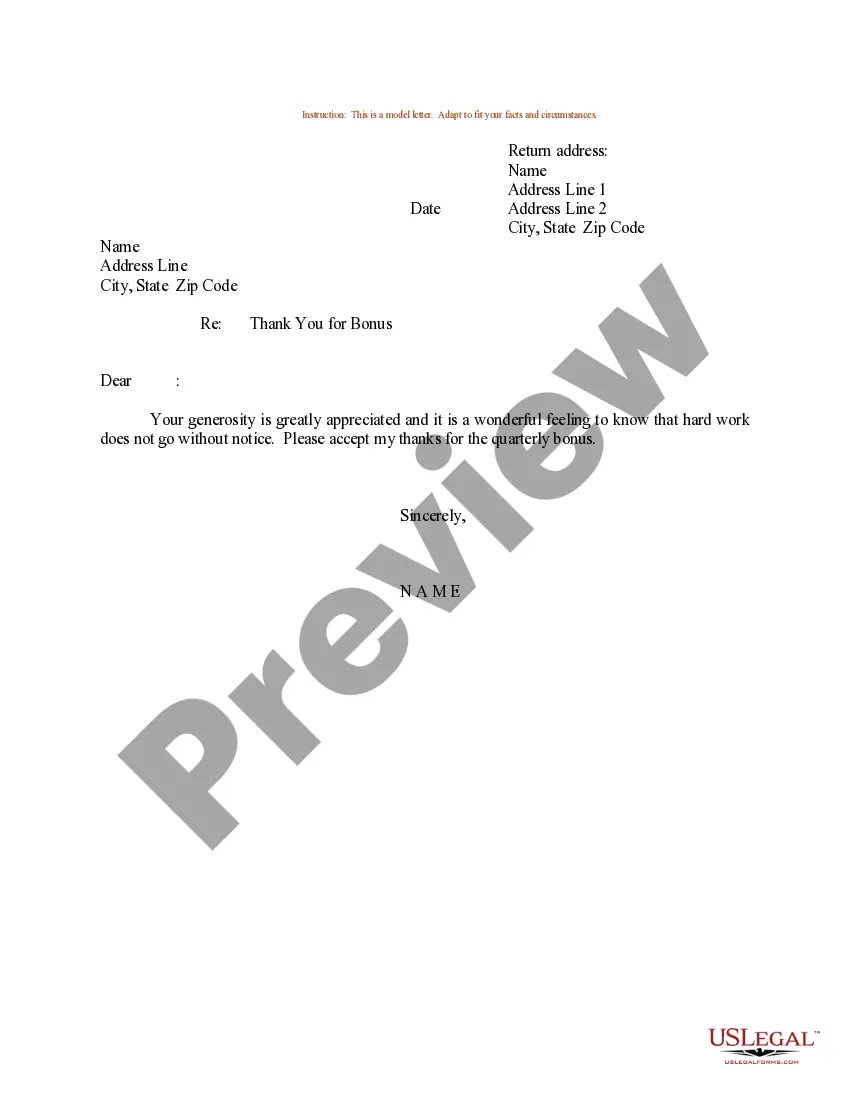
Thank you so much for my performance bonus. I really appreciate your generosity and having my hard work acknowledged. I feel so fortunate to work for a company that encourages its employees to keep meeting new goals and gives them the support and tools to do so.
I usually say something like ``I wanted to take a moment to express my sincere gratitude for the bonus. I truly appreciate the recognition of my contributions and the support you've provided. It motivates me to continue working hard and strive for even greater results.''